



Public Group
Active 1 year, 3 months ago
Group Leadership
- Group Administrators
-

Chad Farmers Community
How to Reduce Post-Harvest Losses in Chad
- This topic is empty.
- AuthorPosts
- August 30, 2026 at 11:09 am #840407
 Agric4ProfitsModerator
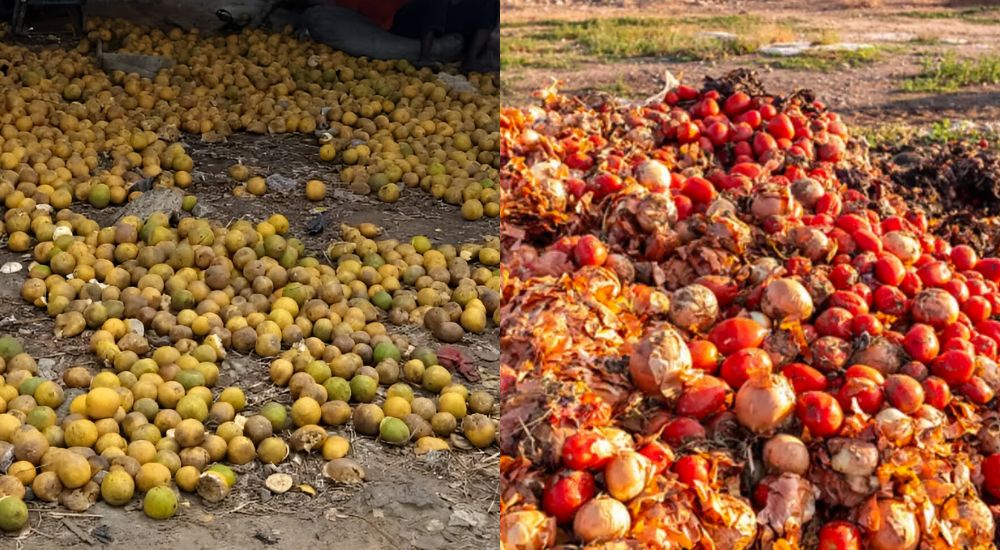
Post-harvest losses are a major challenge for farmers in Chad. Producing a good harvest is only part of successful farming; farmers must also protect crops after they leave the field. Poor harvesting methods, inadequate storage, pests, unsuitable packaging, transportation problems and limited access to markets can cause significant quantities of agricultural produce to be lost before reaching consumers.
These losses can reduce farm income, waste valuable food and discourage farmers from increasing production. They can be particularly serious for vegetables, fruits and other perishable products that deteriorate quickly under hot conditions.
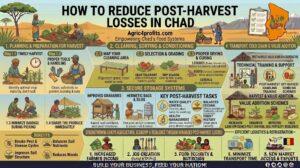
Reducing post-harvest losses requires farmers to pay attention to the entire process, from harvesting and handling to storage, transportation, processing and marketing. Simple improvements can make a significant difference, especially when farmers combine appropriate harvesting practices with better storage and market planning.
1. Understanding Post-Harvest Losses in Chad
Post-harvest losses refer to the quantity and quality of agricultural products lost after harvesting and before they are consumed, processed or sold.
Losses can occur at several stages, including:
- Harvesting.
- Threshing.
- Shelling.
- Drying.
- Sorting.
- Cleaning.
- Storage.
- Packaging.
- Transportation.
- Processing.
- Marketing.
Some losses are physical, meaning produce is completely destroyed or discarded. Others involve a reduction in quality. For example, grains may become contaminated with pests, while vegetables may lose freshness and market value.
Reducing these losses effectively means identifying where the greatest problems occur and focusing resources on those stages.
2. Harvesting Crops at the Right Time
The timing and method of harvesting can significantly affect the quality and storage life of agricultural products.
Harvesting too early may result in immature produce with poor quality, while harvesting too late can increase exposure to pests, weather damage and field losses.
Farmers should consider the appropriate maturity stage for each crop.
During harvesting, farmers should also avoid unnecessary physical damage. Throwing, dropping or roughly handling fruits and vegetables can cause bruises and cuts that accelerate deterioration.
For grains and legumes, harvesting should be carried out when the crop has reached an appropriate level of maturity and moisture for the intended storage or drying process.
Clean harvesting tools can also reduce contamination.
3. Proper Drying and Cleaning of Farm Produce
Drying is particularly important for grains, legumes and other products that need to be stored for extended periods.
If produce is stored with excessive moisture, mould growth, spoilage and deterioration can occur.
Farmers should therefore dry crops adequately before placing them into storage. Produce should be protected from unexpected rainfall, animals and contamination during drying.
Cleaning and sorting are also important. Farmers should remove:
- Damaged grains.
- Rotten produce.
- Foreign materials.
- Excess soil.
- Insect-infested products.
- Diseased plant material.
For crops intended for long-term storage, farmers should use appropriate methods to ensure that the produce reaches a suitable storage condition.
Read Also: Crop Rotation and Intercropping in Chad
4. Improving Farm Storage Facilities
Poor storage is one of the major causes of post-harvest losses. Farmers may lose stored grains and other products to insects, rodents, mould, moisture and poor ventilation.
A good storage facility should protect agricultural products from excessive moisture, pests and contamination.
Depending on the crop and resources available, farmers can consider:
- Improved grain storage structures.
- Airtight storage containers where appropriate.
- Clean bags and containers.
- Raised storage platforms.
- Properly sealed storage areas.
- Pallets for keeping produce away from damp floors.
- Rodent-control measures.
- Regular inspection.
Storage facilities should be cleaned before new produce is introduced. Old residues can harbour insects, diseases and other contaminants.
Farmers should also inspect stored products regularly so that problems can be identified before they spread.
5. Reducing Losses During Transportation
Agricultural produce can suffer significant damage during transportation, particularly when roads are poor or produce is packed improperly.
Fruits and vegetables should be handled carefully because excessive pressure, vibration and rough handling can cause bruising.
Farmers can reduce transportation losses by:
- Using suitable containers.
- Avoiding excessive stacking.
- Protecting produce from rain and direct sunlight.
- Sorting damaged produce before transportation.
- Reducing unnecessary delays.
- Using appropriate vehicles.
- Securing loads properly.
For highly perishable products, farmers should organise transportation as soon as possible after harvesting.
Where several smallholder farmers produce similar crops, cooperative transportation may help reduce individual transportation costs.
6. Improving Packaging and Processing
Appropriate packaging can protect produce from physical damage, contamination and environmental conditions.
The best packaging method depends on the product. Vegetables and fruits may require ventilated containers, while grains and legumes require packaging that protects them from moisture and pests.
Processing can also reduce losses by converting highly perishable produce into products that can be stored for longer periods.
Examples include:
- Drying fruits and vegetables.
- Milling grains.
- Processing cassava or other root crops.
- Producing flour.
- Processing oilseeds.
- Making animal feed from suitable agricultural by-products.
Processing can also create additional value and provide farmers with more options when fresh produce prices are low.
However, processed food must be produced under appropriate hygiene and food-safety conditions.
7. Better Market Planning and Collective Selling
Some post-harvest losses occur because farmers harvest more produce than they can sell quickly.
Market planning should therefore begin before harvesting.
Farmers should identify:
- Potential buyers.
- Local market demand.
- Expected prices.
- Transportation costs.
- Storage requirements.
- Preferred product quality.
- Harvest periods.
Farmer groups and cooperatives can help members coordinate production and marketing. Collective marketing may allow farmers to aggregate larger quantities and negotiate with buyers more effectively.
Farmers should also avoid depending on only one buyer where possible. Having several potential markets can provide greater flexibility when prices or purchasing conditions change.
8. Simple Technologies for Reducing Post-Harvest Losses
Farmers do not always need expensive technology to reduce losses. Simple improvements in harvesting, drying, storage and transportation can produce meaningful results.
Examples include:
Problem Practical Solution Grain moisture Proper drying before storage Rodent damage Improved and secure storage Insect infestation Appropriate pest-management and storage practices Vegetable bruising Careful handling and suitable containers Rain during drying Covered or protected drying areas Produce spoilage Faster transportation and marketing Poor storage hygiene Cleaning storage facilities before use Excess production Processing, storage or planned marketing Farmers should select technologies based on the type of crop, scale of production and available financial resources.
9. Building a Post-Harvest Management Plan
Every farmer should have a basic plan for what will happen to produce immediately after harvest.
The plan should answer questions such as:
- When will the crop be harvested?
- Where will it be dried?
- Where will it be stored?
- What packaging will be used?
- Who will transport it?
- Where will it be sold?
- How much can be stored?
- What quantity should be processed?
- How quickly must the produce reach buyers?
Planning in advance reduces the possibility of rushing important post-harvest operations.
Farmers can also keep records of losses from each season. If a farmer discovers that most losses occur during storage, for example, investment in improved storage may provide greater benefits than spending more money on other parts of the production process.
Frequently Asked Questions
1. What are post-harvest losses?
Post-harvest losses are reductions in the quantity or quality of agricultural produce that occur after harvesting and before the produce is consumed, processed or sold.
2. What causes post-harvest losses in Chad?
Common causes can include poor harvesting practices, inadequate drying, insects, rodents, mould, unsuitable storage, rough transportation, poor packaging and delayed marketing.
3. How can farmers reduce grain losses during storage?
Farmers should properly dry grains before storage, use clean and suitable storage containers, protect produce from pests and regularly inspect stored grain.
4. Why is proper drying important?
Excess moisture can encourage mould growth, spoilage and deterioration. Proper drying can improve the storage life and quality of many grains and legumes.
5. How can vegetable farmers reduce post-harvest losses?
Vegetables should be harvested carefully, protected from excessive heat and physical damage, placed in suitable containers and transported to buyers as quickly as practical.
6. Can processing help reduce post-harvest losses?
Yes. Processing can convert perishable agricultural products into products with a longer potential storage period. It can also create additional value.
7. Can farmer cooperatives help reduce post-harvest losses?
Yes. Cooperatives can help farmers organise collective storage, transportation, processing and marketing, potentially reducing individual costs and improving access to buyers.
8. Should farmers find buyers before harvesting?
It is advisable to identify potential buyers before harvest whenever possible. Knowing the market can help farmers plan harvesting, transportation, storage and pricing more effectively.
9. What is the cheapest way to reduce post-harvest losses?
There is no single solution for every farm. Basic improvements such as careful harvesting, proper drying, clean storage facilities and better handling can often be implemented without major investment.
10. How can farmers know where most of their post-harvest losses occur?
Farmers can monitor the quantity and quality of produce at each stage from harvesting to sale. Keeping simple records can reveal whether losses are mainly occurring during drying, storage, transportation, processing or marketing.
Share Your Thoughts
Reducing post-harvest losses can help Chad farmers get greater value from the crops they have already produced. Better harvesting, drying, storage, transportation and marketing practices can reduce waste while improving food availability and farm income.
What is the biggest post-harvest challenge farmers face in your area of Chad? Is it storage, pests, transportation, poor markets or something else? Share your thoughts, experiences and practical solutions in the comments below.
- AuthorPosts

- You must be logged in to reply to this topic.