



Public Group
Active 1 year, 3 months ago
Group Type By Country
Group Leadership
- Group Administrators
-

Comoros Farmers Community
How Do I Cure and Dry Vanilla Beans the Correct Way in Comoros?
- This topic is empty.
- AuthorPosts
- September 16, 2026 at 6:10 pm #854450
 Agric4ProfitsModerator
Vanilla is a valuable crop that can provide an important source of income for farmers in Comoros. However, producing high-quality vanilla does not end when the beans are harvested. Proper curing and drying are essential because these processes develop the characteristic aroma, flavour, colour and texture that make well-prepared vanilla beans valuable.
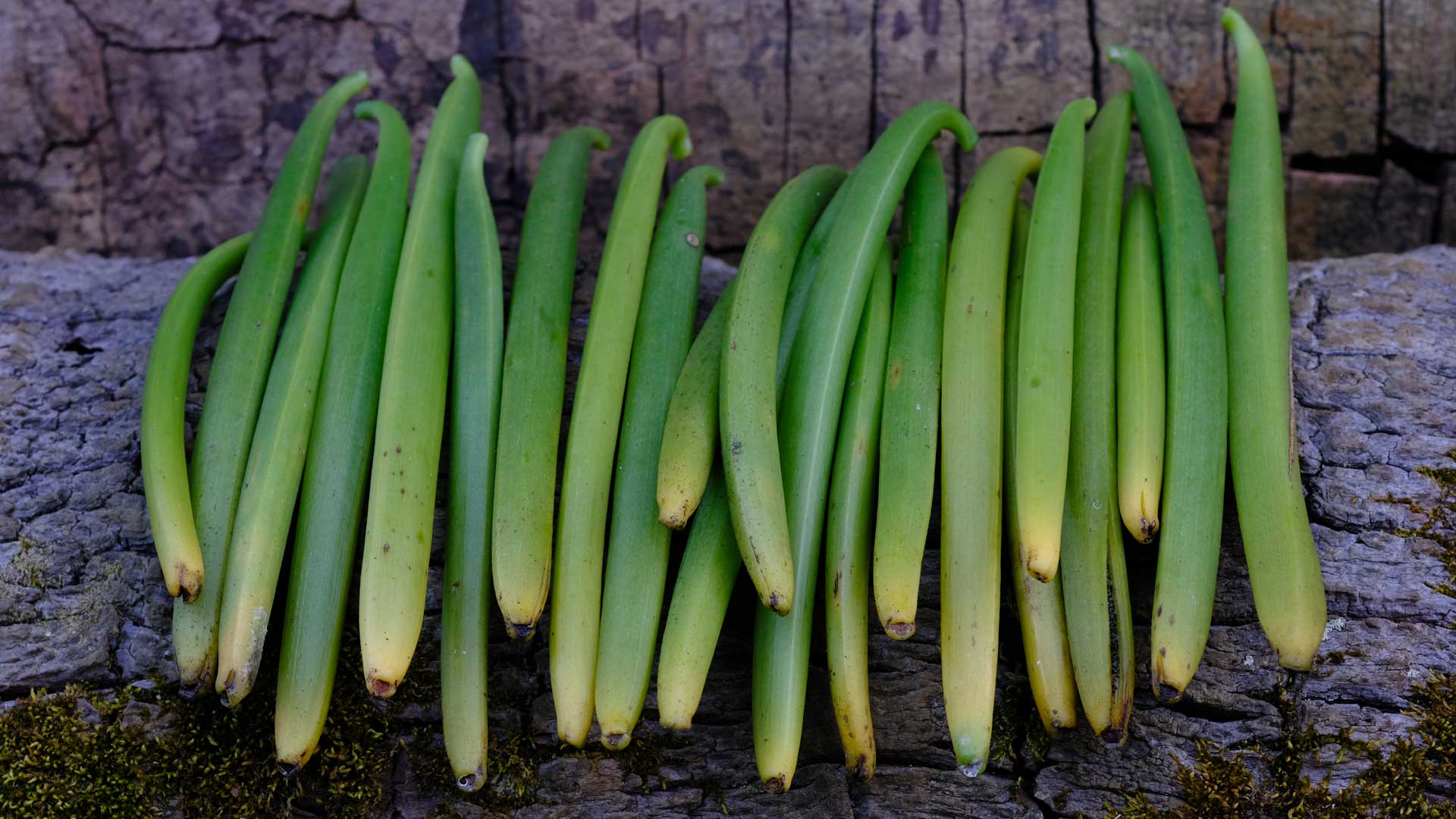
Freshly harvested vanilla beans contain a large amount of moisture and have very little of the familiar vanilla aroma. Farmers must carefully transform the green beans through several stages, including killing, sweating, drying and conditioning.
The warm and humid conditions of Comoros can support vanilla curing, but farmers need to manage moisture carefully. Poorly dried beans can develop mould, while excessive drying can make them brittle and reduce their quality.
1. Harvest Mature Vanilla Beans Carefully
The curing process begins with harvesting beans at the correct stage of maturity. Beans should be sufficiently mature but should not be allowed to become overripe and split while still on the plant.
Mature vanilla beans generally have a full appearance and may begin showing slight colour changes at the tips. Farmers should inspect the pods carefully rather than harvesting all beans simply because they have reached a particular age.
Use a clean tool to cut the beans from the vine. Avoid pulling or twisting the pods because rough handling can damage both the beans and the plant.
After harvesting, sort the beans according to size and quality. Remove severely damaged, diseased or immature pods before beginning the curing process.
Keeping the beans clean from the moment of harvest helps reduce contamination during curing.
2. Begin the Killing and Sweating Process
The first major stage of vanilla curing is known as killing. This process stops the growth of the fresh bean and begins the chemical changes responsible for developing vanilla’s characteristic aroma.
Traditionally, mature green beans are exposed to hot water for a short period before being wrapped or placed in insulated containers to begin sweating. The temperature and treatment time need to be controlled carefully because excessive heat can damage the beans.
After the heat treatment, the beans are wrapped in clean cloth or another suitable material and kept warm for a period. During sweating, the beans become darker and begin developing their characteristic aroma.
The beans should be checked regularly during this stage. They should remain warm and moist enough for the curing process to continue, but excessive moisture should not be allowed to accumulate.
Clean equipment and handling materials are essential because contamination at this stage can lead to mould and spoilage.
3. Dry the Beans Gradually
After sweating, the beans need to be dried gradually. Drying removes excess moisture while allowing the desired flavour and aroma compounds to develop.
In the sunny conditions of Comoros, farmers can use controlled sun drying. Spread the beans in a single layer on clean drying surfaces and expose them to sunlight for a limited period each day.
Avoid leaving the beans exposed to intense sunlight for excessive periods because rapid drying can cause the outer surface to become hard while moisture remains inside.
After daytime drying, collect the beans and place them in a clean, dry and protected location. Repeat the process over several days until the beans reach the desired level of dryness.
During drying, turn the beans regularly so that different sides receive similar exposure. Remove any beans showing signs of serious mould or spoilage.
The goal is not to dry the beans as quickly as possible. Gradual moisture reduction is important for maintaining quality.
4. Condition and Inspect the Cured Beans
After the main drying stage, vanilla beans require a conditioning period. This allows moisture to become more evenly distributed throughout the beans while their aroma and flavour continue to develop.
Place the dried beans in clean, dry containers or suitable wrapping materials. Store them in a cool, dark and well-ventilated location where they can be inspected regularly.
During conditioning, farmers should check the beans for mould, excessive moisture and other signs of deterioration. Good cured beans should become flexible rather than completely brittle.
Beans that are too wet can develop mould, while beans that have been dried excessively may lose flexibility and quality.
Farmers should handle the beans carefully during this period. Avoid unnecessary exposure to water and keep insects, dirt and other contaminants away from the storage area.
Proper conditioning can take several weeks or longer, depending on the curing method and the quality of the beans.
5. Store and Grade the Finished Vanilla Properly
Once the vanilla has been adequately cured and conditioned, the beans should be graded according to their quality, size, appearance and condition.
High quality beans are generally flexible, dark in colour, aromatic and free from serious mould or physical damage.
Store finished vanilla in clean, dry and suitably protected containers. The storage area should be cool, dark and protected from excessive humidity.
Do not store vanilla beans in places exposed to direct sunlight, excessive heat or uncontrolled moisture. Poor storage can reduce the quality achieved during curing.
Farmers should also keep different grades separate. This makes it easier to maintain consistent quality when selling the beans to buyers.
Proper records can also be useful. Farmers can record harvesting dates, curing batches and storage dates so that the development of each batch can be monitored.
Careful curing, conditioning and storage can significantly increase the value of vanilla compared with poorly processed beans.
Frequently Asked Questions
1. How long does it take to cure vanilla beans?
The complete curing and conditioning process can take several weeks and may extend for a few months, depending on the method used, weather conditions and desired quality. Farmers should focus on proper moisture control rather than rushing the process.
2. Why are my vanilla beans developing mould during curing?
Mould can develop when the beans remain excessively wet or when they are stored in poorly ventilated conditions. Check the beans regularly, improve ventilation and separate affected beans from healthy ones.
3. Can vanilla beans be dried completely in the sun?
Vanilla can be partially dried using sunlight, but excessive exposure to strong sunlight can cause rapid moisture loss and damage the quality of the beans. Controlled drying with periods of shade is generally safer.
4. How do I know when vanilla beans are properly dried?
Properly cured beans should be dark, aromatic and flexible rather than completely hard and brittle. They should contain enough moisture to remain pliable without feeling excessively wet.
5. Should I wash vanilla beans before curing them?
Fresh beans should be kept clean, but unnecessary washing should be avoided because additional moisture can complicate the curing process. Clean harvesting and handling practices are more important.
6. How should cured vanilla beans be stored in Comoros?
Store them in clean, protected containers in a cool, dark and dry location away from direct sunlight and excessive humidity. Inspect them regularly for mould or other signs of deterioration.
7. Can poorly cured vanilla beans still be sold?
Poorly cured beans may still have some value, but inconsistent curing can reduce their aroma, appearance, flexibility and market quality. Proper processing from harvest through conditioning gives farmers a better chance of producing valuable vanilla.
Curing vanilla beans correctly requires patience, cleanliness and careful moisture management. The process begins with harvesting mature beans and continues through killing, sweating, gradual drying, conditioning and proper storage.
For farmers in Comoros, controlling humidity is especially important because the tropical environment can make it difficult to remove moisture safely. A careful curing process can help transform freshly harvested green beans into aromatic, flexible and higher-quality vanilla suitable for household use or sale.
Read Also: what-plastics-cannot-be-recycled-list-of-non-recyclable-plastics
- AuthorPosts


- You must be logged in to reply to this topic.