



Public Group
Active 1 year, 3 months ago
Group Type By Country
Group Leadership
- Group Administrators
-

Comoros Farmers Community
How do I grow bananas and plantains for home consumption in Comoros?
- This topic is empty.
- AuthorPosts
- September 16, 2026 at 5:08 pm #854407
 Agric4ProfitsModerator
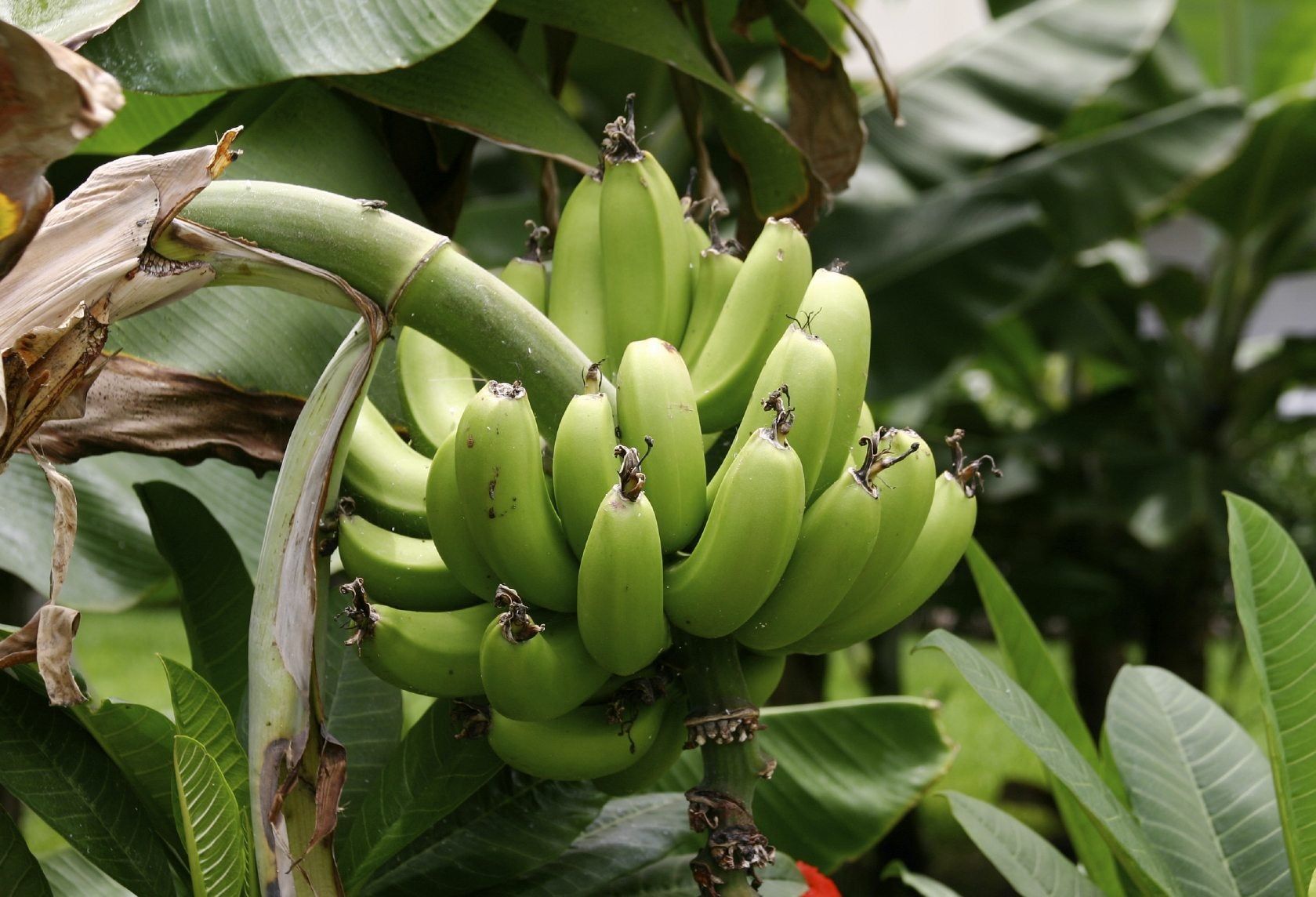
Bananas and plantains are important food crops that can provide a reliable source of food for households in Comoros. The country’s warm tropical climate, regular rainfall and fertile agricultural areas create favourable conditions for growing these crops around the home.
For families with available garden space, growing bananas and plantains can be a practical way to produce fresh food while making productive use of household land. The plants can continue producing new suckers after harvesting, allowing a small garden to provide several harvests over time.
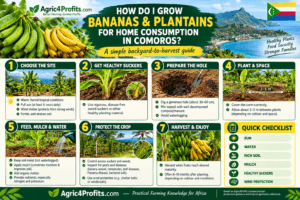
Successful production depends on selecting healthy planting materials, preparing fertile soil, providing enough water, controlling weeds, managing suckers and protecting the plants from pests, diseases and strong winds.
1. Choose the Right Location
The first step is to choose a suitable location for your banana and plantain plants. Select an area that receives plenty of sunlight during the day and has good access to water.
Bananas and plantains grow vigorously when they receive sufficient sunlight, moisture and nutrients. Avoid areas where water remains stagnant after rainfall because excessive water around the roots can lead to root problems and poor plant growth.
Protection from strong winds is also important. Banana leaves are large and can easily tear during storms or strong winds. In severe cases, the entire plant can be pushed over.
A location near the house can be useful because it makes watering, weeding, monitoring and harvesting easier. Where possible, plant bananas in a sheltered area or near suitable windbreaks.
2. Prepare Fertile Soil
Bananas and plantains perform best in deep, fertile and well drained soil. Before planting, clear weeds and other unwanted vegetation from the area.
Dig the planting holes well in advance and mix the soil with well-decomposed manure or compost. Organic matter improves soil structure and provides nutrients that support healthy plant development.
Avoid using fresh manure directly around newly planted suckers because it can damage young roots. Well-decomposed manure is safer and more beneficial.
If your garden soil is poor, add compost regularly. Household organic materials such as properly decomposed crop residues, leaves and other plant materials can help improve soil fertility over time.
Good drainage is especially important in areas that receive heavy tropical rainfall.
Read Also: Farm Finance Calculator for Coffee Robusta Farming in Comoros
3. Select Healthy Planting Materials
Bananas and plantains are usually grown from suckers rather than ordinary seeds. A healthy sucker can develop into a productive plant when planted and maintained properly.
Choose suckers from strong, healthy banana or plantain plants. Avoid planting materials that show signs of disease, serious pest damage, or weak growth.
The planting material should have a healthy root system and should not be badly damaged during removal or transportation.
If you already have productive banana plants at home, healthy suckers from those plants can be used to expand your garden. However, do not take suckers from plants that are showing signs of serious disease.
Using healthy planting materials from the beginning gives the new plants a better chance of establishing quickly.
4. Plant the Suckers Properly
Prepare a sufficiently large hole for each sucker. A hole of approximately 60 centimetres wide and 60 centimetres deep can be suitable, although the exact size can be adjusted according to soil conditions and the size of the planting material.
Mix the topsoil with compost or well-decomposed manure before returning some of it to the hole.
Place the sucker upright in the centre of the hole and carefully cover its roots with soil. Firm the soil gently around the plant to eliminate large air spaces.
Do not bury the sucker excessively deep. The growing point should remain positioned appropriately above the soil surface.
After planting, water the area thoroughly. Applying mulch around the plant can help conserve moisture and suppress weeds.
Leave enough space between plants so that they have sufficient room to develop leaves and roots. Overcrowding can increase competition for sunlight, nutrients and water.
5. Provide Enough Water
Water is essential for healthy banana and plantain production. These crops require a regular supply of moisture, particularly during periods when rainfall is limited.
In Comoros, natural rainfall can provide much of the water required by plants, but household growers should monitor the soil during unusually dry periods.
Water plants when the soil begins to lose moisture. Give the plants sufficient water to reach the root zone instead of applying only a small amount to the surface.
Mulching is an effective way to reduce moisture loss. Dry grass, leaves and suitable crop residues can be placed around the plants to keep the soil cooler and reduce evaporation.
However, avoid creating excessive moisture directly around the base of the plant. Good drainage should always be maintained.
6. Apply Manure and Manage Suckers
Bananas and plantains require plenty of nutrients because they produce large leaves and heavy fruit bunches. Regular application of compost or well decomposed manure can help maintain soil fertility.
Pay particular attention to potassium because it is an important nutrient for banana and plantain production.
As the plants grow, several suckers may develop around the mother plant. Allowing too many suckers to grow can create unnecessary competition.
Select one or two strong suckers to develop as replacement plants and remove weak or unwanted suckers when necessary.
This system allows the household garden to continue producing after the original plant has been harvested.
7. Control Weeds Regularly
Weeds compete with banana and plantain plants for water, nutrients, sunlight and growing space.
Remove weeds regularly, especially when plants are young and still developing their root systems.
Hand weeding can be effective for small household gardens. Be careful when working close to banana plants because deep digging can damage their shallow roots.
Mulching can also reduce weed growth and help maintain soil moisture.
Instead of throwing away suitable plant residues after weeding, some can be used as mulch after ensuring that they are free from serious pests or diseases.
A clean growing area makes it easier to inspect the plants and identify problems early.
8. Protect Plants From Pests, Diseases and Wind
Banana and plantain plants can be affected by pests and diseases. Regular inspection is therefore important.
Look for unusual leaf discoloration, holes in leaves, damaged stems, weak growth or other signs that something may be wrong.
Remove severely damaged or diseased plant material where appropriate and avoid using planting suckers from unhealthy plants.
Good garden sanitation can help reduce the spread of certain problems. Keep unnecessary plant debris under control and monitor new suckers before allowing them to develop.
Strong winds can also damage banana plants. Planting in sheltered locations, maintaining suitable windbreaks and avoiding exposed areas can reduce the risk of wind damage.
If a plant becomes heavily loaded with fruit, additional support may sometimes be useful in areas exposed to strong winds.
9. Harvest Bananas and Plantains at the Right Time
Harvesting should be done according to how the fruit will be used.
Bananas intended for fresh consumption can be allowed to develop fully before harvesting, depending on the variety and preferred level of ripeness.
Plantains are commonly harvested while mature but still green because they are usually cooked before eating.
The exact time from planting to harvest depends on the variety, weather conditions, soil fertility and management practices. Under favourable conditions, some plantains can produce harvestable bunches within roughly eight to nine months.
Use a suitable sharp cutting tool when harvesting. Banana bunches can be heavy, so care should be taken when cutting and lowering them.
After harvesting, the mother plant can be removed while a healthy selected sucker is allowed to continue the production cycle.
10. Maintain a Continuous Home Production System
One of the advantages of growing bananas and plantains at home is that the garden can continue producing through successive generations of plants.
After the first plant produces a bunch and is harvested, a selected sucker can replace it. Another sucker can then be maintained for the following production cycle.
This makes proper sucker management particularly important.
Instead of allowing a large number of suckers to grow randomly, maintain a small number of strong plants at different stages of development. This can provide the household with a more consistent supply of bananas or plantains.
Families can also combine banana and plantain plants with other suitable food crops where sufficient space is available. However, overcrowding should be avoided because banana plants need adequate sunlight, water and nutrients.
Frequently Asked Questions
1. Can bananas and plantains grow in Comoros?
Yes. The warm tropical conditions and rainfall experienced across much of Comoros are generally suitable for banana and plantain cultivation.
2. Can I grow bananas and plantains in a small home garden?
Yes. You do not need a large farm to grow them. A few well managed plants can provide fruit for household consumption.
3. What type of soil is best for bananas?
Deep, fertile, and well-drained soil with plenty of organic matter is ideal. Soil that remains waterlogged should be avoided.
4. How are bananas and plantains planted?
They are commonly planted using healthy suckers taken from productive plants. The sucker should be planted in a well prepared hole containing fertile soil and organic matter.
5. How much water do banana plants need?
Bananas and plantains need regular moisture throughout their growth cycle. During dry periods, provide additional water while ensuring that excess water drains away properly.
The key is to manage the garden continuously rather than treating planting as a one-time activity. By selecting strong suckers, maintaining soil fertility, controlling unnecessary growth and replacing harvested plants with healthy suckers, families can develop a reliable source of bananas and plantains for household meals.
Read Also: how-to-make-compost-from-kitchen-waste
- AuthorPosts

- You must be logged in to reply to this topic.