



Public Group
Active 8 months, 1 week ago
Group Type By Country
Group Leadership
- Group Administrators
-

Nigeria Farmers Community
Price of Day‑Old Chicks in Nigeria: Understanding Costs, Quality, and Market Trends
- This topic is empty.
- AuthorPosts
- July 17, 2025 at 2:42 pm #667897

 Agric4ProfitsModerator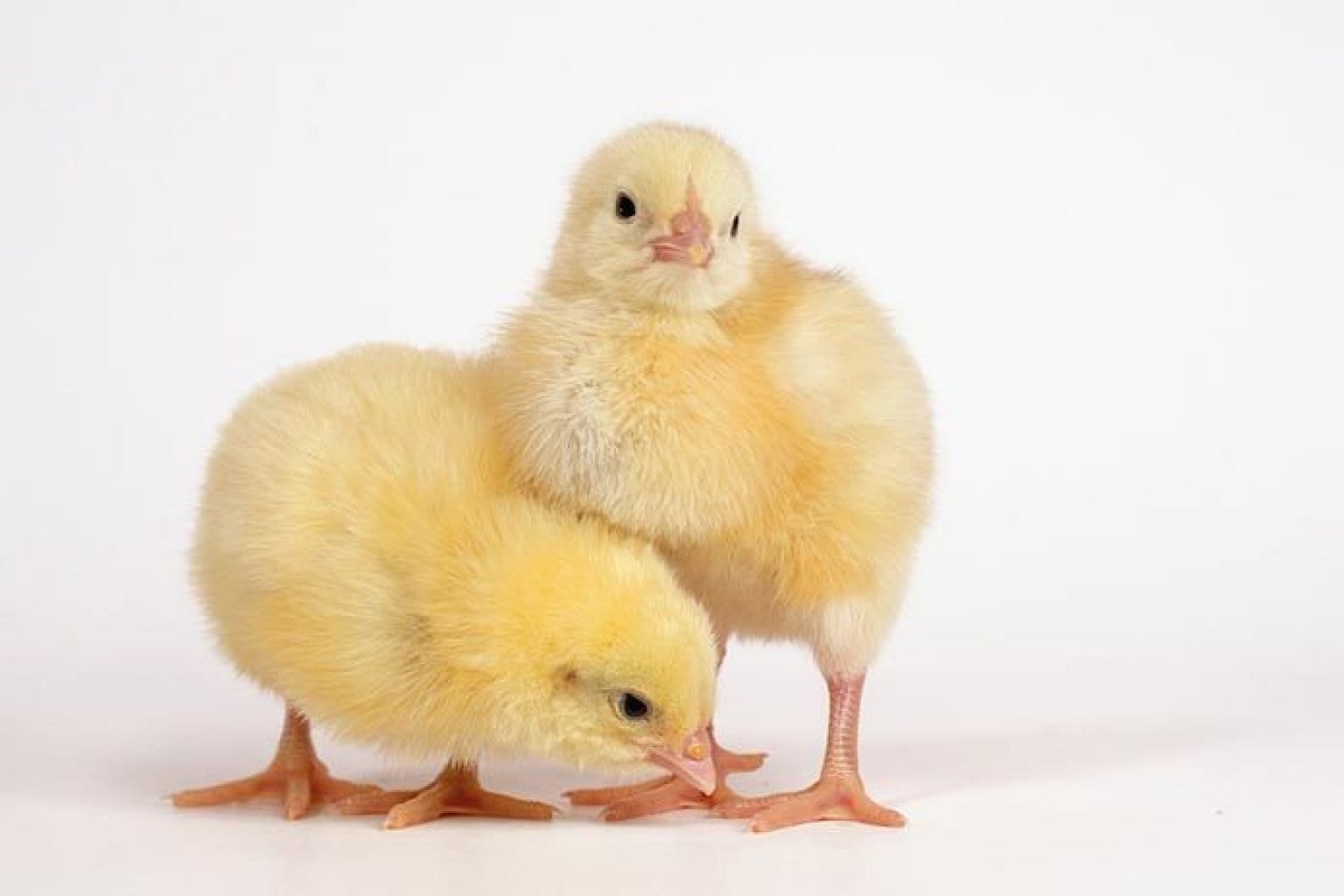
Day‑old chicks are the foundation of any poultry enterprise in Nigeria. They represent the initial investment for broiler or layer operations, and their quality and cost directly impact profitability. Prices of day‑old chicks fluctuate based on breed, producer reputation, location, season, and demand.
For both starter farmers and seasoned poultry producers, knowing current price levels and influencing factors is vital to accurate budgeting and operational planning. Poor purchasing choices at this stage can affect mortality rates, growth performance, and return on investment.
Understanding chick pricing is not just about comparing naira per bird. It involves evaluating the reputation and biosecurity of hatcheries, transportation and handling methods, vaccination status, breed performance characteristics, and after‑sales support such as advice or delivery services.
Seasonality also plays a role, with chicks often more expensive during festive seasons or disease outbreaks. Geographic distance from the hatchery can add transportation costs or risk of stress‑related mortality.
This article offers a structured insight into the factors influencing the price of day‑old chicks in Nigeria. It provides farmers with practical knowledge on typical price ranges, regional differences, breed comparisons, implications of bulk orders, and strategies for ensuring value‑for‑money purchases. The guide will help readers budget accurately, negotiate better rates, reduce losses, and improve overall farm productivity. The following sections explore base price ranges, how location affects cost, breed and quality considerations, bulk purchase benefits, and procuring healthy chicks reliably.
1. Typical Price Range of Day‑Old Chicks in Nigeria
The current price range of day‑old chicks in Nigeria varies between broiler and layer types, breeder reputation, and regional factors. For broiler chicks from reputable hatcheries, prices commonly range from one hundred and fifty naira to two hundred and fifty naira per chick. Layer chicks, which are more specialized and may include vaccination coverage like Marek’s and Newcastle, can range between one hundred and eight to two hundred and fifty naira.
Prices also shift with breed. Standard fast‑growth broiler breeds such as Cobb or Ross are priced higher than local or less established breeds. Layer chicks such as Lohmann Brown or Isa Brown carry a premium due to consistent laying performance. Hatcheries invest in quality breeding stock, vaccination protocols, and breeder management, and these costs are reflected in chick pricing.
These figures are averages and may increase under certain conditions. During festive periods or disease scares, demand spikes can push prices above two hundred and fifty naira. Conversely, when hatcheries run promos or have surplus stock, prices may fall to one-hundred-naira range. Small independent collectors may offer cheaper chicks, but they often carry higher disease risk or are untreated.
For budgeting purposes, farmers planning on acquiring one thousand broiler chicks should allow for at least one hundred fifty thousand naira in chick cost alone, excluding transportation, feeding, vaccination, and housing. Recognizing these baseline price ranges helps poultry producers plan with realistic expectations and compare offers effectively.
Read Also: Uses and Economic Importance of Plantain Peels
2. Influence of Location and Transportation Costs
Price differences for day‑old chicks across Nigeria are influenced significantly by location and transportation logistics. Hatcheries are concentrated in major poultry zones such as Lagos, Ogun, Oyo, Kaduna, Plateau, and Benue. Farmers located close to these regions benefit from lower delivery costs, faster transit times, and reduced stress‑related mortality in chicks.
When chicks are shipped over long distances, transportation costs and the need for transit boxes with heat‑retention contribute to higher prices. A farmer in northern Nigeria purchasing chicks from Lagos may pay an additional fifty to one hundred naira per chick to cover trucking, handling, fuel, and stress mitigation. The longer transit time may require more frequent restocking or staggered deliveries.
Extreme weather conditions like the harmattan cold or drying blistering ahead of the rainy season can raise transport risks. Hatcheries charge premiums during these periods to offset losses from convective shock. Conversely, during favorable seasonal conditions, transport surcharges may be minimal or shared between hatchery and farmer.
Farmers located near major roads, with good access, receive chicks fresher and cheaper. Urban and peri‑urban farmers in Lagos, Ibadan, or Abuja generally pay less per chick than someone ordering in Sokoto, Bauchi, or Yobe. Bulk orders (detailed later) can help offset distance costs by spreading transport charges across many birds.
Understanding transport influence allows farmers to identify cost‑effective hatchery‑farmer pairs and evaluate whether local, regional, or national chick suppliers provide the best value.
3. Breed, Vaccination, and Quality Differences
Not all day‑old chicks are created equal. Variation in breed genetics, vaccination protocols, breeder flock quality, and hatchery practices affects both price and chick performance. Broiler breeds like Cobb 500 and Ross 308 are in high demand and priced accordingly due to their rapid growth and feed conversion. Dual‑purpose or indigenous strains may cost less but mature slower and yield lower meat output.
Layer breeds also differ. Imported or premium strains such as ISA Brown or Lohmann Brown are more expensive but produce consistent egg numbers. Local or crossbred layers may be cheaper initially but yield less and may lay fewer eggs per year. Selecting breed should align with production goals—meat‑only, egg production, or both—while allowing for acceptable cost per chick.
Vaccination is another quality marker. Chicks pre‑vaccinated for Marek’s disease, Newcastle disease, infectious bronchitis, and Gumboro typically cost more but carry lower mortality risk, reducing long‑term replacement costs. Some hatcheries include health documentation and biosecurity certification in pricing, which adds trustworthiness.
Quality indicators also include chick uniformity (weight variation less than 10 percent), activity upon arrival, closed navel and cord, clear eyes, and clean down. Hatcheries enforcing strict brooding and hatch‑window control deliver better‑quality chicks at higher price points. Farmers should balance upfront cost against expected performance and survival to make cost‑effective decisions.
4. Advantages of Bulk Purchase and Cooperative Buying
Poultry farmers in Nigeria often benefit from bulk purchase discounts and collective buying through cooperatives. When chick orders exceed certain thresholds—commonly five thousand chicks—hatcheries may offer price cuts of ten to twenty naira per chick. Inclusive delivery, vaccination booster packs, and initial technician set‑up are sometimes provided at no extra cost.
In a cooperative scenario, ten farmers each ordering one thousand chicks but delivered in one batch are treated as a bulk order. The cost saving from bulk pricing can reach over two hundred thousand naira for every ten thousand chicks. Shared cost not only lowers chick price but supports logistics efficiency, since transport cost per bird drops.
Cooperative buying also enables producers to negotiate added services such as farm‑visit training, free feed samples, or early‑warning alerts for disease or feed shortages. Hatcheries view such organized groups as long‑term partners and may provide preferential scheduling during peak seasons.
Farmers should assess whether bulk demand matches their capacity to manage chicks. Overstocking can lead to high mortality if brooding facilities are inadequate. But when managed properly, bulk buying improves financial planning, reduces per‑unit chick cost, and encourages shared learning among cooperative members.
5. Strategies for Ensuring Value for Money in Chick Purchase
To maximize return on investment, farmers should adopt strategies aimed at securing quality day‑old chicks at reasonable prices. First, always source from reputable hatcheries with biosecure facilities rather than roadside collectors. Visit their farm, inspect hygiene standards, vaccination procedures, parent stock performance, and chick uniformity to confirm quality.
Second, request sample documentation. Reliable hatcheries provide vaccination records, breeder flock age, hatch date, and even mortality rates at day 1 and 7. Comparing these sheets helps identify consistent suppliers, even if chick price is slightly higher.
Third, schedule delivery during favorable weather and morning hours to avoid heat or stress. Ask whether the hatchery provides insulated transit crates and temperature support, especially under harmattan or peak summer heat.
Fourth, join or create cooperative buying networks. Bulk orders reduce shipping cost per chick and improve pricing leverage. Prioritize shared logistics to ensure timely delivery and reduce handling time.
Fifth, monitor first week mortality. If chick losses exceed 5 to 7 percent within seven days, investigate delivery or vaccination quality. Reputable suppliers may offer replacements or refunds under guaranteed mortality thresholds.
Lastly, budget transport and brooding costs alongside chick price when calculating break‑even cost per bird. Factoring these expenses ensures realistic planning and avoids surprises. With careful sourcing, quality focus, and strategic purchase planning, Nigerian poultry farmers can get high performing chicks without overstretching their budget.
Read Also: How to generate money from human waste
- AuthorPosts
- You must be logged in to reply to this topic.