



Public Group
Active 1 year, 3 months ago
Group Leadership
- Group Administrators
-

Pest and Disease Control Community
Crop Scouting Techniques for Early Pest Detection
- This topic is empty.
- AuthorPosts
- July 27, 2026 at 10:49 am #793140
 Agric4ProfitsModerator
Effective crop scouting forms the foundation of successful pest management, providing the early warning system that allows farmers to intervene while pest populations remain small and manageable rather than discovering significant damage only after populations have grown substantially.
Many farmers scout inconsistently or without a systematic approach, missing developing pest problems that a more structured scouting technique would have caught earlier, when intervention options are typically more effective and less costly.
This article covers practical crop scouting techniques for early pest detection, from establishing systematic field patterns to using simple monitoring tools that extend detection capability beyond what visual inspection alone can achieve.
Whether you scout a small garden plot or larger commercial fields, developing strong, systematic scouting habits will help you catch pest problems early and make more informed, timely pest management decisions throughout the growing season.
1. Establish a Systematic Field Walking Pattern
Walking fields in a consistent, systematic pattern, such as a zigzag or W-shaped path across the field, ensures scouting coverage extends beyond just the easily accessible edges and captures conditions throughout the entire planting area.
Following the same general pattern during each scouting visit also builds familiarity with specific field areas over time, helping farmers notice when conditions in a particular section begin deviating from what they have observed there previously.
2. Scout at Consistent, Appropriate Frequency
Scouting frequency should be matched to crop growth stage and known regional pest pressure, with more vulnerable periods like seedling establishment and flowering generally warranting more frequent monitoring than less critical growth stages.
Establishing a consistent scouting schedule, rather than only checking fields when time allows or when a problem is already suspected, builds the systematic observation habit that catches problems in their earliest, most manageable stages.
Scouting Frequency by Crop Growth Stage
Growth Stage Recommended Frequency Priority Focus Seedling establishment Every 2 to 3 days Cutworms, damping off, early pests Vegetative growth Weekly General pest and disease monitoring Flowering and fruiting Twice weekly Pests affecting yield formation Pre-harvest Weekly Quality preserving pest issues 3. Inspect a Representative Sample of Plants
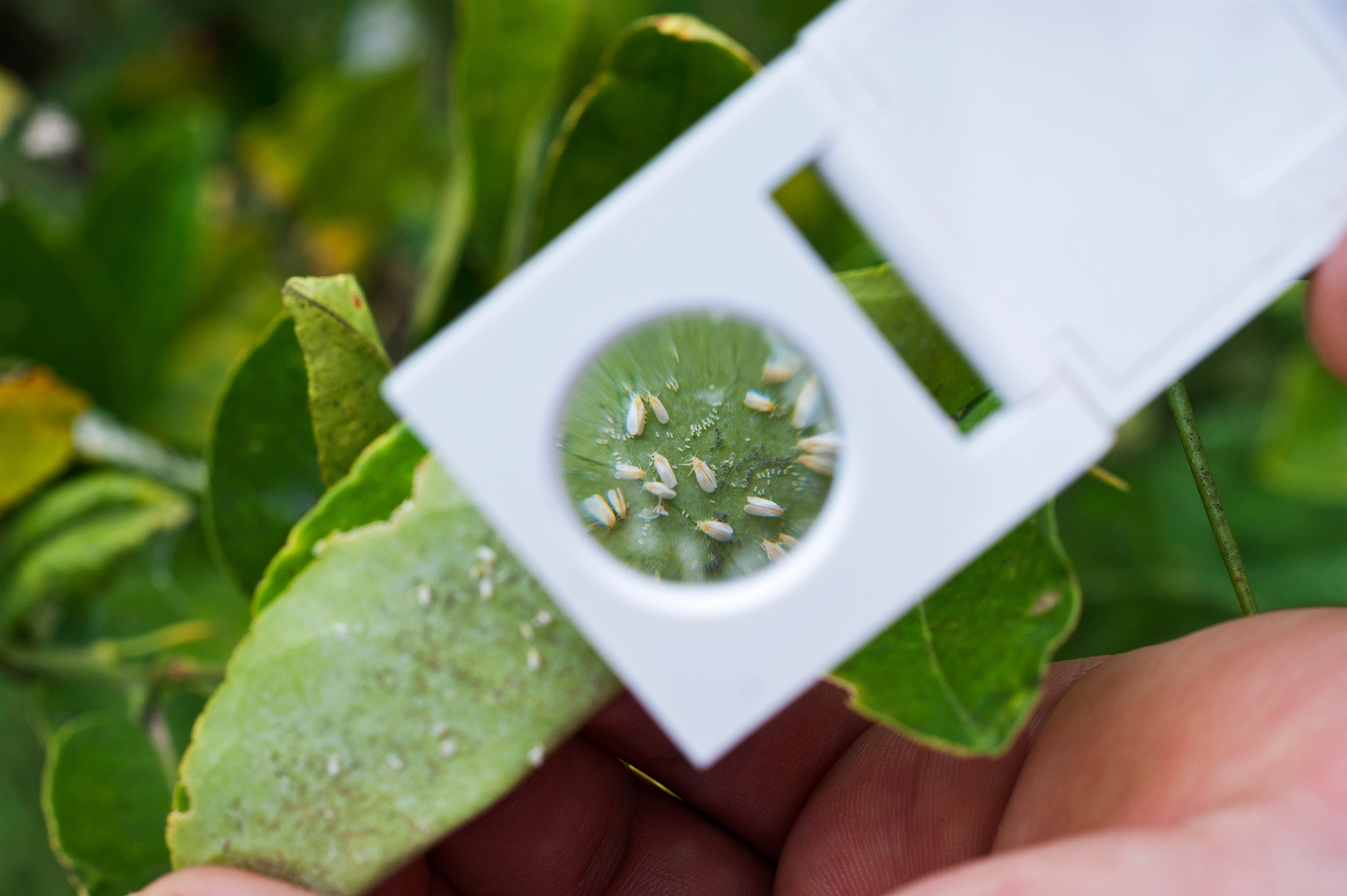
Rather than only glancing at plants while walking through, stopping to closely inspect a representative sample at multiple points throughout the field, including checking leaf undersides and new growth, provides much more reliable pest detection than surface level observation alone.
Sampling at consistent intervals, such as every tenth or twentieth plant along the scouting path, provides a systematic approach that balances thoroughness with the practical time constraints of scouting larger plantings.
Read Also: how to prevent leaf blight naturally
4. Use Monitoring Tools to Extend Detection Capability
Yellow and blue sticky traps placed throughout a field help monitor flying insect pest activity between scouting visits, providing valuable data on population trends that might not be apparent from visual inspection alone during any single scouting session.
Pheromone traps, where available for specific pest species of concern, offer particularly valuable early warning by detecting adult pest activity before egg laying leads to the larval stages that typically cause the most direct crop damage.
Scouting Tools and Their Applications
Tool Primary Use Best For Hand lens Close inspection of small pests Confirming pest identification Yellow sticky traps Monitoring flying insect activity General flying pest trends Pheromone traps Species-specific adult monitoring Early warning for known threats Scouting log or app Recording observations over time Pattern recognition across seasons 5. Record Observations Systematically
Keeping a scouting log, even simple notes about pest presence, location within the field, and severity, creates a valuable record that supports both immediate decision making and longer term pattern recognition across multiple seasons.
Recording both positive findings and confirmation that fields appear pest free during a given scouting visit provides a complete picture, helping distinguish between fields that are genuinely low risk and those that simply have not been checked recently.
6. Train Additional Scouts to Extend Coverage
For larger operations, training farm workers to recognize common pest signs and follow consistent scouting protocols extends monitoring capacity beyond what a single person can achieve alone, particularly valuable during especially vulnerable growth periods.
Providing simple reference materials or photos of common pest damage signs helps ensure consistency in what different scouts are trained to recognize and report, supporting reliable detection regardless of who is conducting a particular scouting visit.
Frequently Asked Questions
- What is the best pattern for walking fields during scouting?
A systematic zigzag or W-shaped path across the field ensures scouting coverage extends beyond easily accessible edges and captures conditions throughout the entire planting area.
- How often should crops be scouted for pest problems?
Frequency should match crop growth stage and pest pressure, with vulnerable periods like seedling establishment and flowering generally warranting more frequent monitoring than other stages.
- Why is inspecting leaf undersides important during scouting?
Many pests and their eggs first appear on leaf undersides, making thorough inspection beyond surface level observation much more reliable for early detection than glancing while walking.
- How do sticky traps support crop scouting efforts?
Yellow and blue sticky traps help monitor flying insect pest activity between scouting visits, providing valuable population trend data that visual inspection alone might miss.
- What is the value of keeping a scouting log?
A scouting log creates a valuable record supporting both immediate decision making and longer term pattern recognition, helping identify recurring problem areas or timing across seasons.
- Are pheromone traps useful for crop scouting?
Yes, pheromone traps offer valuable early warning by detecting adult pest activity before egg laying leads to the larval stages that typically cause the most direct crop damage.
- Can training farm workers improve scouting effectiveness?
Yes, training additional scouts extends monitoring capacity beyond a single person, particularly valuable for larger operations during especially vulnerable growth periods.
- Should scouting records include fields that appear pest free?
Yes, recording both positive findings and pest free confirmations provides a complete picture, helping distinguish genuinely low risk fields from those simply not recently checked.
- What tool helps identify very small pests during scouting?
A basic hand lens or magnifying glass helps farmers spot very small pests or early damage signs that are difficult to see with the naked eye during field inspection.
- How does sampling representative plants improve scouting accuracy?
Stopping to closely inspect a representative sample at consistent intervals, rather than only glancing while walking, provides much more reliable pest detection than surface level observation.
Effective crop scouting depends on systematic patterns, appropriate frequency, thorough inspection technique, and consistent record keeping working together to provide reliable early pest detection. These habits become increasingly valuable with practice, helping farmers catch problems while they remain manageable. What scouting techniques have worked best for early pest detection on your farm? Share your approach with the Agric4Profits farming community.
- AuthorPosts

- You must be logged in to reply to this topic.