


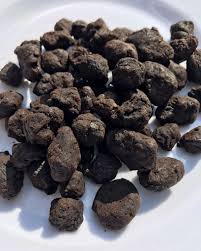
Ogiri Okpei is a traditional condiment used in some traditional cuisine. It is a seasoning made from fermented oilseeds or legumes such as sesame seeds, melon seeds, or soybeans.
To make Ogiri Okpei, the oilseeds or legumes are first washed and then boiled until they become soft. The softened seeds are then mashed or ground into a paste and mixed with salt.
The mixture is then left to ferment for several days or weeks, depending on the desired level of fermentation. During the fermentation process, the mixture develops a pungent aroma and flavor.
Ogiri Okpei is commonly used to add flavor to soups, stews, and sauces in cuisine. It is particularly popular in dishes such as Egusi soup, Okra soup, and Oha soup.
The strong flavor of Ogiri Okpei can be an acquired taste for some, but it is a beloved ingredient in cooking. It is also sometimes used as a substitute for other fermented condiments, such as fermented locust beans (iru) or fermented soybeans (dawadawa).
Read Also: Comprehensive Amazing Health Benefits of Cauliflower
Description of Ogiri Okpei
Ogiri Okpei is a traditional Nigerian seasoning or condiment made from fermented oilseeds or legumes. It is commonly used in Nigerian cuisine, particularly in the eastern and southern parts of the country.
The appearance of Ogiri Okpei can vary depending on the type of oilseed or legume used to make it, but it is typically a dark brown paste with a thick and sticky texture. It has a pungent aroma that can be described as earthy, smoky, and slightly sweet.
The flavor of Ogiri Okpei is strong and complex, with a slightly sour, umami taste. It is a key ingredient in many Nigerian soups and stews, adding depth and richness to the dish. However, its strong flavor may not be appealing to everyone, and it can take some time to develop a taste for it.
Ogiri Okpei is a fermented food, which means that it is rich in beneficial bacteria that can aid in digestion and improve gut health. It is also a good source of protein, fiber, and essential minerals. Overall, Ogiri Okpei is a unique and flavorful seasoning that is an important part of Nigerian culinary culture.
18 Health Benefits of Ogiri Okpei

Ogiri Okpei is a traditional seasoning used in many cuisines, particularly those of the Igbo tribe. It is made from fermented oilseeds or nuts, such as sesame seeds, fluted pumpkin seeds, or African oil bean seeds. Below are 18 common health benefits of Ogiri Okpei:
1. Boosts the immune system: Ogiri Okpei contains beneficial bacteria and enzymes that can help strengthen the immune system.
2. Promotes digestion: The probiotics in Ogiri Okpei help to promote healthy digestion by breaking down food and aiding in the absorption of nutrients.
3. Enhances flavor: Ogiri Okpei is a flavorful seasoning that can be used in various dishes, enhancing the taste of food.
4. Rich in protein: The fermented oilseeds in Ogiri Okpei are rich in protein, which is essential for building and repairing muscles.
5. Contains antioxidants: Ogiri Okpei contains antioxidants that help to protect the body from damage caused by free radicals.
6. Source of vitamins: Ogiri Okpei contains vitamins such as vitamin B and E, which are important for overall health.
7. Aids in weight loss: Ogiri Okpei can help to promote weight loss by increasing satiety and reducing cravings for unhealthy foods.
8. Regulates blood sugar: The fermented oilseeds in Ogiri Okpei can help to regulate blood sugar levels, making it a great option for those with diabetes.
9. Lowers cholesterol: Ogiri Okpei has been shown to lower LDL cholesterol levels, reducing the risk of heart disease.
10. Prevents constipation: The probiotics in Ogiri Okpei can help to prevent constipation by improving bowel regularity.
11. Anti-inflammatory properties: Ogiri Okpei has anti-inflammatory properties that can help to reduce inflammation in the body, which is linked to many chronic diseases.
12. Supports bone health: Ogiri Okpei is a good source of calcium, which is important for strong bones.
13. Boosts energy: The protein and vitamins in Ogiri Okpei can help to boost energy levels and fight fatigue.
14. Anti-cancer properties: Ogiri Okpei contains compounds that have been shown to have anti-cancer properties.
15. Good for the skin: The antioxidants in Ogiri Okpei can help to protect the skin from damage caused by free radicals, promoting healthy skin.
16. Improves heart health: Ogiri Okpei has been shown to improve heart health by reducing blood pressure and cholesterol levels.
17. Promotes mental health: The vitamins and minerals in Ogiri Okpei can help to promote good mental health and reduce the risk of depression and anxiety.
18. Supports overall health: Ogiri Okpei is a nutrient-dense food that can help to support overall health and well-being.
Read Also: How to Grow Herbs and Spices in Urban Areas
Uses of Ogiri Okpei
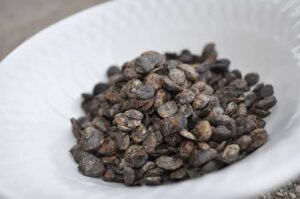
Ogiri Okpei is a traditional Nigerian condiment made from fermented oil seeds or nuts. It is a popular ingredient in West African cuisine, particularly in Nigeria, and is used to add flavor and depth to soups, stews, and sauces. Below are some common uses of Ogiri Okpei:
Soups and stews: Ogiri Okpei is commonly added to soups and stews to give them a rich, earthy flavor. It is especially popular in soups such as Egusi soup, Bitterleaf soup, and Oha soup.
Sauces: Ogiri Okpei can also be used to make sauces for dishes such as Jollof rice or fried rice. It adds a unique flavor to the sauce that complements the other ingredients.
Seasoning: Ogiri Okpei can be used as a seasoning for meat, fish, and vegetables. It can be added to marinades or rubs to give them an extra burst of flavor.
Garnish: Ogiri Okpei can be used as a garnish for certain dishes, especially those made with beans. It is often sprinkled on top of dishes such as Akara (bean cakes) or Moi Moi (bean pudding) to add an extra layer of flavor.
Additionally, Ogiri Okpei is a versatile ingredient that can be used in a variety of dishes to add flavor and depth. It is an essential ingredient in many traditional West African dishes and is enjoyed by people all over the world.
How to make Ogiri Okpei

Ogiri Okpei is a fermented condiment used in Nigerian cooking, particularly in soups and stews. It is typically made from a combination of fermented oil seeds, spices, and other ingredients. The following is a general recipe for making Ogiri Okpei:
Ingredients:
• 2 cups of sesame seeds
• 1 cup of crayfish
• 2 cups of ugba (ukpaka)
•1 tablespoon of salt
• 1 tablespoon of potash (food tenderizer)
• Banana leaves (optional)
Instructions:
1. Rinse the sesame seeds and ugba in water and soak them separately in water for 2 days. Change the water every 12 hours.
2. On the third day, pound the sesame seeds in a mortar until the oil starts to come out. You can also use a blender or food processor.
3. Sift the pounded sesame seeds to separate the chaff from the oil.
4. Pound the crayfish in a mortar until it becomes powdery.
5. Dissolve the potash in a little water and sieve it to remove impurities.
6. Mix the sesame seed oil, pounded crayfish, ugba, and salt together in a large bowl or pot.
7. Gradually add the potash water and mix everything together thoroughly.
8. Cover the mixture with banana leaves (if using) and leave it to ferment for 2-3 days. The banana leaves help to trap the fermentation gases and give the ogiri a distinctive flavor.
9. After 2-3 days, remove the banana leaves and scoop the ogiri into a clean container.
10. Store the ogiri in the refrigerator until you are ready to use it.
Note: The proportions of the ingredients can vary depending on the desired taste and consistency. Some people also add other ingredients such as locust beans, ginger, garlic, or onion to their ogiri.
Scientific Evidence and Case Studies on Ogiri Okpei
1. Enhanced protein content and digestibility: Fermentation increases crude protein levels (often 14-26% depending on seed source) and improves digestibility by breaking down anti-nutrients and enhancing nutrient bioavailability.
2. Improved antioxidant activity: Fermented products show elevated antioxidant composition from microbial activity, helping protect against oxidative stress and free radical damage.
3. Probiotic and gut health support: The fermentation introduces beneficial bacteria that promote digestion, reduce constipation, aid nutrient absorption, and support overall gut microbiota balance.
4. Nutrient enrichment during fermentation: Studies indicate increases in vitamins (like B vitamins), minerals, and amino acids, with transformations in fatty acids and minerals contributing to better nutritional profile.
5. Antimicrobial properties: Developed compounds during fermentation exhibit activity against pathogens, supporting food safety and traditional health uses.
Nutritional Value Of Ogiri Okpei
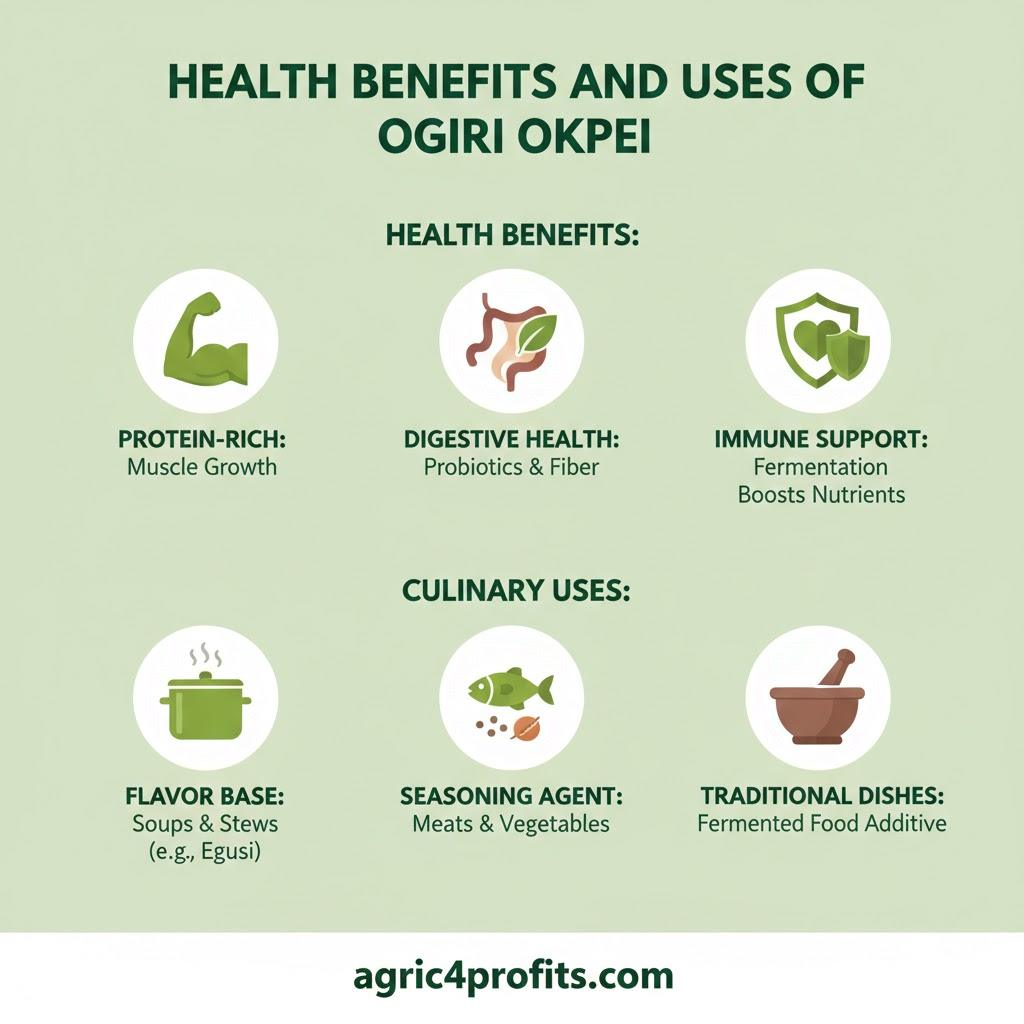
1. High protein content: Rich in plant-based protein (typically 14-26% or higher post-fermentation), essential for muscle repair, growth, and as a dietary protein source in traditional diets.
2. Good source of healthy fats: Contains moderate fats and fatty acids (including from oilseeds), providing energy and supporting cell function, with fermentation influencing lipid profiles.
3. Dietary fiber: Offers fiber that aids digestion, promotes bowel regularity, prevents constipation, and helps regulate blood sugar and cholesterol.
4. Essential minerals: Supplies key minerals like calcium (for bone health), iron, potassium, magnesium, zinc, and others, contributing to metabolic functions, blood health, and overall wellness.
5. Vitamins: Includes B vitamins (enhanced by fermentation) and traces of vitamin E, supporting energy production, immune function, and antioxidant protection.
6. Antioxidants and bioactive compounds: Contains antioxidants that combat free radicals, along with probiotics from fermentation that boost gut health and immunity.
7. Carbohydrates and energy value: Provides carbohydrates (variable, often higher in some seed types) and high energy density (around 350-600 kcal/kg in similar condiments), for sustained energy.
Summary of Ogiri Okpei
| Aspect | Details |
|---|---|
| Common Names | Ogiri Okpei, Ogiri (general term for fermented condiments) |
| Botanical Source | Fermented oilseeds/legumes such as sesame seeds, castor seeds, melon seeds (egusi), fluted pumpkin seeds, African oil bean, or combinations |
| Origin/Appearance | Traditional Nigerian (especially Igbo/eastern/southern) condiment; dark brown, thick, sticky paste with pungent, earthy, smoky, slightly sweet aroma and strong umami, sour flavor |
| Preparation Process | Seeds washed/soaked, boiled/softened, mashed/ground into paste, mixed with salt/potash/crayfish/ugba, wrapped in leaves (e.g., banana) for fermentation (2-3 days or more), then stored |
| Key Health Benefits | Boosts immunity, promotes digestion/gut health (probiotics), rich in protein/antioxidants/vitamins/minerals, aids weight loss, regulates blood sugar/cholesterol, anti-inflammatory, supports bone/heart/skin/mental health, potential anti-cancer properties, prevents constipation, boosts energy |
| Culinary Uses | Seasoning for soups (egusi, bitterleaf, oha), stews, sauces (jollof/fried rice), meat/fish/vegetable dishes, marinades, garnishes (akara, moi moi); adds rich, earthy depth; substitute for iru or dawadawa |
| Nutritional Highlights | High protein, fats, fiber, minerals (calcium, iron, potassium), vitamins (B, E), antioxidants; fermentation enhances digestibility, probiotics, and nutrient bioavailability |
| Precautions | Strong, acquired taste; use in moderation; ensure proper fermentation to avoid contamination; not suitable for everyone due to intensity |
Frequently Asked Questions About Ogiri Okpei
1. What is Ogiri Okpei made from?
It is made from fermented oilseeds or legumes like sesame seeds, castor seeds, melon seeds (egusi), or combinations, often with additions like crayfish, ugba, salt, and potash.
2. How is Ogiri Okpei prepared traditionally?
Seeds are soaked, pounded or ground, mixed with ingredients like salt and potash, wrapped in leaves, and fermented for days to develop its pungent flavor and texture.
3. What does Ogiri Okpei taste like?
It has a strong, pungent, earthy, smoky, slightly sweet aroma with a complex umami and sour taste—intense and acquired for many.
4. How is Ogiri Okpei used in cooking?
Added in small amounts to soups (egusi, bitterleaf, oha), stews, sauces, rice dishes, meats, fish, vegetables, marinades, or as a garnish for bean-based foods like akara or moi moi.
5. What are the main health benefits of Ogiri Okpei?
It supports digestion and gut health via probiotics, provides protein and minerals, boosts immunity and energy, regulates blood sugar/cholesterol, offers antioxidants, and has anti-inflammatory effects.
6. Is Ogiri Okpei good for digestion?
Yes, its probiotics and fiber promote healthy digestion, nutrient absorption, bowel regularity, and help prevent constipation.
7. Does Ogiri Okpei support heart health?
It may help by lowering cholesterol, providing healthy fats, and minerals like potassium for blood pressure regulation.
8. Can Ogiri Okpei help with diabetes?
In moderation, its fiber, protein, and fermented properties can aid blood sugar regulation.
9. Are there any side effects of Ogiri Okpei?
Its strong flavor may not appeal to all; excessive use could cause digestive discomfort in sensitive people; ensure hygienic preparation to avoid issues.
10. How should Ogiri Okpei be stored?
Store in an airtight container in the refrigerator to maintain freshness and prevent spoilage.
Do you have any questions, suggestions, or contributions? If so, please feel free to use the comment box below to share your thoughts. We also encourage you to kindly share this information with others who might benefit from it. Since we can’t reach everyone at once, we truly appreciate your help in spreading the word. Thank you very much for your support and for sharing!
Disclaimer: This article is for educational and informational purposes only. The health benefits described are based on scientific research and traditional knowledge. They ayre not a substitute for professional medical advice, diagnosis, or treatment. Always consult a healthcare professional before using any herb or natural remedy for medical purposes.
Read Also: How Tuition Tax Credits Can Help You Save Thousands of Dollars