


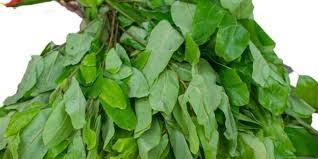
Oha leaves, also known as Pterocarpus mildbraedii or ora leaves, are a popular vegetable used in traditional Nigerian cuisine. The leaves come from the Oha tree, which is native to tropical West Africa.
Oha leaves are highly nutritious and are a good source of vitamins and minerals, including vitamin C, vitamin A, calcium, and iron. They are also rich in antioxidants and have anti-inflammatory properties.
In Nigerian cuisine, Oha leaves are typically used to prepare a soup called Oha soup. The soup is made by cooking meat or fish with a variety of vegetables and spices, including Oha leaves. The leaves are added towards the end of the cooking process and give the soup a distinct flavor and aroma.
Oha leaves are also used in traditional medicine for their various health benefits. They are believed to help improve digestion, boost the immune system, and reduce inflammation.
Also, Oha leaves are a nutritious and flavorful addition to any diet and are a staple ingredient in Nigerian cuisine.
Read Also: How to Ensure Sustainable Egg Production
Description of Oha Leaves
The leaves are highly nutritious and are a good source of vitamins and minerals, including vitamin C, vitamin A, calcium, and iron. They are also rich in antioxidants and have anti-inflammatory properties.
In Nigerian cuisine, Oha leaves are typically used to prepare a soup called Oha soup. The leaves are added towards the end of the cooking process and give the soup a distinct flavor and aroma.
Additionally, Oha leaves are a nutritious and flavorful addition to any diet and are highly valued in Nigerian cuisine for their unique taste and health benefits.
Health Benefits of Oha Leaves
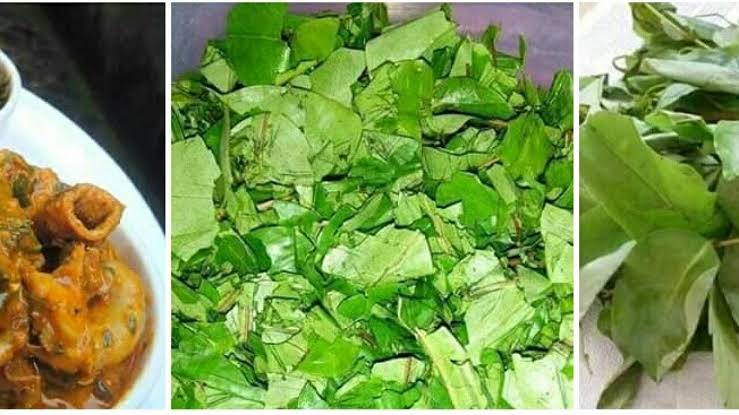
Boosts Immunity: Oha leaves contain high levels of antioxidants, which can help boost the immune system and protect the body against various diseases.
Lowers Blood Pressure: Oha leaves are rich in potassium, which helps to lower blood pressure and reduce the risk of heart disease.
Reduces Inflammation: Oha leaves have anti-inflammatory properties that can help to reduce inflammation and relieve pain in the body.
Improves Digestion: Oha leaves contain fiber, which can improve digestion and prevent constipation.
Supports Bone Health: Oha leaves are rich in calcium, which is important for strong and healthy bones.
Helps with Anemia: Oha leaves are high in iron, which is essential for the production of red blood cells and can help prevent anemia.
Anti-cancer Properties: Studies have suggested that Oha leaves may have anti-cancer properties, which can help prevent the growth and spread of cancer cells.
Anti-bacterial Properties: Oha leaves have been traditionally used to treat bacterial infections, and studies have shown that they may have antibacterial properties.
Reduces the Risk of Cardiovascular Disease: Oha leaves contain antioxidants and potassium, which can help reduce the risk of cardiovascular disease.
Treats Malaria: Oha leaves have been traditionally used to treat malaria, and studies have shown that they may have anti-malarial properties.
Anti-diabetic Properties: Studies have suggested that Oha leaves may have anti-diabetic properties, which can help regulate blood sugar levels.
Promotes Healthy Skin: Oha leaves contain vitamin C, which is essential for healthy skin and can help reduce the signs of aging.
Relieves Stress: Oha leaves contain magnesium, which can help reduce stress and anxiety.
Promotes Healthy Hair: Oha leaves contain vitamin A, which is essential for healthy hair and can help prevent hair loss.
Improves Cognitive Function: Oha leaves contain nutrients that can help improve cognitive function and prevent age-related cognitive decline.
Read Also: Benefits of Snail Farming as a Lucrative Business
Uses of Oha Leaves
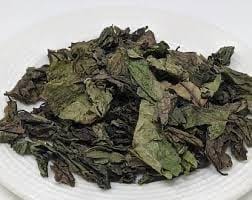
Culinary Uses
• Oha leaves are commonly used in Nigerian cuisine, particularly in the Eastern part of the country, to prepare soups and stews.
• They are typically added to soups like Oha soup, Egusi soup, and Vegetable soup to add flavor and nutrition.
• Oha leaves can also be used to make tea, which is believed to have a variety of health benefits.
Medicinal Uses
• Oha leaves have been traditionally used in Nigerian traditional medicine to treat a variety of ailments, including fever, malaria, stomachaches, and diarrhea.
• They are also used to treat coughs, colds, and respiratory infections.
• Oha leaves have anti-inflammatory and antibacterial properties that can help reduce inflammation, relieve pain, and fight bacterial infections.
• Some studies have suggested that oha leaves may have anti-cancer properties.
• Oha leaves are also believed to have antioxidant properties that can help boost the immune system and protect against chronic diseases.
In addition, oha leaves are a versatile ingredient with a variety of culinary and medicinal uses.
Nutritional Value of Oha Leaves

Vitamins: Oha leaves are a rich source of vitamins, including vitamin A, vitamin C, and vitamin E. Vitamin A is essential for healthy eyesight, while vitamin C is important for immune function and skin health. Vitamin E is an antioxidant that helps protect the body against damage from free radicals.
Minerals: Oha leaves are high in minerals, including calcium, potassium, and iron. Calcium is important for strong bones and teeth, while potassium helps regulate blood pressure and supports heart health. Iron is essential for the production of red blood cells and helps prevent anemia.
Fiber: Oha leaves contain fiber, which is important for digestive health and can help prevent constipation.
Antioxidants: Oha leaves are a rich source of antioxidants, which help protect the body against damage from free radicals and may reduce the risk of chronic diseases like cancer and heart disease.
The article is about Oha leaves (also known as Ora leaves), from the tree Pterocarpus mildbraedii (or closely related species like Pterocarpus soyauxii), a popular leafy vegetable in Nigerian (especially Igbo) cuisine, valued for its nutrient density, unique flavor in soups, and traditional medicinal uses.
Scientific Evidence and Case Studies on Oha Leaves
1. Nutrient retention and antioxidant enhancement: Cooking (decoction) of Oha leaves minimally affects vitamins and phytochemicals while increasing antioxidant capacity, ash, Mg, and P levels, supporting its role in managing oxidative stress-related conditions.
2. Proximate and mineral composition benefits: Leaves are high in crude protein (up to 29.5%), fiber (17.2%), and minerals like Ca, Fe, Mg, Zn, with no toxic elements (Cr, Pb absent), providing evidence for nutritional support in anemia, bone health, and overall wellness.
3. Hematological effects: Crude extracts increase red/white blood cells and hemoglobin in animal models, indicating potential for anemia treatment and blood health improvement.
4. Phytochemical presence for medicinal properties: Contains flavonoids, tannins, saponins, alkaloids, and polyphenols with antioxidant, anti-inflammatory, and antimicrobial activities, justifying traditional uses against infections and inflammation.
5. Potential estrogenic and antioxidant effects: Aqueous extracts from related Pterocarpus species show estrogenic activity and free radical scavenging in models, suggesting benefits for postmenopausal symptoms and oxidative protection.
Nutritional Value Of Oha Leaves
Oha leaves (Pterocarpus mildbraedii or soyauxii) are nutrient-dense (approximate values per 100g dry/edible portion from studies):
1. Crude protein: High at 25-29.5%, providing essential amino acids for tissue repair, growth, and energy support.
2. Dietary fiber: Around 7-17%, aiding digestion, preventing constipation, and promoting gut health.
3. Vitamin C: Significant (0.447 mg/g or higher), boosting immunity, collagen production, and antioxidant defense.
4. Vitamin A: About 0.204 mg/g (as carotenoids), supporting vision, skin health, and immune function.
5. Iron: Notable levels (up to 4.7mg/100g), helping prevent anemia and support oxygen transport/red blood cell formation.
6. Calcium and magnesium: Rich sources for bone/teeth strength, muscle function, and cardiovascular health.
7. Other minerals and low calories: Includes potassium (for blood pressure), zinc, manganese, and low energy (around 57 kcal/100g fresh), with antioxidants for cellular protection.
Summary of Oha Leaves
| Aspect | Description |
|---|---|
| What are Oha Leaves | Green, slightly rough, aromatic leaves (10-15cm) from Pterocarpus mildbraedii (or soyauxii) tree, native to tropical West Africa; known as Oha/Ora in Igbo Nigerian cuisine; mint-basil-like aroma; evergreen tree vegetable. |
| Nutritional Highlights | High protein (25-29%), fiber, vitamins A/C, iron, calcium, magnesium, potassium, zinc; antioxidants and phytochemicals; low calories, supports broad health. |
| Key Health Benefits | Boosts immunity (antioxidants/vitamin C), lowers blood pressure (potassium), reduces inflammation/pain, improves digestion/prevents constipation (fiber), supports bone health (calcium), fights anemia (iron), potential anti-cancer/antibacterial/anti-diabetic/malaria properties, promotes skin/hair health, relieves stress (magnesium), improves cognitive function, reduces cardiovascular risk. |
| Common Uses | Culinary: In soups/stews like Oha soup, Egusi soup, vegetable soup (added late for flavor); tea infusions; Medicinal: Traditional treatment for fever, malaria, stomachaches, diarrhea, coughs, colds, respiratory issues, infections, pain, anemia; boosts overall wellness. |
| Preparation Methods | Wash, shred thinly, add near end of cooking in soups with meat/fish/vegetables/spices; brew as tea; can be fresh or dried. |
| Precautions | Generally safe; high fiber may cause bloating if excessive; wash thoroughly; no major side effects noted, but moderate use advised. |
| Overall | Nutritious, flavorful West African leafy green with strong traditional value in Nigerian (Igbo) cuisine and medicine; evidence supports nutritional/antioxidant benefits for immunity, digestion, heart, bones, and more. |
Frequently Asked Questions About Oha Leaves
1. What are Oha leaves and their scientific name?
Oha leaves (also Ora) come from Pterocarpus mildbraedii (or related species like soyauxii), a tropical tree native to West Africa, popular in Nigerian Igbo cuisine.
2. What are the main health benefits of Oha leaves?
They boost immunity, aid digestion, lower blood pressure, reduce inflammation, support bone health, fight anemia, promote skin/hair, relieve stress, and offer potential anti-cancer, antibacterial, anti-diabetic, and anti-malarial effects.
3. How do Oha leaves help with digestion?
High fiber content improves digestive function, prevents constipation, and helps push out food residue easily for better gut health.
4. Are Oha leaves good for anemia?
Yes, rich iron supports red blood cell production and hemoglobin, with studies showing increased blood cells in models.
5. Can Oha leaves lower blood pressure?
Yes, potassium content helps regulate blood pressure and reduces heart disease risk.
6. How is Oha leaves typically used in cooking?
Shredded and added late to soups/stews like Oha soup, Egusi, or vegetable soup to preserve flavor, aroma, and nutrients; often with meat, fish, or spices.
7. Does Oha leaves have anti-inflammatory properties?
Yes, anti-inflammatory compounds help relieve pain and inflammation, supported by traditional and phytochemical evidence.
8. Is Oha leaves safe for everyone?
Generally yes in moderation; high fiber may cause mild bloating; wash well; beneficial during pregnancy for nutrients like iron/calcium.
9. What nutrients stand out in Oha leaves?
High protein, fiber, vitamins A/C, iron, calcium, magnesium, potassium, zinc, and antioxidants for broad nutritional support.
10. Can Oha leaves help with diabetes?
Potentially yes, as fiber and compounds may regulate blood sugar and prevent glucose spikes, per some studies and traditional uses.
Do you have any questions, suggestions, or contributions? If so, please feel free to use the comment box below to share your thoughts. We also encourage you to kindly share this information with others who might benefit from it. Since we can’t reach everyone at once, we truly appreciate your help in spreading the word. Thank you very much for your support and for sharing!
Disclaimer: This article is for educational and informational purposes only. The health benefits described are based on scientific research and traditional knowledge. They ayre not a substitute for professional medical advice, diagnosis, or treatment. Always consult a healthcare professional before using any herb or natural remedy for medical purposes.