


Cumin seeds (Cuminucum Cyminum) also known as cumin, are used widely in Indian cuisine as well as that of other Asian, African, and Latin American nations.
Because of its powerful aroma, cumin essential oil is sometimes employed in recipes in addition to cumin seeds and powdered powder. Only a small amount of it is necessary to give them a potent punch due to its pungent flavor.
Cumin seeds and essential oil both contain vital elements that can support your overall health.
The leaves of the herbaceous little cumin plant are finely divided. The blooms are often down accented with decorative clusters and are either white or rose.
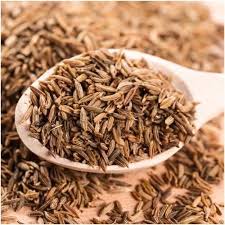
The seeds are schizocarps, which are dry fruits. They are tiny, oval-shaped, yellowish-brown objects that are 6 mm (0.25 inch) in length. Each has five longitudinal dorsal ridges that are spaced out by fewer, less noticeable secondary ridges, creating a small grid-like pattern.
Approximately 2.5 and 4.5 percent of them are made up of essential oil, the main constituent of which is Cumaldehyde. The little dried fruit known as cumin seed is produced by the Umbelliferae plant family, which also includes parsley, carrots, dill, and caraway.
This plant is grown along the Western Mediterranean across the Middle East and India; it is native to the Mediterranean region and Egypt.
Cumin or Cuminucum Cyminum is widely planted because it is hardy and versatile in both warm and cool climes. However, India is both the popular spice’s largest producer and consumer.
A powerful flavor profile with warm, earthy, spicy, bittersweet, and subtle citrus overtones is frequently said to characterize cumin. Cumin is frequently likened to caraway seeds as a more bitter and spicy substitute.
Cumin, common kitchen spice and Black Pepper alternative in ancient Rome, was frequently used (and exchanged for) because of its comparable flavor to its more expensive counterpart. Cuminucum Cyminum, common kitchen spice and Black Pepper alternative in ancient Rome, was frequently used (and exchanged for) because of its comparable flavor to its more expensive counterpart.
Read Also: 11 Health Benefits of Coriander (Coriandrum sativum L.)
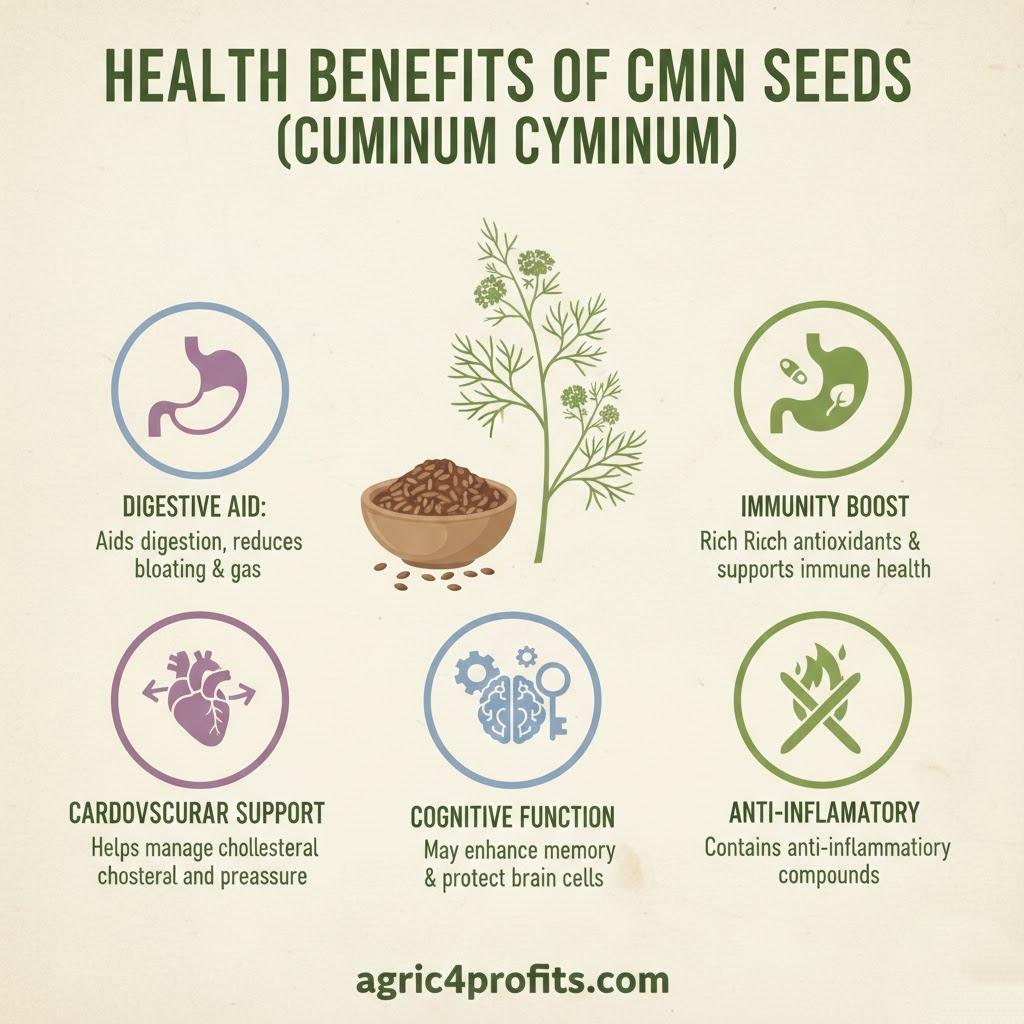
7 Health Benefits Of Cumin Seeds (Cuminucum Cyminum)
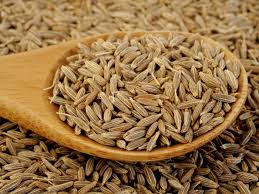
Additionally, a teaspoon of cumin seeds contains certain vitamins. An increase in vitamin A (2% of your daily recommended consumption), vitamin C (1%), riboflavin, niacin, and vitamin B6 (1% each) will be beneficial to you.
1.5 grams of choline are also included. Cumin contains minor levels of zinc, copper, and manganese in addition to calcium (56 mg), iron (4 mg), magnesium (22 mg), phosphorus (30 mg), potassium (107 mg), and sodium (10 mg).
1. Rich In Iron
Iron, a mineral that aids in boosting hemoglobin levels, enhancing blood flow, and supporting a regular menstrual cycle, may be found in abundance in cumin. Every 100 grams of cumin may provide 66 milligrams of iron, or around 5 times the amount that an adult human needs each day.
For people with anemia, iron-rich cumin can be a nourishing supplement to the daily diet. It might aid in reducing anemia’s symptoms of exhaustion, anxiety, and cognitive impairment.
2. Boosts Immunity
Oral consumption of cumin may support a stronger immune system.
In addition, cumin’s vital elements, such as iron, essential oils, vitamin C, and vitamin A, may support our immune system in a number of ways.
One of the most potent antioxidants that promote white blood cell activity and function is vitamin C. Additionally, it aids in scavenging free radicals that cause cardiovascular disorders.
3. Relieves Respiratory Disorder
Cumin may be the perfect anti-congestive remedy for respiratory conditions like asthma and bronchitis due to the presence of caffeine (a stimulant) and intensely scented essential oils (the disinfectants).
It may even function as an expectorant, loosening up the mucus and phlegm that have built up in the respiratory tracts and facilitating their removal from the body through sneezing, coughing, and spitting.
By removing as much mucus and phlegm as you can, you can prevent the production of new material and aid in the recovery of the underlying ailment that caused it to form in the first place.
4. Skin Care Benefits
Cumin’s antifungal and disinfecting characteristics may also aid to protect your skin from microbial and fungal illnesses.
Additionally, it might help to lessen premature aging symptoms like wrinkles, age spots, and sagging skin. The presence of vitamin E, which functions as an antioxidant and fights free radicals, may be the cause of this impact.
5. Beneficial To Diabetic Patients
Flavonoids and other crucial elements that are found in cumin may have positive effects on controlling and lowering the risk of diabetes.
Components in cumin may potentially work to counteract diabetes’s long-term consequences. Diabetes has an impact on bodily cells through something called advanced glycation end products.
These substances are naturally created in the bloodstream when blood sugar levels in the body remain elevated for an extended length of time, as they do in diabetes.
There is evidence that cumin contains substances that could lower the levels of advanced glycation end products. Consequently, regularly consuming cumin seeds in your diet can aid in controlling blood sugar levels.
6. Prevents Food-borne Illnesses
Cumin’s antiviral, antibacterial, and potential disinfecting qualities may aid in the fight against infections and foodborne illnesses. Cumin’s carvacrol and thymol constituents may shield the intestines from bacterial or fungal infections of any kind.
According to a study, when cumin is digested, a substance known as megalomania may be released. Megalomicin is thought to have anti-bacterial and anti-fungal properties.
7. May Lower High Level Cholesterol
Because of its hypolipidemic qualities, cumin may be able to regulate the body’s high cholesterol levels and preserve cardiovascular health. Taking 75 mg of cumin twice a day for more than 8 weeks may help lower harmful cholesterol levels and body weight.
Because of their robust, earthy, and somewhat smoky flavor, cumin seeds are highly valued. Latin, North African, Middle Eastern, Asian, and Indian cuisines frequently use this powerful spice.
In spice blends including garam masala, berbere, chili powder, curry powder, cumin play a significant role. Cumin seeds are component in achiote paste, adobo, and sofrito in Latin cuisine.
Cumin seeds can be added to marinades, sauerkraut, beans, soups, and bread. Additionally, cumin seeds can be cooked in oil to produce a tasty infused oil that can be used for salad dressings, hummus, and roasted vegetables.
Read Also: 8 Health Benefits of Comfrey (Symphytum officinale)
Nutritional value of Cumin Seeds (Cuminum cyminum)
1. Iron: Cumin seeds are exceptionally rich in iron, with approximately 66 mg per 100 grams, far exceeding daily requirements and supporting hemoglobin production, blood flow, and energy levels.
This high iron content makes it particularly beneficial for addressing anemia and related symptoms like fatigue.
2. Essential oils (cuminaldehyde): The primary component of the essential oil (2.5-4.5%), cuminaldehyde provides the characteristic aroma and contributes to antimicrobial and digestive properties.
It plays a key role in the seed’s traditional medicinal applications.
3. Flavonoids: Present in significant amounts, these compounds offer strong antioxidant effects to combat oxidative stress and inflammation.
They support overall cellular health and protection against free radicals.
4. Proteins and amino acids: Seeds contain about 17-19% protein, including various amino acids, providing nutritional support for tissue repair and metabolic functions.
This adds to the seed’s value as a nutrient-dense spice.
5. Carbohydrates and dietary fiber: High in carbohydrates (around 44-56%) and fiber (about 10.5%), aiding digestion, blood sugar regulation, and gut health.
Fiber promotes satiety and supports digestive regularity.
6. Minerals (calcium, magnesium, potassium, manganese): Includes calcium (56 mg/ tsp), magnesium (22 mg), potassium (107 mg), and trace manganese, contributing to bone health, muscle function, and electrolyte balance.
These minerals enhance the seed’s role in daily nutrition.
7. Vitamins (A, C, E, B-complex): Supplies vitamin A, vitamin C, vitamin E, riboflavin, niacin, and vitamin B6, supporting immune function, vision, skin health, and energy metabolism.
These vitamins bolster antioxidant defenses.
8. Phenolic compounds: Various phenolics provide potent antioxidant activity, helping reduce chronic disease risk through free radical neutralization.
They synergize with other bioactives for protective effects.
9. Terpenoids and phytosterols: Includes compounds like carvacrol, thymol, and plant sterols, offering anti-inflammatory and cholesterol-modulating benefits.
These contribute to cardiovascular and antimicrobial support.
10. Choline: Contains about 1.5 grams per teaspoon equivalent, aiding brain health, liver function, and neurotransmitter production.
It supports metabolic processes when consumed regularly.
Scientific Evidence and Case Studies on Cumin Seeds (Cuminum cyminum)
1. Lipid-lowering and cholesterol reduction: Multiple randomized controlled trials and meta-analyses (e.g., Hadi et al. in Phytotherapy Research) showed cumin supplementation safely lowers total cholesterol, LDL, and triglycerides while improving lipid profiles in patients with dyslipidemia or metabolic syndrome.
2. Weight loss and metabolic improvements: Taghizadeh et al. (2015) in a randomized double-blind placebo-controlled trial found cumin intake led to significant weight loss, reduced BMI, and improved oxidative stress biomarkers in overweight subjects.
3. Antidiabetic effects: Clinical trials and meta-analyses (e.g., Tavakoli-Rouzbehani et al.) demonstrated reductions in fasting blood glucose, HbA1c, and insulin resistance in type 2 diabetes patients, linked to flavonoids and other bioactives.
4. Antioxidant and anti-inflammatory activity: Studies confirm strong radical-scavenging effects from cuminaldehyde and phenolics, with in vivo evidence reducing oxidative stress and inflammation markers.
5. Digestive and gastroprotective benefits: Research shows cumin enhances enzymatic activity (amylase, protease, lipase) and provides gastroprotection, supporting traditional use for indigestion and related issues.
6. Antimicrobial properties: Essential oil and extracts exhibit antibacterial, antifungal, and antiviral effects against pathogens, including foodborne bacteria, due to compounds like carvacrol and thymol.
7. Blood pressure regulation: Animal models and some human data indicate cumin attenuates hypertension via endothelial nitric oxide pathways.
8. Potential anticancer effects: In vitro and animal studies show chemopreventive activity against certain tumors, attributed to antioxidant and antiproliferative compounds.
Summary of Cumin Seeds (Cuminum cyminum)
| Aspect | Details |
|---|---|
| Plant Description | Annual herbaceous plant in Apiaceae family, native to Mediterranean/East Mediterranean to South Asia; finely divided leaves, white/pink flowers in panicles; produces small yellowish-brown schizocarp fruits (seeds) 6 mm long with ridges; robust in various climates; major producer India. |
| Traditional Uses | Spice in cuisines (Indian, Middle Eastern, Latin), digestive aid, respiratory relief, immune support, anemia treatment, skin care, menstrual regulation, infection prevention. |
| Key Phytochemicals | Cuminaldehyde (essential oil main), carvacrol, thymol, flavonoids, phenolic compounds, iron, vitamins (A, C, E, B), minerals (calcium, magnesium, potassium), proteins, fiber, terpenoids, phytosterols. |
| Health Benefits Listed | Rich iron source for anemia, immune boost, respiratory relief (anti-congestive), skin protection (antifungal/anti-aging), diabetes control, foodborne illness prevention, cholesterol reduction, plus digestive aid, weight management, anti-inflammatory, antioxidant (7 main + overlaps). |
| Preparation Methods | Whole seeds toasted/added to dishes, ground powder in blends (curry, garam masala), teas/infusions, infused oils, essential oil (sparingly), culinary uses in soups, beans, marinades, breads. |
| Safety Notes | Generally safe as spice in food amounts; possible allergies or GI upset in excess; consult provider for therapeutic doses, pregnancy, medications (blood thinners, diabetes drugs); not a substitute for medical treatment; use quality sources. |
Frequently Asked Questions About Cumin Seeds (Cuminum cyminum)
1. What is cumin primarily used for?
It is widely used as a spice for flavoring foods and traditionally for digestive support, immune boosting, and respiratory relief.
2. How do I prepare cumin tea?
Boil 1 teaspoon of seeds in water for 5-10 minutes, strain, and drink 1-2 times daily for digestive or health benefits.
3. Is cumin safe during pregnancy?
In culinary amounts yes, but consult a healthcare provider for larger medicinal doses due to limited data.
4. Can cumin help with diabetes?
Studies suggest it may help lower blood sugar and improve insulin resistance, but it is not a replacement for prescribed treatments.
5. What are common side effects?
Rare, but possible allergic reactions, stomach upset, or skin irritation in high amounts; generally well-tolerated.
6. Does cumin interact with medications?
It may interact with diabetes, blood pressure, or blood-thinning drugs; consult a doctor if on medication.
7. How much cumin should I consume daily?
Culinary use is safe; studies often use 1-3 grams of seeds or powder daily for benefits, but start low.
8. How should I store cumin seeds?
Keep whole seeds in an airtight container in a cool, dark place to preserve flavor and potency for up to a year.
9. Can children use cumin?
Safe in food amounts; for medicinal use, consult a pediatrician due to limited specific data.
10. Where does cumin grow best?
Thrives in warm, dry climates with well-drained soil; major cultivation in India, Middle East, and Mediterranean regions.
Do you have any questions, suggestions, or contributions? If so, please feel free to use the comment box below to share your thoughts. We also encourage you to kindly share this information with others who might benefit from it. Since we can’t reach everyone at once, we truly appreciate your help in spreading the word. Thank you very much for your support and for sharing!
Disclaimer: This article is for educational and informational purposes only. The health benefits described are based on scientific research and traditional knowledge. They ayre not a substitute for professional medical advice, diagnosis, or treatment. Always consult a healthcare professional before using any herb or natural remedy for medical purposes.
Read Also: 9 Impressive Health Benefits of Onions
thanks for the information