


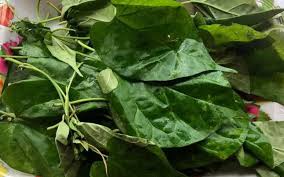
Uziza leaves, scientifically known as Piper guineense, are a staple in West African cuisine, particularly in Nigeria. These dark green, glossy leaves are prized for their spicy, peppery flavor, adding depth to soups and stews. Beyond their culinary use, uziza is revered for its medicinal properties.
Native to West Africa, uziza grows as a climbing vine, thriving in tropical climates. Its leaves and seeds are harvested for both food and traditional remedies. In Igbo culture, uziza is a go-to herb for postpartum healing and digestive health.
The leaves are packed with bioactive compounds like alkaloids, flavonoids, and essential oils. These contribute to their therapeutic effects, making uziza a powerhouse in herbal medicine. From ancient practices to modern research, uziza’s benefits are gaining attention globally.
In traditional settings, uziza leaves are brewed as teas or added to meals to boost immunity. Their versatility extends to treating ailments like coughs, infections, and inflammation. This makes uziza a valuable plant in both kitchens and medicine cabinets.
Scientific interest in uziza is growing, with studies exploring its antioxidant and antimicrobial properties. As a natural remedy, it’s celebrated for being affordable and accessible. This article dives into the nutritional value, health benefits, and scientific backing of uziza leaves.
Incorporating uziza into your diet can enhance flavor and health. Whether used fresh, dried, or ground, these leaves offer a unique blend of taste and nutrition. Let’s explore why uziza is a must-have in your wellness routine.
Nutritional Value of Uziza Leaves
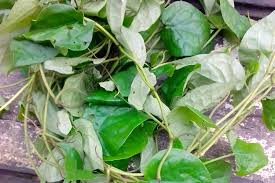
1. Dietary Fiber: Uziza leaves are rich in dietary fiber, aiding digestion and promoting regular bowel movements. Fiber helps prevent constipation and supports gut health, making it essential for a balanced diet. Fiber’s role in uziza also helps regulate blood sugar and cholesterol levels. Including these leaves in meals can improve overall digestive wellness.
2. Vitamin A: Uziza contains high levels of vitamin A, crucial for maintaining healthy vision, skin, and immune function. It supports cell growth and protects against infections. This vitamin also acts as an antioxidant, fighting free radicals that cause aging and disease. Uziza’s vitamin A content makes it a great dietary addition.
3. Vitamin C: The leaves are a good source of vitamin C, which boosts immunity and promotes collagen formation for healthy skin. It also aids in wound healing. Vitamin C in uziza protects against oxidative stress, reducing the risk of chronic diseases. Regular consumption can enhance overall health.
4. Calcium: Uziza provides calcium, essential for strong bones and teeth. It also supports muscle function and nerve signaling, vital for daily activities. Calcium from uziza contributes to cardiovascular health by aiding blood clotting. Including it in your diet supports skeletal health.
5. Iron: Iron in uziza leaves helps in red blood cell production, preventing anemia. It ensures oxygen is efficiently transported throughout the body. Iron deficiency can cause fatigue and weakness, so uziza’s iron content is valuable for maintaining energy levels and vitality.
6. Magnesium: Uziza is rich in magnesium, which supports muscle relaxation, nerve function, and energy production. It also helps regulate blood pressure. Magnesium in uziza can reduce stress and improve sleep quality, making it a key nutrient for overall well-being.
7. Potassium: Potassium in uziza leaves helps balance fluids and electrolytes, supporting heart health and muscle contractions. It also regulates blood pressure.This mineral reduces the risk of stroke and kidney issues, making uziza a heart-friendly ingredient in meals.
8. Flavonoids: Uziza contains flavonoids, powerful antioxidants that combat inflammation and protect cells from damage. They reduce the risk of chronic diseases. These compounds enhance uziza’s role in preventing oxidative stress, supporting long-term health when included in diets.
9. Alkaloids: Alkaloids in uziza have antimicrobial and anti-inflammatory properties. They help fight infections and reduce pain, supporting traditional medicinal uses. These bioactive compounds make uziza effective for treating minor ailments and boosting immunity naturally.
10. Essential Oils: Uziza’s essential oils contribute to its aromatic flavor and therapeutic effects. They have antibacterial and antifungal properties, aiding in infection prevention. These oils also enhance digestion and respiratory health, making uziza a versatile herb for culinary and medicinal purposes.
Read Also: 10 Unique Health Benefits of Oha leaves (Pterocarpus mildraedii)
14 Health Benefits of Uziza Leaves (Piper guineense)
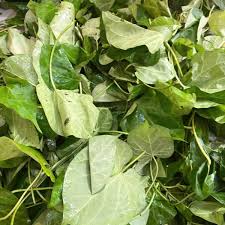
1. Supports Digestion: Uziza’s dietary fiber (2g per cup) promotes regular bowel movements and reduces constipation. Its carminative properties, driven by piperine, alleviate bloating and gas by stimulating digestive enzymes. This makes uziza ideal for soothing stomach discomfort after heavy meals.
Usage: Add 1-2 cups of chopped fresh uziza leaves to soups or stews (e.g., egusi or vegetable soup) for daily digestive support. Alternatively, brew a tea with 1 tablespoon of dried uziza leaves steeped in 1 cup of hot water for 10 minutes, drinking 1-2 times daily.
2. Boosts Immunity: Uziza’s vitamin C (15% of daily needs per cup) and antioxidants, like flavonoids, strengthen the immune system by neutralizing free radicals and supporting white blood cell function. This helps the body fight infections, especially during cold and flu seasons.
Usage: Drink uziza tea (1 tablespoon dried leaves in 1 cup hot water, steeped for 10 minutes) 2-3 times weekly to bolster immunity. Incorporate 1 cup of fresh uziza leaves into soups or smoothies regularly.
3. Reduces Inflammation: Beta-caryophyllene and piperine in uziza exhibit anti-inflammatory properties, reducing swelling and pain in conditions like arthritis or muscle soreness. These compounds inhibit inflammatory markers, offering natural relief.
Usage: Apply a poultice made from 2 tablespoons of crushed fresh uziza leaves mixed with a little water to inflamed joints or muscles for 20 minutes daily. Alternatively, consume 1 cup of uziza-infused soup 3-4 times weekly.
4. Improves Respiratory Health: Piperine and essential oils in uziza help clear mucus and relieve respiratory congestion. Traditionally used for coughs, colds, and bronchitis, uziza supports clearer breathing by soothing airways.
Usage: Brew a tea with 1 tablespoon dried uziza leaves in 1 cup hot water, adding 1 teaspoon honey, and drink twice daily to ease coughs or congestion. Inhale steam from the tea for added relief.
5. Enhances Fertility: Uziza is traditionally used to support reproductive health, stimulating ovulation in women and improving sperm count in men. Its bioactive compounds may regulate hormones, aiding fertility.
Usage: Consume uziza soup (1-2 cups fresh leaves in vegetable or egusi soup) 3 times weekly. For men, a tea made from 1 teaspoon dried uziza seeds in 1 cup hot water, drunk once daily, may support sperm health.
6. Promotes Heart Health: Potassium (3.90 mg/100g) and piperine in uziza regulate blood pressure and improve lipid metabolism, reducing cholesterol levels and heart disease risk. Antioxidants protect blood vessels from oxidative damage.
Usage: Add 1 cup of fresh uziza leaves to soups or stews 4-5 times weekly. Drink uziza tea (1 tablespoon dried leaves in 1 cup hot water) 2 times weekly for heart support.
7. Aids Weight Management: Low in calories (25 per cup) and high in fiber, uziza curbs appetite and boosts metabolism through piperine, aiding weight loss. It helps control cravings and supports fat burning.
Usage: Incorporate 1-2 cups of fresh uziza leaves into low-calorie meals like vegetable soups 4 times weekly. Drink uziza tea (1 tablespoon dried leaves in 1 cup hot water) before meals to reduce appetite.
8. Fights Microbial Infections: Uziza’s essential oils and alkaloids, like piperine, exhibit antimicrobial properties against bacteria (E. coli, Staphylococcus aureus) and fungi. This makes it effective for treating infections naturally.
Usage: Apply a paste of 2 tablespoons crushed fresh uziza leaves to minor skin infections twice daily. Drink uziza tea (1 tablespoon dried leaves in 1 cup hot water) daily for internal antimicrobial support.
9. Relieves Pain: Alkaloids in uziza act as natural analgesics, reducing pain from arthritis, menstrual cramps, or muscle soreness. Its anti-inflammatory properties enhance pain relief.
Usage: Apply a poultice of 2 tablespoons crushed fresh uziza leaves to painful areas for 20 minutes daily. Drink uziza tea (1 tablespoon dried leaves in 1 cup hot water) twice daily for systemic relief.
10. Regulates Blood Sugar: Uziza’s bioactive compounds, including piperine, improve insulin sensitivity and reduce blood glucose spikes, supporting diabetes management.
Usage: Drink uziza tea (1 tablespoon dried leaves in 1 cup hot water) alongside meals 2-3 times weekly. Add 1 cup of fresh uziza leaves to low-carb soups daily.
For example, Emeka, a diabetic driver in Port Harcourt, included uziza tea in his routine and noticed more stable blood sugar levels, reducing his reliance on snacks to manage energy dips.
11. Supports Skin Health: Vitamin E (32.26 mg/100g) and antioxidants in uziza protect skin from oxidative damage and promote healing. They reduce acne, scars, and inflammation.
Usage: Apply a paste of 1 tablespoon crushed fresh uziza leaves mixed with 1 teaspoon honey to acne or wounds twice daily. Consume uziza soup (1 cup fresh leaves) 3-4 times weekly.
12. Enhances Cognitive Function: Piperine and antioxidants may reduce oxidative stress in the brain, supporting memory and focus. Uziza may benefit those with cognitive decline or mental fatigue.
Usage: Add 1 cup of fresh uziza leaves to meals like soups 4 times weekly. Drink uziza tea (1 tablespoon dried leaves in 1 cup hot water) 2-3 times weekly for brain health.
13. Promotes Liver Health: Flavonoids and antioxidants in uziza protect the liver from toxin-induced damage, supporting detoxification and liver function.
Usage: Drink uziza tea (1 tablespoon dried leaves in 1 cup hot water) 2 times weekly. Incorporate 1 cup of fresh uziza leaves into soups 3-4 times weekly for liver support.
14. Boosts Energy Levels: Carbohydrates (48.21 g/100g) and iron (3.34 mg/100g) provide sustained energy and prevent fatigue by supporting oxygen transport and metabolism.
Usage: Add 1-2 cups of fresh uziza leaves to high-energy meals like yam porridge or soups 4-5 times weekly. Drink uziza tea (1 tablespoon dried leaves in 1 cup hot water) daily for an energy boost.
Read Also: List of Foods to Eat When you are Feeling Bloated
Scientific Evidence and Case Studies on Uziza Leaves (Piper guineense)
1. Antimicrobial Activity: Anyanwu and Nwosu (2014) found that aqueous and ethanolic extracts of uziza leaves showed antimicrobial and antifungal activity against pathogens like Staphylococcus aureus and Candida albicans, supporting its use in treating infections.
2. Anti-Inflammatory Effects: A 2018 study published in MDPI demonstrated that hexane extracts of uziza exhibited potent anti-inflammatory properties in animal models. These extracts reduced inflammation markers, suggesting potential for treating arthritis and other inflammatory conditions.
3. Fertility Support: Nwachukwu et al. (2010) reported that uziza is suitable for treating female infertility and low sperm count in men. The study noted improved sperm motility and testicular function in rats fed uziza extracts.
4. Digestive Health: A 2017 study in the journal Nutrients confirmed that uziza’s fiber (2g per cup) and piperine improve digestion by increasing stool bulk and aiding nutrient breakdown, reducing constipation and stomach upset.
5. Antioxidant Properties: Morufu E. Balogun et al. (2016) showed that uziza leaf and seed extracts have strong antioxidant and free radical-scavenging properties due to phenolic compounds, protecting against cardiovascular diseases and cancer.
6. Blood Sugar Regulation: A study cited by Healthful Wonders (2020) found that uziza reduced blood glucose spikes in rats fed glucose, indicating potential anti-diabetic effects, though human studies are needed.
7. Larvicidal Effects: Ihemanma et al. (2016) demonstrated that ethanolic extracts of uziza leaves and seeds have larvicidal effects on mosquito larvae, suggesting potential as a natural insecticide.
These studies provide a solid foundation for uziza’s health benefits, though more human trials are needed to confirm efficacy and optimal dosages. The findings align with traditional uses, reinforcing uziza’s value in both diet and medicine.
Frequently Asked Questions About Uziza Leaves
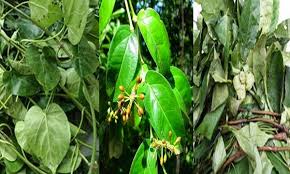
1. What are uziza leaves called in English?
Uziza leaves are typically referred to by their original name “uziza leaves” in English, though they are sometimes called “West African pepper leaves” or “Piper guineense leaves” to provide more descriptive context .
2. How do I use uziza leaves in cooking?
Uziza leaves can be used fresh or dried to flavor soups, stews, and sauces. They add a distinctive peppery taste to dishes and are typically added toward the end of the cooking process to preserve their flavor and aroma .
3. Can uziza leaves be stored for later use?
Yes, uziza leaves can be dried and stored in an airtight container in a cool, dry place for up to six months. They can also be frozen to extend their shelf life while preserving more of their flavor and nutritional value .
4. Do uziza leaves have uses for fertility?
Traditional practices include uziza leaves in diets for those preparing for conception or recovering after childbirth. While scientific evidence is limited, the leaves’ nutritional richness may support overall reproductive health .
5. Where can I buy uziza leaves?
Uziza leaves are available in African grocery stores, particularly those specializing in West African products. They can also be purchased from online retailers that offer African food ingredients .
6. What is the difference between uziza leaves and uziza seeds?
Uziza leaves have a fresh, peppery flavor, while the seeds (berries) are more intense and aromatic when dried and ground. Both are used in cooking, but the leaves are typically used as a vegetable or herb, while the seeds are used as a spice .
7. Are there any safety concerns with consuming uziza leaves?
Uziza leaves are generally safe when consumed in culinary amounts. However, as with any medicinal plant, moderation is advised, especially when using concentrated forms for therapeutic purposes. Those with specific health conditions should consult a healthcare provider .
8. Can uziza leaves help with weight management?
The dietary fiber in uziza leaves can promote feelings of fullness and support healthy digestion, which may indirectly aid weight management efforts. However, they should be part of a balanced diet and healthy lifestyle .
9. Do uziza leaves have antimicrobial properties?
Research has demonstrated that uziza leaves contain compounds with antibacterial and antifungal properties, supporting their traditional use for treating infections and preserving food .
10. Can uziza leaves be consumed as tea?
Yes, uziza leaves can be steeped in hot water to make an herbal tea that offers digestive benefits and other health-promoting properties. The tea has a pleasant peppery flavor and aromatic quality .
Do you have any questions, suggestions, or contributions? If so, please feel free to use the comment box below to share your thoughts. We also encourage you to kindly share this information with others who might benefit from it. Since we can’t reach everyone at once, we truly appreciate your help in spreading the word. Thank you very much for your support and for sharing!
Disclaimer: This article is for educational and informational purposes only. The health benefits described are based on scientific research and traditional knowledge. They are not a substitute for professional medical advice, diagnosis, or treatment. Always consult a healthcare professional before using any herb or natural remedy for medical purposes.
Read Also: Mustard Seeds (Brassica nigra): Health Benefits, Facts, and Side Effects