


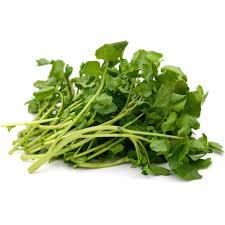
Nasturtium floridanum, commonly known as the Florida watercress, is a captivating flowering plant native to the southeastern United States. With its vibrant blooms and distinctive features, this plant has captured the hearts of both garden enthusiasts and nature lovers alike.
In this article, we'll take a closer look at the various aspects of Nasturtium floridanum, from its physical characteristics to its growth habits and ecological importance.
Nasturtium floridanum is a perennial aquatic plant belonging to the Brassicaceae family. It's cherished for its delicate yet striking appearance and has been a subject of fascination for botanists and enthusiasts alike.
The leaves of Nasturtium floridanum are rounded and bright green, pinnately compound leaves. Each leaf is composed of several smaller leaflets arranged along a central stem.
The leaflets are typically oval or lance-shaped, and they have a slightly serrated margin., with a water-repellent quality that allows them to remain dry even when submerged in water.
The plant produces lovely small white flowers with four petals arranged in a cross shape, forming clusters that create a visually appealing contrast against the lush green foliage. Native to the southeastern U.S, which is a characteristic trait of plants in the Brassicaceae family. The flowers grow in clusters at the tips of stems and branches.
🌿 Go Organic on Your Farm: Instead of harmful chemical pesticides and fertilisers, try our organic farming products — including neem oil spray, bio-pesticides, natural plant treatments, organic seeds and seedlings, suckers, and many more organic products that are safe for your health, your family, your soil and your harvest. Shop Now →
The stems of Florida watercress are relatively slender and can reach a height of around 1 to 2 feet (30 to 60 cm). They are often slightly reddish in color.
Florida watercress is native to the southeastern United States, including states such as Florida, Georgia, Alabama, and South Carolina. It is commonly found in wet and aquatic environments, thriving in areas with ample sunlight and nutrient-rich water sources.
Nasturtium floridanum thrives in shallow freshwater habitats, including ponds, streams, and marshes. Its presence in these ecosystems contributes to the overall biodiversity and health of the aquatic environment.
The blooming period of Nasturtium floridanum typically spans from late spring to early summer, when its charming white flowers create a picturesque scene along the water's edge.
🔧 Free Farm Tool Available: Use our free Agric4Profits Farm Tools to calculate your farm profits, formulate feeds, identify pests and diseases on both your crops and animal farms, plan your planting and harvesting season, including many more farm tasks to get free expert advice and recommendations — completely free, no registration required. Access Free Tools →
In cultivating Nasturtium floridanum, providing a water-rich environment with partial sun exposure is key. Its low maintenance requirements and captivating appearance make it an excellent addition to water gardens and wetland landscapes.
Beyond its aesthetic appeal, Nasturtium floridanum plays a vital role in its ecosystem. It contributes to water filtration and provides habitat and sustenance for various aquatic organisms.
In addition to it's ecological significance, Nasturtium floridanum has culinary uses. Its leaves have a peppery flavor and are sometimes used in salads and garnishes. Medicinally, it's believed to have potential diuretic properties.
The Botanical Description of Florida Watercress

1. Life: Florida Watercress, scientifically known as Nasturtium officinale var. floridanum, is a perennial aquatic plant belonging to the Brassicaceae family. It thrives in freshwater habitats, displaying an adaptive life cycle that allows it to flourish in both flowing streams and stagnant water bodies.
2. Leaves: The leaves of Florida Watercress are compound and pinnately divided, showcasing a vibrant green color. They often form rosettes, floating on the water's surface or emerging from submerged stems. The distinct peppery flavor of the leaves is a characteristic feature, making them a popular addition to salads and culinary dishes.
💬 Have a Farming Question? Join thousands of farmers across Africa on the Agric4Profits Community — ask questions, share experiences and connect with agricultural experts. It is completely free. Ask Your Question Now →
3. Flowers: Florida Watercress produces small, white flowers with four petals. These delicate blossoms form in clusters above the water, adding a touch of elegance to the plant's appearance. The flowering period typically occurs in the spring and early summer, contributing to the plant's visual appeal.
4. Roots and Stems: The roots of Florida Watercress are submerged, anchoring the plant in aquatic environments. The stems are hollow and branching, allowing the plant to spread across the water's surface. The overall growth habit is prostrate, creating a mat-like structure that provides habitat and shelter for aquatic fauna.
The Geographic Distribution of Florida Watercress
1. Natural Habitat: Florida Watercress is native to the southeastern United States, with a particular emphasis on the state of Florida. It thrives in shallow, slow-moving water, such as streams, ditches, and wetlands. The plant's adaptation to varying water conditions allows it to establish itself in diverse aquatic ecosystems.
2. Distribution Beyond Florida: While its name suggests a connection to Florida, this watercress variety can also be found in other southeastern states, including Georgia and Alabama. Its ability to thrive in different water environments has led to its presence in various regions with suitable conditions.
3. Preferred Growing Conditions: Florida Watercress favors habitats with clear, cool water and moderate sunlight. It is often found in shaded areas along the edges of streams and in the shallow zones of ponds. The plant's distribution is influenced by factors such as water quality, temperature, and the availability of nutrients.
The Chemical Composition of Florida Watercress
1. Nutritional Components: Florida Watercress is a nutrient-dense aquatic plant, rich in vitamins A and C, calcium, iron, and antioxidants. The consumption of Florida Watercress provides a healthful boost, contributing to overall well-being.
2. Phytochemicals: The peppery taste of Florida Watercress leaves is attributed to the presence of mustard oils, including gluconasturtiin. These compounds not only add flavor but also possess antimicrobial properties, contributing to the plant's natural defenses.
3. Culinary and Medicinal Uses: Beyond its nutritional content, Florida Watercress is valued for its culinary and medicinal uses. In addition to being a flavorful addition to salads and dishes, it has been traditionally used for its potential diuretic and digestive properties. The plant's phytochemicals may also offer various health benefits.
4. Environmental Impact: Florida Watercress plays a role in ecological balance by providing habitat for aquatic organisms. Its ability to filter water and absorb excess nutrients contributes to the health of aquatic ecosystems, showcasing the plant's significance beyond its culinary and medicinal uses.
📖 Want to Go Deeper on This Topic?
Our expert agricultural ebooks cover poultry, fish farming, different crops production, snail farming, organic farming, mushrooms, sheep, cattle, flowers, pig farming, goat farming, agribusiness, etc. in practical step-by-step detail — written by agricultural professionals for African farmers.
Browse All Farming Ebooks →Nutritional Value of Florida Watercress
1. Vitamin C: Florida watercress is rich in vitamin C, a powerful antioxidant that supports immune function, promotes collagen formation, and protects cells from oxidative damage.
2. Vitamin K: This nutrient is abundant in Florida watercress and is essential for blood clotting and bone health, helping to maintain strong bones and prevent excessive bleeding.
3. Vitamin A: Present as beta-carotene, vitamin A supports vision, skin health, and immune system function, contributing to overall cellular protection.
4. Calcium: Florida watercress contains calcium, which supports bone and teeth health, muscle function, and nerve signaling, making it valuable for maintaining skeletal integrity.
5. Iron: This mineral aids in oxygen transport and energy production, helping to prevent anemia and support metabolic processes.
6. Glucosinolates: These sulfur-containing compounds have potential anticancer properties, as they may help detoxify carcinogens and reduce inflammation.
7. Phenylethyl Isothiocyanate (PEITC): A breakdown product of glucosinolates, PEITC exhibits antimicrobial and potential anticancer effects, supporting cellular health.
8. Flavonoids: These antioxidants, including quercetin and isorhamnetin, help combat oxidative stress and inflammation, potentially reducing the risk of chronic diseases.
9. Potassium: Found in Florida watercress, potassium supports heart health by regulating blood pressure and aiding muscle and nerve function.
10. Magnesium: This mineral contributes to muscle relaxation, energy production, and bone health, supporting overall metabolic function.
The Medicinal Health Benefits of Florida watercress (Nasturtium floridanum)
1. Rich in Nutrients: Florida watercress is known to be a good source of essential vitamins and minerals, including vitamin C, vitamin A, calcium, iron, and potassium. These nutrients are important for maintaining overall health and supporting various bodily functions.
2. Antioxidant Properties: Like other members of the Brassicaceae family, Florida watercress contains compounds with potential antioxidant properties, such as flavonoids and glucosinolates. Antioxidants help neutralize harmful free radicals in the body, which may contribute to reducing oxidative stress and promoting cellular health.
3. Digestive Health: Watercress has traditionally been used to support digestive health. It contains dietary fiber and compounds that may aid digestion and promote regular bowel movements. It might also help alleviate symptoms of indigestion and bloating.
4. Immune Support: The presence of vitamin C in Florida watercress suggests potential immune-boosting properties. Vitamin C is known to support the immune system by enhancing the production and function of immune cells.
5. Diuretic Effects: Watercress is believed to have diuretic properties, which means it may promote urine production and help eliminate excess fluids from the body. This can be beneficial for individuals dealing with water retention and mild edema.
6. Topical Uses: In some traditional practices, crushed or mashed watercress leaves have been applied topically to alleviate skin irritations, such as insect bites and minor burns. However, it's important to be cautious when applying any substance to the skin, as allergic reactions can occur.
7. Potential Anti-inflammatory Effects: Some compounds found in watercress, including glucosinolates, have been studied for their potential anti-inflammatory properties. However, more research is needed to fully understand the extent of these effects and how they can benefit human health.
8. Potential Antimicrobial Properties: Some studies suggest that watercress may possess certain compounds with antimicrobial properties. These properties might help inhibit the growth of certain bacteria and microorganisms. However, more research is needed to understand the full spectrum of these effects and their applicability.
9. Detoxification Support: Watercress is known for its peppery and slightly bitter taste, which is indicative of its potential ability to support detoxification processes in the body. Compounds such as glucosinolates found in watercress may aid the liver in detoxifying harmful substances.
10. Cardiovascular Health: The presence of various nutrients, including vitamins, minerals, and antioxidants, suggests that watercress may contribute to cardiovascular health. Antioxidants can help protect blood vessels from oxidative damage, potentially supporting heart health.
11. Weight Management: Due to its low calorie and nutrient-dense nature, watercress can be included in a balanced diet for those aiming to manage their weight. Its high water content and fiber may help promote a feeling of fullness, potentially aiding in appetite control.
12. Culinary Uses: Apart from its potential medicinal benefits, watercress is commonly used in salads, soups, and various dishes for its unique peppery flavor and crisp texture. Including watercress in your diet can provide a range of nutrients and flavors that contribute to your overall culinary experience.
Read Also: 20 Medicinal Health Benefits of Tetraneuris ivesiana (Five Nerve Daisy)
The Methods of Usage to Achieve the Provided Health Benefits of Florida watercress (Nasturtium floridanum)
1a. Fresh vs. Supplements: Consuming fresh watercress as part of a balanced diet is generally considered safe. However, be cautious about using watercress supplements or extracts, as their safety and efficacy might vary.
1b. Culinary Adventures: Incorporate Nasturtium floridanum's leaves into your culinary creations. Toss them into salads, pastas, sandwiches, omelets, or stir-fries. for an invigorating crunch or wraps with its tangy leaves or add them to sandwiches for an extra zing of flavor, adding not just flavor but also a touch of well-being.
1c. Homemade Tea: Embark on a journey of herbal exploration by crafting a soothing watercress tea. Simply steep the leaves in hot water, allowing their beneficial compounds to infuse your cup with wellness.
Crafting a tea from Nasturtium floridanum leaves is an embrace of tranquility, where wellness and warmth converge. Some individuals prepare watercress tea by steeping fresh or dried leaves in hot water. This can be a way to enjoy it's potential benefits in a different form.
1d. Topical Applications: Embrace the ancient wisdom of plant-based healing Traditionally, mashed watercress leaves have been applied topically to soothe minor skin irritations.
Apply mashed Nasturtium floridanum leaves to minor skin irritations, tenderly harnessing nature's soothing touch. However, perform a patch test before widespread use to ensure your skin's compatibility..
2. Dosage and Moderation: When using Nasturtium floridanum for its potential medicinal benefits, it's important to follow appropriate dosages and exercise moderation:
3. Dosage Guidelines: Since there are no established standardized dosages for Nasturtium floridanum, it's recommended to start with a small amount and gradually increase as needed, while monitoring your body's response.
4. Moderation: While the compounds in watercress might offer health benefits, consuming excessive amounts might lead to unintended effects. Balance is key, and it's advisable not to rely solely on watercress for all your nutritional needs.
5. Personalization: Everyone's body is unique, and what works well for one person might not be suitable for another. Pay attention to how your body responds to incorporating watercress into your diet or wellness routine. If you experience any adverse reactions or discomfort, discontinue use and consult a healthcare professional.
6. Integration with a Healthy Lifestyle: While considering the potential health benefits of Nasturtium floridanum, remember that no single plant or food item can replace a balanced and varied diet, regular physical activity, adequate hydration, and sufficient sleep. A holistic approach to health is always recommended.
7. Ethical Harvesting and Sustainability: If you choose to gather watercress from the wild, make sure you're doing so sustainably and responsibly, without causing harm to the environment or depleting local populations. Alternatively, you can consider growing watercress at home for personal use.
Read Also: Pests of Stored Products and Damages Caused
The Side Effects of Using Florida watercress Medicinal Plant
1. Allergic Reactions: Just as nature's beauty is diverse, so are our bodies' responses. Some may experience allergic reactions to watercress. Perform a patch test and heed any signs of discomfort.
2. Thyroid Concerns: Individuals with thyroid issues should exercise caution. Nasturtium floridanum contains goitrogens, which might interfere with thyroid function. Consult a healthcare professional if in doubt.
If your thyroid is your body's conductor, Nasturtium floridanum might be a new melody. Those with thyroid concerns should consult their healthcare conductor before joining in.
3. Medication Interactions: If you're on medications, consult your healthcare provider before integrating Nasturtium floridanum into your routine. Some compounds could interact with certain medications.
Let your healthcare provider lead the medication duet. Interactions between Nasturtium floridanum's compounds and medications might require their expert guidance.
4. Listen to Your Body: Just as Nasturtium floridanum sings its healthful tune, your body responds in its own unique way. Be attuned to any allergic reactions or discomfort and adjust your usage accordingly.
5. Purity: When using watercress for medicinal purposes, ensure you're sourcing it from clean and uncontaminated environments to prevent exposure to pollutants or toxins.
6. Gastrointestinal Upset: Some individuals might experience gastrointestinal discomfort, such as stomach upset or diarrhea, when consuming watercress, especially in larger quantities.
The Scientific Research and Studies of Florida Watercress (Nasturtium floridanum)
1. Anticancer Properties: Giallourou et al. (2019) found that watercress extracts, rich in phenylethyl isothiocyanate (PEITC), enhanced the sensitivity of MCF-7 breast cancer cells to ionizing radiation, suggesting potential anticancer benefits through DNA damage repair modulation.
2. Antidiabetic Effects: Shahrokhi et al. (2015) demonstrated that hydroalcoholic extracts of watercress leaves reduced serum glucose and lipid levels in diabetic rats, indicating potential benefits for managing hyperglycemia and hyperlipidemia.
3. Antioxidant Activity: Amiri (2012) showed that watercress flowers, stems, and leaves contain volatile constituents with significant antioxidant activity, supporting their role in reducing oxidative stress and protecting against cellular damage.
4. Anti-inflammatory Effects: Sadeghi et al. (2014) found that watercress extracts exhibited antimicrobial and anti-inflammatory properties, inhibiting the growth of Gram-positive bacteria like Staphylococcus aureus, supporting its use in infection and inflammation management.
5. Renoprotective Potential: Fogarty et al. (2013) showed that watercress supplementation reduced DNA damage in human kidney cells in vitro, suggesting protective effects against oxidative stress in renal tissues.
FAQs About Florida watercress Medicinal Plant
1. Can Nasturtium floridanum be grown outside of its native range?
Yes, with proper care, Nasturtium floridanum can be cultivated in various regions, provided they offer similar water-rich environments.
While Nasturtium floridanum is native to the southeastern U.S., it can be cultivated in various regions as long as the environmental conditions are suitable. Just ensure that it receives the right amount of water and sunlight.
2. How do I incorporate Nasturtium floridanum into my garden?
To incorporate this aquatic beauty into your garden, create a shallow water feature or pond and plant it near the water's edge.
3. What makes Nasturtium floridanum unique compared to other watercress species?
Nasturtium floridanum is distinguished by its specific range in the southeastern U.S. and its adaptation to native aquatic habitats.
4. Are there any precautions when consuming Nasturtium floridanum in dishes?
As with any wild plant, ensure you're harvesting from clean, non-polluted sources. If in doubt, consult with a knowledgeable guide or expert. While watercress is generally safe to consume, it's advisable to wash it thoroughly to remove any potential contaminants.
5. How can I contribute to the conservation of Nasturtium floridanum?
You can support local wetland restoration projects, participate in community cleanup events, and spread awareness about the importance of preserving native aquatic plants.
Supporting organizations dedicated to the conservation of native plants and their habitats is a meaningful way to contribute. Additionally, spreading awareness about the importance of preserving aquatic ecosystems can inspire positive change.
6. Are there any potential side effects of consuming watercress?
In general, watercress is considered safe for consumption. However, if you have allergies to plants in the Brassicaceae family, it's advisable to exercise caution. As with any new addition to your diet, moderation is key.
7. How can I create a water garden that supports native aquatic plants?
To create a water garden that's conducive to native plants like Nasturtium floridanum, focus on providing a shallow and well-draining area with access to sunlight. You can use containers or dedicated water features to mimic their natural habitat.
8. What is the cultural significance of watercress in different societies?
Watercress holds varying cultural meanings across different societies. In some cultures, it's associated with renewal and cleansing, while in others, it may have symbolic connections to spirituality or protection.
9. How can I incorporate Nasturtium floridanum into my garden landscape?
Consider creating a water garden or wetland area in your landscape to provide the ideal habitat for Nasturtium floridanum.
10. Are there any similar aquatic plants that share characteristics with Nasturtium floridanum? Yes, plants like watercress (Nasturtium officinale) and marsh marigold (Caltha palustris) share some similarities with Nasturtium floridanum.
11. How can I contribute to the conservation of aquatic ecosystems as an individual?
You can contribute by participating in local clean-up initiatives, supporting conservation organizations, and raising awareness about the importance of wetland preservation.
Do you have any questions, suggestions, or contributions? If so, please feel free to use the comment box below to share your thoughts. We also encourage you to kindly share this information with others who might benefit from it. Since we can’t reach everyone at once, we truly appreciate your help in spreading the word. Thank you very much for your support and for sharing!
Disclaimer: This article is for educational and informational purposes only. The health benefits described are based on scientific research and traditional knowledge. They are not a substitute for professional medical advice, diagnosis, or treatment. Always consult a healthcare professional before using any herb or natural remedy for medical purposes.
Read Also: Relationship Marketing Process and Approaches to the Study of Marketing
🌱 Take Your Farming Further With Agric4Profits
Based on what you just read, here are free resources and products from Agric4Profits that can help your farm right now:
- 🛒 Visit Our Marketplace — Organic neem oil, bio-pesticides, seeds and farming products
- 📚 Read Premium Content — Advanced guides for serious and profitable farming
- 🎓 Join Our Free Academy — Structured free training for farmers across Africa
- 🔧 Use Our Free Farm Tools — Profit calculators, feed formulation, pest identifier and more
- 💬 Join Our Farming Community — Connect with farmers across all 54 African countries
- ❓ Ask a Farming Question — Get answers from experienced farmers and agricultural experts
Please cite this content in academic work, research, or publications.