


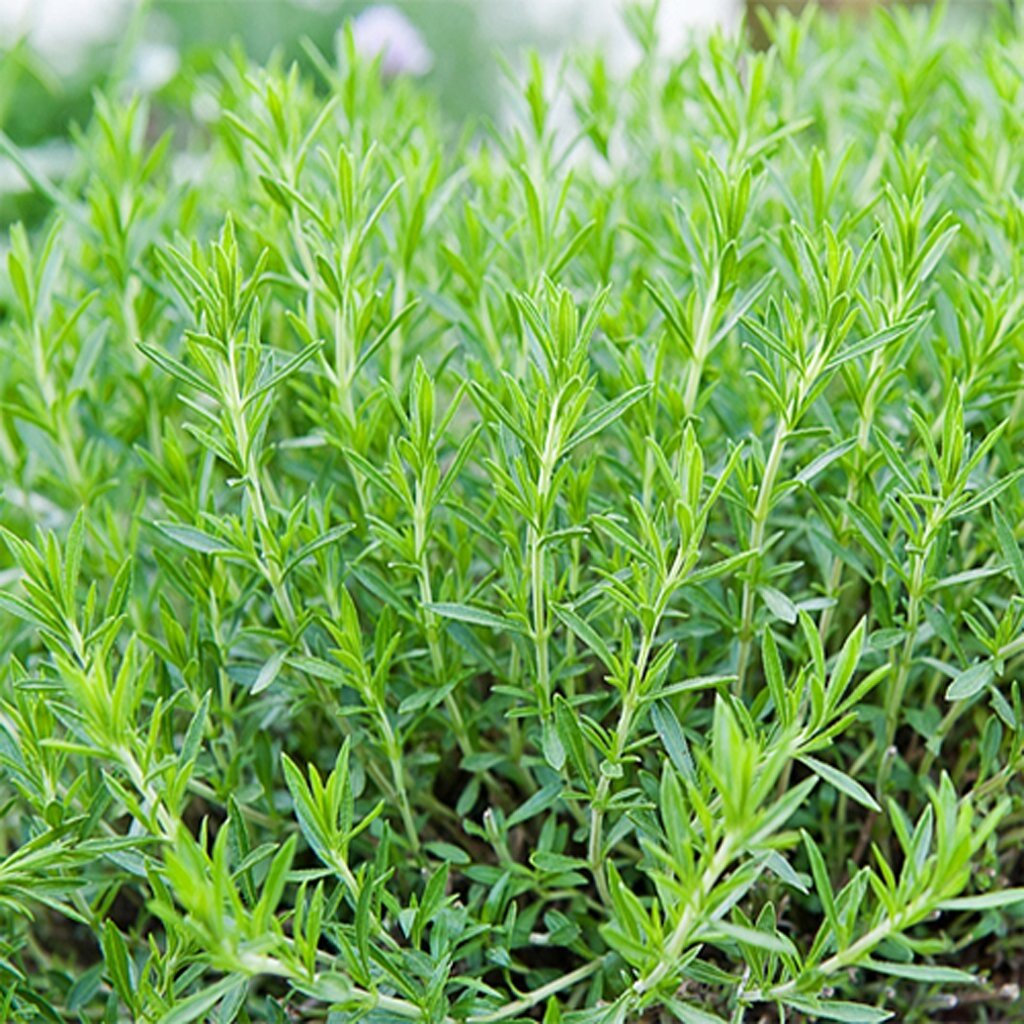
Terragon, also known as Artemisia dracunculus, has a long history of being used as a spice and medicine. The plant is a bushy, aromatic member of the Asteraceae family, and it is thought to have originated in Siberia.
The Russian and French tarragons are two popular varieties. French tarragon is grown throughout North America and Europe, primarily in France and Spain.
The leaves have an anise-like flavor and are bright green. If you’ve never tasted anise, it tastes somewhat like licorice. This herb contains 0.3 to 1.0 percent essential oil, with methyl chavicol serving as its main constituent.
It is recommended to use fresh tarragon in full leaves. Search for sprigs with vibrant, green leaves. In a plastic bag in the refrigerator, wrap it in a free-flowing, damp paper towel. This can continue for a few days.
Start by holding the stem at the tip of the fresh tarragon with your fingers, then carefully slide your fingers down the stem toward the base to remove leaves. After that, remove the stem and slice the leaves.
Although it is a readily available alternative, the dried version has a weaker flavor than the fresh one. Fresh leaves can also be frozen or dried for subsequent use.
If you decide to freeze the leaves, then wash and dry them before putting them in freezer bags or ice cube trays with a little water. Tarragon can be frozen and kept for months.
The flavor of tarragon is delicate and sweet, tasting something like anise. This is why it works well in recipes that call for eggs, shellfish, chicken, lamb, or veal. Because it frequently clashes with flavors other than lemon, it is typically the star element in a dish or marinade.
Many sauces, such as mayonnaise and Béarnaise sauce, benefit from the addition of tarragon. It is one of the four noble herbs used in fine French cookery and is used in many of the cuisine’s dishes.
The leaves of fresh tarragon can also be softly bruised and steeped in neutral white vinegar to create tarragon vinegar for dressings.
Read Also: 6 Unique Health Benefits of Thyme (Thymus vulgaris)
Russian and French variants are the two most popular. The best application of French tarragon is in food. The French variety is propagated through root splicing because its seeds are essentially sterile. Russian tarragon has far less flavor but is more resilient and easier to cultivate in soil with healthy seeds.
Additionally, you can take it as a supplement in a variety of forms, such as capsules, powder, tinctures, or tea.
The leaves of fresh tarragon can also be softly bruised and steeped in neutral white vinegar to create tarragon vinegar for dressings.
Russian and French variants are the two most popular. The best application of French tarragon is in food. The French variety is propagated through root splicing because its seeds are essentially sterile. Russian tarragon has far less flavor but is more resilient and easier to cultivate in soil with healthy seeds.
Additionally, you can take it as a supplement in a variety of forms, such as capsules, powder, tinctures, or tea.
Tarragon vinegar for dressings can also be made by gently bruising fresh tarragon leaves and steeping them in neutral white vinegar.
The two most common varieties are Russian and French. French tarragon is most effective when used in meals. The French variety’s seeds are largely sterile, thus root splicing is used to multiply it. While having much less flavor, Russian tarragon is hardier and simpler to grow in soil with healthy seeds.
Furthermore, it is available as a supplement in a number of forms, including capsules, powder, tinctures, and tea.
Read Also: 5 Amazing Health Benefits of Triphala (Three fruits)
4 Health Benefits of Terragon (Artemisia dracunculus)

1. Improves Digestion
Tarragon is a great digestive aid, both as an aperitif (which helps stimulate the appetite) and for properly digesting food, as the oils in tarragon cause the body’s natural digestive fluids to be released.
It can help with all aspects of digestion, from saliva production in the mouth to gastric juice production in the stomach to peristaltic movements in the intestines.
The carotenoids in tarragon are mostly responsible for this herb’s digestive power. Researchers looked at how herbs with carotenoids affected their ability to digest food.
The intake of bioaccessible carotenoids is increased as a result of these herbs, according to the results, which also enhances intestinal health.
2. Encourages Menstruation
The herb tarragon is beneficial to certain women who have repressed their menstrual cycles. Herbalists advocate it as a way to promote menstruation and support the overall well-being of the female reproductive system.
If you’re pregnant or nursing, avoid taking too much tarragon or taking it as a supplement because there isn’t any evidence to support this claim.
A related plant, thyme, has lately been discovered to ease period pains and encourage menstruation. Many of the same characteristics are shared by tarragon, which may explain why herbalists have employed it to treat menstruation issues.
Read Also: 6 Health Benefits of Peppercorns (Piper nigrum)
3. Remedy For Toothache
Fresh tarragon leaves have long been used as a DIY toothache treatment in traditional herbal medicine. According to legend, the ancient Greeks chewed the leaves to numb their mouths.
According to research, the plant’s high concentration of eugenol, a naturally occurring anesthetic molecule, is what causes this pain-relieving action.
The same pain-relieving eugenol can be found in clove oil, another well-liked natural toothache cure. Additionally, tarragon might aid in easing the painful gums that frequently accompany toothaches.
4. Fight Bacteria
Staphylococcus aureus, the germ that causes staph infections, and Escherichia coli are two forms of bacteria that are both well-known and extremely harmful (E.coli).
Cellulitis, boils, impetigo, food poisoning, toxic shock syndrome, and boils are a few disorders that can be brought on by the staphylococcus bacterium. Some E. coli strains can cause diarrhea, while others can cause pneumonia, respiratory infections, and other illnesses.
Staphylococcus aureus and Escherichia coli have both been shown to be resistant to the antibacterial effects of tarragon essential oil. In addition to being able to fight harmful bacteria, tarragon essential oil also makes a great natural preservative, especially in cheese, according to a 2012 study.
Read Also: 6 Health Benefits of Passion Flower (Passiflora)
Scientific Evidence and Case Studies on Tarragon (Artemisia dracunculus)
1. Insulin Sensitivity and Diabetes Management: A significant study by Ribnicky et al. investigated the potential of a tarragon extract (specifically Artemisia dracunculus L.) on insulin signaling. The research found that the extract improved insulin sensitivity and decreased blood glucose levels in animal models of diabetes, suggesting that specific bioactive compounds in tarragon can aid in the management of type 2 diabetes by enhancing cellular glucose uptake.
2. Antibacterial and Antifungal Activity: Research conducted by Raeisi et al. evaluated the antimicrobial properties of tarragon essential oil against food-borne pathogens like Staphylococcus aureus and E. coli. The results demonstrated that the oil exhibited significant inhibitory effects on bacterial growth, validating its traditional use as a natural preservative and antiseptic agent.
3. Pain Relief and Anti-Inflammatory Effects: An investigation by Maham et al. assessed the analgesic (pain-relieving) and anti-inflammatory effects of tarragon extract in animal models. The study revealed that the extract significantly reduced pain responses and suppressed inflammation in a dose-dependent manner, comparable to standard analgesic drugs like aspirin, likely due to the inhibition of inflammatory mediators.
4. Anticoagulant (Blood Thinning) Activity: A study by Shahriyary et al. examined the effects of tarragon extracts on blood coagulation parameters. The findings indicated that tarragon significantly prolonged prothrombin time (PT) and partial thromboplastin time (PTT), suggesting it possesses anticoagulant properties that could help prevent clot formation and support cardiovascular health.
5. Appetite Stimulation: Research led by Cignarella et al. explored the gastrointestinal effects of tarragon. The study supported the traditional claim that tarragon aids digestion and stimulates appetite, primarily by influencing gastric secretions and ghrelin levels, making it beneficial for individuals dealing with anorexia or age-related appetite loss.
Nutritional Value Of Tarragon (Artemisia dracunculus)
1. Estragole (Methyl Chavicol): This phenylpropene is the primary volatile compound responsible for tarragon’s distinctive anise or licorice-like flavor. While responsible for its aromatic and digestive benefits, it is biologically active and is the subject of study regarding dosage safety.
2. Manganese: Tarragon is an exceptionally concentrated source of manganese. This trace mineral is a critical co-factor for the antioxidant enzyme superoxide dismutase (SOD) and is essential for bone formation, blood clotting, and carbohydrate metabolism.
3. Iron: The herb is a rich plant-based source of iron. Adequate iron intake is vital for the production of hemoglobin, which transports oxygen in the blood, helping to prevent anemia and maintain energy levels.
4. Potassium: Tarragon contains significant amounts of potassium. This electrolyte helps regulate fluid balance, nerve signals, and muscle contractions, and plays a key role in maintaining healthy blood pressure by counteracting sodium.
5. Coumarins: The plant contains coumarins, chemical compounds known for their blood-thinning (anticoagulant) activity. These contribute to the herb’s potential cardiovascular benefits by preventing platelet aggregation.
6. Eugenol: Found in the essential oil, eugenol is a natural anesthetic and antiseptic. It contributes to tarragon’s historical use for numbing toothaches and fighting oral bacteria.
7. Vitamin A (Beta-Carotene): Fresh tarragon is rich in Vitamin A precursors. These carotenoids are essential for maintaining healthy vision, supporting immune function, and protecting the skin from oxidative damage.
Frequently Asked Questions About Tarragon (Artemisia dracunculus)
1. What is the difference between French and Russian Tarragon?
French Tarragon is the culinary variety with a refined, sweet anise flavor, while Russian Tarragon is hardier but has a bitter, grassy taste and lacks the aromatic oils.
2. Does tarragon taste like licorice?
Yes, French Tarragon has a distinct licorice or anise-like flavor profile due to the high presence of the compound estragole.
3. Is tarragon safe during pregnancy?
Culinary amounts are safe, but medicinal doses should be avoided as tarragon has traditionally been used as an emmenagogue (to stimulate menstrual flow), which could pose a risk to pregnancy.
4. Can tarragon help with toothaches?
Yes, due to the presence of eugenol (a natural anesthetic), chewing on fresh tarragon leaves can help numb the gums and relieve mild tooth pain.
5. How should I store fresh tarragon?
Wrap the stems in a damp paper towel and place them in a plastic bag in the refrigerator, or freeze the leaves in ice cube trays with water or oil.
6. Does tarragon interact with blood thinners?
Yes, because it contains coumarins and has natural anticoagulant effects, consuming large amounts can amplify the effects of medications like warfarin and increase bleeding risk.
7. Can tarragon serve as a salt substitute?
Yes, its strong, savory, and aromatic flavor profile makes it an excellent herb for seasoning food without adding sodium, which is beneficial for heart health.
8. Is tarragon toxic?
While safe in food, the compound estragole can be toxic and potentially carcinogenic in extremely high, concentrated doses (like pure essential oil) over long periods, so moderation is key.
Do you have any questions, suggestions, or contributions? If so, please feel free to use the comment box below to share your thoughts. We also encourage you to kindly share this information with others who might benefit from it. Since we can’t reach everyone at once, we truly appreciate your help in spreading the word. Thank you very much for your support and for sharing!
Disclaimer: This article is for educational and informational purposes only. The health benefits described are based on scientific research and traditional knowledge. They ayre not a substitute for professional medical advice, diagnosis, or treatment. Always consult a healthcare professional before using any herb or natural remedy for medical purposes.
Read Also: Waste To Fertilizer: What You Need to Know