


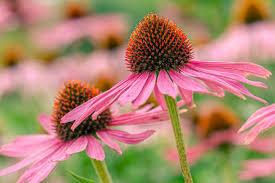
Echinacea purpurea, commonly known as purple coneflower, is a remarkable medicinal plant with a rich history of traditional use and a wide array of health benefits. In this comprehensive article, we will delve into the various facets of Echinacea purpurea, exploring its botanical description, historical medicinal uses, and its significant role in promoting overall health.
The story of Echinacea purpurea’s medicinal use dates back centuries, with indigenous communities in North America harnessing its healing properties long before it gained recognition in modern medicine. Native American tribes, such as the Plains Indians, utilized Echinacea purpurea as a remedy for various ailments. Its effectiveness in treating wounds, infections, and respiratory issues earned it a prominent place in their herbal medicine repertoire.
European settlers in North America soon adopted the use of Echinacea purpurea, leading to its introduction to Western herbal medicine in the late 19th century. Since then, it has gained global recognition for its immune-boosting and healing properties.
The Botanical Description of Echinacea purpurea
The botanical description of Echinacea purpurea provides valuable insights into its unique characteristics and features. Here, we will list and explain six key aspects of the botanical description of Echinacea purpurea:
1. Family and Genus: Echinacea purpurea belongs to the Asteraceae family, which is also known as the daisy or sunflower family. Its genus, Echinacea, comprises several species, but Echinacea purpurea stands out as one of the most widely recognized and studied.
2. Growth Habit: Echinacea purpurea is a herbaceous perennial plant, meaning it lives for more than two years and typically does not develop woody stems. It exhibits a bushy growth habit, with multiple stems rising from a central base.
3. Height and Size: Mature Echinacea purpurea plants can reach a height of 2 to 4 feet (60 to 120 cm). They form dense clumps, and individual plants can spread to a width of 1 to 2 feet (30 to 60 cm).
4. Leaves: The leaves of Echinacea purpurea are lance-shaped, with serrated edges. They are typically dark green and can grow up to 6 inches (15 cm) long. The leaves are arranged alternately along the stems.
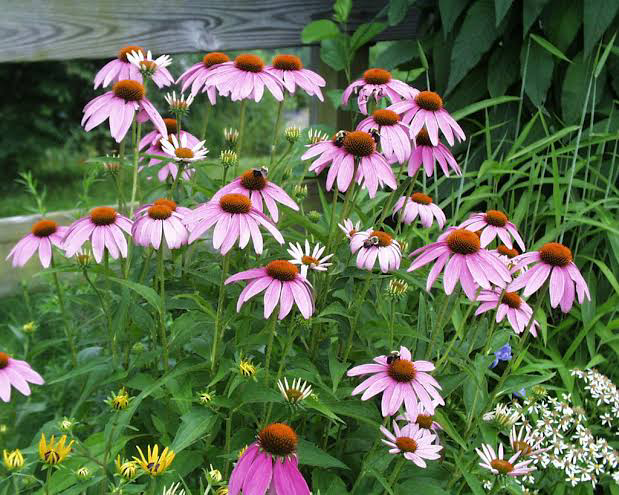
5. Flowers: Echinacea purpurea is renowned for its stunning, daisy-like flowers. The flowers are characterized by their distinctive cone-shaped, spiky centers, which are surrounded by vibrant purple or pink petals. These colorful petals attract pollinators such as bees and butterflies.
6. Root System: Beneath the soil, Echinacea purpurea develops a fibrous root system. The roots are usually slender and elongated, making them well-suited for extracting the plant’s medicinal compounds.
The Geographic Distribution of Echinacea purpurea
Echinacea purpurea is naturally distributed across various regions in North America. Here, we will list and explain six key aspects of the geographic distribution of Echinacea purpurea:
1. Native Range: Echinacea purpurea is native to the eastern and central regions of North America, including parts of the United States and Canada. It thrives in a range of habitats, from open woodlands to prairies.
2. Widely Cultivated: Due to its popularity as a medicinal herb, Echinacea purpurea is now cultivated in many countries around the world, extending its geographic presence beyond its native range.
3. Hardiness Zones: Echinacea purpurea is well-suited to grow in USDA hardiness zones 3 to 8, making it adaptable to a broad geographic range within North America.
4. Soil Preference: This plant prefers well-draining soils and can tolerate a variety of soil types, from sandy loam to clay, further expanding its geographic adaptability.
5. Sunlight Requirements: Echinacea purpurea thrives in full sun to partial shade, making it suitable for various climatic conditions and latitudes.
6. Natural Habitats: In its native range, Echinacea purpurea can be found in grasslands, meadows, and open woodland areas, often growing alongside other native plants.
The Chemical Composition of Echinacea purpurea
The chemical composition of Echinacea purpurea plays a crucial role in its medicinal properties. Here, we will list and explain seven key components found in Echinacea purpurea:
1. Alkamides: Alkamides are bioactive compounds that contribute to Echinacea purpurea’s immune-stimulating effects. They have been shown to enhance the activity of immune cells.
2. Polysaccharides: Polysaccharides in Echinacea purpurea may have immunomodulatory effects, helping the body respond to infections and inflammation.
3. Flavonoids: Flavonoids are antioxidants found in Echinacea purpurea, which can help combat oxidative stress and inflammation.
4. Caffeic Acid Derivatives: These compounds have anti-inflammatory and antioxidant properties, making them valuable for overall health.
5. Essential Oils: Echinacea purpurea contains essential oils with potential antimicrobial and anti-inflammatory effects.
6. Chicoric Acid: Chicoric acid is a unique compound in Echinacea purpurea known for its potential antiviral and antioxidant properties.
7. Polyacetylenes: Polyacetylenes are compounds with antimicrobial properties that may contribute to Echinacea purpurea’s ability to combat infections.
The Cultivation and Growth of Echinacea purpurea
Successful cultivation is essential for harnessing the medicinal benefits of Echinacea purpurea. Here, we will list and explain five key aspects of the cultivation and growth of Echinacea purpurea:
1. Soil Preparation: Echinacea purpurea thrives in well-draining soil. Prepare the soil by adding organic matter and ensuring good drainage to promote healthy root development.
2. Sunlight Requirements: Plant Echinacea purpurea in an area with full sun to partial shade, as it requires adequate sunlight for optimal growth and flowering.
3. Planting Depth: Sow seeds or transplant young Echinacea purpurea plants at a depth of about 1/4 inch (6 mm) in the soil. Ensure proper spacing to allow for mature plant growth.
4. Watering: Provide regular, moderate watering, especially during the plant’s establishment phase. Once established, Echinacea purpurea is relatively drought-tolerant.
5. Maintenance: Prune dead flower heads to encourage continuous blooming and prevent self-seeding, which can lead to overcrowding.
The Harvesting and Processing of Echinacea purpurea
Harvesting and processing Echinacea purpurea correctly are critical to preserving its medicinal properties. Here, we will list and explain eight key steps in the harvesting and processing of Echinacea purpurea:
1. Harvesting Time: Harvest Echinacea purpurea when it’s in full bloom, typically during the summer months. Choose flowers with vibrant petals and healthy foliage.
2. Cutting Stems: Use sharp, clean pruning shears to cut the stems just below the flower heads. Leave some leaves on the stem for photosynthesis.
3. Drying: Hang the harvested stems upside down in a well-ventilated area to dry. Ensure they are protected from direct sunlight and moisture.
4. Stripping Leaves and Flowers: Once dried, strip the leaves and flowers from the stems. Store them separately in airtight containers to maintain freshness.
5. Root Harvest: For root harvest, dig up mature Echinacea purpurea plants in the fall. Wash and clean the roots thoroughly.
6. Root Drying: Cut the roots into small pieces and dry them in a cool, dark place. Properly dried roots should snap when bent.
7. Grinding: Grind the dried leaves, flowers, or roots into a fine powder using a clean grinder or mortar and pestle.
8. Storage: Store the powdered Echinacea purpurea in airtight containers away from light and moisture to preserve its potency.
Read Also: 15 Medicinal Health Benefits Of Apocynum androsaemifolium (Spreading Dogbane)
The Medicinal Health Benefits Of Echinacea purpurea (Purple Coneflower)
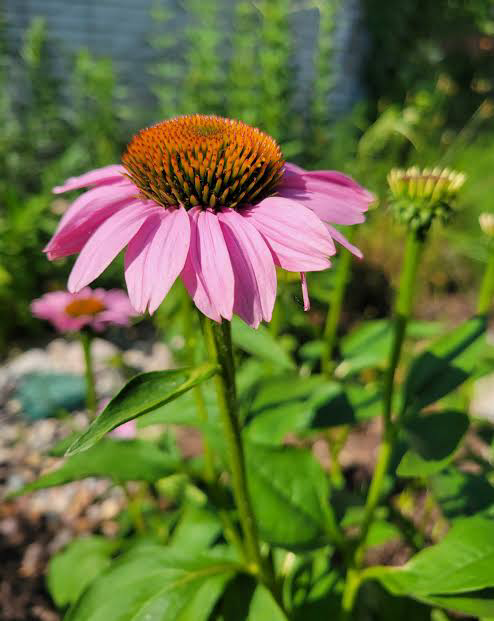
Echinacea purpurea, commonly known as purple coneflower, offers a diverse range of medicinal health benefits, making it a valuable herbal remedy. Here, we will list and explain 15 of these health benefits:
1. Immune System Support: Echinacea purpurea is renowned for its immune-boosting properties. It can enhance the body’s natural defenses against infections.
2. Cold and Flu Relief: This herb is often used to alleviate symptoms of the common cold and flu, such as congestion and sore throat.
3. Respiratory Health: Echinacea purpurea may help ease respiratory issues, including bronchitis and sinusitis, by reducing inflammation.
4. Wound Healing: Topical applications of Echinacea purpurea can promote wound healing and reduce the risk of infection.
5. Antibacterial Properties: It exhibits antibacterial effects, aiding in the treatment of bacterial infections.
6. Antiviral Effects: Echinacea purpurea may help combat various viruses, including the herpes simplex virus (HSV).
7. Anti-Inflammatory Action: It possesses anti-inflammatory properties that can alleviate conditions like arthritis and joint pain.
8. Pain Relief: This herb can be used to manage pain, making it useful for conditions such as headaches and toothaches.
9. Skin Health: Echinacea purpurea is known to improve skin health and may be beneficial for conditions like eczema and psoriasis.
10. Allergy Relief: Some individuals use Echinacea purpurea to alleviate allergy symptoms, although its efficacy varies among users.
11. Blood Sugar Regulation: Preliminary research suggests that it may help regulate blood sugar levels, potentially aiding individuals with diabetes.
12. Anxiety and Stress Reduction: Echinacea purpurea’s calming effects can contribute to reduced anxiety and stress.
13. Antioxidant Properties: It contains antioxidants that protect cells from oxidative damage and reduce the risk of chronic diseases.
14. Digestive Health: Echinacea purpurea may support digestion and relieve gastrointestinal discomfort.
15. Cancer Prevention: Some studies suggest that Echinacea purpurea may have potential in cancer prevention, although more research is needed in this area.
The Methods of Usage to Achieve the Provided Health Benefits Of Echinacea purpurea (Purple Coneflower)
To harness the medicinal health benefits of Echinacea purpurea effectively, various methods of usage are employed. Here, we will list and explain six common methods:
1. Herbal Tea: Brewing Echinacea purpurea as a tea is a popular method. Steep dried leaves, flowers, or roots in hot water for 10-15 minutes and drink up to three times a day.
2. Tinctures: Tinctures are concentrated liquid extracts of Echinacea purpurea. They are easy to dose and can be taken directly or diluted in water.
3. Capsules and Tablets: Echinacea purpurea is available in capsule or tablet form, providing a convenient way to incorporate it into your daily routine.
4. Topical Applications: Creams, ointments, and salves containing Echinacea purpurea are applied to wounds, skin conditions, or insect bites for healing and relief.
5. Echinacea Gargles and Mouthwashes: These are used for throat and oral health. Gargling or rinsing with Echinacea solutions can help alleviate discomfort.
6. Echinacea-Infused Oils: Infused oils are applied topically to soothe skin irritations and promote healing.
The Side Effects Of Using Echinacea purpurea Medicinal Plant
While Echinacea purpurea offers numerous health benefits, it’s important to be aware of potential side effects. Here, we will list and explain eight possible side effects:
1. Allergic Reactions: Some individuals may experience allergic reactions, including skin rashes, itching, or swelling.
2. Digestive Issues: Echinacea purpurea can cause stomach upset, nausea, or diarrhea in some people.
3. Interactions with Medications: It may interact with certain medications, so consult a healthcare provider before use, especially if taking immunosuppressants.
4. Autoimmune Conditions: People with autoimmune disorders should use Echinacea purpurea with caution, as it may stimulate the immune system.
5. Prolonged Use: Long-term use of Echinacea purpurea may reduce its effectiveness, so it’s advisable to use it intermittently.
6. Cross-Reactivity: Individuals allergic to plants in the Asteraceae family (e.g., ragweed) may also be allergic to Echinacea purpurea.
7. Headache and Dizziness: Some users report mild side effects like headaches and dizziness.
8. Pregnancy and Breastfeeding: Pregnant or nursing women should consult a healthcare provider before using Echinacea purpurea.
Read Also: 15 Medicinal Health Benefits Of Galium odoratum (Sweet woodruff)
Scientific Research and Studies of Echinacea purpurea
वैज्ञानिक अनुसंधान ने इचिनेशिया पुरपुरिया के विभिन्न पहलुओं पर प्रकाश डाला है। यहां, हम वैज्ञानिक अध्ययनों से आठ उल्लेखनीय निष्कर्षों को सूचीबद्ध और समझाएंगे:
1. प्रतिरक्षा मॉड्यूलेशन: अनुसंधान से पता चलता है कि इचिनेशिया पुरपुरिया प्रतिरक्षा कोशिका गतिविधि को बढ़ा सकता है, जिससे यह एक आशाजनक प्राकृतिक प्रतिरक्षा बूस्टर बन जाता है।
2. एंटीवायरल गतिविधि: अध्ययनों ने वायरस से लड़ने की इसकी क्षमता का पता लगाया है, जिसमें सर्दी और श्वसन संक्रमण के लिए जिम्मेदार वायरस भी शामिल हैं।
3. एंटी-इंफ्लेमेटरी गुण: इचिनेशिया पुरपुरिया के एंटी-इंफ्लेमेटरी प्रभाव गठिया और एलर्जी जैसी स्थितियों में लाभ पहुंचा सकते हैं।
4. घाव भरना: वैज्ञानिक जांच घाव भरने और ऊतक की मरम्मत में इसके उपयोग का समर्थन करती है।
5. नैदानिक परीक्षण: नियंत्रित नैदानिक परीक्षणों ने सर्दी की गंभीरता और अवधि को कम करने में इसकी प्रभावशीलता की जांच की है।
6. सुरक्षा प्रोफाइल: अनुसंधान ने इसकी सुरक्षा और संभावित दुष्प्रभावों की हमारी समझ में योगदान दिया है।
7. रासायनिक विश्लेषण: विस्तृत रासायनिक विश्लेषणों ने इसके चिकित्सीय प्रभावों के लिए जिम्मेदार प्रमुख यौगिकों की पहचान की है।
8. हर्बल संयोजन: अध्ययनों ने बेहतर स्वास्थ्य लाभ के लिए अन्य जड़ी-बूटियों के साथ इचिनेशिया पुरपुरिया के संयोजन में उपयोग का पता लगाया है।
इचिनेशिया पुरपुरिया औषधीय पौधे का उपयोग करने में सुरक्षा सावधानियां और सिफारिशें
इसके औषधीय लाभों के लिए इचिनेशिया पुरपुरिया का उपयोग करने के लिए सुरक्षा सावधानियों और सिफारिशों पर सावधानीपूर्वक विचार करने की आवश्यकता है। यहां, हम सात महत्वपूर्ण सावधानियों को सूचीबद्ध और समझाएंगे:
1. एलर्जी आकलन: इचिनेशिया पुरपुरिया का उपयोग करने से पहले, एस्टेरेसिया परिवार (जैसे कि रागवीड) के पौधों से ज्ञात एलर्जी वाले व्यक्तियों को सावधानी बरतनी चाहिए और इसे पूरी तरह से टालना भी चाह सकते हैं।
2. स्वास्थ्य सेवा प्रदाता से परामर्श: स्वास्थ्य सेवा प्रदाता से परामर्श करना उचित है, खासकर यदि आपको अंतर्निहित स्वास्थ्य स्थितियां हैं या दवाएं ले रहे हैं, ताकि यह सुनिश्चित हो सके कि इचिनेशिया पुरपुरिया आपके लिए सुरक्षित है।
3. खुराक दिशानिर्देश: उत्पाद लेबल पर या स्वास्थ्य सेवा पेशेवरों द्वारा दिए गए अनुशंसित खुराक दिशानिर्देशों का पालन करें। अधिक खपत से प्रतिकूल प्रभाव पड़ सकते हैं।
4. लंबे समय तक उपयोग से बचें: इसकी प्रभावशीलता बनाए रखने के लिए, इचिनेशिया पुरपुरिया का लगातार उपयोग करने के बजाय रुक-रुक कर उपयोग करने की सलाह दी जाती है।
5. गर्भावस्था और स्तनपान: गर्भवती या नर्सिंग महिलाओं को इचिनेशिया पुरपुरिया का उपयोग करने से पहले एक स्वास्थ्य सेवा प्रदाता से परामर्श करना चाहिए, क्योंकि इन स्थितियों में इसकी सुरक्षा पूरी तरह से स्थापित नहीं है।
6. दुष्प्रभावों की निगरानी: किसी भी प्रतिकूल प्रतिक्रिया, जैसे कि त्वचा पर चकत्ते, पाचन संबंधी समस्याएं या एलर्जी प्रतिक्रियाओं के प्रति सतर्क रहें, और यदि वे होते हैं तो उपयोग बंद कर दें।
7. उत्पादों की गुणवत्ता: उत्पाद की गुणवत्ता और शक्ति की गारंटी के लिए सुनिश्चित करें कि आप प्रतिष्ठित स्रोतों से इचिनेशिया पुरपुरिया उत्पाद खरीदते हैं।
इचिनेशिया पुरपुरिया औषधीय पौधे का उपयोग करने में कानूनी स्थिति और विनियम
इचिनेशिया पुरपुरिया के उपयोग से संबंधित कानूनी स्थिति और विनियम क्षेत्र और देश के अनुसार भिन्न हो सकते हैं। यहां, हम छह प्रमुख विचारों को सूचीबद्ध और समझाएंगे:
1. आहार पूरक: कई क्षेत्रों में, इचिनेशिया पुरपुरिया को एक आहार पूरक के रूप में वर्गीकृत किया गया है, जिसका मतलब है कि इसे बिना प्रिस्क्रिप्शन के कानूनी रूप से बेचा जा सकता है।
2. हर्बल उत्पाद विनियम: कुछ देशों में इचिनेशिया पुरपुरिया सहित हर्बल उत्पादों की बिक्री और लेबलिंग को नियंत्रित करने वाले विशिष्ट नियम हैं। ये नियम उत्पाद की गुणवत्ता और सुरक्षा सुनिश्चित करते हैं।
3. लेबलिंग आवश्यकताएँ: इचिनेशिया पुरपुरिया युक्त उत्पादों को लेबलिंग आवश्यकताओं का पालन करना चाहिए, जिसमें सटीक घटक सूची और खुराक अनुशंसाएँ शामिल हैं।
4. केवल प्रिस्क्रिप्शन की स्थिति: कुछ देशों में, कुछ इचिनेशिया पुरपुरिया की तैयारी केवल प्रिस्क्रिप्शन द्वारा ही उपलब्ध हो सकती है।
5. खेती के नियम: यदि आप इचिनेशिया पुरपुरिया की खेती करने की योजना बना रहे हैं, तो आपको हर्बल खेती के लिए कृषि नियमों और दिशानिर्देशों का पालन करना पड़ सकता है।
6. लुप्तप्राय प्रजाति संरक्षण: कुछ क्षेत्रों में, इचिनेशिया पुरपुरिया को लुप्तप्राय या संकटग्रस्त प्रजाति के रूप में संरक्षित किया जा सकता है, जिससे इसका संग्रह और उपयोग संरक्षण नियमों के अधीन हो जाता है।
आपके क्षेत्र में इचिनेशिया पुरपुरिया के उपयोग को नियंत्रित करने वाली विशिष्ट कानूनी स्थिति और नियमों पर शोध करना और उन्हें समझना आवश्यक है।
इचिनेशिया पुरपुरिया औषधीय पौधे के बारे में अक्सर पूछे जाने वाले प्रश्न
इचिनेशिया पुरपुरिया के औषधीय उपयोग में रुचि रखने वालों को व्यापक जानकारी प्रदान करने के लिए यहां 18 अक्सर पूछे जाने वाले प्रश्न (एफएक्यू) दिए गए हैं:
1. इचिनेशिया पुरपुरिया क्या है?
इचिनेशिया पुरपुरिया, जिसे आमतौर पर बैंगनी कोनफ्लॉवर के रूप में जाना जाता है, एक औषधीय पौधा है जो अपने प्रतिरक्षा-बढ़ाने वाले गुणों के लिए प्रसिद्ध है।
2. इचिनेशिया पुरपुरिया के स्वास्थ्य लाभ क्या हैं?
इचिनेशिया पुरपुरिया कई स्वास्थ्य लाभ प्रदान करता है, जिसमें प्रतिरक्षा समर्थन, सर्दी से राहत और घाव भरना शामिल है।
3. इचिनेशिया पुरपुरिया का औषधीय उपयोग कैसे किया जाता है?
इसे चाय, कैप्सूल, टिंचर के रूप में सेवन किया जा सकता है, या क्रीम और मलहम में शीर्ष रूप से इस्तेमाल किया जा सकता है।
4. क्या इचिनेशिया पुरपुरिया सभी के लिए सुरक्षित है?
नहीं, एस्टरेसिया परिवार के पौधों से एलर्जी वाले व्यक्तियों और कुछ चिकित्सीय स्थितियों वाले लोगों को सावधानी बरतनी चाहिए।
5. क्या गर्भवती या स्तनपान कराने वाली महिलाएं इचिनेशिया पुरपुरिया का उपयोग कर सकती हैं?
उपयोग करने से पहले एक स्वास्थ्य सेवा प्रदाता से परामर्श करें, क्योंकि इन स्थितियों में सुरक्षा पूरी तरह से स्थापित नहीं है।
6. इचिनेशिया पुरपुरिया के संभावित दुष्प्रभाव क्या हैं?
संभावित दुष्प्रभावों में एलर्जी, पाचन संबंधी समस्याएं और दवाओं के साथ प्रतिक्रियाएं शामिल हैं।
7. इचिनेशिया पुरपुरिया को कैसे संग्रहीत किया जाना चाहिए?
इसे सीधी धूप और नमी से दूर, ठंडी, सूखी जगह पर स्टोर करें।
8. क्या इचिनेशिया पुरपुरिया को घर पर उगाया जा सकता है?
हाँ, इसे बगीचों या गमलों में उगाया जा सकता है, बशर्ते उपयुक्त बढ़ती परिस्थितियाँ पूरी हों।
9. क्या इचिनेशिया की विभिन्न प्रजातियां हैं?
हाँ, इचिनेशिया की कई प्रजातियां हैं, जिनमें से इचिनेशिया पुरपुरिया सबसे अधिक इस्तेमाल की जाने वाली प्रजातियों में से एक है।
10. क्या इचिनेशिया पुरपुरिया का उपयोग सामान्य सर्दी जैसे वायरल संक्रमणों के लिए किया जा सकता है?
कुछ शोध बताते हैं कि यह सर्दी के लक्षणों की गंभीरता और अवधि को कम करने में मदद कर सकता है।
11. क्या इचिनेशिया पुरपुरिया दवाओं के साथ परस्पर क्रिया करती है?
यह कुछ दवाओं के साथ परस्पर क्रिया कर सकती है, इसलिए उपयोग करने से पहले एक स्वास्थ्य सेवा प्रदाता से परामर्श करें।
12. क्या इचिनेशिया पुरपुरिया एलर्जी के लिए प्रभावी है?
यह कुछ व्यक्तियों में एलर्जी के लक्षणों को कम करने में मदद कर सकती है, लेकिन इसकी प्रभावशीलता भिन्न होती है।
13. क्या इचिनेशिया पुरपुरिया का उपयोग एंटीबायोटिक के रूप में किया जा सकता है?
हालांकि इसमें जीवाणुरोधी गुण होते हैं, लेकिन इसे गंभीर संक्रमणों के लिए निर्धारित एंटीबायोटिक दवाओं की जगह नहीं लेनी चाहिए।
14. क्या इचिनेशिया पुरपुरिया का उपयोग करने के लिए कोई आयु प्रतिबंध है?
यह आमतौर पर वयस्कों और एक वर्ष से अधिक उम्र के बच्चों के लिए सुरक्षित माना जाता है। बच्चों के लिए बाल रोग विशेषज्ञ से परामर्श करें।
15. क्या इचिनेशिया पुरपुरिया का उपयोग अन्य हर्बल उपचारों के साथ किया जा सकता है?
हां, इसे अन्य जड़ी-बूटियों के साथ जोड़ा जा सकता है, लेकिन मार्गदर्शन के लिए एक हर्बलिस्ट से परामर्श करें।
16. क्या इचिनेशिया पुरपुरिया सरकारी एजेंसियों द्वारा विनियमित है?
यह कुछ क्षेत्रों में आहार पूरक और हर्बल उत्पादों को नियंत्रित करने वाले नियमों के अधीन हो सकता है।
17. क्या इचिनेशिया पुरपुरिया का उपयोग गठिया जैसी पुरानी स्थितियों के लिए किया जा सकता है?
कुछ अध्ययनों से पता चलता है कि यह गठिया जैसी स्थितियों में सूजन को कम करने में मदद कर सकता है।
18. क्या इचिनेशिया पुरपुरिया के उपयोग के लिए कोई ज्ञात मतभेद हैं?
यदि आपको ऑटोइम्यून विकार है तो इसका उपयोग करने से बचें, और यदि आप इम्यूनोसप्रेस्ड हैं तो एक स्वास्थ्य सेवा प्रदाता से परामर्श करें।
क्या आपके कोई प्रश्न, सुझाव या योगदान हैं? यदि हां, तो कृपया अपनी राय साझा करने के लिए नीचे दिए गए टिप्पणी बॉक्स का उपयोग करने के लिए स्वतंत्र महसूस करें। हम आपको इस जानकारी को दूसरों के साथ साझा करने के लिए भी प्रोत्साहित करते हैं जो इससे लाभान्वित हो सकते हैं। चूंकि हम एक ही बार में सभी तक नहीं पहुंच सकते, इसलिए हम इस बात को फैलाने में आपकी मदद की वास्तव में सराहना करते हैं। आपके समर्थन और साझा करने के लिए आपका बहुत-बहुत धन्यवाद!
अस्वीकरण: यह लेख केवल शैक्षिक और सूचनात्मक उद्देश्यों के लिए है। वर्णित स्वास्थ्य लाभ वैज्ञानिक अनुसंधान और पारंपरिक ज्ञान पर आधारित हैं। वे पेशेवर चिकित्सा सलाह, निदान या उपचार का विकल्प नहीं हैं। चिकित्सा उद्देश्यों के लिए किसी भी जड़ी बूटी या प्राकृतिक उपचार का उपयोग करने से पहले हमेशा एक स्वास्थ्य सेवा पेशेवर से परामर्श लें।
यह भी पढ़ें: अदरक के 11 अद्भुत स्वास्थ्य लाभ