


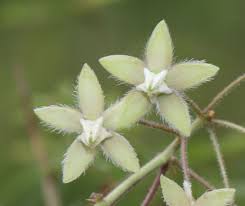
Understanding the botanical features of Pergularia daemia is essential to appreciate its unique characteristics and medicinal value. Here are nine key aspects of its botanical description:
1. Family: Pergularia daemia belongs to the Apocynaceae family, commonly known as the dogbane family.
2. Habit: It is a perennial herbaceous plant, meaning it lives for more than two years and lacks a woody stem.
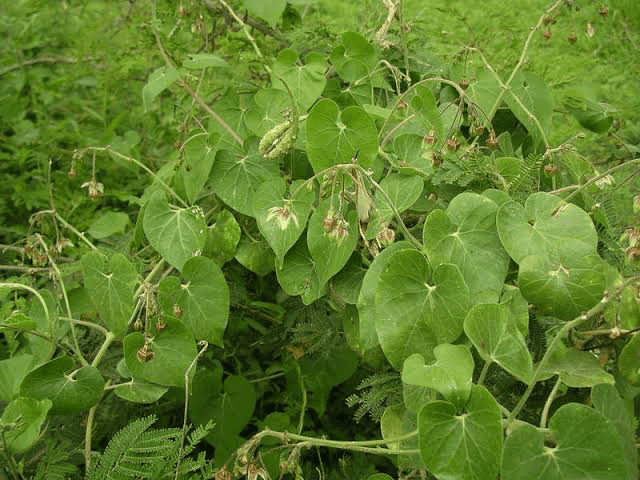
3. Leaves: The leaves of Pergularia daemia are simple, opposite, and lanceolate, with a smooth texture and a dark green color.
4. Flowers: The plant produces small, attractive, star-shaped flowers that are typically pale purple or pink in color. These flowers have a pleasant fragrance.
5. Fruits: Bala bears slender, elongated fruits that contain numerous seeds. The fruits are dry and split open when ripe to disperse the seeds.
6. Roots: The roots of Pergularia daemia are fibrous and have a slightly bitter taste.
7. Height: It usually grows to a height of 30-60 cm (12-24 inches), making it a relatively small plant.
8. Habitat: Bala is commonly found in tropical and subtropical regions, growing in sandy soils and wastelands.
9. Flowering Season: The plant typically flowers during the summer and autumn seasons, showcasing its vibrant blooms.
The Geographic Distribution of Pergularia Daemia
Understanding the geographic distribution of Pergularia daemia is crucial for conservation efforts and for those interested in its cultivation and utilization. This plant has a specific range that spans several regions. Here’s a list and explanation of its geographic distribution:
1. Native Range: Pergularia daemia is native to the Indian subcontinent, particularly India, Pakistan, and Sri Lanka. It thrives in various climatic conditions of this region.
2. Wider Distribution: Beyond its native range, Pergularia daemia can also be found in parts of Southeast Asia and East Africa, where it has naturalized.
3. Habitat: This plant typically grows in open, sunny areas, and is often found in wastelands, along roadsides, and in cultivated fields.
4. Altitude: Pergularia daemia is adapted to a wide range of altitudes, from sea level up to around 1,500 meters (4,921 feet) above sea level.
5. Climate Preferences: It prefers tropical and subtropical climates with warm temperatures and adequate rainfall.
6. Soil Requirements: This plant is adaptable to various soil types, including sandy, loamy, and clayey soils, as long as there is good drainage.
7. Invasive Potential: In some regions outside its native habitat, Pergularia daemia has become invasive, competing with native vegetation.
Understanding where Pergularia daemia naturally occurs and its adaptability to different environments is essential for its sustainable management and utilization.
The Chemical Composition of Pergularia Daemia
Pergularia daemia possesses a diverse chemical composition, which contributes to its medicinal properties. Here’s an explanation of the key components found in Pergularia daemia:
1. Alkaloids: Pergularia daemia contains alkaloids such as pergularinine, pergularidine, and pergularinine-N-oxide, which have various pharmacological effects.
2. Sterols: Sterols, including β-sitosterol and stigmasterol, are present in Pergularia daemia and have anti-inflammatory properties.
3. Flavonoids: Flavonoids, like quercetin and kaempferol, are known for their antioxidant and anti-inflammatory effects.
4. Tannins: Tannins contribute to the plant’s astringent properties and potential health benefits.
5. Glycosides: Certain glycosides are found in Pergularia daemia and may have therapeutic effects.
6. Resin: Resin content in the plant contributes to its traditional medicinal uses.
7. Phenolic Compounds: These compounds have antioxidant properties and are believed to play a role in the plant’s health benefits.
8. Carbohydrates: Carbohydrates are essential for the plant’s growth and energy storage.
The Harvesting and Processing of Pergularia Daemia
Proper harvesting and processing of Pergularia daemia are essential to preserve its medicinal qualities and ensure its safety for consumption. Here, we’ll list and explain eight key steps in the harvesting and processing of Pergularia daemia:
1. Selection of Mature Plants: Harvesters should select mature Pergularia daemia plants with well-developed leaves and stems. Typically, harvesting is done when the plant is in its active growth phase.
2. Timing: Harvesting is often done during the flowering and fruiting seasons when the plant’s bioactive compounds are at their peak.
3. Manual Harvesting: Harvesters use traditional hand tools to carefully cut the plant at the stem, ensuring minimal damage.
4. Washing and Cleaning: After harvesting, the plant material is thoroughly washed and cleaned to remove dirt and contaminants.
5. Drying: The cleaned plant material is spread out in a well-ventilated area to dry naturally. Proper drying is essential to prevent mold and decay.
6. Storage: Once completely dry, the plant material is stored in a cool, dry place in airtight containers to maintain its quality.
7. Quality Control: Throughout the harvesting and processing stages, quality control measures are implemented to ensure that the final product meets safety and efficacy standards.
8. Traditional Preparation: Depending on its intended use, Pergularia daemia can be further processed into various forms, such as powders, extracts, or teas, following traditional methods.
Read Also: The Health Benefits of Using Jeera Spice on your Cooking
The Medicinal Health Benefits Of Pergularia Daemia (Bala)
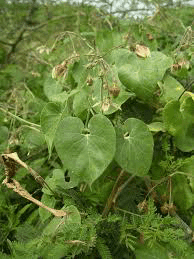
Pergularia daemia, commonly known as Bala, is a medicinal plant celebrated for its various health benefits. Let’s explore 19 of these remarkable health benefits and their explanations:
1. Immune System Booster: Bala enhances the immune system, helping the body fight infections more effectively.
2. Respiratory Health: It aids in respiratory conditions like asthma and bronchitis by acting as a bronchodilator.
3. Anti-Inflammatory: Bala contains compounds that reduce inflammation and alleviate conditions like arthritis.
4. Pain Relief: It acts as a natural analgesic, relieving pain, including headaches and joint discomfort.
5. Digestive Aid: Bala supports digestion and alleviates issues like indigestion and bloating.
6. Diuretic Properties: It promotes toxin elimination by increasing urine production.
7. Cardiovascular Health: Bala helps regulate blood pressure and cholesterol levels, benefiting heart health.
8. Anti-diabetic Effects: Some studies suggest it may help manage blood sugar levels, particularly in diabetes.
9. त्वचा का स्वास्थ्य: बाला का उपयोग त्वचा की स्थितियों जैसे कि एक्जिमा और सोरायसिस के इलाज के लिए किया जाता है क्योंकि इसमें एंटी-इंफ्लेमेटरी और हीलिंग गुण होते हैं।
10. घाव भरना: यह घाव भरने को तेज करता है और जब इसे ऊपर से लगाया जाता है तो त्वचा की जलन को शांत करता है।
11. चिंता-विरोधी: बाला में शांत करने वाले गुण होते हैं और यह चिंता को कम करने में मदद कर सकता है।
12. एंटीडिप्रेसेंट: यह डिप्रेशन के लक्षणों को कम कर सकता है और मूड को बेहतर बना सकता है।
13. तनाव कम करना: बाला के एडाप्टोजेनिक गुण शरीर को तनाव से निपटने में मदद करते हैं।
14. एंटी-एजिंग: इसमें एंटीऑक्सीडेंट होते हैं जो फ्री रेडिकल्स से लड़ते हैं और युवा त्वचा को बढ़ावा देते हैं।
15. पाचन विकार: बाला गैस्ट्रिटिस और इरिटेबल बॉवेल सिंड्रोम जैसे पाचन विकारों के लक्षणों को कम करता है।
16. एंटी-फंगल: इसमें एंटीफंगल गुण होते हैं, जो इसे फंगल संक्रमण के लिए उपयोगी बनाते हैं।
17. मासिक धर्म से राहत: बाला मासिक धर्म की परेशानी को कम कर सकता है और मासिक धर्म चक्र को विनियमित कर सकता है।
18. एंटीस्पास्मोडिक: यह मांसपेशियों की ऐंठन को शांत करता है, जिससे ऐंठन से राहत मिलती है।
19. एंटी-कैंसर गुण: बाला में कुछ यौगिकों ने कैंसर अनुसंधान में क्षमता दिखाई है।
पेरगुलेरिया डेमिया (बाला) के प्रदान किए गए स्वास्थ्य लाभों को प्राप्त करने के तरीके
बाला के स्वास्थ्य लाभों का दोहन करने के लिए, विभिन्न उपयोग विधियों का उपयोग किया जाता है। यहां सामान्य तरीके और उनके स्पष्टीकरण दिए गए हैं:
1. हर्बल चाय: बाला की पत्तियों से चाय बनाना सेवन का एक पारंपरिक और प्रभावी तरीका है।
2. काढ़े: बाला के पौधे के हिस्सों को उबालकर मौखिक सेवन के लिए एक गाढ़ा तरल बनाना।
3. टिंचर: बाला से बने तरल अर्क का उपयोग सटीक खुराक के लिए किया जाता है।
4. कैप्सूल और टैबलेट: बाला आसान दैनिक सेवन के लिए पूरक रूप में उपलब्ध है।
5. सामयिक क्रीम: बाला युक्त क्रीम त्वचा संबंधी लाभों के लिए त्वचा पर लगाई जाती हैं।
6. पुल्टिस: मसले हुए बाला पौधे की सामग्री को सीधे घावों या त्वचा की स्थिति पर लगाया जाता है।
7. पाक उपयोग: कुछ क्षेत्रों में, बाला को इसके संभावित स्वास्थ्य लाभों के लिए व्यंजनों में शामिल किया जाता है।
8. इन्फ्यूज्ड तेल: बाला-इन्फ्यूज्ड तेलों का उपयोग मालिश और सामयिक अनुप्रयोगों के लिए किया जाता है।
9. साँस लेना: बाला आवश्यक तेल की सुगंध को साँस लेने से श्वसन संबंधी लाभ हो सकते हैं।
10. गरारे और माउथवॉश: मौखिक स्वास्थ्य के लिए बाला के साथ गरारे या माउथवॉश तैयार करना।
11. सिरप: बाला सिरप इसे सेवन करने का एक मीठा तरीका प्रदान करता है, खासकर बच्चों के लिए।
12. धूम्रपान मिश्रण: कुछ संस्कृतियों में, बाला का उपयोग इसके शांत प्रभाव के लिए धूम्रपान मिश्रण में किया जाता है।
पर्गुलेरिया डेमिया औषधीय पौधे के उपयोग के दुष्प्रभाव
जबकि बाला कई स्वास्थ्य लाभ प्रदान करता है, संभावित दुष्प्रभावों के बारे में पता होना महत्वपूर्ण है। यहां कुछ संभावित दुष्प्रभाव और उनके स्पष्टीकरण दिए गए हैं:
1. एलर्जी प्रतिक्रियाएँ: कुछ व्यक्तियों को बाला से एलर्जी हो सकती है, जिससे खुजली या पित्ती जैसे एलर्जी के लक्षण हो सकते हैं।
2. पाचन संबंधी परेशानी: दुर्लभ मामलों में, बाला से पाचन संबंधी परेशानी हो सकती है, जिसमें मतली या दस्त शामिल हैं।
3. हार्मोनल प्रभाव: हार्मोन पर इसके प्रभाव के कारण, बाला का उपयोग हार्मोनल विकारों वाले व्यक्तियों द्वारा सावधानी से किया जाना चाहिए।
4. दवाओं के साथ इंटरेक्शन: बाला कुछ दवाओं के साथ इंटरेक्शन कर सकता है, इसलिए उपयोग करने से पहले एक स्वास्थ्य सेवा पेशेवर से परामर्श लें।
5. त्वचा में जलन: जब इसे शीर्ष रूप से उपयोग किया जाता है, तो यह कुछ व्यक्तियों में त्वचा में जलन या एलर्जी प्रतिक्रियाएं पैदा कर सकता है।
6. गर्भावस्था और स्तनपान: सीमित सुरक्षा डेटा के कारण गर्भवती और स्तनपान कराने वाली महिलाओं को बाला से बचना चाहिए।
7. लीवर स्वास्थ्य: उच्च खुराक लीवर के कार्य को प्रभावित कर सकती हैं, इसलिए बाला का उपयोग करते समय लीवर के स्वास्थ्य की निगरानी करें।
8. अति प्रयोग: अत्यधिक उपयोग से शरीर की प्रणालियों में असंतुलन हो सकता है, इसलिए अनुशंसित खुराक का पालन करें।
यह भी पढ़ें: स्लिपरी एल्म ट्री की बढ़ती गाइड और स्वास्थ्य लाभ
पर्गुलरिया डेमिया (बाला) का वैज्ञानिक अनुसंधान और अध्ययन
पर्गुलरिया डेमिया, जिसे आमतौर पर बाला के नाम से जाना जाता है, औषधीय गुणों और संभावित अनुप्रयोगों का पता लगाने के लिए वैज्ञानिक अनुसंधान और अध्ययन का विषय रहा है। वैज्ञानिक अनुसंधान से कुछ प्रमुख निष्कर्ष यहां दिए गए हैं:
1. इम्यूनोमॉड्यूलेटरी प्रभाव: रिसर्च से पता चला है कि Pergularia Daemia इम्यूनोमॉड्यूलेटरी गुण प्रदर्शित करता है, जो शरीर की प्रतिरक्षा प्रतिक्रिया को बढ़ाता है।
2. एंटीऑक्सीडेंट गतिविधि: अध्ययनों ने इसके एंटीऑक्सीडेंट गुणों की पुष्टि की है, जो कोशिकाओं को ऑक्सीडेटिव क्षति से बचाने में मदद करते हैं।
3. एंटी-इंफ्लेमेटरी प्रभाव: वैज्ञानिक जांच बाला के एंटी-इंफ्लेमेटरी गुणों का समर्थन करती है, जिससे यह सूजन की स्थितियों के उपचार में प्रासंगिक है।
4. एंटीमाइक्रोबियल गुण: बाला ने विभिन्न बैक्टीरिया और कवक के खिलाफ एंटीमाइक्रोबियल गतिविधि का प्रदर्शन किया है।
5. श्वसन संबंधी लाभ: शोध से पता चलता है कि बाला का ब्रोंकोडाइलेटर प्रभाव अस्थमा जैसी श्वसन स्थितियों वाले व्यक्तियों की मदद कर सकता है।
6. दर्द प्रबंधन: अध्ययनों से पता चलता है कि इसमें एक प्राकृतिक एनाल्जेसिक के रूप में क्षमता है, जो दर्द और बेचैनी से राहत प्रदान करता है।
7. हृदय स्वास्थ्य: कुछ अनुसंधान से पता चलता है कि Pergularia Daemia रक्तचाप और कोलेस्ट्रॉल के स्तर को नियंत्रित करके हृदय स्वास्थ्य पर सकारात्मक प्रभाव डाल सकता है।
8. एंटी-डायबिटिक क्षमता: बाला ने रक्त शर्करा के स्तर को नियंत्रित करने में मदद करके मधुमेह के प्रबंधन में आशाजनक परिणाम दिखाए हैं।
9. Wound Healing: Laboratory studies have shown that Bala can promote the healing of wounds and skin injuries.
10. Anti-Anxiety and Anti-Depressant Effects: Research hints at Bala’s potential to reduce symptoms of anxiety and depression.
11. Anticancer Activity: Preliminary studies have explored Bala’s potential anticancer properties, although further research is needed.
The Safety Precautions and Recommendations In Using Pergularia Daemia (Bala) Medicinal Plant
While Bala offers a range of health benefits, it’s essential to use it safely. Here are safety precautions and recommendations:
1. Consult a Healthcare Professional: Before using Bala for medicinal purposes, consult a healthcare provider, especially if you have underlying health conditions or are taking medications.
2. Follow Dosage Instructions: Adhere to recommended dosages provided on product labels or by healthcare professionals.
3. Avoid During Pregnancy and Lactation: Pregnant and breastfeeding women should avoid Bala due to limited safety data.
4. Monitor for Allergic Reactions: Be vigilant for signs of allergic reactions, such as itching, hives, or difficulty breathing, and discontinue use if they occur.
5. Be Cautious with Hormonal Disorders: If you have hormonal disorders or imbalances, use Bala with caution, as it may affect hormone levels.
6. लिवर के स्वास्थ्य की निगरानी करें: बाला की उच्च खुराक लिवर के कार्य को प्रभावित कर सकती है, इसलिए लिवर के स्वास्थ्य पर नज़र रखें और यदि आपको लिवर की समस्याओं के लक्षण दिखाई दें तो स्वास्थ्य सेवा प्रदाता से परामर्श लें।
7. संभावित अंतःक्रियाओं के बारे में जागरूक रहें: बाला कुछ दवाओं के साथ परस्पर क्रिया कर सकती है, इसलिए अपने स्वास्थ्य सेवा प्रदाता को उन सभी दवाओं और पूरकों के बारे में बताएं जो आप ले रहे हैं।
8. संयम बरतें: शरीर के सिस्टम में असंतुलन को रोकने के लिए बाला के अत्यधिक उपयोग से बचें।
पेरगुलेरिया डेमिया (बाला) औषधीय पौधे के बारे में अक्सर पूछे जाने वाले प्रश्न
पेरगुलेरिया डेमिया के बारे में 14 अक्सर पूछे जाने वाले प्रश्न (एफएक्यू) यहां दिए गए हैं, जो इसके उपयोग में रुचि रखने वालों को आवश्यक जानकारी प्रदान करते हैं:
1. पेरगुलेरिया डेमिया क्या है? – पेरगुलेरिया डेमिया, जिसे आमतौर पर बाला के रूप में जाना जाता है, एक औषधीय पौधा है जिसका उपयोग इसके स्वास्थ्य लाभों के लिए किया जाता है।
2. इसके सामान्य नाम क्या हैं? – सामान्य नामों में बाला, सूत्रनाभि और उटलीगानेरी शामिल हैं।
3. इसका पारंपरिक रूप से उपयोग कैसे किया जाता है? – बाला का उपयोग विभिन्न रूपों में किया जाता है, जिसमें चाय, कैप्सूल और टिंचर शामिल हैं।
4. इसके प्राथमिक स्वास्थ्य लाभ क्या हैं? – लाभों में प्रतिरक्षा समर्थन, श्वसन स्वास्थ्य और सूजन-रोधी प्रभाव शामिल हैं।
5. क्या इसके कोई दुष्प्रभाव हैं? – संभावित दुष्प्रभावों में एलर्जी, पाचन संबंधी परेशानी और हार्मोनल प्रभाव शामिल हैं।
6. क्या गर्भावस्था के दौरान यह सुरक्षित है? – गर्भवती और स्तनपान कराने वाली महिलाओं को सीमित सुरक्षा डेटा के कारण इससे बचना चाहिए।
7. क्या यह दवाओं के साथ प्रतिक्रिया कर सकता है? – हाँ, यह कुछ दवाओं के साथ प्रतिक्रिया कर सकता है, इसलिए स्वास्थ्य सेवा प्रदाता से परामर्श करें।
8. इसे कैसे संग्रहित किया जाना चाहिए? – इसे सीधी धूप से दूर, ठंडी, सूखी जगह पर संग्रहित करें।
9. क्या यह दीर्घकालिक उपयोग के लिए सुरक्षित है? – दीर्घकालिक सुरक्षा व्यक्तिगत कारकों पर निर्भर करती है, इसलिए स्वास्थ्य सेवा प्रदाता से परामर्श करें।
10. क्या इसे सामयिक रूप से इस्तेमाल किया जा सकता है? – हाँ, इसे त्वचा संबंधी लाभों के लिए सामयिक रूप से लगाया जा सकता है।
11. क्या इसके स्वास्थ्य दावों के लिए कोई वैज्ञानिक आधार है? – हाँ, वैज्ञानिक अनुसंधान इसके कई स्वास्थ्य लाभों का समर्थन करता है।
12. मैं Pergularia Daemia उत्पाद कहां पा सकता हूं? – वे हर्बल स्टोर्स, ऑनलाइन रिटेलर्स और स्वास्थ्य सेवा पेशेवरों के माध्यम से उपलब्ध हैं।
13. क्या बाला का उपयोग निवारक उपाय के रूप में किया जा सकता है? – बाला का उपयोग अक्सर समग्र स्वास्थ्य और प्रतिरक्षा को बनाए रखने के लिए निवारक टॉनिक के रूप में किया जाता है।
14. क्या इसके उपयोग के लिए कोई आयु प्रतिबंध हैं? – बाला का उपयोग आमतौर पर वयस्कों द्वारा और कुछ मामलों में, चिकित्सा पर्यवेक्षण के तहत बच्चों द्वारा किया जा सकता है।
क्या आपके कोई प्रश्न, सुझाव या योगदान हैं? यदि हां, तो कृपया अपनी राय साझा करने के लिए नीचे दिए गए टिप्पणी बॉक्स का उपयोग करने के लिए स्वतंत्र महसूस करें। हम आपको इस जानकारी को दूसरों के साथ साझा करने के लिए भी प्रोत्साहित करते हैं जिन्हें इससे लाभ हो सकता है। चूंकि हम एक ही बार में सभी तक नहीं पहुंच सकते हैं, इसलिए हम इस बात को फैलाने में आपकी मदद की वास्तव में सराहना करते हैं। आपके समर्थन और साझा करने के लिए बहुत-बहुत धन्यवाद!
अस्वीकरण: यह लेख केवल शैक्षिक और सूचनात्मक उद्देश्यों के लिए है। वर्णित स्वास्थ्य लाभ वैज्ञानिक अनुसंधान और पारंपरिक ज्ञान पर आधारित हैं। वे पेशेवर चिकित्सा सलाह, निदान या उपचार का विकल्प नहीं हैं। चिकित्सा उद्देश्यों के लिए किसी भी जड़ी बूटी या प्राकृतिक उपचार का उपयोग करने से पहले हमेशा एक स्वास्थ्य सेवा पेशेवर से परामर्श करें।
यह भी पढ़ें: हाइड्रोपोनिक खेती के प्रकार और लाभ