


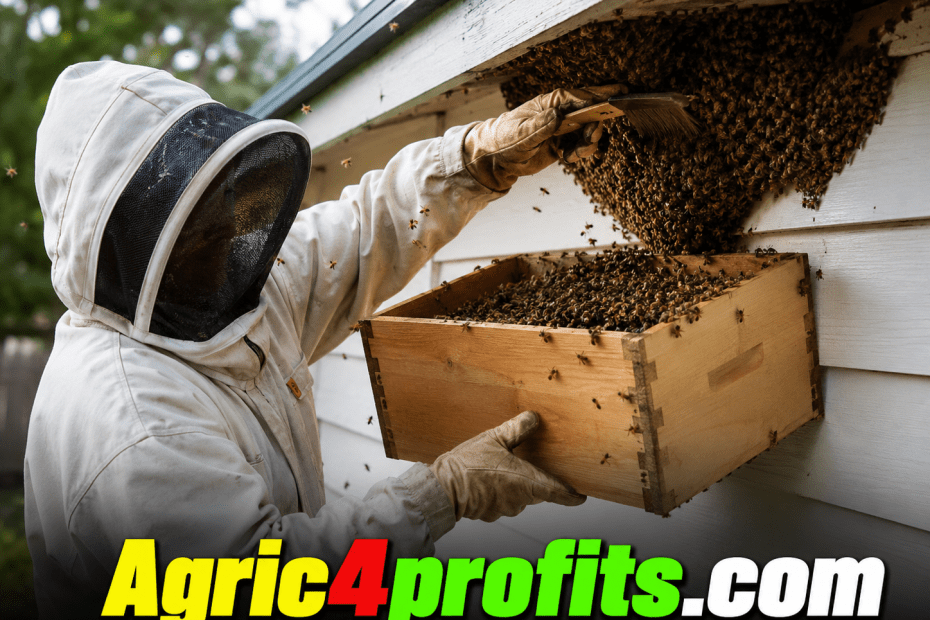
Getting rid of honey bees without killing them takes patience, restraint, and a clear understanding of what attracts them. These insects are valuable pollinators, so humane control protects your home and the environment.
Most bee problems start when food smells, standing water, shelter, or sugary spills draw scouts near a building. Once they find a dependable place, they signal the colony, and a small issue can quickly grow.
Because honey bees are social, effective control focuses on making the space less appealing rather than using force. When you remove what they need, seal entry points, and redirect their activity, they usually move on.
People often confuse honey bees with other stinging insects, and that mistake can lead to harm. Careful identification matters because a humane response depends on whether you are facing a visit or an established hive.
The safest approach combines prevention, gentle deterrents, and professional help when a colony is already nesting. That method protects the bees, keeps your property manageable, and supports the pollination services gardens and farms depend on.
Read Also: Guide on How to Use Cover Crops
🌿 Go Organic on Your Farm: Instead of harmful chemical pesticides and fertilisers, try our organic farming products — including neem oil spray, bio-pesticides, natural plant treatments, organic seeds and seedlings, suckers, and many more organic products that are safe for your health, your family, your soil and your harvest. Shop Now →
Why do Bees make Honey if they don't eat it
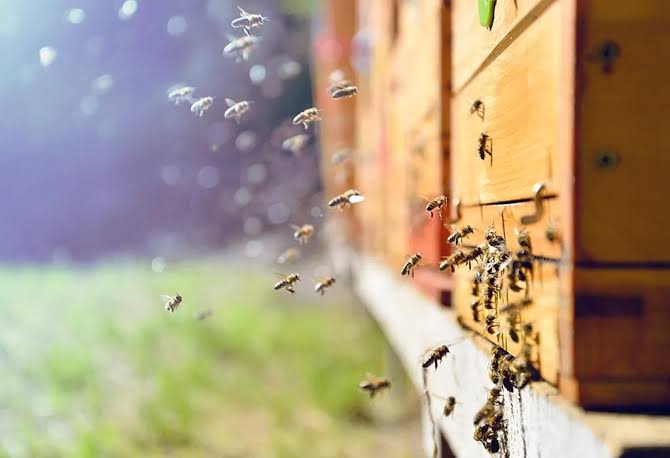
Honey bees create honey as a dependable food reserve for the entire colony, not as a decorative surplus. During seasons with limited blooms, stored honey keeps adults and larvae fed, warm, and active.
Nectar collected from flowers is carried back to the hive and processed through enzymes and evaporation. That transformation lowers moisture, raises stability, and turns a fragile sugar liquid into a shelf-stable energy source.
This process connects directly to The Benefits of Beekeeping and Honey Production, because beekeepers manage colonies around storage, brood health, and seasonal food needs. Healthy honey reserves usually indicate a strong, productive hive.
Bees consume honey whenever weather, forage, or colony demand requires extra energy. For that reason, the idea that bees never eat their own honey is inaccurate; they rely on it constantly in hard periods.
🔧 Free Farm Tool Available: Use our free Agric4Profits Farm Tools to calculate your farm profits, formulate feeds, identify pests and diseases on both your crops and animal farms, plan your planting and harvesting season, including many more farm tasks to get free expert advice and recommendations — completely free, no registration required. Access Free Tools →
Honey also supports larvae, which need steady nourishment before they become workers, guards, or foragers. Good colony management often overlaps with Best Organic Agriculture Practices, especially when farmers reduce chemical pressure around flowering areas.
A hive with reliable honey stores can better survive dry spells, cold nights, or sudden shortages of nectar. That resilience matters because foragers work across landscapes shaped by cover crops and flowering plant systems.
The same natural storage system explains why bees value abundant blossoms and diverse forage. Gardens designed through Importance of Flowers in Horticulture and Ornamental Landscaping can strengthen local pollinator health while improving food availability.
In practical terms, honey is the colony's insurance policy. It fuels movement, supports brood development, and helps the hive respond to stress without collapsing, which is why humans should protect bees rather than disturb them.
How far do Honey Bees Travel from their Hive
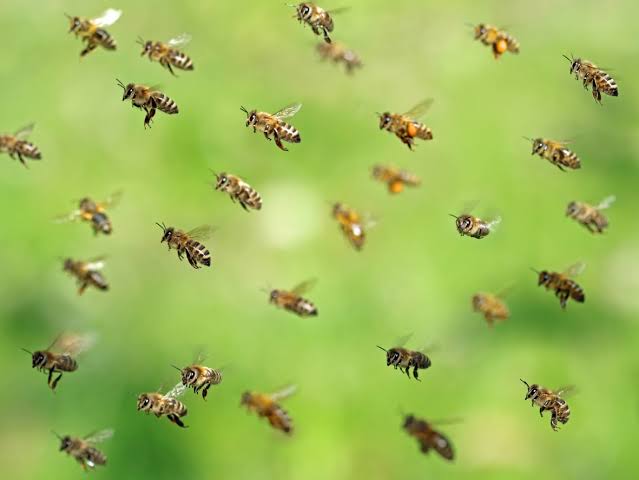
Honey bees often travel several miles from the hive, but exact distances depend on nectar density, weather, and colony needs. Strong food sources close by usually reduce how far they must fly.
💬 Have a Farming Question? Join thousands of farmers across Africa on the Agric4Profits Community — ask questions, share experiences and connect with agricultural experts. It is completely free. Ask Your Question Now →
When flowers are abundant nearby, foragers conserve energy by harvesting those patches repeatedly. This is one reason How to Attract Pollinators to Your Garden matters for home growers who want steady bee activity.
If nearby forage is poor, workers extend their range and search more widely. That flexibility supports Importance of Pollinators in Agriculture and Ecosystem, because bees can connect distant flowering habitats and crop fields.
Bees navigate with the sun, landmarks, and memory, then share food locations through dance communication. Their efficiency helps colonies allocate labor and reduces wasted flight when conditions change quickly from hour to hour.
Long flights become necessary when landscapes are simplified by mowing, chemicals, or monocultures. In such places, Organic Gardening Tips and Complete Guide can help homeowners create safer feeding points and nearby shelter.
Bees prefer reliable nectar over random patches, so a diverse planting pattern usually shortens their search radius. Flower strips, hedges, and Cut Flowers of Commercial Importance for Export Market in Agriculture can support that diversity.
Weed margins sometimes contain valuable pollen, even when farmers want tidy fields. Managed carefully, these edges can work alongside Factors Effecting Crop Competitive Ability against Weed by offering temporary forage without letting weeds dominate.
The farther bees must travel, the more energy they spend and the less efficient the hive becomes. Supporting local blooms helps colonies conserve strength, improve productivity, and keep pollination pressure in balance.
Read Also: How to Attract Pollinators to Your Garden
Where are Honey Bees Native to
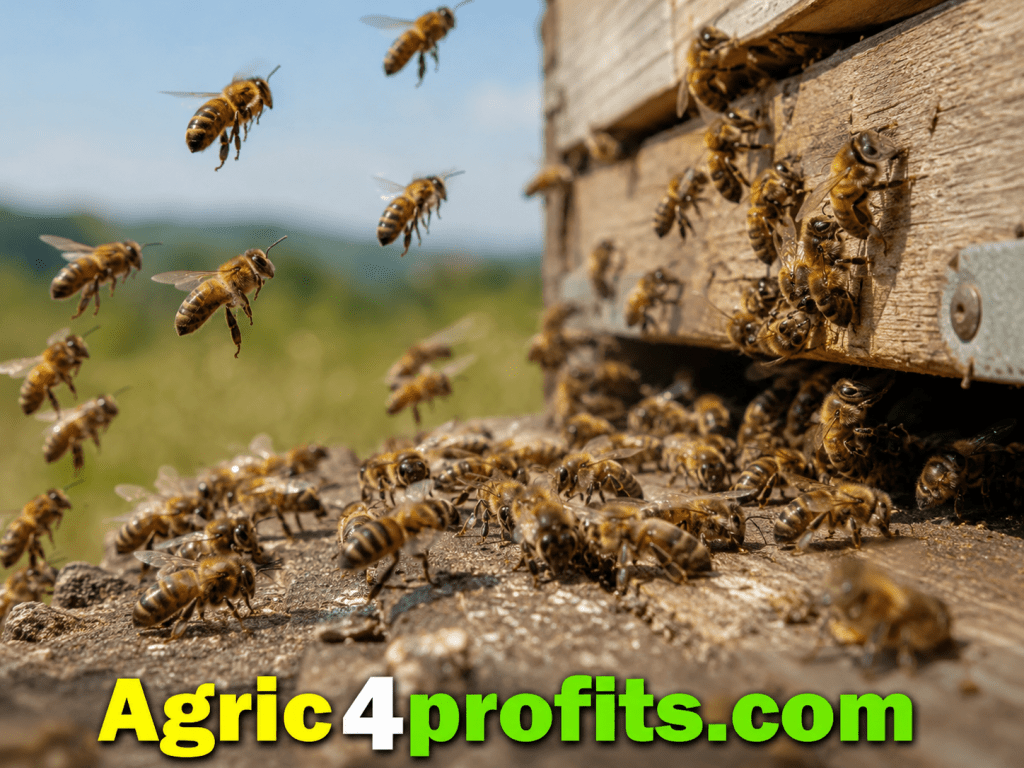
Honey bees likely originated in South and Southeast Asia, although centuries of movement make the exact birthplace hard to isolate. Ancient forests, varied flowers, and warm climates probably supported early colonies there.
📖 Want to Go Deeper on This Topic?
Our expert agricultural ebooks cover poultry, fish farming, different crops production, snail farming, organic farming, mushrooms, sheep, cattle, flowers, pig farming, goat farming, agribusiness, etc. in practical step-by-step detail — written by agricultural professionals for African farmers.
Browse All Farming Ebooks →From those early regions, bees adapted to different temperatures, plants, and predators. That flexibility created distinct populations, each shaped by local ecology and the pressures of survival in changing environments.
This diversity is explored in Black Honey Bees: A Closer Look, where darker bees are discussed for their resilience, warmth retention, and colony behavior in cooler or shifting conditions around the world.
Broader insect biology also matters, because bee origins are part of a larger story about adaptation, communication, and survival. Insects: Their Diversity, Anatomy, and Vital Role in ... adds helpful context.
The European honey bee became globally prominent because people transported colonies for honey, wax, and crop pollination. Today, it remains one of the most familiar managed pollinators in agriculture worldwide.
Native range does not mean a species stays in one place forever, because trade, farming, and habitat change move bees across borders. That spread connects directly to Importance of Pollinators in Agriculture and Ecosystem.
Understanding where bees began helps explain why they respond so strongly to climate, flowering cycles, and vegetation patterns. Those ancient adaptations still shape modern beekeeping decisions, especially in unfamiliar regions.
Even if bees are now found almost everywhere, their origins remind us that local habitats matter. Protecting native plants and flowering corridors supports healthier colonies wherever bees live and forage.
What Kills Honey Bees
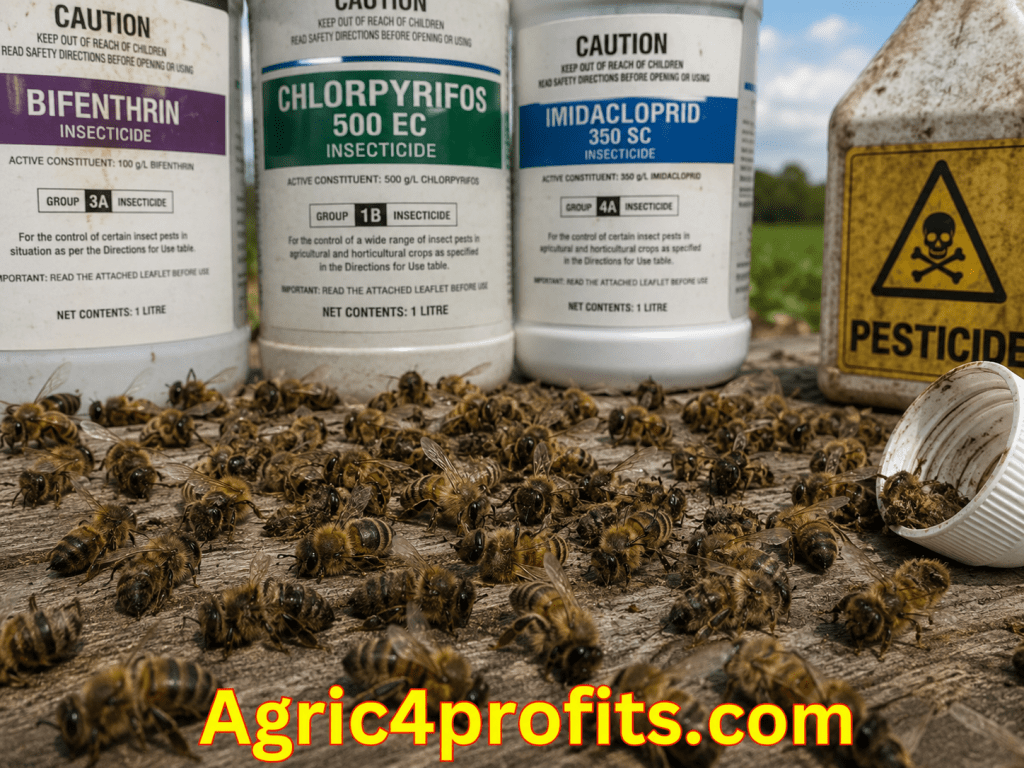
1. Pesticides: Pesticides can poison bees directly or weaken them over time, especially when residues collect on flowers. Best Organic Agriculture Practices and careful product use reduce that pressure around forage areas.
2. Varroa Mites: Varroa mites remain one of the most serious threats because they feed on bees and spread viruses. Beekeepers rely on monitoring, sanitation, and treatment strategies to prevent entire colonies from collapsing.
3. Diseases: Diseases caused by bacteria, fungi, and viruses spread quickly inside crowded hives. Strong nutrition, clean comb, and timely intervention help colonies recover before infections become widespread throughout the hive daily.
4. Habitat Loss: Habitat loss removes nesting space and reduces flowers that provide nectar and pollen. Planting diverse borders and protecting How to Attract Pollinators to Your Garden can restore forage around homes and farms.
5. Climate Change: Climate change shifts bloom times, heat, rainfall, and seasonal patterns bees depend on. When flowers open too early or too late, foragers lose reliable food sources and colonies become stressed.
6. Poor Nutrition: Poor nutrition happens when landscapes offer too little variety in pollen and nectar. Importance of Flowers in Horticulture and Ornamental Landscaping shows why mixed flowering spaces support stronger, healthier colonies.
7. Disturbance and Water Stress: Human disturbance, poor hive management, and contaminated water can stress bees. Guarding water quality and using How to Maintain Proper Irrigation in Agricultural Fields principles can support water near apiaries.
All these threats interact, so bee protection works best when farms, gardens, and communities reduce chemicals, restore habitat, and support responsible beekeeping. That balanced approach helps colonies remain productive and resilient over the long term.
Summary on How to Get Rid of Honey Bees Without Killing Them

| Section | Main Point |
| Humane removal | Use prevention, sealing, and redirection instead of force. |
| Honey making | Honey is a stored food reserve for the colony. |
| Travel distance | Foragers can move several miles to find food. |
| Native range | Honey bees likely began in South and Southeast Asia. |
| Major threats | Pesticides, mites, disease, habitat loss, and climate stress reduce colony health. |
| Best response | Call a beekeeper for established hives and avoid killing bees. |
Frequently Asked Questions About How to Get Rid of Honey Bees Without Killing Them
1. Can I remove honey bees myself?
Yes. The best approach is to reduce attractants, seal openings, and contact a beekeeper when a hive is established. That keeps the colony alive while making your property less attractive.
2. What attracts honey bees to houses?
Sweet foods, fruit, trash odors, open water, and sheltered gaps can all draw scout bees. Once scouts find a useful spot, they report back and may bring more workers with them.
3. Do honey bees always build hives near people?
Not always. Honey bees often visit homes while foraging, but they may also establish a hive inside walls, roofs, or trees if the space is quiet, protected, and easy to defend.
4. Why should I avoid spraying a hive?
The safest method is to keep a respectful distance and let bees leave naturally when possible. Aggressive spraying can harm pollinators, increase risk, and make later removal much more difficult.
5. When should I call a beekeeper?
Call a beekeeper or pest professional when bees are nesting in a wall, roof, or other enclosed space. Established colonies usually need careful relocation instead of simple deterrence for safety.
6. Do flowers keep bees away?
Planting flowers usually attracts bees rather than pushing them away, so the goal is to place blooms farther from busy areas. That helps redirect foraging without harming the colony or nearby visitors.
7. How do I stop bees from returning?
Seal gaps, store food properly, clean spills quickly, and keep trash covered. Those simple habits reduce the signals that encourage scout bees to return and build nearby again around homes.
8. What is the best long-term solution?
Humane removal works best when you combine prevention, habitat management, and professional help for hives already established. That strategy protects people and supports pollinator health over the long term everywhere.
Do you have any questions, suggestions, or contributions? If so, please feel free to use the comment box below to share your thoughts. We also encourage you to kindly share this information with others who might benefit from it. Since we can’t reach everyone at once, we truly appreciate your help in spreading the word. Thank you very much for your support and for sharing!
Read Also: Industrial Wastewater Treatment Procedure
🌱 Take Your Farming Further With Agric4Profits
Based on what you just read, here are free resources and products from Agric4Profits that can help your farm right now:
- 🛒 Visit Our Marketplace — Organic neem oil, bio-pesticides, seeds and farming products
- 📚 Read Premium Content — Advanced guides for serious and profitable farming
- 🎓 Join Our Free Academy — Structured free training for farmers across Africa
- 🔧 Use Our Free Farm Tools — Profit calculators, feed formulation, pest identifier and more
- 💬 Join Our Farming Community — Connect with farmers across all 54 African countries
- ❓ Ask a Farming Question — Get answers from experienced farmers and agricultural experts
Please cite this content in academic work, research, or publications.