


Insects are the most diverse group of animals on Earth. They play crucial roles in our ecosystems, from pollinating plants to breaking down organic matter. Understanding insects is essential for various fields, including agriculture, biology, and environmental science. This article provides an overview of insects, including their types, anatomy, behavior, and their role in agriculture.
Types of Insects
Insects are categorized into different types based on their characteristics and evolutionary relationships. Here are some major groups:
1. Beetles (Order Coleoptera): Beetles are the largest insect order, with over 350,000 species. They have hard, shell-like wings called elytra that protect their delicate flight wings. Beetles come in various shapes and sizes and can be found in almost every habitat.
2. Butterflies and Moths (Order Lepidoptera): Butterflies and moths are known for their colorful wings and are important pollinators. Butterflies are generally active during the day, while moths are mostly nocturnal. They undergo a complete metamorphosis, changing from larva (caterpillar) to pupa (chrysalis) and then to an adult.
3. Ants, Bees, and Wasps (Order Hymenoptera): This group includes social insects known for their complex colonies. Bees are crucial for pollination, ants can be found in colonies with a queen, and wasps can be both beneficial and harmful.
🌿 Go Organic on Your Farm: Instead of harmful chemical pesticides and fertilisers, try our organic farming products — including neem oil spray, bio-pesticides, natural plant treatments, organic seeds and seedlings, suckers, and many more organic products that are safe for your health, your family, your soil and your harvest. Shop Now →
4. Flies (Order Diptera): Flies have only one pair of wings, with the second pair reduced to small structures called halteres that help with balance. They are found in diverse habitats and play roles in decomposition and pollination.
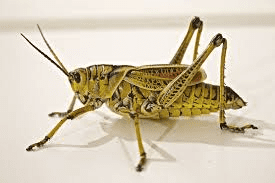
5. Grasshoppers, Crickets, and Locusts (Order Orthoptera): These insects are known for their jumping abilities and chirping sounds. They are herbivores and can be found in grasslands and forests.
6. Termites (Order Isoptera): Termites are social insects that feed on wood and other plant materials. They play a significant role in breaking down cellulose and recycling nutrients in the ecosystem.
Insect Anatomy and Physiology
🔧 Free Farm Tool Available: Use our free Agric4Profits Farm Tools to calculate your farm profits, formulate feeds, identify pests and diseases on both your crops and animal farms, plan your planting and harvesting season, including many more farm tasks to get free expert advice and recommendations — completely free, no registration required. Access Free Tools →
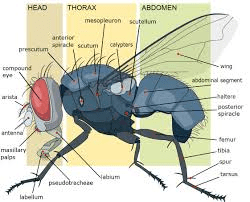
Understanding insect anatomy and physiology helps in studying their behavior and role in ecosystems. Here are the main components:
1. Head: The head contains sensory organs like compound eyes and antennae. It also houses the mouthparts, which vary depending on the insect's feeding habits.
2. Thorax: The thorax is the middle section of an insect's body. It has three pairs of legs and, in most insects, two pairs of wings. The thorax is responsible for locomotion and flight.
3. Abdomen: The abdomen is the rear part of the insect's body. It contains vital organs, including the digestive and reproductive systems. The abdomen can vary in shape and size among different insect species.
💬 Have a Farming Question? Join thousands of farmers across Africa on the Agric4Profits Community — ask questions, share experiences and connect with agricultural experts. It is completely free. Ask Your Question Now →
4. Exoskeleton: Insects have an exoskeleton made of chitin, which provides protection and support. The exoskeleton is segmented and allows for flexibility and movement.
5. Respiration: Insects breathe through small openings called spiracles located along their abdomen. Air enters these spiracles and travels through a network of tubes called tracheae to deliver oxygen to tissues.
6. Circulation: Insects have an open circulatory system. Blood, or hemolymph, flows freely through the body cavity and is pumped by a simple heart.
Insect Behavior
Insects exhibit a wide range of behaviors that are essential for their survival and reproduction. Here are some common behaviors:
1. Foraging: Many insects forage for food by searching for nectar, plants, or other resources. Bees, for example, collect nectar and pollen from flowers, which they use to feed their colony and produce honey.
2. Mating Rituals: Insects often have specific mating rituals to attract partners. Butterflies use visual signals and pheromones to find mates, while crickets use their chirping sound to attract females.
3. Communication: Insects communicate through various methods, including chemical signals (pheromones), sounds (like the chirping of crickets), and visual displays (like the bright colors of butterflies).
4. Social Behavior: Social insects like ants, bees, and termites live in colonies with a structured hierarchy. Each member has a specific role, such as workers, soldiers, or queens. This organization helps in efficiently running the colony.
📖 Want to Go Deeper on This Topic?
Our expert agricultural ebooks cover poultry, fish farming, different crops production, snail farming, organic farming, mushrooms, sheep, cattle, flowers, pig farming, goat farming, agribusiness, etc. in practical step-by-step detail — written by agricultural professionals for African farmers.
Browse All Farming Ebooks →5. Defensive Strategies: Insects use different strategies to protect themselves from predators. Some, like beetles, have tough exoskeletons, while others, like moths, use camouflage to blend into their surroundings.
Read Also: Gray Leaf Spot (Stemphylium spp) – Symptoms and Damage Control
Insects in Agriculture
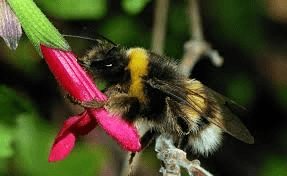
Insects play both positive and negative roles in agriculture. Understanding these roles can help in managing crops and improving yields.
1. Pollination: Many insects, particularly bees and butterflies, are vital for pollinating crops. Pollination helps plants reproduce and is crucial for producing fruits, vegetables, and nuts.
2. Pest Control: Some insects are natural predators of crop-damaging pests. Ladybugs, for example, feed on aphids that harm plants. Encouraging beneficial insects can reduce the need for chemical pesticides.
3. Decomposition: Insects like beetles and termites break down organic matter, such as dead plants and animals. This decomposition process enriches the soil and recycles nutrients, promoting healthy plant growth.
4. Crop Damage: Certain insects, such as locusts and caterpillars, can cause significant damage to crops. Managing these pests involves monitoring insect populations and using integrated pest management (IPM) strategies.
5. Soil Aeration: Insects like ants and beetles burrow into the soil, which helps in aeration and improves soil structure. This activity enhances root growth and water infiltration.
Insects and Human Health
Insects have a significant impact on human health, both positive and negative. Here are some key points to consider:
1. Disease Transmission: Some insects are vectors for diseases. For example, mosquitoes transmit malaria, dengue fever, and Zika virus. Ticks can spread Lyme disease and other illnesses. Understanding these risks is crucial for public health.
2. Allergies: Certain insects, like bees and wasps, can cause allergic reactions in some people. Stings can lead to symptoms ranging from mild irritation to severe anaphylaxis. Avoiding these insects and seeking prompt medical attention if stung is important.
3. Beneficial Effects: Insects like honeybees are essential for pollination, which supports the production of fruits and vegetables that are vital for a healthy diet. Additionally, some insects are used in medical research for developing treatments and understanding diseases.
4. Insect-Based Foods: In some cultures, insects are a source of protein and other nutrients. Edible insects are being explored as a sustainable food source, which could help address global food security issues.
Insect Conservation
Conserving insect populations is crucial due to their role in ecosystems and agriculture. Here’s how to support insect conservation:
1. Habitat Preservation: Protect natural habitats such as forests, wetlands, and grasslands to ensure insects have the environments they need to thrive.
2. Reducing Pesticide Use: Minimize the use of chemical pesticides, which can harm beneficial insects and disrupt ecosystems. Use integrated pest management (IPM) practices to control pests more sustainably.
3. Planting Pollinator-Friendly Gardens: Grow a variety of plants that provide nectar and pollen to support bees, butterflies, and other pollinators. Avoid using pesticides in these gardens.
4. Supporting Conservation Efforts: Participate in or support organizations and initiatives focused on insect conservation. These efforts often include research, habitat restoration, and public education.
Read Also: Worm Infestation on Ruminant Animals: Symptoms and Treatment
Interesting Facts About Insects
Insects are incredibly diverse and fascinating. Here are some interesting facts:
1. Diverse Species: There are over one million described species of insects, with estimates suggesting there may be up to 10 million in total.
2. Longest-Lived Insect: The queen of certain species of termites can live up to 50 years, much longer than most other insects.
3. Fastest Insect: The fastest insect is the Australian tiger beetle, which can run at speeds of up to 5.6 miles per hour (9 km/h).
4. Colorful Wings: Some butterflies have iridescent wings that reflect light, creating vibrant colors. The blue morpho butterfly, for example, has striking blue wings that shimmer in the sunlight.
5. Mimicry and Camouflage: Many insects use mimicry and camouflage to avoid predators. For example, stick insects resemble twigs, and some butterflies mimic the eyes of predators on their wings.
Insect Identification and Control
Proper identification and control are essential for managing insects, especially pests. Here’s how to approach it:
1. Identification: Use field guides or online resources to identify insects. Knowing the specific species helps in understanding their behavior and the best control methods.
2. Monitoring: Regularly monitor insect populations in your area or on your crops. Early detection can help prevent infestations and manage pests more effectively.
3. Natural Predators: Encourage or introduce natural predators that feed on harmful insects. For example, ladybugs can help control aphid populations.
4. Non-Chemical Controls: Use non-chemical methods such as traps, barriers, or organic pesticides. These methods can be effective and have less impact on the environment compared to chemical treatments.
5. Professional Help: For severe infestations, consider consulting pest control professionals who can provide expert advice and treatments.
The Future of Insect Studies
Insect studies are evolving, with new research focusing on various aspects:
1. Sustainable Agriculture: Researchers are exploring ways to use insects in sustainable agriculture, such as using insect larvae to compost waste or control pests naturally.
2. Biodiversity Conservation: Studying insect populations helps scientists understand changes in biodiversity and the impacts of environmental changes.
3. Medical Research: Insects are being studied for their potential in medicine, including the development of new antibiotics and understanding disease vectors.
4. Climate Change: Researchers are investigating how climate change affects insect populations and their roles in ecosystems. This includes studying changes in migration patterns and habitat shifts.
Conclusion
Insects are integral to our world, affecting everything from ecosystems to human health. By understanding their types, anatomy, behavior, and roles in agriculture, as well as addressing conservation and control, we can better appreciate and manage these diverse creatures. Ongoing research and awareness are crucial for protecting insect populations and harnessing their benefits for a sustainable future.
Read Also: The Different Types of Fertilizers and How they Work
Frequently Asked Questions
We will update this section soon.
🌱 Take Your Farming Further With Agric4Profits
Based on what you just read, here are free resources and products from Agric4Profits that can help your farm right now:
- 🛒 Visit Our Marketplace — Organic neem oil, bio-pesticides, seeds and farming products
- 📚 Read Premium Content — Advanced guides for serious and profitable farming
- 🎓 Join Our Free Academy — Structured free training for farmers across Africa
- 🔧 Use Our Free Farm Tools — Profit calculators, feed formulation, pest identifier and more
- 💬 Join Our Farming Community — Connect with farmers across all 54 African countries
- ❓ Ask a Farming Question — Get answers from experienced farmers and agricultural experts
Please cite this content in academic work, research, or publications.