


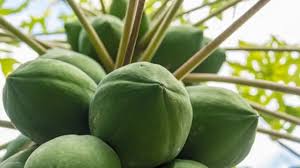
Paw-paw, commonly known as papaya, is a tropical fruit that not only graces the palate with its sweet and succulent flavor but also boasts a myriad of health benefits. This tropical delight, scientifically named Carica papaya, is a versatile and nutrient-rich addition to both the culinary and agricultural landscapes.
Plant Characteristics
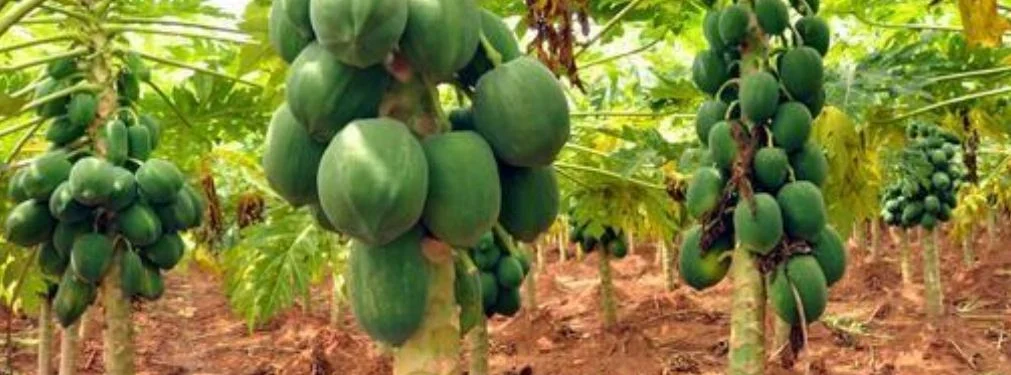
Papaya trees are small, fast-growing, and characterized by a single, unbranched trunk with large, deeply lobed leaves clustered at the top. The fruit itself is typically elongated with a vibrant green or yellow exterior, depending on its ripeness.
The inner flesh ranges from shades of orange to pink, and the central cavity contains black, round seeds that are edible but peppery in taste.
Cultivating papaya involves providing a warm and tropical environment, as the plant thrives in temperatures between 70 and 90 degrees Fahrenheit. Well-drained soil, ample sunlight, and protection from strong winds contribute to optimal growth.
Papaya trees are known for their rapid maturation, often bearing fruit within a year of planting, making them a rewarding addition to tropical and subtropical gardens.
Nutritional Value and Culinary Uses
Papaya is not only delicious but also a nutritional powerhouse. Rich in vitamins A and C, as well as folate, it supports immune function and promotes skin health.
🌿 Go Organic on Your Farm: Instead of harmful chemical pesticides and fertilisers, try our organic farming products — including neem oil spray, bio-pesticides, natural plant treatments, organic seeds and seedlings, suckers, and many more organic products that are safe for your health, your family, your soil and your harvest. Shop Now →
The enzyme papain, found in papaya, aids in digestion, making the fruit a popular choice for those seeking digestive wellness. Additionally, papaya contains antioxidants that contribute to overall well-being.
Papaya's sweet and tropical flavor makes it a versatile ingredient in both sweet and savory dishes. Enjoyed fresh as a standalone fruit or added to fruit salads, smoothies, and desserts, papaya adds a refreshing and exotic touch to culinary creations. Green, unripe papaya is often used in savory dishes, salads, and pickles.
Medicinal Applications
Beyond its culinary uses, various parts of the papaya plant, including the fruit, leaves, and seeds, have been utilized in traditional medicine for their potential health benefits. From aiding digestion to promoting skin health, papaya has earned its reputation as a natural remedy in some cultures.
Papaya is not just a tropical fruit; it's a testament to nature's bounty, offering a delightful blend of flavor and health benefits. Its cultivation and consumption contribute to the rich tapestry of tropical agriculture and culinary traditions worldwide.
🔧 Free Farm Tool Available: Use our free Agric4Profits Farm Tools to calculate your farm profits, formulate feeds, identify pests and diseases on both your crops and animal farms, plan your planting and harvesting season, including many more farm tasks to get free expert advice and recommendations — completely free, no registration required. Access Free Tools →
Below is the comprehensive beginners guide on how to grow paw-paw (papayas). The fruit of papayas is high in vitamin C. You can also pick the fruit when it is green and cook it like a marrow.
Female and male flowers do not grow on the same tree, so you must have male and female trees in the garden.
Climate
- Papayas grow best in hot areas.
- They can tolerate mild frost if they are protected from cold winds.
Soil requirements for Paw-Paw
- They can grow in most kinds of soil, but it must be well drained.
- The roots can get diseases if the soil stays too wet.
- Loamy soils are best.
Planting date
Papayas (paw-paw) can be planted at any time of the year, but preferably in late summer.
Spacing for Paw-Paw
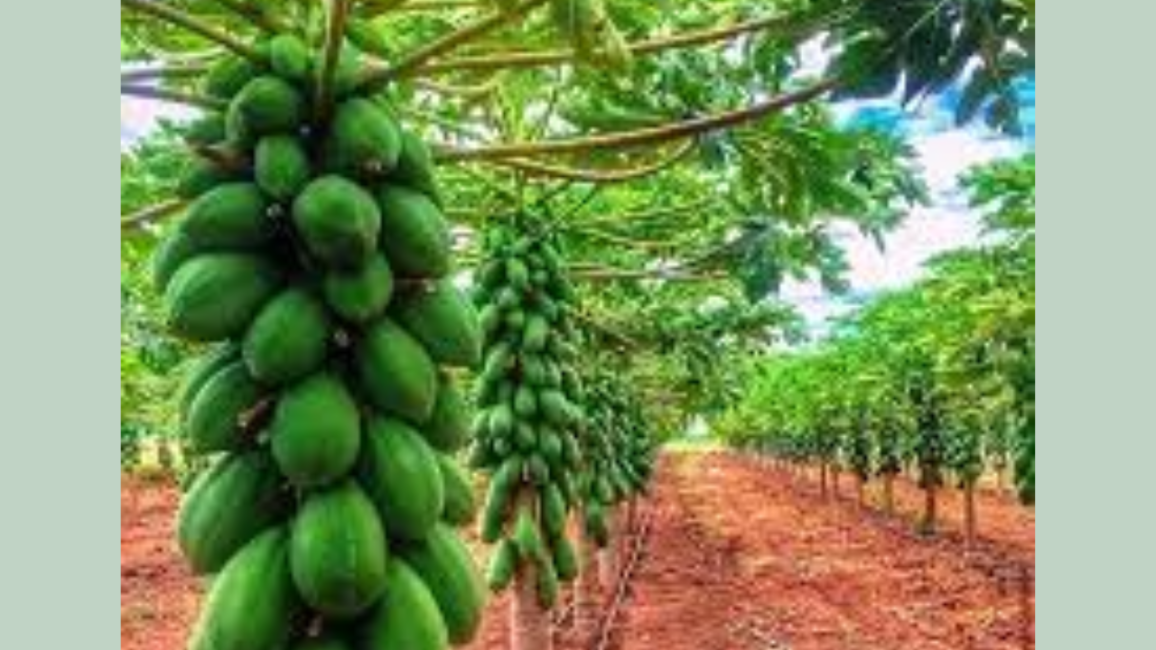
Plant papayas 1,5 metres between plants and 3 to 4 metres between rows.
Growing papayas from seeds

It is easy to grow the ordinary papaya tree from seed.
💬 Have a Farming Question? Join thousands of farmers across Africa on the Agric4Profits Community — ask questions, share experiences and connect with agricultural experts. It is completely free. Ask Your Question Now →
- Wash the seeds from a ripe papaya.
- Squeeze the seeds from the jelly bag that covers each seed. The seeds will only grow if you remove the bag.
- Dry them in a shady place.
- Store in a tightly closed container and keep them until December.
- Plant the seeds in December. Put 5 seeds to a hole. Do not put any compost or manure into the holes.
- Keep the small plants moist.
- You can only tell which trees are female and which are male when the trees start to flower. Therefore, you should always have more than one tree per hole, because then you can select the female trees.
Female flowers
- Bigger
- Closer to the branch than the male flowers
Male flowers
- Very small
- There are many flowers which grow on long branches of the stem.
- Only female trees give fruit but they need male flowers to pollinate them. Leave 1 male tree for 10 female trees.
Read Also: How to cure Ulcer with Unripe Paw-Paw
Planting Methods of Paw-Paw
- Dig a hole about twice the size of the bag in which the young tree is growing.
- Remove the soil from the hole and add some compost and manure. Mix this with some of the soil that has been dug out.
- Take the plant out of the container. If it is a plastic container you just cut it open at the side.
- Do not disturb the roots.
- Place the tree in the centre of the hole. When you fill up the hole hold the tree so that its base is level with the surrounding ground.
- Raise the soil around the tree to dam the water (rain or irrigation).
- Do not plant the tree deeper than it was in the container.
- Do not cover the stem with soil because it will rot.
Water
- Papayas need little water.
- They will, however, give more and bigger fruit if they are watered every 2 weeks in the dry season. The flowers will drop if they do not get enough water.
- If they are planted in clay soils, make sure that the soil does not stay too wet.
- To avoid waterlogging in clay soil, make a ridge and plant the (paw-paw) papayas on the ridge.
Read Also: Trends in Crop Production Nationally and Globally
Fertilization
Compost or manure
Give the tree:
- 1 bucketful in September,
- 1 bucketful in November
- another bucketful in January.
- Sprinkle a few handfuls of manure evenly around the tree each month from September to the end of March.
NB: Do not apply chicken manure on trees younger than 2 years as it can burn the young papaya trees.
Artificial fertilizer
- Give the trees 4 tablespoonfuls (115 g) of 2:3:2 in September, November and January.
- Sprinkle evenly around the tree, not against the stem.
- Keep the trees mulched all the time (use grass, leaves, etc).
- Do not grow other plants next to the trunk because it is quite soft. If the trunk is damaged the paw-paw (papaya) tree can get diseases.
- If the fruit shows humps the tree may be short of boron. Sprinkle 2 tablespoonfuls of borax around the tree.
Pruning and thinning of Paw-Paw Tree
You can cut the tree (remove top) so that it does not grow too tall. This encourages branching. Cut into winter wood, where leaf scars are close together. Paint the cut with a sealant.
Harvesting of Paw-Paw Fruits
- You can pick the fruit when the skin starts to become yellow.
- The fruit will ripen after you have picked it.
- Handle it carefully because it gets bruised easily.
Diseases
Papaya trees easily get black leafspot. Your nearest extension officer or cooperative will be able to tell you how to treat this disease.
Read Also: Health Benefits of Eating Paw-Paw (Papaya) during Pregnancy
Read Also: Adaptive Means of Animals Coping with the Environment
🌱 Take Your Farming Further With Agric4Profits
Based on what you just read, here are free resources and products from Agric4Profits that can help your farm right now:
📖 Want to Go Deeper on This Topic?
Our expert agricultural ebooks cover poultry, fish farming, different crops production, snail farming, organic farming, mushrooms, sheep, cattle, flowers, pig farming, goat farming, agribusiness, etc. in practical step-by-step detail — written by agricultural professionals for African farmers.
Browse All Farming Ebooks →- 🛒 Visit Our Marketplace — Organic neem oil, bio-pesticides, seeds and farming products
- 📚 Read Premium Content — Advanced guides for serious and profitable farming
- 🎓 Join Our Free Academy — Structured free training for farmers across Africa
- 🔧 Use Our Free Farm Tools — Profit calculators, feed formulation, pest identifier and more
- 💬 Join Our Farming Community — Connect with farmers across all 54 African countries
- ❓ Ask a Farming Question — Get answers from experienced farmers and agricultural experts
Please cite this content in academic work, research, or publications.