


Improving the quality of soil is vital for obtaining higher crop yields. Soil, which is the earth where plants grow, plays a significant role in agriculture. If the soil is not in good health, it can't support healthy plant growth, which ultimately leads to poor harvests. To ensure better yields, we must focus on enhancing soil fertility.
There are many ways to make the soil better. One way is to add things to the soil, like compost and manure. Compost is like food for the soil. It has old plants and other things that can help the soil. Manure comes from animals like cows and chickens. It's a natural way to give the soil nutrients. When we put these things in the soil, it makes the soil richer and healthier for plants.
Another way to improve soil fertility is to rotate crops. That means planting different crops in the same field each year. Some crops take a lot from the soil, and others give things back. If we keep planting the same crop every year, the soil will get tired and not give good yields. But if we change the crops, it helps the soil stay strong.
We can also protect the soil from wind and water. When the wind blows and the rain falls, it can take away the topsoil. Topsoil is the good part of the soil where plants grow. To keep it safe, we can use things like grass or trees to block the wind. We can also build walls to stop the rain from washing the soil away.
It's essential to check the pH of the soil. The pH tells us if the soil is too acidic or too alkaline. Some plants like more acidic soil, and others like it more alkaline. By checking the pH, we can make sure the soil is just right for the plants we want to grow.
Adding nutrients is important too. Nutrients are like vitamins for the soil. We can use fertilizers to add these nutrients. But we need to be careful not to use too much. Too much fertilizer can hurt the soil and the environment. So, it's important to follow the instructions.
🌿 Go Organic on Your Farm: Instead of harmful chemical pesticides and fertilisers, try our organic farming products — including neem oil spray, bio-pesticides, natural plant treatments, organic seeds and seedlings, suckers, and many more organic products that are safe for your health, your family, your soil and your harvest. Shop Now →
Insects and pests can also harm the soil and plants. We need to protect our crops from these pests. We can use organic methods like neem oil or ladybugs to keep the bad insects away.
Finally, it's crucial to water the soil correctly. Some plants need more water, and some need less. Too much or too little water can hurt the plants and the soil. We need to find the right balance.
However, improving soil fertility is essential for better yields. We can do this by adding compost, manure, rotating crops, protecting the soil, checking the pH, adding nutrients, protecting against pests, and watering wisely. When we take care of the soil, it takes care of our crops, and we can enjoy better harvests. So, let's remember, healthy soil means healthy plants and better yields.
Read Also: Types of Fish Feed and Best Feeding Methods
🔧 Free Farm Tool Available: Use our free Agric4Profits Farm Tools to calculate your farm profits, formulate feeds, identify pests and diseases on both your crops and animal farms, plan your planting and harvesting season, including many more farm tasks to get free expert advice and recommendations — completely free, no registration required. Access Free Tools →
How to Improve Soil Fertility for Better Yields
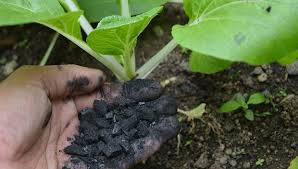
To achieve better yields in agriculture, it's essential to focus on improving soil fertility. Soil fertility refers to the soil's ability to provide essential nutrients and a conducive environment for plant growth. Here are some key methods to enhance soil fertility:
1. Organic Matter: Adding organic matter like compost and well-rotted manure is a fundamental way to improve soil fertility. These materials supply essential nutrients to the soil, enrich its structure, and enhance its water-holding capacity.
2. Crop Rotation: Practicing crop rotation involves planting different crops in the same field each season. This method helps prevent nutrient depletion, reduces the risk of soilborne diseases, and maintains soil health for better yields.
3. Erosion Control: Protecting the soil from erosion due to wind and water is crucial. Windbreaks, cover crops, and terracing can be used to prevent soil erosion and preserve topsoil, where plant roots thrive.
4. pH Adjustment: Regularly test the soil's pH level to determine its acidity or alkalinity. Adjusting the pH to match the requirements of specific crops ensures optimal growing conditions.
💬 Have a Farming Question? Join thousands of farmers across Africa on the Agric4Profits Community — ask questions, share experiences and connect with agricultural experts. It is completely free. Ask Your Question Now →
5. Nutrient Management: Applying fertilizers in the right amounts and at the right times is essential. Nutrient management helps provide the soil with the necessary elements for plant growth while preventing over-fertilization, which can harm the environment.
6. Pest and Disease Control: Implementing integrated pest management (IPM) techniques can protect crops from harmful insects and diseases. This approach helps maintain a healthy balance in the soil ecosystem.
7. Water Management: Proper irrigation practices are vital for soil health. Over-watering or under-watering can stress plants and degrade soil quality. Tailor the watering schedule to the specific water needs of the crops.
8. Soil Testing: Regular soil testing can provide insights into the soil's nutrient content and structure. This information helps farmers make informed decisions about soil improvement strategies.
9. Cover Crops: Planting cover crops like legumes and clover during the off-season can help fix nitrogen in the soil, enhance soil structure, and reduce weed growth.
10. Mulching: Applying organic mulch like straw or wood chips around plants helps retain soil moisture, control weeds, and regulate soil temperature.
11. Compost Tea: Compost tea is a liquid made from compost and can be used as a natural fertilizer and soil conditioner. It introduces beneficial microorganisms to the soil.
12. Green Manure: Sow green manure crops like alfalfa or rye and then till them into the soil before they mature. This enriches the soil with organic matter.
13. Soil Conservation Practices: Implement conservation practices such as no-till farming to reduce soil disturbance and preserve soil structure and organic matter.
📖 Want to Go Deeper on This Topic?
Our expert agricultural ebooks cover poultry, fish farming, different crops production, snail farming, organic farming, mushrooms, sheep, cattle, flowers, pig farming, goat farming, agribusiness, etc. in practical step-by-step detail — written by agricultural professionals for African farmers.
Browse All Farming Ebooks →14. Biological Amendments: Use biological amendments like mycorrhizal fungi, which form beneficial symbiotic relationships with plant roots, enhancing nutrient uptake.
15. Natural Pest Predators: Encourage the presence of beneficial insects and organisms like ladybugs and earthworms, which help control harmful pests and contribute to soil health.
By adopting these methods and practices, farmers can effectively improve soil fertility, leading to healthier, more robust crops and ultimately better yields in agriculture.
Read Also: Types of Fishing Methods
Benefits of Improving The Soil Fertility For Better Yields
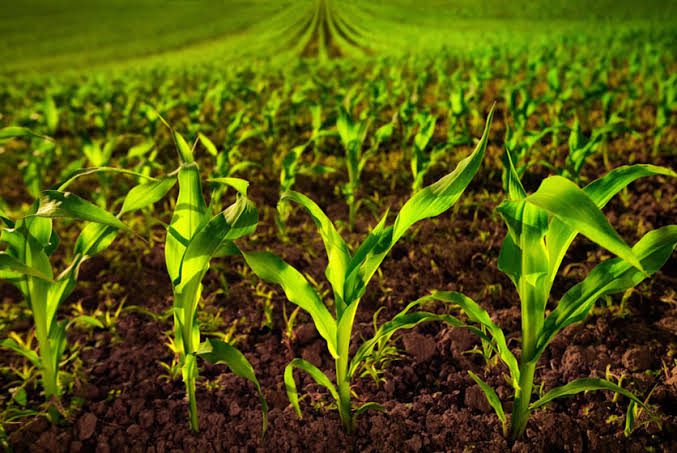
Improving soil fertility offers a wide range of benefits, including:
1. Increased Crop Yields: Enhanced soil fertility leads to better yields. Healthy soil provides plants with essential nutrients, supporting robust growth and higher production.
2. Improved Plant Health: Nutrient-rich soil results in healthier plants that are more resilient against pests and diseases. Strong, thriving plants are less susceptible to stress and environmental factors.
3. Sustainable Agriculture: Practices that boost soil fertility promote sustainability in agriculture. Balanced soil ecosystems reduce the need for chemical fertilizers and pesticides, minimizing the environmental impact.
4. Enhanced Soil Structure: Improved soil fertility often goes hand-in-hand with better soil structure. This leads to improved water retention, aeration, and root penetration, ultimately benefiting plant growth.
5. Reduced Soil Erosion: Protecting and enriching the topsoil helps prevent erosion, ensuring that valuable soil is not lost to wind and water.
6. Nutrient Retention: Fertile soil retains essential nutrients, preventing leaching into groundwater and minimizing pollution.
7. Lower Input Costs: With healthier soil, there's a reduced reliance on expensive synthetic fertilizers and pest control measures, leading to cost savings for farmers.
8. Enhanced Biodiversity: Healthy soils support diverse ecosystems of beneficial microorganisms, earthworms, and insects, contributing to overall biodiversity on farms.
9. Water Quality: Soil fertility practices can improve water quality by reducing runoff of pollutants into nearby water bodies.
10. Resilience to Climate Change: Soil-rich organic matter can act as a carbon sink, helping to combat climate change by sequestering carbon dioxide from the atmosphere.
11. Economic Prosperity: Improved yields and reduced input costs can increase the economic viability of farming operations, benefiting farmers and rural communities.
12. Food Security: Increasing soil fertility helps ensure a stable and consistent food supply, contributing to global food security.
13. Enhanced Flavor and Nutrition: Nutrient-rich soil can result in more flavorful and nutritionally-dense crops, which benefits consumers.
14. Reduced Chemical Dependency: Less reliance on chemical fertilizers and pesticides reduces the risk of chemical residues in food and the environment.
15. Long-Term Sustainability: Maintaining soil fertility ensures the long-term sustainability of farming practices, preserving agricultural land for future generations.
Overall, improving soil fertility is a win-win for both farmers and the environment, as it leads to increased agricultural productivity, reduced environmental impact, and healthier, more nutritious food.
Read Also: Air Pollution and Different Types of Air Pollution
🌱 Take Your Farming Further With Agric4Profits
Based on what you just read, here are free resources and products from Agric4Profits that can help your farm right now:
- 🛒 Visit Our Marketplace — Organic neem oil, bio-pesticides, seeds and farming products
- 📚 Read Premium Content — Advanced guides for serious and profitable farming
- 🎓 Join Our Free Academy — Structured free training for farmers across Africa
- 🔧 Use Our Free Farm Tools — Profit calculators, feed formulation, pest identifier and more
- 💬 Join Our Farming Community — Connect with farmers across all 54 African countries
- ❓ Ask a Farming Question — Get answers from experienced farmers and agricultural experts
Please cite this content in academic work, research, or publications.