


Soldier ants are one of the most underestimated threats to a poultry farm. Many farmers focus on diseases, feed management, and predators like rats, but soldier ants can cause just as much damage, sometimes more, and they can do it overnight. From experience, soldier ants are capable of killing hundreds of chicks in a single night. If you have never dealt with a soldier ant invasion, count yourself lucky. If you have, you already know how devastating it can be.
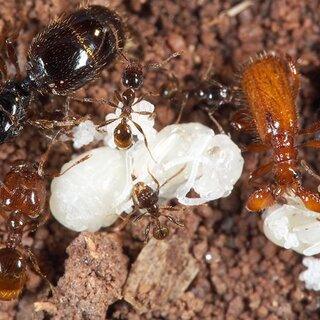
Army ants, commonly called soldier ants, are small but dangerous organisms that live in massive colonies. Their colonies are ruled by a queen who lays eggs continuously, defended by soldier ants, and fed by workers that forage constantly for food. As the colony grows, it expands and attacks other areas in search of food. If their foraging path leads them to your poultry house, your birds are at serious risk.
These ants are commonly found around poultry farms, and for good reason. Poultry houses offer them everything they need: warmth, dead organic matter, feed remnants, and easy access to living animals. Dead birds, leftover feed, and water remnants scattered around the pen are all attractants that can draw soldier ants to your farm and keep them coming back.
The damage they cause is not always visible until it is too late. A colony can move through a poultry house at night and wipe out a significant number of birds before sunrise. Young chicks are particularly vulnerable because they cannot escape. By the time you notice the problem in the morning, the losses have already happened.
Preventing soldier ants from reaching your birds requires action on multiple fronts. Good farm hygiene removes the attractants. Structural measures like waterways around the pen and proper foundation height create physical barriers. And where colonies are already present, targeted use of insecticides is necessary to eliminate them at the source.
This article covers the five most effective ways to prevent soldier ants from invading your poultry farm, along with practical measures you can put in place right away to protect your birds.
Read Also: How to prevent Rats from invading your Poultry House
1. Understanding the Soldier Ant Threat
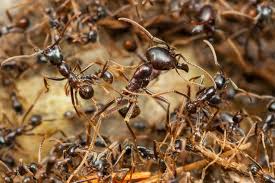
Soldier ants are not like ordinary household ants. They are highly organized, move in large numbers, and are capable of overwhelming animals that cannot escape. Their colonies continually expand as the queen lays eggs all day long, and worker ants forage aggressively for food to sustain the growing colony.
On a poultry farm, everything from dead birds and feed remnants to warm pen floors and moist litter can serve as an attractant. Once soldier ants identify your poultry house as a food source, they will return repeatedly until the attractant is removed or the colony is destroyed.
If you raise birds in cages at a small scale or in a backyard setting, a simple but effective method is to place each cage leg inside a bowl of water mixed with kerosene or used engine oil. The liquid barrier prevents soldier ants from climbing up the legs and reaching the birds inside. To protect the cage legs from water damage, nail a piece of nylon around each leg so the wood does not sit directly in the water.
For farms where birds are kept in pens, a waterway should be built around the perimeter of the pen and kept filled with water at all times. This creates a moat that soldier ants cannot cross. On smaller farms, spreading used engine oil around the pen is another known deterrent that keeps soldier ants away.
2. Five Effective Ways to Prevent Soldier Ants from Invading a Poultry Farm
Here are five practical steps every poultry farmer should follow to keep soldier ants away from their birds:
A. Step 1: Remove All Attractants from the Poultry Pen
Farmers must remove everything that draws soldier ants to the pen. These include dead birds, sweeteners, food scraps, and leftover feed. Any dead bird or animal found inside or around the pen must be disposed of immediately. Dead organic matter is one of the strongest attractants for soldier ants and should never be left on the ground.
Feed and water remnants must also not be poured or disposed of on the floors or ground around the pens. Wet, food-rich litter is a direct invitation for ants to move in and set up a foraging trail toward your birds.
B. Step 2: Control Feed and Water Spillage
Limit the amount of feed and water that falls onto litter inside the pen. Feed that accumulates on litter quickly becomes a food source not just for soldier ants but for other pests as well. Do not store feed inside the rearing pen at any time.
All feed must be kept in a separate store that is fitted with screens to prevent ants, rodents, and other pests from getting in. A properly secured feed store with tight-fitting screens significantly reduces the risk of attracting soldier ants to the vicinity of the pen.
C. Step 3: Store Feed Ingredients Away from the Pen
All feed ingredients, including amino acids, GNC (groundnut cake), SBM (soybean meal), and PKC (palm kernel cake), must not be stored or kept inside the rearing pens. These ingredients have strong smells that attract ants and other pests. Keep them in a dedicated, well-secured storage facility away from the birds.
Keeping all feed materials outside of the pen removes one of the key reasons soldier ants would ever enter the house in the first place.
D. Step 4: Strengthen Pen Structure and Seal All Cracks
The physical structure of your pen plays an important role in keeping soldier ants out. Ensure that the foundation of your pen is raised well above ground level. A higher foundation makes it harder for ground-level insects to enter. Concrete cement should be used for both construction and flooring.
Any cracks on walls or floors must be sealed off as soon as they are discovered. Cracks are entry points that ants exploit quickly and easily. A pen with sealed walls and a solid concrete floor gives soldier ants far fewer ways to get inside.
E. Step 5: Use Insecticides in Prone Areas and Target the Colony
If you have identified pens or areas around your farm that are prone to soldier ant infestation, spray insecticides around those pens once every two weeks as a preventive measure. Do not wait for an invasion to happen before acting.
More importantly, identify where the ant colony is located and attack it directly with a strong insecticide. Killing the colony at its source is the most effective long-term solution. Spraying only around the pen may reduce ant activity temporarily, but the colony will keep sending foragers back if it is not destroyed.
Summary on How to Prevent Soldier Ants from Invading a Poultry Farm

| Method | Key Points |
|---|---|
| Remove Attractants | Dispose of dead birds immediately. Never leave feed or water remnants on pen floors or surrounding ground. |
| Control Feed and Water Spillage | Limit feed falling onto litter. Never store feed inside the rearing pen. Keep all feed in a screened, secure store. |
| Store Feed Ingredients Separately | Amino acids, GNC, SBM, and PKC must be stored away from the rearing pens. Strong smells attract ants. |
| Strengthen Pen Structure | Raise the foundation above ground level. Use concrete for construction and flooring. Seal all cracks in walls and floors. |
| Use Insecticides | Spray around prone pens every two weeks. Identify and attack the ant colony directly with a strong insecticide. |
| Waterway Around the Pen | Build a waterway filled with water around the pen perimeter to prevent ants from crossing. |
| Cage Leg Protection | Place cage legs in bowls of water mixed with kerosene or used engine oil to block ant access. |
| Used Engine Oil | On smaller farms, spreading used engine oil around the pen keeps soldier ants at bay. |
| Feed Store Screens | Fit the feed store with screens to prevent ants, rodents, and other pests from entering. |
| Act Quickly | Soldier ants can kill hundreds of chicks in a single night. Early detection and fast action are essential. |
Frequently Asked Questions About How to Prevent Soldier Ants from Invading a Poultry Farm
1. How dangerous are soldier ants to a poultry farm?
Soldier ants are extremely dangerous. They move in large colonies and are capable of killing hundreds of chicks in a single night. Young birds cannot escape once a column of soldier ants enters the pen. The damage can be total and irreversible by the time it is discovered in the morning, making prevention far more important than reaction.
2. What attracts soldier ants to a poultry farm?
Soldier ants are drawn to poultry farms by dead birds, feed remnants, water spills, moist litter, and warm pen environments. Any organic waste left around or inside the pen creates a foraging opportunity that soldier ants will quickly exploit. Removing these attractants is the first and most important line of defense.
3. How does a waterway around the pen help prevent soldier ants?
A waterway built around the perimeter of the pen and kept filled with water creates a physical barrier that soldier ants cannot cross. Water disrupts their foraging trails and prevents them from reaching the birds inside. The waterway must be maintained consistently with water at all times to remain effective.
4. What is the cage leg method for small-scale farmers?
For farmers raising birds in cages, place each cage leg inside a bowl filled with water and kerosene or used engine oil. The liquid prevents soldier ants from climbing up the legs to reach the birds. To protect the cage legs from water damage, wrap a piece of nylon around each leg so the wood does not sit directly in the water.
5. Can used engine oil keep soldier ants away?
Yes. Spreading used engine oil around the pen is a known method for deterring soldier ants, particularly on smaller farms. The smell and consistency of the oil disrupts the ants’ movement and discourages them from crossing into the pen area. It is a cost-effective option for small-scale farmers who may not have the resources for more structural solutions.
6. Why should feed not be stored inside the rearing pen?
Feed has a strong smell that attracts ants, rodents, and other pests. Storing feed inside the rearing pen places it directly in the space where your birds live, creating an ongoing attractant that will draw pests repeatedly. All feed must be kept in a separate, screened store away from the pens to reduce this risk.
7. How often should insecticides be applied around the pen?
In areas that are known to be prone to soldier ant infestation, insecticides should be sprayed around the pens at least once every two weeks as a preventive measure. Beyond routine spraying, if a colony is identified nearby, it should be attacked directly with a strong insecticide to eliminate the source of the problem rather than just managing the symptoms.
8. What structural features of the pen help keep soldier ants out?
The foundation of the pen should be raised well above ground level to reduce ground-level insect access. Concrete should be used for both construction and flooring. All cracks in walls and floors must be sealed as soon as they appear, since even small cracks provide easy entry points for soldier ants looking for a way into the pen.
9. How do soldier ant colonies operate and why does this make them so dangerous?
A soldier ant colony is ruled by a queen who lays eggs continuously, causing the colony to grow rapidly. Soldier ants defend the colony while worker ants forage aggressively for food to feed the growing population. As the colony expands, it pushes into new areas in search of food. If a poultry farm falls along their foraging path, the entire colony can mobilize toward it, making the scale of an invasion overwhelming and fast-moving.
10. What should a farmer do if soldier ants have already entered the pen?
Act immediately. Remove all birds that can be saved and relocate them to a safe area. Apply a strong insecticide around and inside the affected pen to stop the invasion. Then trace the foraging trail back to the colony and attack it directly at the source. After the invasion is cleared, inspect the pen for cracks, clean out all litter and feed remnants, and put the preventive measures described in this article in place before reintroducing birds.
Do you have any questions, suggestions, or contributions? If so, please feel free to use the comment box below to share your thoughts. We also encourage you to kindly share this information with others who might benefit from it. Since we can’t reach everyone at once, we truly appreciate your help in spreading the word. Thank you very much for your support and for sharing!
Read Also: Feed and Nutrition Management for Cattle