


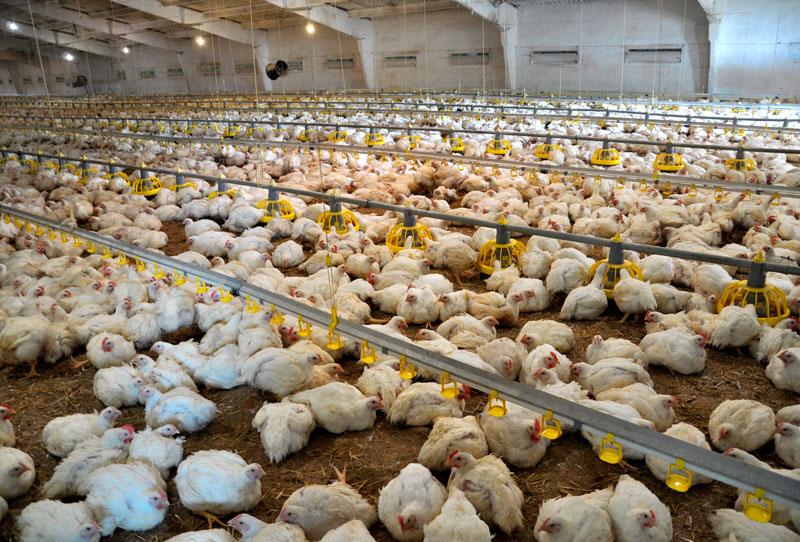
If you run a poultry farm, managing the climate inside your poultry house is one of the most important things you can do. The temperature, humidity, air quality, and airflow inside the house directly affect how well your birds grow, feed, lay eggs, and stay healthy. Get it wrong, and you will deal with sick birds, poor production, and unnecessary losses. Get it right, and your birds thrive.
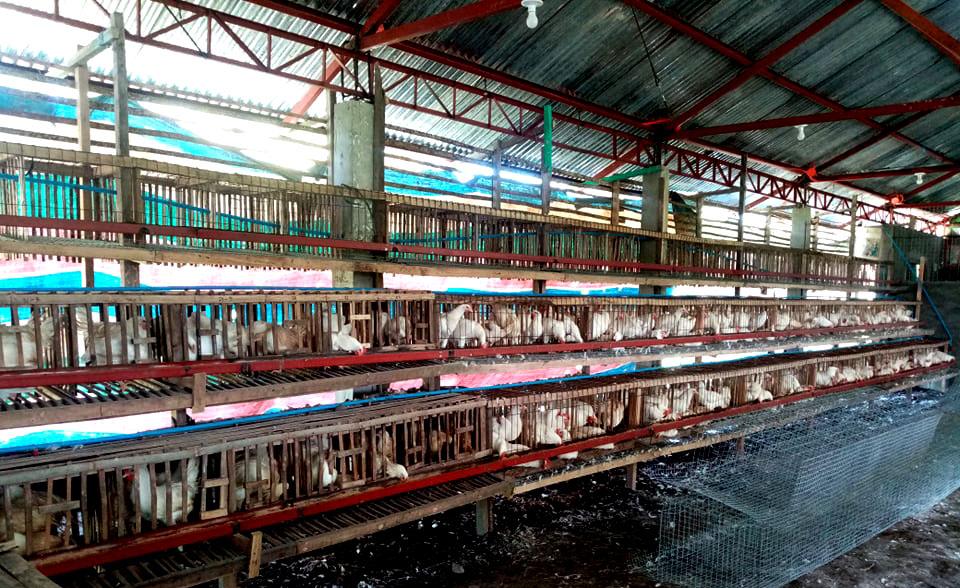
Every poultry farmer wants to know how to handle the cold during rainy seasons and the heat during dry seasons. It is not complicated, but it does require understanding what is happening inside the house at any given time. One practical approach is attaching thick nylon curtains around the pen. These curtains should be long enough to cover all the net sections of the pen. When it rains or the weather turns cold, lower the nylon to cover the nets and keep the birds warm. When it is hot, roll the nylon up to allow fresh air to flow freely through the house.
Once the birds have passed the brooding stage, the nylon should stay rolled up unless it is raining or the weather is unusually cold. This simple step already makes a big difference in maintaining a stable environment for your flock.
But beyond nylon curtains, there is a lot more to understand about what climate really means inside a poultry house and why it matters. The climate inside the house affects not just the birds but also the people working there. Poor climate conditions can lead to respiratory problems, digestive issues, and behavioral changes in birds. Animals that are not healthy simply cannot perform at their best. And the younger the birds are, or the higher their production level, the more sensitive they are to climate conditions.
Climate, simply put, is the combination of environmental factors that affect the functioning of both humans and animals. Inside a poultry house, it involves temperature, humidity, air composition, airspeed, and light. Each of these factors must be measured and managed at the level where the birds actually are, not just anywhere in the house.
This article covers all the key climatic factors in poultry houses, explains how they work, and shows you how to manage each one properly.
Read Also: How much space you need for your poultry farm
1. Climate in Poultry Houses
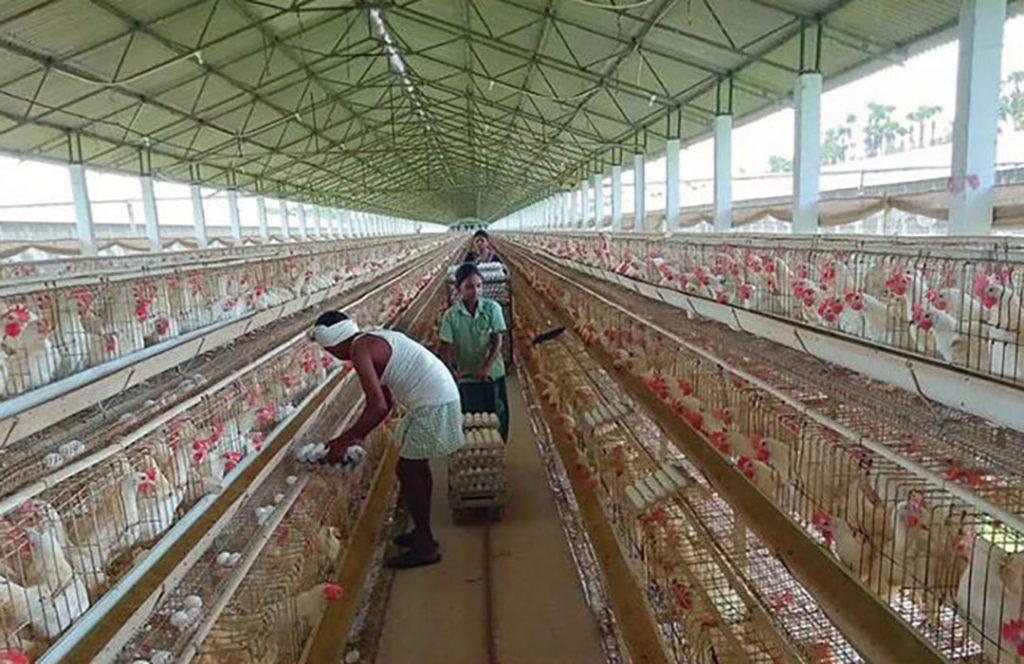
The climate in poultry houses has a direct effect on the well-being and health of both the birds and the people working inside. When climatic conditions fall below the required standard, birds are more likely to suffer from respiratory, digestive, and behavioral disorders.
Feed efficiency is also tied to the health of the flock. Sick birds cannot use feed efficiently or produce well. The younger the birds or the higher their production level, the more they are affected by changes in the house climate. This is why monitoring and managing the climate inside the poultry house is not optional. It is essential.
2. Climatic Factors in a Poultry House

The following factors must be measured at the animal level, meaning at the height and location where the birds actually are. Measuring these factors at a different height can give a misleading picture of the real conditions the birds are experiencing.
The key climatic factors are:
i. Temperature
ii. Relative humidity
iii. Air composition
iv. Air speed and air movement
v. Light
3. Factors Influencing Climatic Conditions and the Birds’ Micro-Climate
The climate inside the house can be influenced by how well the roof, walls, and floor are insulated, as well as by ventilation, heating, cooling, and lighting systems. The climate that directly surrounds the birds is called the micro-climate. A good example is the climate inside a brooding ring. The micro-climate is the only thing that truly matters for the birds.
The overall house climate can be acceptable, while the climate at the bird level is actually unsuitable. For example, CO2 is a heavy gas, and CO2 levels at bird level can be much higher than at 2 meters height. Another example is the brooding ring. When brooding rings are used, the house temperature can be kept lower as long as the temperature directly under the brooder is correct. This is done to reduce heating costs. But the savings on energy must be weighed against the extra labor involved in setting up and managing the brooding rings.
4. Temperature
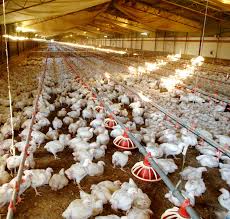
Birds are warm-blooded (homeothermic), meaning their body temperature stays fairly constant within a certain range. The average body temperature of birds is between 41°C and 42.2°C. A part of the chicken’s brain called the hypothalamus acts like a thermostat to regulate this temperature. The contraction and widening of blood vessels, along with the speed of respiration, influence how much heat is retained or released by the bird’s body.
Newborn chicks cannot regulate their body temperature effectively right away. This is why they need a higher ambient temperature than adult birds. They also have a less favorable ratio between body surface area and weight, and they have no fat reserves to draw on.
A. Temperature Zones
Understanding temperature zones helps you know what range your birds are comfortable in and when they start to struggle.
The comfort zone is the temperature range in which birds can maintain their body temperature with minimum effort. When temperatures rise above the comfort zone, birds start to pant and change their body position. When temperatures fall below the comfort zone, birds huddle together to stay warm.
The thermoneutral zone is the temperature range in which birds can keep their body temperature constant using physical heat regulation alone. The lowest temperature in this zone is called the Lowest Critical Temperature (LCT). If the temperature falls below the LCT, the bird begins using feed energy to keep warm, which increases feed consumption without improving production. The highest temperature in this zone is called the Highest Critical Temperature (HCT). If the temperature rises above the HCT, the birds can no longer lose heat fast enough. Feed intake drops, and so does production.
The critical temperatures depend on several factors:
i. Age
ii. Body weight
iii. Housing system
iv. Feeding level
v. Relative humidity
vi. Air velocity
vii. Health status
Read Also: How to Make Money as a Poultry Farmer
B. Physical Heat Regulation
When temperatures move outside the comfort zone, birds use several physical mechanisms to keep their body temperature stable without producing extra heat. These include:
i. Tissue insulation: Birds with a layer of subcutaneous fat can let their skin temperature drop without affecting their core body temperature. But this only works if the birds are well-fed enough to build that fat layer when it gets cold.
ii. Feathers: Feathers act as insulation and reduce heat loss to the surrounding environment.
iii. Changing body position and huddling: Birds can reduce heat loss by huddling together. In hot weather, they spread out to increase their body surface and release more heat.
iv. Vaporisation of water: In very high temperatures, birds lose heat mainly through respiratory moisture, a process known as latent or insensible heat loss. This is why panting increases in hot weather.
v. Blood flow to skin and mucous membranes: Birds can control heat loss by adjusting blood flow to the skin. More blood flow means more heat is released.
C. Chemical Heat Regulation
Another way birds regulate their body temperature is through changes in feed intake. When temperatures fall below the thermoneutral zone, birds increase feed intake to generate more body heat. When temperatures rise above the thermoneutral zone, birds reduce feed intake because they are already trying to lose heat, not generate more.
This is one reason why extreme temperatures, whether too hot or too cold, hurt feed conversion ratios and reduce overall production.
D. Measuring and Assessing Temperature
The best indicator of house temperature is actually the birds themselves. When observing them to assess temperature, do so when they are at rest, not when they are eating or active. Signs that the house climate is off include:
i. Unusual behavior
ii. Abnormal body position
iii. Visible physical abnormalities
iv. Abnormal plumage
v. Frequent coughing or sneezing
vi. Reduced activity levels
There are several tools available for measuring temperature:
i. Minimum/maximum thermometer (useful for every house or section of a house)
ii. Temperature sensor connected to a computerised climate control system
iii. Thermometers, either alcohol or electronic
iv. Infrared thermometers
E. Location of the Thermometer
Temperature is not uniform throughout the house, so where you place your thermometer matters. Do not hang it close to the wall, behind equipment that blocks airflow, or too high up. Place the sensor as close to the birds as possible. The ideal position allows fresh air to pass over the sensor before it reaches the animals, giving you an accurate reading of what the birds are actually experiencing.
F. Recommended Temperatures for Layers and Broilers
For layers, the critical temperature is 20°C. For every 1°C below that, birds need an extra 1.5 g of feed per day just to stay warm. The most efficient temperature range for layers is between 20°C and 24°C. Above 24°C, shell quality and egg weight begin to drop.
For broilers and rearing birds, the recommended temperature depends heavily on age. The table below gives the recommended house temperatures for broilers:
Table 1. Recommended temperatures for broilers
| Stage | Temperature |
|---|---|
| First day | 32 – 34°C |
| 1st week decrease | 30°C |
| 2nd week decrease | 26°C |
| 3rd week decrease | 22°C |
| 4th week decrease | 20°C |
Note: These are recommended temperatures and should be adjusted to suit local conditions.
Read Also: How to Make Money in Poultry Farming
5. Relative Humidity
Humidity in a poultry house affects bird health, litter condition, and the overall air quality. Here are the key concepts used to measure air humidity:
i. Absolute humidity: grams of moisture present in 1 m³ of air.
ii. Maximum humidity: the maximum grams of moisture that can be present in 1 m³ of air at a given temperature.
iii. Relative humidity: the relationship between the actual moisture content of the air and the maximum possible moisture content at the current temperature, expressed as a percentage.
A. Example of Relative Humidity Calculation
If the air temperature is 10°C and contains 5.7 g of moisture, the relative humidity is 5.7/9.5 x 100 = 60%.
If that same air is heated to 20°C without adding more moisture, the relative humidity drops to 5.7/17.5 x 100 = 33%. Heating air lowers relative humidity.
On the other hand, if the air cools to 4°C, the relative humidity rises to 5.7/6.4 x 100 = 89%. Warmer air can hold more moisture, and cooler air holds less.
B. Measuring Humidity
Relative humidity in poultry houses is measured to find out whether respiratory disorders are caused by air that is too wet or too dry. High humidity can lead to condensation inside the house, which encourages the growth of harmful microorganisms.
C. Measuring and Controlling Humidity
The most common tools for measuring air moisture in a poultry house are the psychrometer dry/wet bulb ,and the mechanical hygrometer. While measuring humidity can be helpful, it costs more than measuring temperature alone, so it is not done as commonly.
Humidity is mainly controlled by heating or cooling the house air depending on outside conditions. When outside temperatures are low, relative humidity inside the house also tends to be low. This can cause dry dust to circulate in the air. When humidity is too high, litter becomes wet, which creates health risks.
The ideal relative humidity for poultry is between 60% and 80%.
6. Air Composition
Air is made up mostly of nitrogen (N2, approximately 79%) and oxygen (O2, about 20.3%). Birds inhale oxygen and exhale carbon dioxide (CO2) and water vapor (H2O). What people sometimes call “lack of oxygen” in a poultry house is usually not a true oxygen shortage. It is more often a combination of high CO2 concentration, high temperature, and high humidity all happening at once.
The harmful gases that can build up inside a poultry house are:
i. Carbon dioxide (CO2): mostly produced by the birds’ own breathing. CO2 levels are used to assess how well the ventilation system is working.
ii. Ammonia (NH3): produced by bacterial activity in the manure. Ammonia is lighter than air and rises upward. High concentrations irritate the mucous membranes of birds and humans. Ammonia levels depend on ventilation, temperature, humidity, and stocking density.
iii. Hydrogen sulphide (H2S): released when protein in manure decomposes. It smells like rotten eggs and is extremely dangerous even in low concentrations. It can be fatal for both humans and animals. Always ventilate at maximum capacity when stirring or removing manure.
iv. Carbon monoxide (CO): an odourless and very dangerous gas produced by incomplete combustion in gas heaters with dirty filters. Because it has no smell, it is especially dangerous.
v. Sulphur dioxide (SO2): produced when oil is used as fuel. Cleaner oil produces less SO2.
The table below shows the maximum gas concentrations allowed in European poultry houses:
Table 2. Gas Standards for European poultry houses
| Gas | Maximum Allowed |
|---|---|
| CO | 0 |
| CO2 | <2500 ppm = 0.25 VOL% |
| NH3 | <25 ppm = 0.0025 VOL% |
| H2S | 0.0 |
| SO2 | 0.0 |
(1 volume % = 10,000 ppm)
Read Also: importance of records maintenance in the poultry farm
A. Measuring Gas Content of Air
A gas detector is used to measure gas levels in the air. All measurements should be taken at the animal level. The device works with a pump and special tubes. Each tube is filled with a chemical substance that changes color when it detects a specific gas. There are separate tubes for CO2, NH3, H2S, SO2, and CO.
B. Measuring and Controlling Dust Particles
Dust is harmful to birds and humans alike. It also affects the performance of equipment like heaters, lights, and ventilation systems. Dust in poultry houses typically comes from skin particles, feathers, feed, litter, and dried manure. Dust has also been shown to carry micro-organisms.
Measuring dust is not commonly done because the process is complicated and requires multiple pieces of equipment. It is also difficult to know what specific particles the dust is carrying at any given time. The amount of dust in a house depends on temperature, humidity, type and age of the birds, the type of litter used, the feeding system, and general hygiene.
Regular cleaning and proper maintenance of the poultry house helps keep dust levels down and creates better conditions for both animals and workers.
7. Air Movement and Airspeed
How comfortable birds feel is heavily influenced by air velocity combined with air temperature. Young and lighter birds are more sensitive to these factors than older, heavier ones. Under normal recommended temperature conditions, air velocity at bird level should stay between 0.1 and 0.2 meters per second.
If house temperatures are low and air velocity is high, the birds experience this as a strong draft, which can lead to disease. A useful way to assess draft risk is by calculating the draft value.
The draft value is calculated as:
D = (OT – IT) x S
Where: D = Draft value | OT = Outside Temperature | IT = Inside Temperature | S = Airspeed at bird level in m/sec
A draft value below 0.8 is considered safe. If the draft value exceeds 0.8, there is a real risk of harmful drafts inside the house. However, when temperatures rise above 25 to 30°C, higher air velocities actually help cool the birds and become a benefit rather than a problem.
There are no fixed rules for the ideal air movement pattern within a house because it depends on ventilation design, house width, roof slope, and how the house is organized internally.
A. Measuring Air Velocity
Air velocity is measured using an anemometer. To see how air moves through the house, you can use a smoke generator or smoke powder. This makes the air movement pattern visible and helps you identify problem areas like dead zones or strong drafts.
Summary on Climate in Poultry Houses

| Topic | Key Points |
|---|---|
| What is Poultry House Climate | The sum of environmental factors including temperature, humidity, air, and light, that affect birds and workers inside the house. |
| Why It Matters | Poor climate leads to respiratory, digestive, and behavioral disorders in birds and reduces feed efficiency and production. |
| Micro-climate | The climate at the bird level is what truly matters. Conditions measured higher up may not reflect what birds actually experience. |
| Temperature | Birds are warm-blooded with an average body temperature of 41°C to 42.2°C. Comfort zones, LCT, and HCT all influence feed intake and production. |
| Recommended Temperatures (Layers) | Optimal range is 20°C to 24°C. For every 1°C below 20°C, birds need an extra 1.5 g of feed per day. |
| Recommended Temperatures (Broilers) | Start at 32 to 34°C on the first day and reduce weekly down to 20°C by the 4th week. |
| Relative Humidity | Ideal range is 60% to 80%. Too high causes wet litter; too low causes dry dust. Measured using a psychrometer or hygrometer. |
| Air Composition | Key harmful gases include CO2, NH3, H2S, CO, and SO2. Ventilation is critical for keeping gas levels safe. |
| Dust | Comes from feathers, skin, feed, litter, and manure. Regular cleaning reduces dust and improves conditions for birds and workers. |
| Air Velocity | Should be 0.1 to 0.2 m/sec at bird level under normal temperatures. Draft value must be below 0.8 to avoid health risks. |
| Practical Tip | Use thick nylon curtains around the pen. Lower them during cold and rainy weather and roll them up in hot weather to allow airflow. |
Frequently Asked Questions About Climate in Poultry Houses
1. What is the ideal temperature for a poultry house?
For layers, the optimal temperature range is between 20°C and 24°C. For broilers, it starts at 32 to 34°C on the first day and is gradually reduced each week until it reaches 20°C by the fourth week. These ranges support good health, feed efficiency, and production.
2. Why does house climate affect poultry production?
Birds that are too hot or too cold spend energy managing their body temperature instead of growing or producing eggs. Poor climate also increases the risk of disease, reduces feed conversion efficiency, and can cause behavioral problems that hurt overall flock performance.
3. What is the difference between house climate and micro-climate in poultry?
House climate refers to the overall conditions inside the poultry building. Micro-climate refers to the conditions directly around the birds at their level. The two can differ significantly. For example, CO2 levels at floor level can be much higher than at 2 meters height because CO2 is heavier than air.
4. What is the safe range for relative humidity in poultry houses?
The ideal relative humidity for poultry is between 60% and 80%. Humidity below this range causes dry, dusty air that irritates the respiratory system. Humidity above this range leads to wet litter and encourages the growth of harmful micro-organisms.
5. What gases are harmful to birds in a poultry house?
The main harmful gases are carbon dioxide (CO2), ammonia (NH3), hydrogen sulphide (H2S), carbon monoxide (CO), and sulphur dioxide (SO2). Among these, CO and H2S are the most dangerous. CO has no odor, and H2S can be fatal even at very low concentrations.
6. How can I reduce ammonia levels in my poultry house?
Ammonia is produced by bacteria in manure. You can reduce it by improving ventilation, keeping litter dry, maintaining appropriate stocking density, and cleaning the house regularly. Good airflow helps dilute ammonia concentrations at the bird level.
7. What is the draft value and why does it matter?
The draft value measures the risk of harmful cold drafts inside a poultry house. It is calculated as the difference between outside and inside temperature multiplied by air velocity at bird level. A value below 0.8 is considered safe. Above 0.8, birds are at risk of health problems from drafts.
8. How should I place a thermometer in a poultry house?
Place the thermometer as close to the birds as possible. Avoid hanging it near walls, behind equipment, or too high up. The best position lets fresh incoming air pass over the sensor before it reaches the birds, so you get an accurate reading of what the birds are actually experiencing.
9. How do I know if my poultry house climate is affecting my birds?
Watch the birds when they are at rest. Signs of a poor climate include unusual behavior, abnormal body positions, frequent coughing or sneezing, low activity levels, abnormal feather appearance, and visible physical problems. These are your early warning signs before the situation gets worse.
10. What is the simplest way to manage heat and cold in a poultry house?
One practical method is to use thick nylon curtains attached to the pen. Lower the nylon during cold or rainy weather to keep the birds warm. Roll it up during hot weather to allow free air circulation. Once birds pass the brooding stage, keep the nylon rolled up unless rain or unusually cold weather requires otherwise.
Do you have any questions, suggestions, or contributions? If so, please feel free to use the comment box below to share your thoughts. We also encourage you to kindly share this information with others who might benefit from it. Since we can’t reach everyone at once, we truly appreciate your help in spreading the word. Thank you very much for your support and for sharing!
Suggest possible causes of extreme coldness and hotness in the chickens house
There are many factors that can cause extreme coldness or hotness in a poultry house.
You can find the full detail through this article: https://agric4profits.com/how-to-prevent-the-effect-of-excess-cold-and-excess-heat-in-a-poultry-house/