



Almonds are a popular nut enjoyed around the world, and getting them from the farm to the consumer involves several important steps. Processing almonds starts with harvesting, where they are collected from almond trees.
The next step is hulling and shelling, which removes the outer shell and any remaining hulls, leaving just the nut. After this, the almonds are cleaned to remove any debris and are often pasteurized to ensure they are safe to eat.
Once processed, almonds are packaged for shipping. Packaging is crucial for preserving freshness and preventing contamination. Common packaging methods include vacuum-sealing and using airtight containers.
The final step is exporting the almonds, which involves preparing them for international shipping. This includes ensuring they meet the regulations of the destination country and managing logistics to get them to the buyer efficiently. Each step is carefully managed to ensure that the almonds reach consumers in the best possible condition.
How to Process Almonds for Exportation
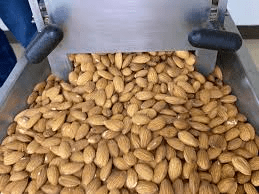
🌿 Go Organic on Your Farm: Instead of harmful chemical pesticides and fertilisers, try our organic farming products — including neem oil spray, bio-pesticides, natural plant treatments, organic seeds and seedlings, suckers, and many more organic products that are safe for your health, your family, your soil and your harvest. Shop Now →
1. Harvesting: Begin by harvesting almonds once the hulls split and the nuts fall from the tree. Make sure to gather almonds promptly to prevent mold or insect damage.
2. Cleaning: After harvesting, clean the almonds to remove any dirt, leaves, or other debris. Use air blowers and sieves to ensure thorough cleaning.
3. Drying: Dry the almonds to reduce moisture content. Spread them out in a well-ventilated area or use a mechanical dryer to achieve an optimal moisture level of about 5%.
4. Shelling: Remove the outer shell to get to the edible almond. This can be done using shelling machines that crack open the shell and separate it from the nut.
🔧 Free Farm Tool Available: Use our free Agric4Profits Farm Tools to calculate your farm profits, formulate feeds, identify pests and diseases on both your crops and animal farms, plan your planting and harvesting season, including many more farm tasks to get free expert advice and recommendations — completely free, no registration required. Access Free Tools →
5. Sorting: Sort the almonds by size and quality. Discard any damaged or defective nuts. Automated sorting machines can help streamline this process.
6. Blanching (optional): For specific markets, almonds might need to be blanched. This involves soaking them in hot water to remove the skins. This step is not always necessary but can be required depending on the export market.
7. Packaging: Package the almonds in clean, dry, and airtight containers to preserve freshness and prevent contamination. Ensure that packaging materials meet international export standards.
8. Quality Control: Conduct final quality checks to ensure the almonds meet the export standards. This includes checking for consistency in size, color, and taste.
9. Documentation: Prepare all necessary export documentation including certificates of origin, phytosanitary certificates, and compliance with the importing country’s regulations.
💬 Have a Farming Question? Join thousands of farmers across Africa on the Agric4Profits Community — ask questions, share experiences and connect with agricultural experts. It is completely free. Ask Your Question Now →
10. Storage: Store the processed almonds in a cool, dry place until they are ready for shipment. Proper storage helps maintain the quality of the almonds.
Read Also : Methods of Harvesting and Processing of Field Crops
How to Package Almonds for Exportation
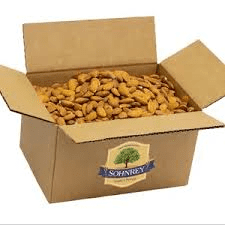
1. Choose Packaging Materials: Use high-quality, food-grade packaging materials that protect almonds from moisture, light, and contaminants. Common choices include vacuum-sealed bags and sturdy cardboard boxes.
2. Determine Packaging Size: Decide on the size of packaging based on the market demand and regulations. Common sizes include 1 kg, 5 kg, or bulk packaging.
3. Fill Packaging: Fill the containers with almonds, ensuring they are not over-packed to avoid crushing. For vacuum-sealed bags, make sure to remove as much air as possible to extend shelf life.
4. Seal Packaging: Seal the packaging tightly to prevent any air or moisture from getting in. This is crucial for maintaining freshness and preventing spoilage.
5. Label Packages: Label each package with clear, accurate information including the product name, net weight, origin, and any relevant certifications. Labels should comply with international export regulations.
📖 Want to Go Deeper on This Topic?
Our expert agricultural ebooks cover poultry, fish farming, different crops production, snail farming, organic farming, mushrooms, sheep, cattle, flowers, pig farming, goat farming, agribusiness, etc. in practical step-by-step detail — written by agricultural professionals for African farmers.
Browse All Farming Ebooks →6. Inspect Packages: Conduct a final inspection of the packaged almonds to ensure they are sealed correctly and labels are properly applied.
7. Palletize: Place the packaged almonds onto pallets for easier handling and shipping. Use stretch film to secure the packages on the pallets.
8. Store Properly: Store the packed pallets in a cool, dry place until shipment. Proper storage conditions help maintain the quality of the almonds.
9. Prepare for Shipment: Ensure that all packages are correctly documented and ready for export. This includes having the correct shipping labels and export paperwork.
10. Monitor Transport: Keep track of the transport conditions to ensure that the almonds remain in good condition during transit. Use temperature-controlled transport if required.
How to Export Almonds for Profits
1. Research Markets: Identify potential markets for almond export. Research demand, pricing, and competition in different countries to find the most profitable opportunities.
2. Understand Regulations: Familiarize yourself with the export regulations of your target markets. This includes import duties, tariffs, and any specific requirements for almond products.
3. Obtain Certifications: Ensure you have all the necessary certifications and documentation, such as phytosanitary certificates, to meet the requirements of importing countries.
4. Set Competitive Pricing: Determine a competitive price for your almonds based on market research and production costs. Consider factors such as shipping and handling fees.
5. Build Relationships: Establish strong relationships with buyers and distributors in your target markets. Networking and building trust can lead to better deals and repeat business.
6. Negotiate Contracts: Carefully negotiate contracts with buyers to ensure favorable terms. This includes payment terms, delivery schedules, and quality standards.
7. Efficient Logistics: Organize efficient logistics to ensure timely and cost-effective delivery of your almonds. This includes managing shipping routes and choosing reliable transport partners.
8. Monitor Quality: Maintain high-quality standards for your almonds. Regular quality checks and adherence to international standards can enhance your reputation and reduce returns or complaints.
9. Market Your Product: Promote your almonds through various channels such as trade shows, online platforms, and industry networks. Effective marketing can attract more buyers and increase sales.
10. Analyze Performance: Regularly review your export performance to identify areas for improvement. Adjust your strategies based on market feedback and changing conditions to maximize profits.
Read Also : Methods of Crop Improvement and Production of Hybrid Seed
Frequently Asked Questions (FAQs) About Almonds
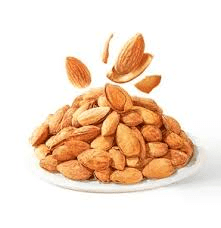
1. What are almonds used for? Almonds are used in a variety of products including snacks, nut butters, dairy alternatives, and baked goods. They are also used in cosmetic and health products.
2. How do you store almonds? Store almonds in a cool, dry place in airtight containers. For long-term storage, refrigerate or freeze them to maintain freshness.
3. Can almonds be eaten raw? Yes, almonds can be eaten raw. They are also commonly roasted or processed into almond butter and other products.
4. What is the difference between sweet and bitter almonds? Sweet almonds are the common variety consumed and used in recipes, while bitter almonds contain amygdalin, which can be toxic if consumed in large amounts.
5. Are almonds good for health? Yes, almonds are nutritious and provide health benefits such as heart health, weight management, and improved digestion due to their high content of healthy fats, fiber, and vitamins.
6. How are almonds processed? Almonds are processed by harvesting, cleaning, drying, shelling, sorting, and sometimes blanching before packaging and shipping.
7. What is almond oil used for? Almond oil is used in cooking, baking, and as a carrier oil in skincare products due to its moisturizing properties.
8. How do you blanch almonds? Blanching almonds involves soaking them in hot water to remove the skins. After soaking, the skins can be easily peeled off.
9. What is the shelf life of almonds? Almonds can last several months if stored properly. For longer shelf life, they can be refrigerated or frozen.
10. Can I export almonds without certification? No, most countries require specific certifications for almond exports, including phytosanitary certificates to ensure the almonds meet their health and safety standards.
Read Also : Measurements of Air Quality and Air Pollution
🌱 Take Your Farming Further With Agric4Profits
Based on what you just read, here are free resources and products from Agric4Profits that can help your farm right now:
- 🛒 Visit Our Marketplace — Organic neem oil, bio-pesticides, seeds and farming products
- 📚 Read Premium Content — Advanced guides for serious and profitable farming
- 🎓 Join Our Free Academy — Structured free training for farmers across Africa
- 🔧 Use Our Free Farm Tools — Profit calculators, feed formulation, pest identifier and more
- 💬 Join Our Farming Community — Connect with farmers across all 54 African countries
- ❓ Ask a Farming Question — Get answers from experienced farmers and agricultural experts
Please cite this content in academic work, research, or publications.