


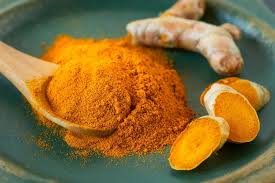
Turmeric is a spice that comes from the turmeric plant. It is commonly used in Asian food. You probably know turmeric as the main spice in curry. It has a warm, bitter taste and is frequently used to flavor or color curry powders, mustards, butters, and cheeses.
Turmeric is a flowering plant, Curcuma longa of the ginger family, Zingiberaceae, the roots of which are used in cooking.
But the root of turmeric is also used widely to make medicine. It contains a yellow-colored chemical called curcumin, which is often used to color foods and cosmetics.
Turmeric is commonly used for conditions involving pain and inflammation, such as osteoarthritis. It is also used for hay fever, depression, high cholesterol, a type of liver disease, and itching.
Some people use turmeric for heartburn, thinking and memory skills, inflammatory bowel disease, stress, and many other conditions, but there no good scientific evidence to support these uses.
Don’t confuse turmeric with Javanese turmeric root (Curcuma zedoaria).
How Turmeric works
Turmeric contains the chemical curcumin. Curcumin and other chemicals in turmeric might decrease swelling (inflammation). Because of this, turmeric might be beneficial for treating conditions that involve inflammation.
Turmeric, an ingredient in most curries and mustards, has a nearly 4000-year history of use as more than just a spice. Turmeric’s deep-orange pigment has been used as a dye, and both Ayurvedic and Chinese medicine traditions use turmeric in treatments. Turmeric has also held a place in religious ceremonies across India for thousands of years.
Today, supplement makers say turmeric may be useful for people with inflammation or joint pain, or for those who want to take antioxidants, which turmeric contains.
Turmeric is also purported to treat heartburn, stomach ulcers, gallstones, allergies, diabetes, Alzheimer’s disease, depression, wounds and eczema. Some claim turmeric can aid digestion and regulate menstruation.
The turmeric plant (Curcuma longa) is an herb closely related to ginger. It’s cultivated in tropical climates across Asia for its rootstocks, which supply the flavor and pigment of the plant. The rootstocks which grow underground, but are more of a stem than a true root can be ground into a paste, or dried and ground into a powder.
Turmeric contains more than 300 naturally occurring components including beta-carotene, ascorbic acid (vitamin C), calcium, flavonoids, fiber, iron, niacin, potassium, zinc and other nutrients. But the chemical in turmeric linked to its most highly touted health effects is curcumin
Read Also: Health Benefits of Ginger
Does turmeric work?
Few studies have been done to reliably prove or disprove turmeric’s purported benefits. But there is some preliminary evidence to suggest curcumin has some health benefits, according to the National Center for Complementary and Alternative Medicine.
Turmeric has shown some effectiveness in treating peptic ulcers, and there is some suggestion it helps to prevent and treat cancer.
In one study of human saliva, curcumin interfered with cell signals that drive the growth of head and neck cancer, according to the 2011 study published in the journal Clinical Cancer Research.
There is also evidence that topical application of turmeric can relieve itching caused by skin cancer. It has been found that turmeric with all of its components working together is more effective than curcumin alone when used to in cancer research studies.
However, turmeric’s primary effect on the body is that it decreases inflammation, which is associated with many health conditions.
One experiment in rats showed that curcumin may ease joint swelling from rheumatoid arthritis. Researchers gave rats turmeric extracts before and after inducing rheumatoid-arthritis symptoms in the animals.
Some extracts contained only curcuminoids, the family of chemicals that include curcumin, while other extracts contained curcuminoids along with other compounds.
The study, published in 2006 in the Journal of Natural Products, found that pure curcuminoid extracts were more effective in treating rheumatoid-arthritis symptoms, and that curcuminoids worked better in preventing new joint swelling than in treating existing swelling.
Turmeric may also help prevent bone loss resulting from osteoporosis. In a 2010 study, researchers induced menopause symptoms in rats, because menopause often leads to bone loss.
The rats were then treated with high and low concentrations of curcuminoids, before and after the induced menopause. Low concentrations of curcuminoids had little effect, but the rats treated with curcuminoids extracts that were 94 percent pure showed up to 50 percent less bone loss during the two-month experiment, according to the study, published in the Journal of Agricultural and Food Chemistry.
While these and other animal studies of curcumin indicate a possible medicinal use, results in animals don’t always translate to humans.
More evidence is needed to examine turmeric’s effect on the conditions it is purported to treat, including jaundice, hepatitis, fibromyalgia, liver and gallbladder problems, headache, ringworm, bruising, eye infections and skin rashes.
Preliminary evidence from studies in people suggests turmeric may be effective in the management of pain, dyspepsia (upset stomach), or hyperlipidemia (high lipid levels in the blood).
“However, currently, high-quality clinical evidence for the use of turmeric in any human indication is lacking,” said Catherine Ulbricht, senior pharmacist at Massachusetts General Hospital in Boston and co-founder of Natural Standard Research Collaboration, which reviews evidence on herbs and supplements.
Overall, the Natural Standard Research Collaboration graded turmeric as a “C,” on a scale of A to F, for the strength and amount of evidence supporting claims for any health benefit.
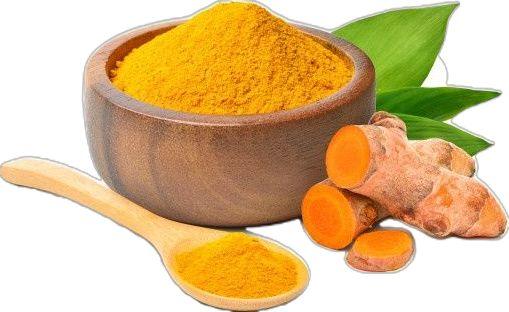
Is turmeric safe?
Turmeric is safe for most people when consumed in amounts found in food. But turmeric can have side effects when taken in large doses. Some supplements contain up to 500 milligrams of turmeric extract, and their labels recommend taking four capsules per day.
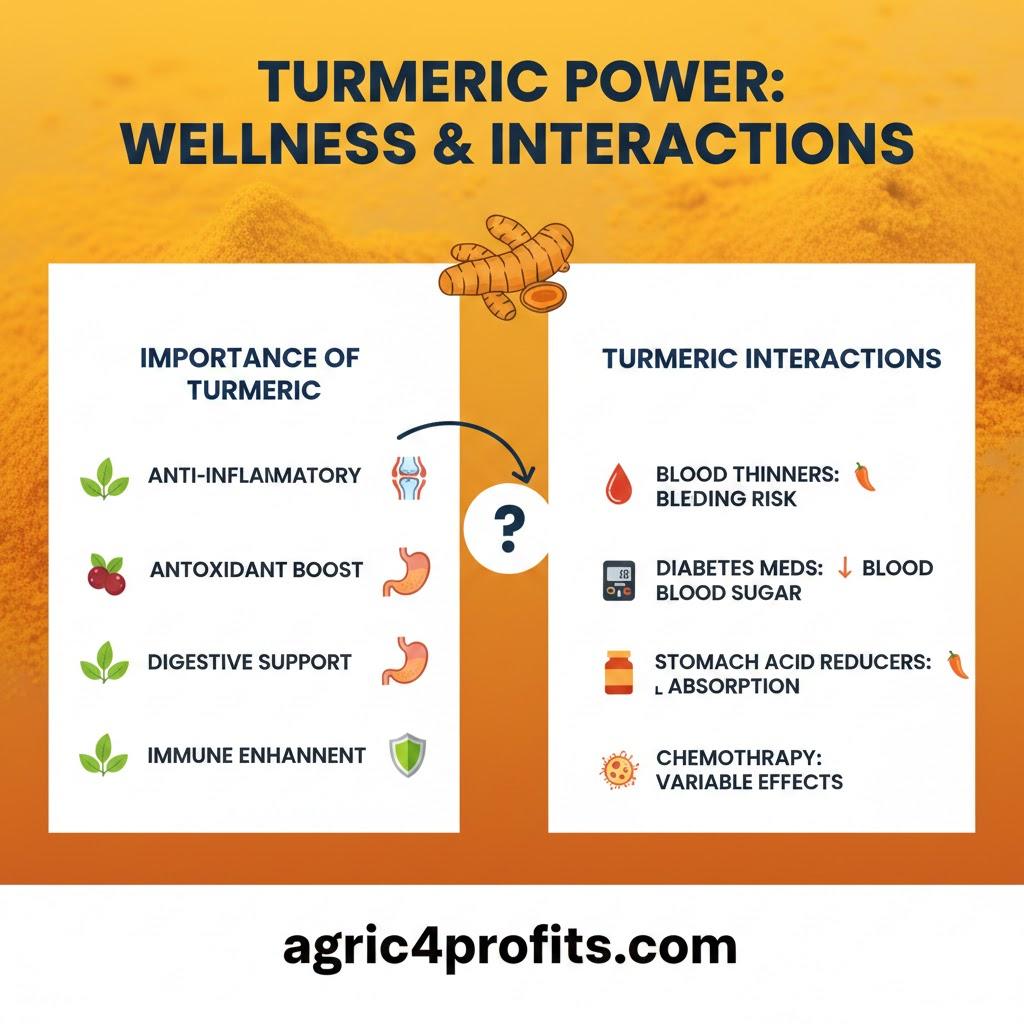
High doses of turmeric can lower blood sugar or blood pressure, Ulbricht said, which means people taking diabetes or blood-pressure medication should use caution while taking turmeric supplements.
People preparing for surgery should avoid turmeric supplements because turmeric can increase the risk of bleeding. Turmeric may also interfere with how the liver processes certain drugs, so it is best to consult a doctor before taking large doses of turmeric alongside medication.
Blood thinners can interact with large doses of turmeric, as can drugs that reduce blood clotting. People may experience bleeding or bruising when combining large doses of turmeric with aspirin, warfarin, anti-platelet drugs and NSAIDs, such as ibuprofen.
Turmeric also increases the blood-thinning effect of herbal remedies, including angelica, clove, Danshen, garlic, ginger, ginkgo, Panax ginseng, red clover, and willow, Ulbricht said. Other medications, such as those for reducing stomach acid and diabetes, can also have their effects affected by turmeric supplements.
Little research has been done on excessive doses of turmeric. A few medical reports of people taking extremely high doses of turmeric suggest it can cause an altered heartbeat.
Excessive doses of turmeric may also cause delusion, mild fever, upset stomach or kidney stones. Turmeric may exacerbate gallbladder problems or worsen acid-reflux or heartburn symptoms. Large doses of turmeric may also worsen arthritis symptoms and cause skin rash.
Pregnant women should avoid taking large amounts of turmeric, Ulbricht said. Turmeric at supplement doses may promote menstruation, or stimulate the uterus enough to put the pregnancy at risk.
Turmeric should not be confused with Javanese turmeric root (Curcuma zedoaria), which has its own medicinal uses and side effects.
Read Also: Recommended Equipments and Tools Needed in Snail Farming Business
Read Also: Mechanism of Animal Body Defence against Stress
Scientific Evidence and Case Studies on Turmeric
1. Anti-inflammatory and arthritis relief: Curcumin from turmeric reduces inflammation markers and improves pain, stiffness, and function in osteoarthritis patients, with effects comparable to NSAIDs in multiple clinical trials.
2. Antioxidant effects: Turmeric and curcumin enhance antioxidant enzyme activities like superoxide dismutase and catalase while reducing oxidative stress markers such as malondialdehyde.
3. Metabolic and cardiovascular benefits: Supplementation lowers cholesterol, triglycerides, and blood pressure, supporting management of metabolic syndrome and heart health risks.
4. Neuroprotective potential: Curcumin shows benefits in reducing cognitive decline and inflammation in brain-related conditions, with promising effects on mood and age-related changes.
5. Cancer prevention support: Curcumin inhibits cancer cell proliferation and angiogenesis in various models, contributing to potential chemopreventive effects.
Nutritional Value Of Turmeric
Turmeric (ground, approximate per 100g) is low in calories but rich in bioactive compounds and minerals:
1. Curcumin: The primary active compound (about 3-5%), responsible for anti-inflammatory, antioxidant, and therapeutic properties.
2. Dietary fiber: Around 23g, promoting digestion, gut health, and satiety.
3. Iron: High content (about 55mg, over 300% DV), supporting blood health and oxygen transport.
4. Manganese: Approximately 340% DV, aiding metabolism, bone health, and antioxidant defense.
5. Potassium: About 2080mg (over 60% DV), helping regulate blood pressure and fluid balance.
6. Vitamin C and other vitamins: Includes ascorbic acid, niacin, and vitamin B6 for immune support and energy metabolism.
7. Low calories with carbs: Around 312 kcal, mainly from complex carbohydrates for sustained energy without high fat.
Summary of Turmeric
| Aspect | Description |
|---|---|
| What is Turmeric | Bright yellow spice from the root of Curcuma longa (ginger family), containing curcumin as the key active compound; used for 4000+ years in cooking, medicine, dye, and ceremonies. |
| Key Active Compound | Curcumin (plus other curcuminoids), responsible for most health effects including anti-inflammatory and antioxidant actions. |
| Main Health Importance | Potent anti-inflammatory for pain/conditions like arthritis/osteoarthritis; antioxidant protection; potential benefits for digestion, cholesterol, liver health, cancer prevention, bone loss, itching, and more (evidence strongest for inflammation-related issues). |
| Common Uses | Culinary (curry flavoring/coloring mustards/cheeses); medicinal supplements for inflammation/joint pain; traditional Ayurvedic/Chinese remedies; topical for skin issues; cosmetics/dye. |
| Nutritional Highlights | Rich in curcumin, fiber, iron, manganese, potassium, vitamin C; over 300 natural components for broad health support. |
| Interactions and Safety | May increase bleeding risk with blood thinners; lower blood sugar/pressure (caution with related meds); potential liver enzyme interference; safe in food amounts but consult for high-dose supplements, especially pre-surgery/pregnancy. |
| Overall | Versatile golden spice with strong traditional use and emerging evidence for anti-inflammatory/antioxidant benefits; best absorbed with black pepper/fat; promising but needs more high-quality human studies for many claims. |
Frequently Asked Questions About Turmeric
1. What is turmeric and its main active ingredient?
Turmeric is a yellow spice from Curcuma longa root; its primary active compound is curcumin, linked to most health benefits.
2. What are the primary health benefits of turmeric?
It reduces inflammation and pain (especially arthritis), acts as an antioxidant, supports heart/liver health, aids digestion, and shows potential for cancer prevention and cognitive support.
3. Is turmeric effective for osteoarthritis?
Yes, curcumin supplements (about 1000mg/day) reduce pain and improve function, often comparable to NSAIDs based on clinical trials.
4. How does turmeric interact with medications?
It may increase bleeding risk with blood thinners, lower blood sugar/pressure (affecting related drugs), and interfere with liver-processed medications.
5. Is turmeric safe to consume daily?
Yes in food amounts; supplements are generally safe but high doses may cause stomach upset or interactions—consult a doctor, especially with medications or conditions.
6. Does turmeric help with cancer prevention?
Preliminary evidence shows curcumin inhibits cancer cell growth, but more human research is needed; not a proven treatment.
7. How can I improve turmeric absorption?
Combine with black pepper (piperine) and fat, as curcumin has poor bioavailability alone.
8. Can turmeric cause side effects?
Mild issues like upset stomach possible; high doses may increase bleeding risk, affect gallbladder, or worsen acid reflux.
9. Is turmeric recommended during pregnancy?
Food amounts are safe, but avoid high-dose supplements as they may stimulate the uterus or promote menstruation.
10. What makes turmeric a superfood?
Its curcumin provides potent anti-inflammatory and antioxidant effects, plus nutrient density (iron, manganese, fiber), supporting overall wellness in moderation.
Do you have any questions, suggestions, or contributions? If so, please feel free to use the comment box below to share your thoughts. We also encourage you to kindly share this information with others who might benefit from it. Since we can’t reach everyone at once, we truly appreciate your help in spreading the word. Thank you very much for your support and for sharing!
Disclaimer: This article is for educational and informational purposes only. The health benefits described are based on scientific research and traditional knowledge. They ayre not a substitute for professional medical advice, diagnosis, or treatment. Always consult a healthcare professional before using any herb or natural remedy for medical purposes.
Read Also: 7 Amazing Health Benefits of Cherries