


Farm equipment and technology have transformed agriculture, making it more efficient, productive, and sustainable. Over the years, advancements in machinery and tools have enabled farmers to work more effectively, manage larger areas of land, and produce higher yields with less effort.
Understanding farm equipment and the technologies available is crucial for anyone involved in farming, whether you're a beginner or an experienced farmer.
1. Traditional vs. Modern Equipment: In the past, farming was labor-intensive, with most tasks done manually or with the help of animals. Traditional tools like hoes, plows, and sickles were widely used. Today, modern equipment such as tractors, harvesters, and seed drills have replaced these tools, making farming faster and more efficient.
2. Types of Farm Equipment: There are various types of farm equipment designed for different farming activities. Tractors are versatile machines used for plowing, planting, and transporting goods. Harvesters are specialized machines for collecting crops like wheat, corn, and rice. Irrigation systems ensure that crops receive the right amount of water, while sprayers distribute fertilizers and pesticides.
3. Technology in Agriculture: Technology plays a significant role in modern farming. GPS-guided tractors ensure precise planting and harvesting, reducing waste and increasing efficiency. Drones are used for crop monitoring, helping farmers identify issues like pest infestations or nutrient deficiencies early. Precision agriculture uses data and technology to optimize every aspect of farming, from planting to harvesting.
Farming Practices
🌿 Go Organic on Your Farm: Instead of harmful chemical pesticides and fertilisers, try our organic farming products — including neem oil spray, bio-pesticides, natural plant treatments, organic seeds and seedlings, suckers, and many more organic products that are safe for your health, your family, your soil and your harvest. Shop Now →

Farming practices refer to the methods and techniques used to grow crops and raise animals. These practices have evolved over time, incorporating new knowledge and technologies to improve productivity and sustainability. Understanding different farming practices is essential for successful agriculture.
1. Traditional Farming: Traditional farming involves methods that have been passed down through generations. These methods often rely on natural processes and are usually low-tech. While traditional farming can be sustainable, it may not be as productive as modern methods.
2. Conventional Farming: Conventional farming uses modern techniques and inputs, such as synthetic fertilizers, pesticides, and high-yielding crop varieties. This approach aims to maximize production and efficiency but can have environmental impacts if not managed carefully.
🔧 Free Farm Tool Available: Use our free Agric4Profits Farm Tools to calculate your farm profits, formulate feeds, identify pests and diseases on both your crops and animal farms, plan your planting and harvesting season, including many more farm tasks to get free expert advice and recommendations — completely free, no registration required. Access Free Tools →
3. Organic Farming: Organic farming emphasizes natural processes and avoids synthetic chemicals. It focuses on building healthy soils, maintaining biodiversity, and using organic inputs like compost and natural pest control methods. Organic farming can be more labor-intensive and may produce lower yields than conventional farming, but it is environmentally friendly and can command higher market prices.
4. Sustainable Farming: Sustainable farming aims to meet current food needs without compromising the ability of future generations to meet theirs. It involves practices that protect the environment, promote soil health, and reduce resource use. Examples include crop rotation, conservation tillage, and agroforestry.
Read Also: Trichomoniasis: Description, Damages Caused, Control and Preventive Measures
Crop Production: Methods and Techniques
💬 Have a Farming Question? Join thousands of farmers across Africa on the Agric4Profits Community — ask questions, share experiences and connect with agricultural experts. It is completely free. Ask Your Question Now →
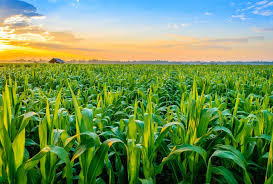
Crop production is a central aspect of agriculture, involving the cultivation of plants for food, fiber, and other products. Various methods and techniques are used to grow crops, depending on factors like climate, soil type, and available resources.
1. Land Preparation: Before planting, the land must be prepared to create a suitable environment for seeds to germinate and grow. This involves plowing or tilling the soil to break it up, remove weeds, and incorporate organic matter. Some farmers practice no-till farming, which minimizes soil disturbance and helps conserve soil moisture.
2. Seed Selection: Choosing the right seeds is crucial for successful crop production. Farmers select seeds based on factors like climate, soil type, and resistance to pests and diseases. High-quality seeds ensure better germination rates, healthier plants, and higher yields.
3. Planting: Planting can be done manually or with the help of machines like seed drills. The timing of planting is important, as seeds need the right temperature and moisture conditions to germinate. In some cases, farmers use transplants (young plants started in a nursery) instead of seeds.
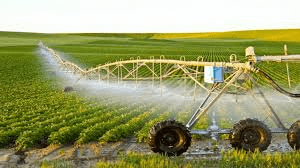
4. Irrigation: Water is essential for crop growth, and irrigation ensures that crops receive enough water throughout their growing cycle. There are various irrigation methods, including surface irrigation, drip irrigation, and sprinkler systems. Efficient water management is crucial for conserving water and preventing over-irrigation, which can lead to soil erosion and nutrient leaching.
5. Fertilization: Fertilizers provide essential nutrients that crops need to grow. Farmers use both organic fertilizers (like compost and manure) and synthetic fertilizers. Applying the right amount of fertilizer at the right time helps optimize crop growth and yields while minimizing environmental impacts.
6. Pest and Weed Control: Pests and weeds can significantly reduce crop yields if not managed properly. Farmers use various methods to control pests and weeds, including chemical pesticides, biological control (using natural predators), and cultural practices like crop rotation and mulching.
7. Harvesting: Harvesting involves collecting the mature crops from the field. The timing of the harvest is critical to ensure the best quality and yield. Modern harvesters can quickly and efficiently collect crops, reducing the time and labor needed for harvesting.
Livestock Rearing: Types and Benefits
📖 Want to Go Deeper on This Topic?
Our expert agricultural ebooks cover poultry, fish farming, different crops production, snail farming, organic farming, mushrooms, sheep, cattle, flowers, pig farming, goat farming, agribusiness, etc. in practical step-by-step detail — written by agricultural professionals for African farmers.
Browse All Farming Ebooks →Livestock rearing involves raising animals for food, fiber, and other products. Different types of livestock farming cater to various needs and offer numerous benefits.
1. Types of Livestock Farming:
Dairy Farming: Involves raising cows, goats, or sheep for milk production. Dairy farming provides a steady income and essential dairy products like milk, cheese, and yogurt.
Poultry Farming: Focuses on raising chickens, ducks, and turkeys for meat and eggs. Poultry farming is popular due to its relatively low cost and quick returns.
Beef Farming: Involves raising cattle for meat production. Beef farming can be a profitable venture, especially in regions with high demand for beef.
Sheep and Goat Farming: These animals are raised for meat, milk, and wool. Sheep and goat farming is often practiced in areas with limited resources, as these animals are hardy and require less intensive care.
Pig Farming: Pigs are raised for meat (pork) and are known for their high feed conversion efficiency, meaning they gain weight quickly with relatively little feed.
2. Benefits of Livestock Farming:
Income Generation: Livestock farming provides a steady source of income through the sale of meat, milk, eggs, and other products.
Employment Opportunities: Livestock farming creates jobs in rural areas, supporting local economies.
Nutritional Value: Livestock products are rich in essential nutrients, providing a valuable source of protein, vitamins, and minerals.
Soil Fertility: Manure from livestock improves soil fertility, enhancing crop production.
Read Also: Tuberculosis (Mycobacterium bovis): Description, Damages Caused, Control and Preventive Measures
Aquaculture: Sustainable Fish Farming
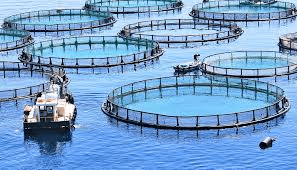
Aquaculture, or fish farming, involves raising fish and other aquatic organisms in controlled environments. As wild fish stocks decline due to overfishing, aquaculture has become an important method of producing seafood sustainably.
1. Types of Aquaculture:
Freshwater Aquaculture: Involves raising fish in freshwater environments like ponds, rivers, and lakes. Common species include tilapia, catfish, and carp.
Marine Aquaculture: Also known as mariculture, this involves raising fish and other aquatic organisms in the ocean or saltwater environments. Species like salmon, shrimp, and oysters are commonly farmed.
Integrated Aquaculture: Combines fish farming with other agricultural activities, such as rice farming or livestock rearing. This approach maximizes resource use and reduces environmental impact.
2. Benefits of Aquaculture:
Sustainable Food Production: Aquaculture provides a sustainable source of seafood, reducing pressure on wild fish populations.
Income and Employment: Aquaculture creates jobs and provides income for millions of people worldwide.
Resource Efficiency: Fish farming is an efficient way to produce protein, as fish have a high feed conversion ratio, meaning they require less feed to produce the same amount of meat as land animals.
Environmental Impact: When managed responsibly, aquaculture has a lower environmental impact than traditional fishing, as it reduces bycatch and habitat destruction.
Integrated Farming Systems: Combining Crops, Livestock, and Aquaculture
Integrated farming systems involve combining different types of farming practices, such as crop production, livestock rearing, and aquaculture, into a single, synergistic system. This approach maximizes resource use, increases productivity, and promotes sustainability.
1. Crop-Livestock Integration: Involves raising crops and livestock on the same farm, where the waste from one system benefits the other. For example, livestock manure can be used as fertilizer for crops, while crop residues can serve as feed for livestock. This integration enhances soil fertility, reduces the need for synthetic inputs, and increases overall farm productivity.
2. Crop-Aquaculture Integration: Combines crop farming with aquaculture, where water from fish ponds is used to irrigate crops. The nutrient-rich water from fish farming acts as a natural fertilizer, promoting healthy crop growth. This system also reduces water use and improves resource efficiency.
3. Livestock-Aquaculture Integration: Involves raising livestock alongside fish farming, where livestock waste is used as feed for fish. This system reduces feed costs and promotes a circular economy within the farm.
4. Benefits of Integrated Farming Systems:
Increased Productivity: Integrated systems maximize resource use, leading to higher overall farm productivity.
Sustainability: By recycling nutrients and reducing waste, integrated farming systems promote environmental sustainability.
Resilience: Diversifying farming activities increases resilience to economic and environmental shocks, as farmers are not reliant on a single source of income.
Efficient Resource Use: Integrated systems make efficient use of resources like water, land, and nutrients, reducing the need for external inputs and minimizing environmental impact.
Best Practices for Sustainable Farming
Sustainable farming focuses on meeting current food needs while ensuring the health of the environment, society, and economy for future generations. Implementing best practices in sustainable farming can enhance productivity, conserve resources, and minimize negative impacts on the environment. Here are some key practices to consider:
1. Crop Rotation: Changing the types of crops grown in a field each season helps maintain soil fertility, reduce pest and disease buildup, and prevent soil erosion. Crop rotation improves soil structure and reduces the need for synthetic fertilizers and pesticides.
2. Conservation Tillage: This practice involves reducing the amount of soil disturbance during planting and harvesting. Techniques like no-till or minimum-till farming help preserve soil structure, reduce erosion, and improve water retention.
3. Organic Farming: Organic farming avoids synthetic chemicals and focuses on natural processes. It uses organic fertilizers, compost, and natural pest control methods to promote soil health and biodiversity.
4. Integrated Pest Management (IPM): IPM combines biological, cultural, and mechanical control methods with minimal use of chemicals. By monitoring pests and using targeted interventions, IPM reduces the impact on non-target species and the environment.
5. Water Conservation: Efficient water use is critical for sustainable farming. Techniques such as drip irrigation, rainwater harvesting, and soil moisture management help conserve water and ensure crops receive adequate hydration without wastage.
6. Agroforestry: Integrating trees and shrubs into agricultural systems provides multiple benefits, including improved soil fertility, reduced erosion, and enhanced biodiversity. Agroforestry systems can also provide additional income from timber, fruits, and nuts.
7. Cover Cropping: Growing cover crops like clover or legumes during the off-season helps protect the soil from erosion, improve soil structure, and enhance nutrient availability. Cover crops also contribute to soil health by fixing nitrogen and adding organic matter.
8. Composting: Using compost made from organic waste helps improve soil fertility and structure. Composting reduces the need for synthetic fertilizers and promotes a healthy soil ecosystem.
Challenges and Solutions in Modern Farming
Modern farming faces various challenges that impact productivity, environmental sustainability, and economic viability. Addressing these challenges requires innovative solutions and adaptive strategies.
1. Soil Degradation: Intensive farming practices can lead to soil erosion, nutrient depletion, and reduced soil fertility. To combat soil degradation, farmers can implement conservation tillage, use cover crops, and practice crop rotation to maintain soil health.
2. Water Scarcity: Water availability is a growing concern in many regions. To address water scarcity, farmers can adopt water-saving irrigation techniques like drip irrigation, use rainwater harvesting systems, and manage water resources more efficiently.
3. Climate Change: Climate change affects temperature, precipitation patterns, and the frequency of extreme weather events. Farmers can mitigate climate change impacts by adopting climate-smart practices, such as adjusting planting dates, selecting drought-resistant crop varieties, and improving soil management.
4. Pest and Disease Management: Emerging pests and diseases pose risks to crop and livestock production. Integrated Pest Management (IPM) and biotechnology can help manage pests and diseases more effectively while minimizing environmental impact.
5. Economic Pressures: Fluctuations in market prices, high input costs, and competition can strain farm profitability. Diversifying income sources, improving operational efficiency, and accessing financial support programs can help farmers manage economic pressures.
6. Labor Shortages: Many farming operations face challenges in finding skilled labor. Investing in automation and technology, providing training opportunities, and improving working conditions can help address labor shortages.
Future Trends in Farming Practices
The future of farming is likely to be shaped by technological advancements, changing environmental conditions, and evolving consumer preferences. Here are some key trends to watch for:
1. Precision Agriculture: Precision agriculture uses data and technology to optimize farming practices. This includes GPS-guided machinery, drones, and sensors to monitor crop health, manage resources more effectively, and increase yields.
2. Vertical Farming: Vertical farming involves growing crops in stacked layers or vertically inclined surfaces, often in controlled indoor environments. This method allows for year-round production and efficient use of space and resources.
3. Smart Farming: Smart farming integrates digital technologies, such as the Internet of Things (IoT), artificial intelligence (AI), and big data analytics, to enhance decision-making and automate farm operations.
4. Sustainable Livestock Farming: Innovations in livestock farming, such as improved feed efficiency, waste management, and animal welfare practices, aim to reduce the environmental footprint of meat and dairy production.
5. Alternative Proteins: As demand for meat grows, alternative proteins like plant-based meats, insect protein, and lab-grown meat are gaining traction. These alternatives offer sustainable and ethical options for protein production.
6. Blockchain in Agriculture: Blockchain technology can enhance transparency and traceability in food supply chains. It allows for secure record-keeping, tracking the origin of products, and ensuring food safety and quality.
7. Climate-Smart Agriculture: This approach focuses on adapting farming practices to climate change and reducing greenhouse gas emissions. It includes practices like agroforestry, soil carbon sequestration, and sustainable water management.
Conclusion
Understanding and implementing sustainable farming practices, addressing modern farming challenges, and staying informed about future trends are essential for successful and responsible agriculture. By adopting best practices in crop production, livestock rearing, and aquaculture, farmers can enhance productivity, conserve resources, and contribute to a healthier environment.
Embracing new technologies and innovative approaches will help farmers navigate the evolving landscape of agriculture and ensure a sustainable future for food production.
Read Also: How To Raise Chickens – The Simple Secrets To A Great Backyard Flock
Frequently Asked Questions
We will update this section soon.
🌱 Take Your Farming Further With Agric4Profits
Based on what you just read, here are free resources and products from Agric4Profits that can help your farm right now:
- 🛒 Visit Our Marketplace — Organic neem oil, bio-pesticides, seeds and farming products
- 📚 Read Premium Content — Advanced guides for serious and profitable farming
- 🎓 Join Our Free Academy — Structured free training for farmers across Africa
- 🔧 Use Our Free Farm Tools — Profit calculators, feed formulation, pest identifier and more
- 💬 Join Our Farming Community — Connect with farmers across all 54 African countries
- ❓ Ask a Farming Question — Get answers from experienced farmers and agricultural experts
Please cite this content in academic work, research, or publications.