


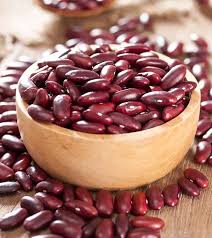
Kidney beans, botanically known as Phaseolus vulgaris, are one of the most common and widely consumed bean varieties. They earn the name “kidney beans” due to their distinctive shape and color, which closely resemble a human kidney.
Phaseolus vulgaris (kidney beans) typically appear reddish or whitish, leading to common names such as red kidney beans or white kidney beans. They have a mild, pleasant taste and, when cooked, readily absorb flavors and seasonings from the dish.
Kidney beans are nutrient-dense, providing important vitamins and minerals including folic acid, calcium, complex carbohydrates, dietary fiber, and high-quality protein—all essential for growth, development, and overall health.
This article covers the key health benefits, detailed nutritional profile, and practical serving ideas for kidney beans (Phaseolus vulgaris).
Health Benefits of Kidney Beans (Phaseolus vulgaris)
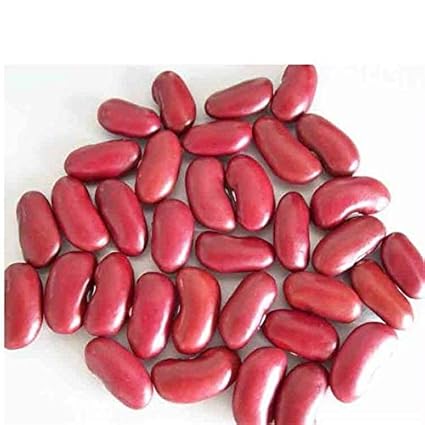
Red kidney beans
Here are the key health benefits of kidney beans (Phaseolus vulgaris):
1. Helps Lower Cholesterol Levels
Kidney beans are rich in complex carbohydrates and high in dietary fiber—especially soluble fiber. Soluble fiber forms a gel-like substance in the digestive tract that binds to cholesterol and prevents its absorption into the bloodstream.
2. Good for Diabetes Management
With a low glycemic index, kidney beans cause a slow, steady rise in blood sugar. This makes them an excellent choice for people with diabetes and helps reduce the risk of developing type 2 diabetes in healthy individuals.
3. Improves Memory and Brain Health
Kidney beans provide a good amount of vitamin B1 (thiamine), which supports cognitive function. Thiamine is essential for producing acetylcholine—a neurotransmitter critical for memory, concentration, and brain health. Regular consumption may also help slow the progression of Alzheimer’s disease and dementia.
4. Boosts Energy Levels
The manganese in kidney beans plays a key role in metabolism, helping break down carbohydrates, proteins, and fats into usable energy for the body.
Read Also: SoyBeans – It’s Importance and Health Benefits
5. Provides Strong Antioxidant Properties
Manganese supports the body’s natural antioxidant defenses, helping neutralize harmful free radicals and reduce oxidative stress.
6. Excellent Plant-Based Protein Source
Kidney beans are high in protein and serve as an outstanding meat substitute for vegetarians and vegans. When combined with rice or whole wheat pasta, they deliver complete protein without the saturated fat or extra calories of animal products.
7. Acts as a Natural Detoxifier
Kidney beans contain molybdenum, a trace mineral that helps the body detoxify sulfites—preservatives commonly added to processed foods. Molybdenum supports safe elimination of these potentially harmful compounds.

White kidney beans
8. Helps Prevent Hypertension
Rich in potassium, magnesium, protein, and soluble fiber, kidney beans promote healthy blood vessel function and help maintain optimal blood pressure levels.
Read Also: Health Benefits of Beans and Why you should eat Beans
9. Supports Weight Loss
High soluble fiber promotes prolonged satiety, reducing overall calorie intake. Their low fat and moderate calorie content make them ideal for weight management.
10. Relieves Constipation
Both soluble and insoluble fiber add bulk to stool, promote regular bowel movements, and help prevent or relieve constipation.
11. Boosts Immunity
Antioxidants in kidney beans protect cells from damage, reduce inflammation, and strengthen overall immune function.
12. Offers Anti-Aging Benefits
By combating free radicals, the antioxidants help reduce wrinkles, support healthy hair and nails, and promote youthful skin.
13. Cleanses the Digestive Tract
In appropriate amounts, kidney beans support natural detoxification of the gut, remove accumulated toxins, and may lower the risk of colon cancer.
14. Improves Heart Health
Magnesium helps regulate cholesterol, relaxes blood vessels, and reduces the risk of stroke, heart attack, and other cardiovascular diseases.
Read Also: Soybeans (Glycine max): 13 Health Benefits, Healing Powers and Uses
15. Supports Strong Bones
Calcium, magnesium, and folate contribute to bone density, joint health, and help prevent osteoporosis, fractures, and bone-related disorders.
16. Aids Tissue Repair
Vitamin B6 promotes tissue growth and repair, supports healthy skin and hair, and may help reduce hair loss.
17. May Help Reduce Cataracts
Vitamin B3 (niacin) has been associated with a reduced risk and potential mitigation of cataract formation.
18. Helps Relieve Asthma Symptoms
Magnesium relaxes bronchial muscles and may help prevent or reduce asthma attacks, especially in individuals with low magnesium levels.
Read Also: 5 Ways to Make Money from Old Clothes (Used Clothes)
Nutritional Value of Kidney Beans (Phaseolus vulgaris)
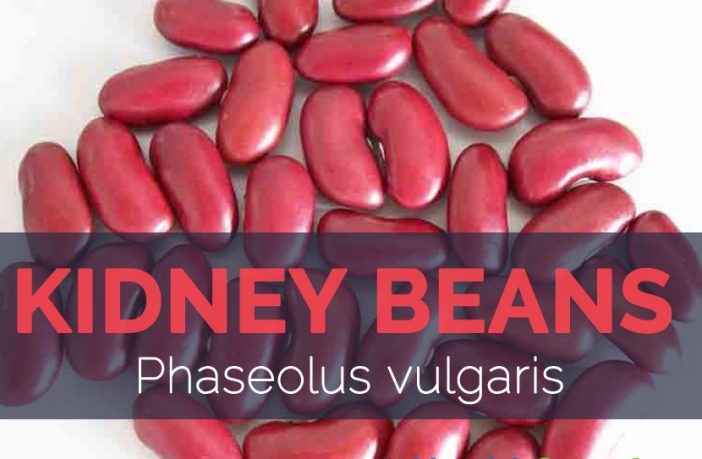
Kidney Beans (Phaseolus vulgaris)
Approximate nutritional content per 1 cup (≈177 g) of cooked kidney beans:
- Calories: 225 kcal
- Protein: 15.35 g
- Carbohydrates: 40.36 g
- Total Fat: 0.88 g
- Dietary Fiber: 11.33 g
- Total Sugars: 0.57 g
- Vitamin B1 (Thiamine): 0.28 mg
- Vitamin B2 (Riboflavin): 0.10 mg
- Vitamin B3 (Niacin): 4.09 mg
- Vitamin B6: 0.21 mg
- Choline: 53.98 mg
- Folate: 230.10 mcg
- Pantothenic Acid: 0.39 mg
- Vitamin E: 0.05 mg
- Vitamin K: 14.87 mcg
- Calcium: 61.95 mg
- Copper: 0.38 mg
- Iron: 3.93 mg
- Magnesium: 74.34 mg
- Manganese: 0.76 mg
- Molybdenum: 132.75 mcg
- Phosphorus: 244.26 mg
- Potassium: 716.85 mg
- Selenium: 1.95 mcg
- Sodium: 1.77 mg
- Zinc: 1.77 mg
- Omega-3 Fatty Acids: 0.30 g
- Omega-6 Fatty Acids: 0.19 g
Read Also: Soya Milk: Nutrition, Facts and Health Benefits
Serving Ideas
- Combine cooked kidney beans with white beans and black beans for a colorful, nutrient-packed mixed bean salad.
- Toss with chopped tomatoes, onions, lemon juice, and black pepper for a fresh, healthy breakfast option.
- Blend cooked kidney beans with garlic and your favorite seasonings to create a tasty, nutritious sandwich spread or dip.
- Serve cooked kidney beans over multigrain toast and top with paneer for a satisfying, protein-rich meal.
Read Also: Beans Farming (Phaseolus vulgaris): Complete Growing Guide for High Yields
Scientific Evidence and Case Studies on Health Benefits of Kidney Beans (Phaseolus vulgaris)
1. Cholesterol and cardiovascular health: Soluble fiber significantly reduces LDL cholesterol by binding bile acids in the intestine; multiple studies show regular legume consumption lowers heart disease risk.
2. Glycemic control: Low glycemic index and high fiber slow glucose absorption, improving postprandial blood sugar and insulin sensitivity in type 2 diabetes patients.
3. Antioxidant activity: Phenolic compounds and manganese provide strong free radical scavenging effects, reducing oxidative stress and inflammation markers.
4. Blood pressure regulation: High potassium and magnesium content supports vascular relaxation and sodium balance, contributing to lower hypertension risk.
5. Digestive and colon health: Dietary fiber increases stool bulk, promotes beneficial gut bacteria, and is linked to reduced colorectal cancer incidence in population studies.
Summary of Kidney Beans (Phaseolus vulgaris): Nutrition, Facts and 18 Health Benefits

| Aspect | Key Points |
|---|---|
| Nutritional Content | ~225 kcal/cup; 15 g protein, 40 g carbs, 11 g fiber, low fat; rich in folate, iron, magnesium, potassium, manganese, molybdenum, B vitamins. |
| Appearance & Flavor | Red or white kidney-shaped beans; mild taste; excellent at absorbing seasonings when cooked. |
| Core Health Benefits | Lowers cholesterol & blood pressure; stabilizes blood sugar; boosts energy & memory; high plant protein; detoxifies sulfites; aids weight loss & digestion; antioxidant & anti-aging effects; supports heart, bone, and immune health; may relieve asthma & cataracts. |
| Special Notes | Ideal meat substitute for vegetarians; soak and boil thoroughly to neutralize lectins; pair with grains for complete protein. |
| Serving Suggestions | Mixed bean salads, veggie breakfast bowls, healthy dips/spreads, served with paneer on multigrain toast. |
| Overall Value | Nutrient-dense, affordable legume; supports prevention and management of chronic diseases when part of a balanced diet. |
Frequently Asked Questions
1. What is the scientific name of kidney beans?
The scientific name is Phaseolus vulgaris.
2. Why are they called kidney beans?
They are named for their shape and color, which resemble a human kidney.
3. Are red and white kidney beans nutritionally similar?
Yes, they are very similar, though red varieties often contain slightly higher levels of antioxidants due to their pigmented skin.
4. How do kidney beans help control blood sugar?
Their low glycemic index and high fiber content slow carbohydrate digestion and absorption, preventing sharp blood sugar spikes.
5. Can kidney beans improve brain function?
Yes, vitamin B1 (thiamine) supports acetylcholine production, which enhances memory, focus, and may help protect against cognitive decline.
6. Are kidney beans a good protein source for vegetarians?
Yes, they are high in plant protein and form a complete protein when combined with grains like rice or wheat.
7. How do kidney beans aid weight loss?
High fiber promotes fullness, their low calorie and fat content supports calorie control, and they provide sustained energy.
8. Why should kidney beans be properly cooked?
Raw or undercooked kidney beans contain lectins (phytohaemagglutinin) that can cause digestive upset; thorough soaking and boiling (at least 10 minutes) destroys these compounds.
9. Which minerals help kidney beans support blood pressure?
Potassium, magnesium, and fiber work together to relax blood vessels, balance sodium, and maintain healthy blood pressure.
10. Can kidney beans benefit bone health?
Yes, calcium, magnesium, and folate support bone density, joint health, and help reduce the risk of osteoporosis and fractures.
Do you have any questions, suggestions, or contributions? If so, please feel free to use the comment box below to share your thoughts. We also encourage you to kindly share this information with others who might benefit from it. Since we can’t reach everyone at once, we truly appreciate your help in spreading the word. Thank you very much for your support and for sharing!
Disclaimer: This article is for educational and informational purposes only. The health benefits described are based on scientific research and traditional knowledge. They ayre not a substitute for professional medical advice, diagnosis, or treatment. Always consult a healthcare professional before using any herb or natural remedy for medical purposes.
Read Also: Trends in Crop Production Nationally and Globally