



Non-alcoholic beverages are potable drinks that may be nourishing, stimulating, or refreshing and often have thirst-quenching properties. A non-alcoholic beverage is defined as a beverage containing less than 0.5% alcohol by volume.
Various types of non-alcoholic beverages are available today, including tea, coffee, fermented and non-fermented milk, fruit and vegetable beverages, herbal juices, and soft drinks. Some non-alcoholic beverages provide instant energy after exertion from sports, games, or other activities.
They prevent dehydration and help maintain blood volume in cases of bleeding, heat stroke, vomiting, excessive sweating, or diarrhea. In the previous article, the definition of beverages and the different criteria for classification were studied.
This article focuses on the basic non-alcoholic drinks, including tea, coffee, juices, squashes, cordials, and milk-based beverages.
Read Also: Worm infection among Poultry Birds: Types, Causes and Treatment
Cocoa-Based Beverages

1. Cocoa Drink Production
Cocoa is a drink produced from the fruits of the cocoa tree, botanically known as Theobroma cacao, a tropical evergreen tree. The pods contain 20–50 seeds (cocoa beans), which can be broken open and cleaned by hand. The seeds are used to produce cocoa mass, cocoa powder, and chocolate.
2. Processing of Cocoa
i. Depoding: Cocoa pods are gathered in heaps and cut open with a sharp, rounded knife. The cocoa beans are scooped out or removed from the mucilaginous pulp of the cocoa pod. Fresh beans from the cocoa pod have a strong bitter taste and must be fermented to develop their flavor and color.
ii. Fermentation: The cocoa beans are placed in fermenting heaps and fermented for 5–8 days to remove the pulp from the outside of the bean and reduce the strong bitter taste. Oxidation begins almost immediately, causing the beans to turn brown due to the oxidation of tannins.
iii. Drying: The beans are spread in the sun and dried to remove moisture, preventing spoilage during storage. The seeds are then sorted to remove defective ones.
iv. Shelling or Crushing: The sorted beans are crushed, and the shells are removed by fans, retaining only the seed (pure core). Optimal separation of shells and seeds is crucial, as shell pieces in the seed complicate the grinding process.
v. Roasting: The seeds obtained are roasted, heating their surface to reduce humidity, eliminate acidity formed during fermentation, facilitate shelling and crushing, and enable the development of the “chocolate” flavor and aroma. The roasting process, which also sterilizes the beans, is carried out at 98–120°C for 90–95 minutes.
vi. Grinding: The roasted seeds are ground using a ball mill crusher or grinding machine to obtain a cocoa mass or paste used to make cocoa butter or chocolate. A 100 kg quantity of cocoa beans produces 80 kg of cocoa paste. The pure cocoa paste is pressed to extract cocoa butter and cocoa cakes.
The butter obtained is filtered, centrifuged, and deodorized by steam distillation. Cocoa butter is used to produce chocolate or cosmetics. The cocoa cake obtained upon completion of pressing is crushed and ground to make cocoa powder, used in chocolate, pastries, milk-based drinks, or cosmetics
Tea-Based Beverages
1. Tea Production
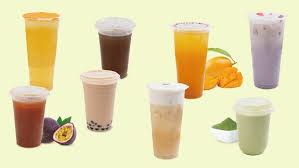
Tea is a universally consumed beverage made by infusing the leaves of an evergreen Asiatic shrub called Camellia sinensis. Different types of tea include:
i. Black Tea: Black tea is withered, fully oxidized, and dried. It commonly yields a hearty, amber-colored brew. Popular types include bold breakfast teas (e.g., English Breakfast, Irish Breakfast) and Darjeelings.
ii. Green Tea: Green tea production avoids oxidation of the tea leaves to retain their natural green color and fresh flavor. In Japan, the leaves are steamed, while other countries pan-fire or dry them through other methods. This type of tea has a more delicate flavor than black tea and often brews up pale green or golden in color.
iii. Oolong Tea: Produced mainly in China and Taiwan, oolong tea is partially oxidized. Its flavor can range from resembling fresh green tea to a more robust taste, depending on where the tea leaves are grown and how the tea is made.
iv. White Tea: Originally from China, white tea is simply withered and dried, causing very light oxidation. Its flavor is most similar to green tea but is usually creamier, softer, and sweeter.
2. Manufacturing of Tea
The processes in the manufacturing of tea depend on the type of tea. The major operations include:
i. Withering the Leaf: Upon reaching the factory, usually close to the plantation, the plucked leaves are weighed and spread out evenly and thinly on special slatted racks. At this stage, they lose 50% of their moisture by evaporation. This stage takes 24 hours, depending on the surrounding temperature and humidity in the air.
ii. Rolling the Leaves: The leaves are put through rolling machines that break up the leaf cells, releasing natural juices and bringing them into contact with air. Finer leaves are separated from larger, coarser leaves and processed separately.
iii. Fermenting the Leaves: This is not true fermentation but an oxidation stage. Tannin, the astringent substance in the tea leaf, is oxidized, leading to the development of aroma, flavor, and color. The leaves are spread out in a cool but humid room under controlled conditions on racks for approximately 3 hours, during which they turn a coppery color by absorbing oxygen.
iv. Sorting and Grading: The dried tea is sorted into different grades by passing it over a series of vibrating screens with different mesh sizes, producing evenly sized particles.
v. Packaging: After sorting and grading, tea is packed in airtight containers to avoid moisture absorption. Tea is also packaged in tea bags for easier infusion.
Coffee-Based Beverages
1. Coffee Production
Coffee is a brewed drink prepared from the roasted seeds of several species of an evergreen shrub of the genus Coffea. The two most common sources of coffee beans are Coffea arabica and Coffea canephora. Ripe coffee “berries” are picked, processed, and dried to yield the seeds inside.
The seeds are then roasted to varying degrees, ground, and brewed to create coffee. The degree of roasting imparts variable flavor to the beans. Coffee is primarily used as a stimulant due to its high caffeine content.
Fruit and Vegetable-Based Beverages
1. Fruit Juices
Fruit juice is a natural product containing few or no additives. Juices are extracted by crushing fruit berries, collecting concentrates, and mixing them with water, sometimes sweetened. The percentage of water determines their nutritive value.
Citrus products, such as orange, are familiar breakfast drinks, while pineapple, apple, lime, guava, lemon juice, raspberry, blackberry, and currants are also common. Coconut water, a highly nutritious and refreshing juice, is highly popular in modern trends.
Fruits are highly perishable, so the ability to extract juices and store them is of significant value. Some citrus fruits are highly acidic, requiring mixing with water and sugars to make them palatable.
2. Vegetable Juices
Vegetable juices, such as tomato, carrot, and cucumber juice, are popular and usually served warm or cold. Some vegetable juices are mixed with fruit juice to improve taste. Vegetable juices are rich in mineral content; for example, tomato juice is high in sodium, so they must be consumed with care.
3. Cordials and Squashes
i. Cordials: Fruit juice cordial is a sparkling, clear, sweetened fruit beverage from which all pulp and suspended materials have been completely eliminated. Cordial is prepared by mixing clarified fruit juice with sugar syrup, acid, and other ingredients.
ii. Squashes: Squash is a non-alcoholic concentrated syrup used in beverage making, usually made from fruit juice, water, and sugar or its substitute. Squashes normally contain at least 25% fruit pulp mixed with sugar syrup and preservatives such as potassium sorbate or sulfites, giving them a good shelf life due to high sugar content.
Modern squashes may include food coloring and flavoring substances to increase appeal. Some traditional squashes contain herbal extracts, such as orange and ginger. Squash is diluted to taste with water or carbonated water or used in cocktails and is commonly stored in refrigerators.
4. Nectars
Nectar is prepared from tropical fruit pulp, such as mango, litchi, guava, papaya, citrus fruits, and pineapple, by adding sugar, acid, and other ingredients. These non-carbonated soft drinks are made by mashing fruit pulp, typically containing 30% fruit pulp, and are consumed immediately after opening.
Nectar differs from fruit juice as it is not 100% fruit juice and may contain water, sweeteners, and preservatives. There are no industry standards, so fruit nectar may contain fruit juice ranging from 0–100%.
Unlike fruit juice, which is freshly squeezed from fruit pulp and treated to prevent deterioration or processed into a concentrate, nectar is a natural drink prepared by crushing fresh fruit pulp without preservatives or flavors. When two or more fruit juices are mixed, the drink is called a nectar blend.
Read Also: Poultry External Parasites and Control Measures
Milk-Based Beverages
1. Yogurt-Based Drinks
Yogurt is a fermented dairy product made from the fermentation of lactic acid by two species of lactic acid bacteria, Streptococcus thermophilus and Lactobacillus delbrueckii subsp. bulgaricus. Types of yogurts include:
i. Balkan-Style Yogurt: Also known as set-style yogurt, it has a thick texture and is made in small, individual batches after pouring the warm cultured mix into containers followed by incubation.
ii. Greek-Style Yogurt: Also known as Mediterranean-style yogurt, it is thicker and creamier, made from partially condensed milk or by straining whey from plain yogurt. Due to its thick texture, it holds up better under heat than regular yogurt. It has a high amount of saturated fat and is a rich source of vitamin A.
iii. Stirred Curd Yogurt: European-style yogurt is characterized by its creamy and smooth texture. The yogurt mixture is incubated in a large vat instead of individual cups, cooled, and stirred to obtain a creamy texture, with fruits (e.g., blueberries, strawberries, mango, peach) and flavors added. It is slightly thinner than Balkan-style and set yogurt and can be used in cold beverages and desserts.
iv. French-Style Yogurt: Known as custard-style yogurt, it is made by direct culturing in the pot according to a French culture and process, characterized by a pudding-like texture. Sometimes, fruit pieces are stirred into the mixture, providing flavor. It is a good source of vitamin A, iron, and protein.
v. Probiotic Yogurt: Some yogurts contain live and active cultures, while others include cultures with health benefits beyond nutrition. Probiotics are live bacteria with known health benefits, often added by manufacturers as digestive aids or immune supporters.
vi. Drinkable Yogurt: Drinkable yogurts offer the benefits of yogurt without the need for a spoon, ideal for people on the go or those who dislike the texture of firmer yogurts. They are made by adding water and additional flavors to traditional yogurt, containing the same nutrients but potentially higher in sugar and calories.
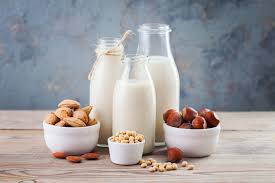
vii. Non-Dairy Yogurt: A substitute for those with milk allergies, gastrointestinal issues from dairy, or dietary restrictions due to religious or personal beliefs. Yogurts made from soy milk are commonly available.
2. Other Fermented Milk Products
i. Kefir: A non-yogurt, fermented milk product containing live cultures, produced by adding “kefir grains,” which contain yeast and acid-forming bacteria, to milk, resulting in a slightly carbonated, fermented milk drink. Its nutritional benefits are similar to yogurt, with potential improvements in gastrointestinal and immune function.
ii. Buttermilk: Refers to a range of fermented milk drinks common in warm climates. Its tartness is due to lactic acid produced by lactic acid bacteria during the fermentation of lactose, which lowers the pH of the milk, causing casein, the primary milk protein, to precipitate and curdle. Buttermilk, rich in calcium, is easy to digest, has astringency, and tastes sour.
Non-alcoholic beverages, including cocoa, tea, coffee, fruit and vegetable juices, cordials, squashes, nectars, and milk-based drinks like yogurt and kefir, play a significant role in providing nutrition, refreshment, and energy.
The manufacturing processes for these beverages, such as fermentation, roasting, grinding, and culturing, are tailored to enhance their flavor, texture, and shelf life while preserving their nutritional value.
These beverages, derived from agricultural products, demonstrate the importance of processing techniques in delivering diverse, palatable, and health-benefiting drinks to consumers.
Do you have any questions, suggestions, or contributions? If so, please feel free to use the comment box below to share your thoughts. We also encourage you to kindly share this information with others who might benefit from it. Since we can’t reach everyone at once, we truly appreciate your help in spreading the word. Thank you so much for your support and for sharing!