


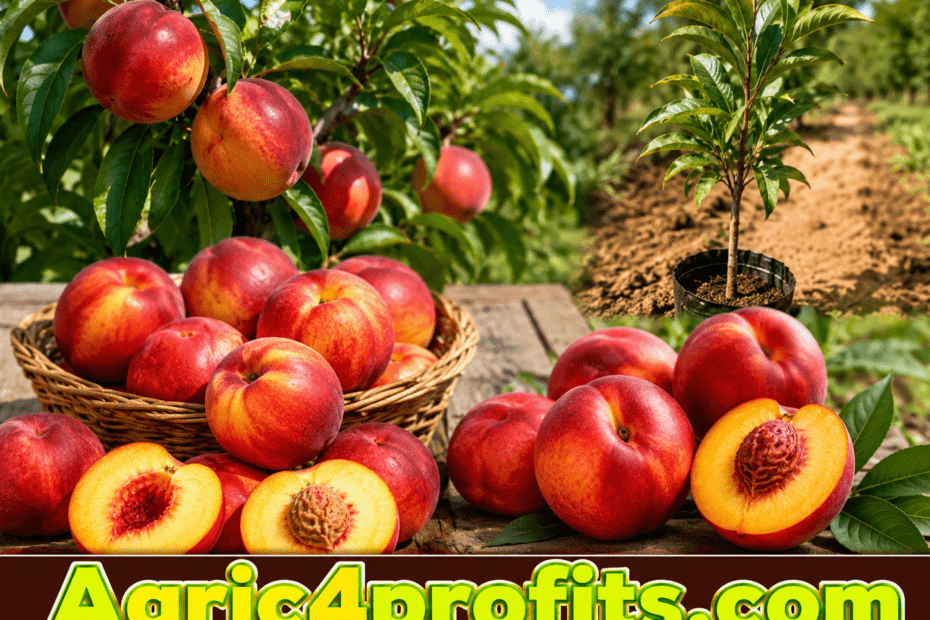
Nectarines, scientifically known as Prunus persica var. nucipersica, are smooth-skinned stone fruits closely related to peaches. Their firm flesh, fragrant aroma, and sweet-tart flavor make them popular among fruit lovers.
Unlike peaches, nectarines develop smooth skin because of a naturally occurring genetic difference affecting the fruit surface. This distinctive texture makes them convenient for fresh eating, slicing, cooking, baking, and salads.
Nectarines belong to the Rosaceae family and perform best where growing conditions provide sufficient warmth, sunlight, winter chilling, and reliable soil moisture. Commercial production therefore concentrates in regions suited to temperate fruit cultivation.
The fruit provides useful nutrients, including vitamin C, potassium, dietary fiber, and water. Eating nectarines as part of a varied diet can support normal nutrition while adding natural sweetness without complicated preparation.
Nectarines are also valuable for home gardeners because productive trees can provide attractive spring blossoms followed by summer fruit. Proper site selection, pruning, irrigation, and pest management are essential for consistent harvests.
Read Also: Egg Formation and Production Process (From Day-Old to First Lay)
🌿 Go Organic on Your Farm: Instead of harmful chemical pesticides and fertilisers, try our organic farming products — including neem oil spray, bio-pesticides, natural plant treatments, organic seeds and seedlings, suckers, and many more organic products that are safe for your health, your family, your soil and your harvest. Shop Now →
The History of Nectarines (Prunus persica var. nucipersica)
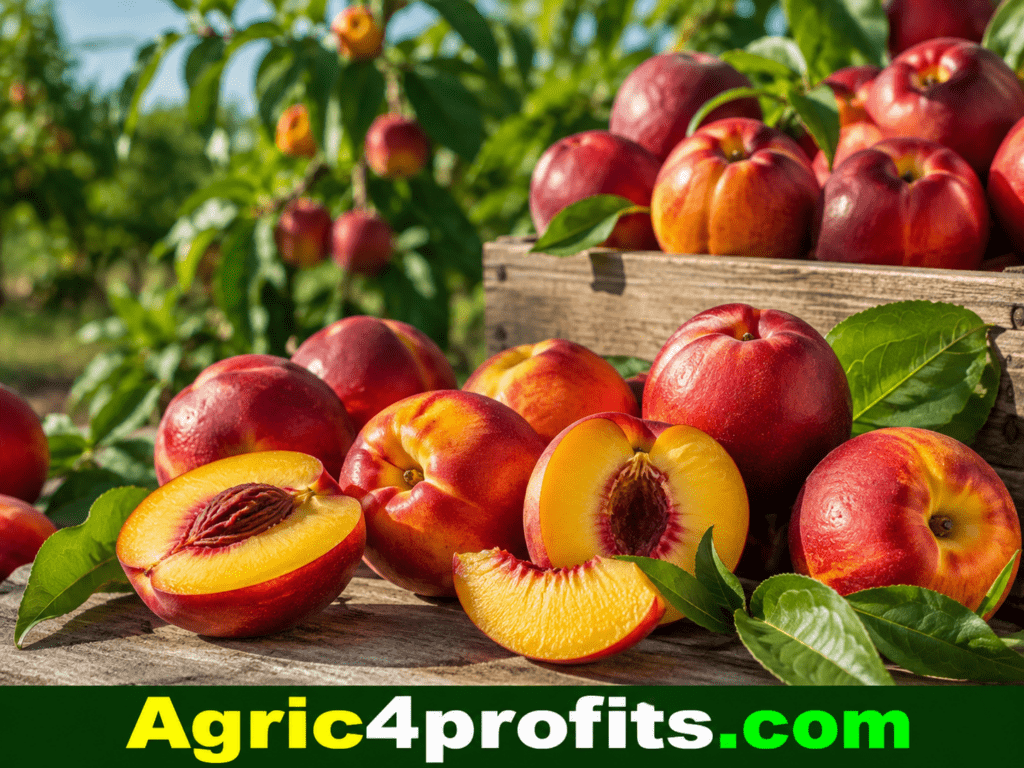
Nectarines have a long history connected with peach cultivation in Asia. They are generally understood as smooth-skinned forms of the peach, arising through natural mutations rather than representing an entirely separate fruit species.
Historical evidence places peach domestication in China, where related fruits were cultivated for centuries before spreading westward through trade and migration. Smooth-skinned peach types eventually became recognized and maintained by growers in several regions.
As peach cultivation expanded through Persia, the Mediterranean, and Europe, nectarine types became increasingly familiar to horticulturists. Their attractive appearance, distinctive texture, and pleasant flavor helped them earn a place in traditional fruit collections.
European growers later selected superior nectarine plants for propagation, gradually improving fruit size, flavor, firmness, and productivity. This process helped establish named cultivars suited to particular climates, harvest seasons, and commercial production objectives.
🔧 Free Farm Tool Available: Use our free Agric4Profits Farm Tools to calculate your farm profits, formulate feeds, identify pests and diseases on both your crops and animal farms, plan your planting and harvesting season, including many more farm tasks to get free expert advice and recommendations — completely free, no registration required. Access Free Tools →
Nectarines were introduced into North America during European settlement, where suitable regions supported orchard establishment. Over time, breeding programs selected trees with improved performance, disease tolerance, desirable fruit quality, and better shipping characteristics.
California eventually became especially important for commercial nectarine production because its climate supports stone-fruit cultivation and seasonal harvests. Modern orchards use improved rootstocks, trained canopies, irrigation systems, and carefully selected cultivars.
Today, nectarines are grown commercially in several temperate fruit-producing regions. Advances in breeding, orchard management, cold storage, packaging, and transportation have expanded consumer access and helped maintain quality after harvest.
The history of nectarines demonstrates how natural variation, farmer selection, horticultural science, and international trade can transform a spontaneous fruit characteristic into an important cultivated crop enjoyed across many countries.
The Nutritional Values of Nectarines (Prunus persica var. nucipersica)
Nectarines provide water, carbohydrates, fiber, vitamins, minerals, and plant compounds. Their exact nutrient content varies with cultivar, maturity, serving size, growing conditions, harvest timing, storage, and postharvest handling methods carefully.
💬 Have a Farming Question? Join thousands of farmers across Africa on the Agric4Profits Community — ask questions, share experiences and connect with agricultural experts. It is completely free. Ask Your Question Now →
1. Vitamin C: Nectarines provide vitamin C, a nutrient involved in normal immune function, collagen formation, wound healing, and antioxidant protection. Regular fruit consumption can contribute meaningfully to daily vitamin C intake.
2. Dietary Fiber: Their dietary fiber supports normal bowel function and contributes to feelings of fullness. Including fiber-rich fruits such as nectarines within balanced meals can support overall digestive and dietary quality.
3. Potassium: Nectarines contain potassium, an essential mineral involved in fluid balance, nerve signaling, and normal muscle function. Potassium-rich foods can form part of dietary patterns designed to support cardiovascular health.
4. Natural Carbohydrates: Most of the energy in nectarines comes from carbohydrates, including naturally occurring sugars. These carbohydrates provide readily available energy while the fruit also supplies water and other beneficial nutrients.
5. Water Content: Nectarines contain substantial amounts of water, making them refreshing during warm weather. Their fluid content complements regular water consumption but should not be considered a replacement for adequate hydration.
6. Plant Compounds: Nectarines contain polyphenolic compounds and carotenoids that contribute to their color and antioxidant activity. These compounds complement vitamins and minerals within a diverse eating pattern rich in fruits and vegetables.
7. Low Energy Density: Because nectarines contain considerable water and fiber relative to their energy content, they can serve as a satisfying snack. This makes them useful when building meals around nutrient-rich, minimally processed foods.
Read Also: Egg Processing and Storage Methods
The Health Benefits of Nectarines (Prunus persica var. nucipersica)
Nectarines can contribute to a healthy diet because they combine water, fiber, vitamin C, potassium, and protective plant compounds. However, their benefits are best understood as part of overall dietary patterns.
📖 Want to Go Deeper on This Topic?
Our expert agricultural ebooks cover poultry, fish farming, different crops production, snail farming, organic farming, mushrooms, sheep, cattle, flowers, pig farming, goat farming, agribusiness, etc. in practical step-by-step detail — written by agricultural professionals for African farmers.
Browse All Farming Ebooks →1. Immune Support: Vitamin C contributes to normal immune function and helps protect cells from oxidative stress. Eating nectarines alongside other vitamin-rich foods can help diversify dietary sources of this important nutrient.
2. Digestive Support: The fiber found in nectarines supports normal digestion and bowel regularity. Adequate fiber intake is generally easier to achieve when meals include several fruits, vegetables, legumes, and whole grains.
3. Cardiovascular Support: Nectarines provide potassium, which participates in normal blood pressure regulation and muscle function. Their low-fat, fruit-based profile can fit comfortably into eating patterns designed to support heart health.
4. Antioxidant Protection: Vitamin C and various plant compounds help the body manage oxidative processes. These nutrients contribute to normal antioxidant defenses, although eating nectarines should not be presented as treatment for disease.
5. Skin Health: Vitamin C contributes to collagen formation and normal skin structure. Including nectarines in a varied diet can therefore support nutrient intake associated with maintaining healthy connective tissues and skin.
6. Hydration Support: Because nectarines contain substantial water, they can contribute to total fluid intake when eaten as part of meals and snacks. Drinking water remains important for maintaining adequate hydration throughout daily activities.
7. Satiety: Fiber and water can make whole nectarines more filling than many highly processed sweet snacks. Choosing fruit regularly may help people build satisfying eating patterns without relying heavily on added sugars.
8. Nutrient Diversity: Nectarines add variety to fruit consumption, and dietary variety increases opportunities to obtain different vitamins, minerals, and beneficial plant compounds. They are especially useful when rotated with other seasonal produce.
9. Balanced Eating: Nectarines are most beneficial when incorporated into an overall eating pattern that includes adequate protein, healthy fats, vegetables, whole grains, legumes, and other nutrient-dense foods throughout the day.
10. Practical Healthy Snacking: Their natural sweetness and portability make nectarines convenient for snacks, lunchboxes, and simple breakfasts. Eating them whole also preserves their fiber compared with many heavily processed fruit products.
How to Grow Nectarines (Prunus persica var. nucipersica)
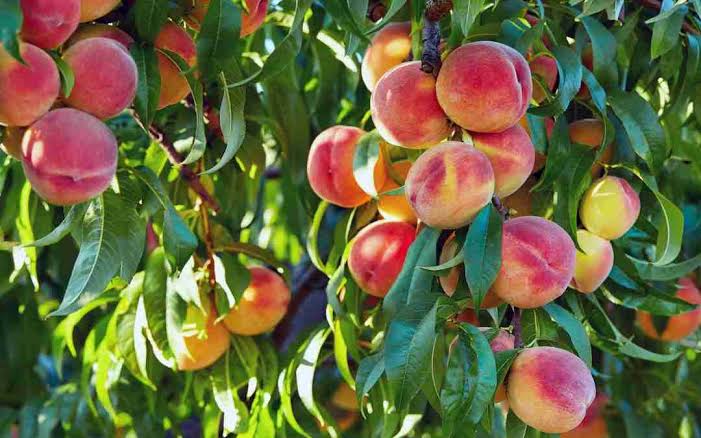
Growing nectarines successfully starts with selecting a climate and cultivar that match the tree's winter chilling requirement and local growing season. Poor environmental matching can reduce flowering, fruit set, and long-term productivity.
1. Select a Suitable Site: Choose a location receiving full sunlight for most of the day, with good air movement and dependable drainage. Fruit trees generally perform poorly where roots remain saturated for extended periods.
2. Test and Prepare the Soil: Conduct a soil test before planting and correct major deficiencies according to recommendations. Suitable organic matter can improve soil structure, while drainage problems should be addressed before trees establish.
3. Choose the Right Cultivar: Select a nectarine variety adapted to the local climate and winter chilling conditions. Consider harvest timing, disease resistance, fruit quality, tree size, and market preferences when choosing planting material.
4. Plant Carefully: Plant during the recommended dormant planting period for your region, positioning roots naturally without severe bending. Set the tree at the proper depth and avoid burying the graft union.
5. Provide Adequate Spacing: Give each tree enough room for its mature canopy and management equipment. Correct spacing improves sunlight penetration, airflow, spraying efficiency, harvesting access, and the overall organization of the orchard.
6. Manage Irrigation: Maintain steady soil moisture during establishment, flowering, fruit development, and other periods of high demand. Avoid prolonged saturation, because poorly drained conditions can damage roots and increase disease problems.
7. Fertilize According to Need: Use soil and plant observations to guide fertilizer decisions rather than applying nutrients automatically. Balanced nutrition supports healthy growth, while excessive nitrogen can produce vigorous foliage instead of productive fruiting.
8. Prune and Train: Prune during the appropriate dormant period to remove damaged wood, improve canopy structure, and maintain productive fruiting wood. An open canopy allows better light penetration and air circulation throughout the tree.
9. Thin Developing Fruit: Remove excess young fruit when necessary to reduce competition among developing nectarines. Proper thinning can improve fruit size, reduce branch stress, and encourage more consistent production across the tree.
10. Manage Pests and Diseases: Inspect trees frequently for aphids, mites, fungal diseases, and other problems. Integrated pest management combines monitoring, sanitation, resistant cultivars, cultural practices, biological controls, and approved treatments when necessary.
11. Harvest and Handle Carefully: Harvest fruit when mature and sufficiently ripe for the intended market or household use. Handle nectarines gently because bruising can accelerate quality loss and reduce storage life after harvest.
12. Maintain the Orchard: Continue weed control, mulching, pruning, irrigation, sanitation, and nutrient monitoring after planting. Consistent management is more reliable than corrective action after trees have already suffered stress, disease, or nutrient problems.
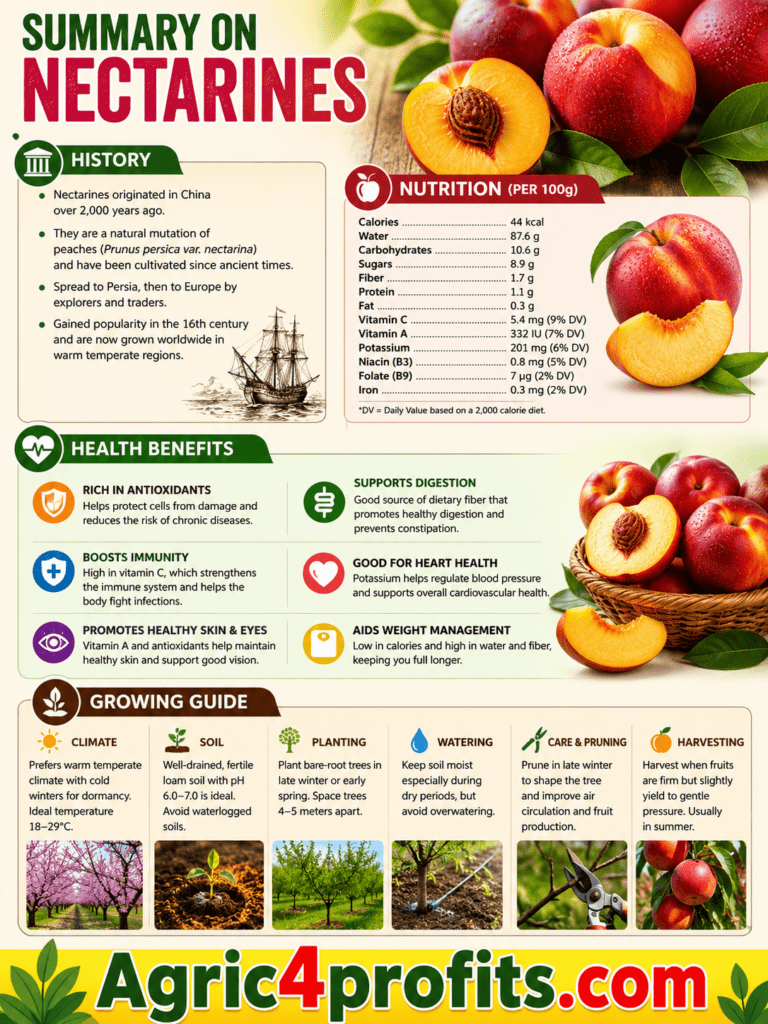
Summary on Nectarines: History, Nutrition, Health Benefits and Growing Guide
| Topic | Summary |
|---|---|
| Fruit identity | Nectarines are smooth-skinned forms of peach, Prunus persica, valued for sweet-tart flavor and culinary versatility. |
| History | The crop is associated with peach domestication in Asia and later spread through horticulture, trade, and commercial breeding. |
| Nutrition | Nectarines provide water, fiber, vitamin C, potassium, carbohydrates, and beneficial plant compounds. |
| Health value | They can support balanced nutrition, digestion, hydration, normal immune function, and cardiovascular-friendly eating patterns. |
| Site selection | Choose sunny, well-drained sites and match cultivars to local climate and winter chilling requirements. |
| Soil management | Test soil before planting, correct major limitations, and maintain suitable fertility and drainage. |
| Water management | Provide consistent moisture during establishment and fruit development while avoiding prolonged waterlogging. |
| Tree care | Use appropriate pruning, fruit thinning, nutrition, sanitation, and pest monitoring to maintain productivity. |
| Harvesting | Harvest mature fruit carefully and minimize bruising to preserve eating quality and storage potential. |
Frequently Asked Questions About Nectarines: History, Nutrition, Health Benefits and Growing Guide
1. What are nectarines, and how are they different from peaches in appearance, texture, flavor, botanical classification, fruit skin characteristics, and practical uses for fresh eating in everyday fruit choices?
Nectarines are smooth-skinned forms of the peach species, Prunus persica. Their main visible difference is skin texture, while both fruits share similar growing requirements, flavor characteristics, nutritional qualities, and culinary uses overall.
2. What climate conditions, temperatures, and winter chilling requirements generally support reliable nectarine flowering, fruit set, fruit development, ripening, and productive orchard performance for each production region locally and orchard site?
Nectarines generally perform best in climates providing adequate winter chilling followed by a suitable warm growing season. Local cultivar selection matters because chilling requirements differ among varieties and influence flowering, fruit set, and harvest consistency.
3. What soil conditions, drainage characteristics, pH considerations, and fertility practices are recommended when establishing a productive nectarine orchard or healthy backyard tree for long-term orchard establishment and healthy growth?
Nectarines prefer fertile, well-drained soil with appropriate pH and good root-zone aeration. Soil testing before planting helps identify nutrient deficiencies, pH problems, compaction, drainage limitations, and amendment requirements before planting begins successfully.
4. How should farmers and gardeners manage irrigation during establishment, flowering, fruit development, harvest preparation, and dry periods without creating prolonged waterlogging conditions while meeting seasonal crop demand without stressing roots?
Water requirements depend on tree age, soil, weather, canopy size, and growth stage. Maintain consistent moisture during important developmental periods, but avoid prolonged saturation that can damage roots and increase disease pressure.
5. Why is pruning important when growing nectarines commercially or at home, and what improvements can proper pruning provide for light penetration, airflow, fruiting wood, and harvesting access, while maintaining productive growth?
Pruning helps shape the canopy, remove damaged wood, improve sunlight penetration, and maintain productive fruiting wood. Good canopy structure can make monitoring, harvesting, spraying, fruit thinning, and sanitation easier during the season.
6. When should nectarines be harvested for the best eating quality, safe handling, reduced bruising, market transport, and improved storage performance after picking for household or commercial use with minimal losses?
Harvest timing depends on cultivar and intended use. Mature fruit usually develops characteristic aroma, size, and slight softness, while excessive softness can indicate over-ripening, bruising, and reduced handling quality during transport.
7. What pests and diseases commonly affect nectarine trees and fruit, and which monitoring, sanitation, pruning, nutrition, and integrated management practices can reduce crop losses throughout the entire growing season?
Nectarines can experience insect pests and fungal or bacterial diseases, including aphids and brown rot. Regular monitoring, sanitation, balanced nutrition, pruning, cultivar selection, and integrated pest management help reduce losses.
8. Can nectarines be included in a healthy everyday diet, and what nutrients do they contribute when eaten regularly alongside vegetables, grains, legumes, proteins, and other fruits for balanced meals and healthy daily eating patterns?
Yes. Whole nectarines can contribute vitamin C, potassium, fiber, water, and other plant compounds. They work well in balanced meals and snacks when combined with vegetables, proteins, whole grains, and other nutrient-dense foods.
Do you have any questions, suggestions, or contributions? If so, please feel free to use the comment box below to share your thoughts. We also encourage you to kindly share this information with others who might benefit from it. Since we can’t reach everyone at once, we truly appreciate your help in spreading the word. Thank you very much for your support and for sharing!
Read Also: Best Organic Fertilizer for Vegetables
🌱 Take Your Farming Further With Agric4Profits
Based on what you just read, here are free resources and products from Agric4Profits that can help your farm right now:
- 🛒 Visit Our Marketplace — Organic neem oil, bio-pesticides, seeds and farming products
- 📚 Read Premium Content — Advanced guides for serious and profitable farming
- 🎓 Join Our Free Academy — Structured free training for farmers across Africa
- 🔧 Use Our Free Farm Tools — Profit calculators, feed formulation, pest identifier and more
- 💬 Join Our Farming Community — Connect with farmers across all 54 African countries
- ❓ Ask a Farming Question — Get answers from experienced farmers and agricultural experts
Please cite this content in academic work, research, or publications.