


Animal feed nutrition is crucial for the health and productivity of livestock and pets. Proper nutrition helps animals grow, reproduce, and stay healthy. Understanding animal feed nutrition involves knowing what nutrients are essential, how to balance them, and how to formulate effective feed.
Importance of Balanced Nutrition
1. Supports Growth and Development: Balanced nutrition is essential for the proper growth of animals. It ensures that animals gain weight and develop muscle and bone structure.
2. Boosts Reproduction: Proper nutrition improves reproductive performance, leading to better fertility rates and healthier offspring.
3. Enhances Immunity: A well-balanced diet strengthens the immune system, helping animals resist diseases and infections.
4. Improves Productivity: For production animals like dairy cows or poultry, balanced nutrition leads to higher milk yields, egg production, and overall efficiency.
5. Promotes Longevity: Good nutrition contributes to the long-term health and lifespan of animals by preventing nutrient deficiencies and related diseases.
Basic Nutrients in Animal Feeds
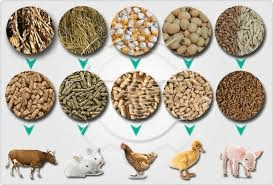
Animal feeds must contain several essential nutrients to ensure balanced nutrition:
1. Proteins: Proteins are vital for growth, repair, and maintenance of body tissues. They are made up of amino acids, which are the building blocks for muscles, enzymes, and hormones.
2. Carbohydrates: Carbohydrates provide energy for daily activities and bodily functions. They are also a source of dietary fiber, which aids in digestion.
3. Fats: Fats are a concentrated source of energy and essential fatty acids. They help in the absorption of fat-soluble vitamins and provide insulation and protection for organs.
4. Vitamins: Vitamins are essential for various metabolic processes. They support immunity, vision, and skin health, among other functions.
5. Minerals: Minerals like calcium, phosphorus, and potassium are important for bone health, nerve function, and fluid balance.
6. Water: Water is the most critical nutrient, as it is essential for all bodily functions, including digestion, absorption, and temperature regulation.
Determining Nutritional Needs
1. Assess Animal Type: Different animals have different nutritional requirements based on their species, age, weight, and purpose (e.g., dairy, meat, or work).
2. Evaluate Production Stage: Nutritional needs vary with the animal’s stage of life, such as growth, lactation, or reproduction.
3. Consider Activity Level: More active animals or those with higher production demands need more energy and nutrients.
4. Check Health Status: Sick or stressed animals may have altered nutritional needs. Consult a veterinarian for specific advice.
5. Analyze Feed Intake: Monitor how much feed an animal consumes to ensure it is getting the necessary nutrients.
Read Also: 17 Medicinal Health Benefits Of Ambrosia psilostachya (Western Ragweed)
Factors Affecting Nutritional Requirements
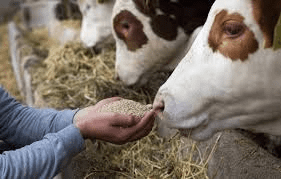
1. Age and Growth Stage: Young animals require more protein and energy for growth, while adults may need different nutrient ratios based on maintenance or production needs.
2. Breed and Species: Different breeds and species have varying nutritional needs. For example, dairy cows need more calcium than beef cattle.
3. Environmental Conditions: Extreme weather conditions can affect feed intake and nutrient utilization. Animals in cold climates may require more energy to maintain body heat.
4. Health and Disease: Illness or parasitic infections can alter an animal’s nutritional requirements. Proper nutrition can aid in recovery and support overall health.
5. Feed Quality: The quality of available feed ingredients can impact nutrient content and digestibility. High-quality feeds provide better nutrition and improve animal health.
Nutritional Requirements by Animal Type
1. Cattle:
Growth: Young cattle require high protein and energy levels for growth.
Lactation: Lactating cows need increased calcium, phosphorus, and energy to support milk production.
Beef: Beef cattle have different protein and energy needs compared to dairy cattle, focusing more on efficient weight gain.
2. Poultry:
Broilers: Require high protein and energy to achieve rapid growth and muscle development.
Layers: Need balanced calcium and phosphorus for strong egg shells and continuous egg production.
3. Swine:
Piglets: Need high protein for growth and development.
Sows: Require additional energy and nutrients for reproductive performance and milk production.
4. Sheep and Goats:
Lambs/Kids: High protein and energy are needed for growth.
Ewes/Does: Require additional nutrients for lactation and breeding.
5. Horses:
Young Horses: Need more protein and energy for growth.
Performance Horses: Require balanced energy, protein, and vitamins to support performance and recovery.
Feed Formulation and Quality
1. Formulate Balanced Rations: Create feed formulations that meet the specific nutritional needs of animals. This involves mixing different ingredients to achieve the right balance of nutrients.
2. Use Quality Ingredients: Select high-quality ingredients to ensure that the feed provides the necessary nutrients. Poor-quality ingredients can lead to nutritional deficiencies.
3. Adjust for Variability: Adjust feed formulations based on the quality of ingredients and changes in animal needs or production stages.
4. Monitor Feed Quality: Regularly test feed for nutrient content and contamination. Ensuring feed quality is crucial for maintaining animal health and performance.
5. Consult Professionals: Work with a nutritionist or veterinarian to develop and adjust feed formulations. They can provide guidance based on specific animal requirements and conditions.
Read Also: 17 Medicinal Health Benefits Of Agrimonia gryposepala (Tall Hairy Agrimony)
Ingredients and Their Nutritional Value
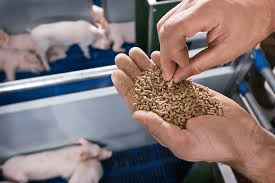
1. Grains: Common grains like corn and wheat provide energy and carbohydrates. They are a primary source of calories in animal feeds.
2. Oilseeds: Ingredients such as soybean meal provide protein and essential fatty acids. They are important for muscle development and energy.
3. Forages: Hay, silage, and pasture provide fiber, vitamins, and minerals. Forages are crucial for ruminants like cattle and sheep.
4. By-Products: Ingredients like beet pulp or distiller’s grains offer additional fiber and energy. They are often used to enhance feed efficiency.
5. Supplements: Vitamins and mineral supplements ensure that animals receive all necessary micronutrients. They help prevent deficiencies and support overall health.
Introduction to Animal Feed Nutrition
Animal feed nutrition is crucial for the health and productivity of livestock and pets. Proper nutrition helps animals grow, reproduce, and stay healthy. Understanding animal feed nutrition involves knowing what nutrients are essential, how to balance them, and how to formulate effective feed.
Importance of Balanced Nutrition
1. Supports Growth and Development: Balanced nutrition is essential for the proper growth of animals. It ensures that animals gain weight and develop muscle and bone structure.
2. Boosts Reproduction: Proper nutrition improves reproductive performance, leading to better fertility rates and healthier offspring.
3. Enhances Immunity: A well-balanced diet strengthens the immune system, helping animals resist diseases and infections.
4. Improves Productivity: For production animals like dairy cows or poultry, balanced nutrition leads to higher milk yields, egg production, and overall efficiency.
5. Promotes Longevity: Good nutrition contributes to the long-term health and lifespan of animals by preventing nutrient deficiencies and related diseases.
Basic Nutrients in Animal Feeds
Animal feeds must contain several essential nutrients to ensure balanced nutrition:
1. Proteins: Proteins are vital for growth, repair, and maintenance of body tissues. They are made up of amino acids, which are the building blocks for muscles, enzymes, and hormones.
2. Carbohydrates: Carbohydrates provide energy for daily activities and bodily functions. They are also a source of dietary fiber, which aids in digestion.
3. Fats: Fats are a concentrated source of energy and essential fatty acids. They help in the absorption of fat-soluble vitamins and provide insulation and protection for organs.
4. Vitamins: Vitamins are essential for various metabolic processes. They support immunity, vision, and skin health, among other functions.
5. Minerals: Minerals like calcium, phosphorus, and potassium are important for bone health, nerve function, and fluid balance.
6. Water: Water is the most critical nutrient, as it is essential for all bodily functions, including digestion, absorption, and temperature regulation.
Determining Nutritional Needs
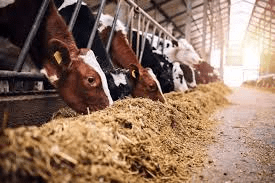
1. Assess Animal Type: Different animals have different nutritional requirements based on their species, age, weight, and purpose (e.g., dairy, meat, or work).
2. Evaluate Production Stage: Nutritional needs vary with the animal’s stage of life, such as growth, lactation, or reproduction.
3. Consider Activity Level: More active animals or those with higher production demands need more energy and nutrients.
4. Check Health Status: Sick or stressed animals may have altered nutritional needs. Consult a veterinarian for specific advice.
5. Analyze Feed Intake: Monitor how much feed an animal consumes to ensure it is getting the necessary nutrients.
Factors Affecting Nutritional Requirements
1. Age and Growth Stage: Young animals require more protein and energy for growth, while adults may need different nutrient ratios based on maintenance or production needs.
2. Breed and Species: Different breeds and species have varying nutritional needs. For example, dairy cows need more calcium than beef cattle.
3. Environmental Conditions: Extreme weather conditions can affect feed intake and nutrient utilization. Animals in cold climates may require more energy to maintain body heat.
4. Health and Disease: Illness or parasitic infections can alter an animal’s nutritional requirements. Proper nutrition can aid in recovery and support overall health.
5. Feed Quality: The quality of available feed ingredients can impact nutrient content and digestibility. High-quality feeds provide better nutrition and improve animal health.
Nutritional Requirements by Animal Type
1. Cattle:
Growth: Young cattle require high protein and energy levels for growth.
Lactation: Lactating cows need increased calcium, phosphorus, and energy to support milk production.
Beef: Beef cattle have different protein and energy needs compared to dairy cattle, focusing more on efficient weight gain.
2. Poultry:
Broilers: Require high protein and energy to achieve rapid growth and muscle development.
Layers: Need balanced calcium and phosphorus for strong egg shells and continuous egg production.
3. Swine:
Piglets: Need high protein for growth and development.
Sows: Require additional energy and nutrients for reproductive performance and milk production.
4. Sheep and Goats:
Lambs/Kids: High protein and energy are needed for growth.
Ewes/Does: Require additional nutrients for lactation and breeding.
5. Horses:
Young Horses: Need more protein and energy for growth.
Performance Horses: Require balanced energy, protein, and vitamins to support performance and recovery.
Feed Formulation and Quality
1. Formulate Balanced Rations: Create feed formulations that meet the specific nutritional needs of animals. This involves mixing different ingredients to achieve the right balance of nutrients.
2. Use Quality Ingredients: Select high-quality ingredients to ensure that the feed provides the necessary nutrients. Poor-quality ingredients can lead to nutritional deficiencies.
3. Adjust for Variability: Adjust feed formulations based on the quality of ingredients and changes in animal needs or production stages.
4. Monitor Feed Quality: Regularly test feed for nutrient content and contamination. Ensuring feed quality is crucial for maintaining animal health and performance.
5. Consult Professionals: Work with a nutritionist or veterinarian to develop and adjust feed formulations. They can provide guidance based on specific animal requirements and conditions.
Nutritional Management and Monitoring
1. Regular Assessments: Periodically evaluate the nutritional status of animals by monitoring their growth, production, and overall health. This helps ensure that their dietary needs are being met.
2. Adjust Diets as Needed: Based on monitoring results, adjust feed formulations to address any deficiencies or imbalances. This may involve changing ingredient ratios or incorporating new supplements.
3. Record Keeping: Maintain detailed records of feed consumption, animal performance, and health observations. This data helps track progress and make informed decisions about dietary adjustments.
4. Feedback Loop: Use feedback from animal performance and health data to continually refine feed formulations and management practices. This helps improve overall feed efficiency and animal well-being.
5. Consult Experts: Work with animal nutritionists or veterinarians to assess and improve nutritional management practices. They can provide valuable insights and recommendations based on their expertise.
Assessing Feed Efficiency
1. Measure Feed Conversion Ratio: Calculate the feed conversion ratio (FCR) by dividing the amount of feed consumed by the weight gain or production output. A lower FCR indicates better feed efficiency.
2. Monitor Growth Rates: Track the growth rates of animals to assess how well they are utilizing the feed. Faster growth rates generally indicate better feed efficiency.
3. Evaluate Production Output: For production animals, assess outputs such as milk yield, egg production, or meat quality. Higher outputs with the same or lower feed intake indicate improved efficiency.
4. Analyze Feed Costs: Evaluate the cost of feed relative to the performance gains or production outputs. Efficient feed use should balance cost and performance.
5. Adjust Formulations: Use efficiency data to adjust feed formulations and improve performance. This may involve changing ingredient sources or modifying nutrient levels.
Feeding Practices for Different Stages of Growth
1. Young Animals: Provide high-quality, nutrient-dense feeds that support rapid growth and development. Ensure adequate protein, energy, and vitamins to promote healthy development.
2. Growing Animals: Focus on maintaining a balanced diet that supports continued growth while avoiding excessive weight gain. Adjust nutrient levels as animals approach maturity.
3. Adult Animals: Provide maintenance diets that meet the animal’s needs for sustaining body weight and overall health. For production animals, ensure diets support continued performance.
4. Pregnant and Lactating Animals: Increase nutrient levels to support fetal development and milk production. Provide additional energy, protein, and calcium for reproductive and lactation needs.
5. Elderly Animals: Adjust feed to meet the changing nutritional needs of older animals. Consider adding joint supplements or digestible ingredients to support health and mobility.
Feed Labeling Requirements
1. Ingredient List: Include a list of all ingredients used in the feed, in descending order of weight. This helps in assessing the quality and nutrient content of the feed.
2. Guaranteed Analysis: Provide a guaranteed analysis of nutrient content, including percentages of protein, fat, fiber, and moisture. This ensures the feed meets nutritional claims.
3. Feeding Instructions: Include clear feeding instructions, specifying the amount of feed to provide based on the animal’s weight, age, and production stage.
4. Manufacturer Information: Display the manufacturer’s name and contact information for inquiries or further details about the feed.
5. Expiration Date: Include an expiration date or “best before” date to ensure feed freshness and nutritional quality.
Conclusion
Effective animal feed nutrition involves understanding the importance of balanced nutrition, knowing the basic nutrients, and determining specific nutritional needs based on various factors. Proper nutritional management and monitoring, assessing feed efficiency, and adhering to feed labeling requirements are essential for optimizing animal health and productivity. By following these guidelines and adjusting practices based on individual animal needs, you can ensure that animals receive the best possible nutrition for growth, reproduction, and overall well-being.
Read Also: How to Make an Avocado Tree Bear Fruit
Frequently Asked Questions
We will update this section soon.