


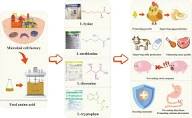
Amino acids are products of the hydrolysis and digestion of proteins. Amino acids are used mainly by the body for growth and development through the formation of body cells, tissues, and organs.
There are both essential and non-essential amino acids as well as fatty acids. The non-essential amino acids are those produced by the body, while the essential ones cannot be synthesized by the body and must be supplied regularly through the diet.
Minerals and trace minerals are inorganic substances needed in diets for maintaining good health. Dietary supplementation is a procedure for providing essential and necessary nutrients that the body requires but cannot produce itself.
Read Also: All You Need To Know About Animal Shelters
Role of Amino Acids in Nutrition
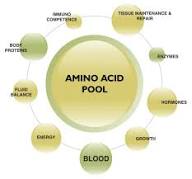
Amino acids are the structural components of proteins. Each amino acid contains a base NH2 group and an acid or carboxylic group COOH. Because they contain both a base and an acid, they are capable of both acid and base reactions in the body. There are 22 amino acids divided into two categories: essential and non-essential.
Essential amino acids cannot be adequately synthesized in the body from other amino acids or protein sources and must be provided in the diet. The body can synthesize non-essential amino acids. Under certain disease conditions or special states of need, some amino acids become conditionally essential, particularly during early development.
| Non-essential | Essential | Conditionally Essential |
|---|---|---|
| Alanine | Histidine | Arginine |
| Arginine | Isoleucine | Cysteine |
| Asparagine | Leucine | Glutamine |
| Aspartate | Lysine | Isoleucine |
| Cysteine | Methionine | Leucine |
| Glutamate | Phenylalanine | Taurine |
| Glutamine | Threonine | Tyrosine |
| Glycine | Tryptophan | Valine |
| Proline | Valine | |
| Serine | ||
| Tyrosine |
1. Amino Acid Deficiency and Health Impacts
Deficiencies of both essential and non-essential amino acids can occur in elderly individuals with protein-energy malnutrition. Dietary protein may be decreased, and there may be an increase in catabolic reactions. Low levels of amino acids may reflect a severe metabolic disturbance.
2. Commercial Forms of Amino Acids
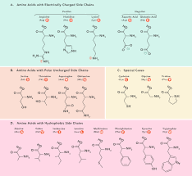
Amino acids are non-volatile, crystalline white solids in their pure form. They can decompose at temperatures ranging from 185°C to 342°C and are soluble in water to varying extents.
Almost all amino acids are optically active, with corresponding stereoisomers of Dextro (D) configuration, which rotates plane-polarized light to the right or clockwise, and Laevo (L) configuration, which rotates it to the left or counterclockwise.
Glycine is the only amino acid that is not optically active. All are capable of forming salts and are relatively inexpensive and stable. The following are FDA-approved amino acids for functional use in foods as nutrients:
| Amino Acid | CAS Number |
|---|---|
| DL-Alanine | 302-72-7 |
| L-Alanine | 56-41-7 |
| L-Arginine | 74-79-3 |
| L-Arginine monohydrochloride | 1119-34-2 |
| L-Asparagine anhydrous | 70-47-3 |
| L-Asparagine monohydrate | 5794-13-8 |
| DL-Aspartic acid | 617-45-8 |
| L-Aspartic acid | 56-84-8 |
| L-Cysteine monohydrochloride monohydrate | 7048-04-6 |
| Anhydrous L-Cystine | 52-89-1 |
| L-Glutamic acid | 56-86-0 |
| L-Glutamic acid hydrochloride | 138-15-8 |
| L-Glutamine | 56-85-9 |
| Glycine | 56-40-6 |
| L-Histidine | 71-00-1 |
| L-Histidine monohydrochloride monohydrate | 5934-29-2 |
| DL-Isoleucine | 443-79-8 |
| L-Isoleucine | 73-32-5 |
| DL-Leucine | 328-39-2 |
| L-Leucine | 61-90-5 |
| L-Lysine monohydrochloride | 657-27-2 |
| DL-Methionine | 59-51-8 |
| L-Methionine | 63-68-3 |
| DL-Phenylalanine | 150-30-1 |
| L-Phenylalanine | 63-91-2 |
| L-Proline | 147-85-3 |
| DL-Serine | 302-84-1 |
| L-Serine | 56-45-1 |
| L-Threonine | 72-19-5 |
| DL-Tryptophan | 54-12-6 |
| L-Tryptophan | 73-22-3 |
| L-Tyrosine | 60-18-4 |
| L-Valine | 72-18-4 |
3. Amino Acid Toxicity in Food Processing
Food processing poses several risks to amino acids. For example, lysine may be lost in the presence of reducing sugars under mild heat. Under severe heating conditions, food proteins become resistant to digestion.
Lysine and cysteine, when exposed to alkali, can react to form lysinoalanine, which is toxic. Methionine is lost when sulfur dioxide is used for oxidation.
Read Also: All You Need To Know About Sweet William Flowers
Importance of Minerals and Trace Elements in Agriculture
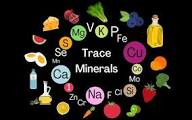
Minerals are inorganic elements that retain their chemical identity in food products. They are divided into major minerals and trace minerals. Major minerals are present in amounts greater than 5 g in the human body and include calcium, phosphorus, potassium, sulfur, sodium, chlorine, and magnesium. Sulfur is not traditionally used as a nutritional additive.
More than a dozen trace elements exist, with key nutritional additives including iron, zinc, copper, iodine, and manganese.
Mineral additives are available in one or several salt forms, with some, like iron, available in elemental form. The choice of source depends on three factors:
i. Bioavailability of the mineral in a particular salt form
ii. Solubility and/or mixability
iii. Potential effects on final product properties
Minerals are resistant to destruction by heat, air, acid, or mixing, requiring minimal care to preserve during food preparation. The ash remaining after burning food contains the minerals originally present.
1. Calcium: Essential for Bone Health
Calcium is critical for forming and maintaining strong bones and teeth, which serve as the body’s primary calcium storage. Bones are continuously broken down and rebuilt to meet calcium needs. If dietary intake is insufficient, the body draws calcium from bones, potentially leading to porous bones and osteoporosis.
i. Sources: Dairy products are excellent calcium sources. Other sources include dark green leafy vegetables, broccoli, spinach, sardines, canned salmon, and almonds.
ii. Recommended Dietary Allowance (RDA): The RDA for calcium is 1300 mg for ages 9–18, 1000 mg for ages 19–50, and 1200 mg for those 50 and above.
iii. Commercially Available Forms: Calcium is available as calcium phosphate monobasic anhydrous (CAS: 7758-23-8) and monohydrate (CAS: 10031-30-8). It appears as white crystals, granules, or granular powder, sparingly soluble in water but insoluble in alcohol.
2. Phosphorus: Supporting Bone and Energy Metabolism
Phosphorus is the second major component of bones and teeth and plays a key role in energy metabolism, DNA, and RNA.
i. Sources: Phosphorus is found in most foods, with rich sources including protein-rich foods like milk, meat, poultry, fish, and eggs. Legumes, nuts, and carbonated beverages also contain phosphorus.
ii. Deficiency: Phosphorus deficiencies are rare due to its wide availability. Symptoms, if they occur, include loss of appetite, bone deterioration, weakness, and pain. Excessive phosphorus intake can reduce calcium levels, posing risks for those with low calcium intake or advanced renal failure.
iii. Recommended Dietary Allowance (RDA): The RDA is 1250 mg for ages 9–18 and 700 mg for those 19 and above.
iv. Commercially Available Forms: Phosphorus is available in combination with other minerals, such as calcium phosphate, calcium pyrophosphate, calcium glycerophosphate, ferric phosphate, ferric pyrophosphate, magnesium phosphate, manganese glycerophosphate, potassium glycerophosphate, sodium phosphate, sodium ferric pyrophosphate, and sodium pyrophosphate.
3. Magnesium: Vital for Enzymatic Functions
Magnesium, an intracellular cation, is found primarily in bones, followed by muscles, soft tissues, and body fluids. It supports over 300 enzymes, regulating digestion, energy production, protein synthesis, and muscle contractions. Magnesium also influences neuromuscular transmission and bone calcification.
i. Dietary Sources: Seeds, nuts, legumes, unmilled cereal grains, and green vegetables are good sources. Diets high in refined foods, meat, and dairy are low in magnesium, as processing removes magnesium from foods like flour, rice, and sugar.
ii. Deficiency: Magnesium deficiencies are rare but can cause irregular heartbeat, nausea, weakness, and mental derangement. Low magnesium intake in older populations is linked to conditions like ischemic heart disease, hypertension, osteoporosis, glucose intolerance, diabetes, and stroke.
iii. Recommended Dietary Allowance (RDA): For males, the RDA is 400 mg (19–30 years) and 420 mg (31+ years). For females, it is 310 mg (19–30 years) and 320 mg (31+ years).
iv. Commercially Available Forms: Magnesium gluconate anhydrous (CAS: 3632-91-5) and dihydrate (CAS: 59625-89-7) are white to off-white powders or granulates, insoluble in ether, sparingly soluble in alcohol, but soluble in water. Other magnesium salts are also available.
4. Electrolytes: Potassium, Sodium, and Chlorine
Potassium, sodium, and chlorine are electrolytes, dissociating into charged ions in water. Potassium and sodium form positive ions, while chlorine forms the chloride ion, regulating fluid balance in and out of cells.
A. Potassium: A major intracellular cation, potassium maintains water balance, osmotic equilibrium, acid-base balance, and supports neuromuscular activity, cellular growth, and normal blood pressure.
i. Food Sources: Potassium is found in bananas, whole milk, turkey, haddock, okra, oranges, and tomatoes.
ii. Commercial Forms: Include potassium chloride (CAS: 7447-40-7), potassium gluconate anhydrous (CAS: 299-27-4) and monohydrate (CAS: 35398-15-3), potassium glycerophosphate (CAS: 1319-70-6), and potassium iodide (CAS: 7681-11-0).
B. Sodium: The major extracellular cation, sodium regulates body fluid movement, muscle relaxation, and nerve impulse transmission. It is found in bile and pancreatic juices, with sodium chloride (table salt) being the most common form.
i. Recommended Dietary Allowance (RDA): No specific RDA exists for sodium, but 500 mg daily is considered safe and adequate for healthy adults.
ii. Hypertension Concerns: Sodium restriction gained attention in the 1960s for reducing hypertension. Diets low in potassium or calcium may amplify the effect of high sodium chloride intake on blood pressure.
iii. Commercial Forms: Include sodium ascorbate (CAS: 134-03-2), sodium chloride (CAS: 7647-14-5), sodium citrate (CAS: 68-04-2), and others.
C. Chlorine (Chloride): The principal anion of extracellular fluids, chloride regulates fluid movement and aids in digestion through stomach acid. It is primarily found in table salt and small amounts in water supplies.
i. Excessive Chloride: Excessive chloride, like sodium, may contribute to high blood pressure in sensitive individuals.
ii. Recommended Dietary Allowance (RDA): No RDA exists for chloride.
iii. Commercial Forms: Include calcium pantothenate, calcium chloride double salt (CAS: 6363-38-8), choline chloride (CAS: 67-48-1), manganese chloride (CAS: 7773-01-5), potassium chloride (CAS: 744Spawner-40-7), and sodium chloride (CAS: 7647-14-5).
5. Iron: Critical for Oxygen Transport
Iron is essential for hemoglobin in red blood cells, which carries oxygen to body cells for energy production and removes carbon dioxide. Iron also supports infection resistance, beta-carotene conversion to vitamin A, collagen production, and protein synthesis.
i. Food Sources: Iron is found in both animal (heme and non-heme) and plant (non-heme) sources. Heme iron, found in meat, poultry, and fish, is more readily absorbed.
Non-heme iron absorption is enhanced by vitamin C but hindered by oxalic acid (spinach, chocolate), phytic acid (wheat bran, legumes), tannins (tea), and polyphenols (coffee).
ii. Recommended Dietary Allowance (RDA): For males, 12 mg (11–18 years) and 10 mg (19+ years). For females, 15 mg (11–50 years), 10 mg (50+ years), 30 mg (pregnancy), and 15 mg (lactation).
iii. Deficiency: Iron deficiency, common in children and women of childbearing age, can result from injury, hemorrhage, illness, or poor diet, leading to anemia with symptoms like fatigue and weakness.
iv. Iron Toxicity: Excessive iron from hereditary hemochromatosis or transfusion overload can cause severe organ damage or death, particularly in children accidentally consuming iron supplements.
v. Commercial Forms: Include ferric ammonium citrate brown (no CAS), ferric phosphate (CAS: 10045-86-0), and ferrous lactate (CAS: 5905-52-2).
6. Zinc: Supporting Growth and Immunity
Zinc, second only to iron in abundance, promotes cell reproduction, tissue growth, repair, and wound healing. It enhances immune responses in older populations.
i. Food Sources: Found in meat, fish, poultry, milk, dairy, whole grains, wheat germ, black-eyed peas, and fermented soybean paste (miso).
ii. Recommended Dietary Allowance (RDA): 15 mg for males (11+ years), 12 mg for females (11+ years), with higher needs during pregnancy and lactation.
iii. Deficiency: Can cause retarded growth, loss of appetite, skin changes, reduced infection resistance, and birth defects during pregnancy.
iv. Toxicity: Rare, but toxic levels can cause copper deficiency and harm the immune system.
v. Commercial Forms: Include zinc gluconate (CAS: 4468-02-4) and zinc oxide (CAS: 1314-13-2).
7. Copper: Essential for Energy and Hemoglobin Production
Copper supports enzyme functions for energy production, hemoglobin synthesis, infant growth, bone strength, and brain development.
i. Food Sources: Include organ meats, oysters, seafood, nuts, chocolate, and seeds.
ii. Deficiency: Results from low copper stores, poor absorption, or increased losses, causing anemia, neutropenia, and bone abnormalities.
iii. Toxicity: Rare from dietary sources.
iv. Recommended Dietary Allowance (RDA): No RDA exists, but the estimated safe and adequate daily dietary intake (ESADDI) is 1.5–3 mg/day for adults.
v. Commercial Forms: Include copper gluconate (CAS: 527-09-3) and copper sulphate (CAS: 7758-98-7).
8. Iodine: Regulating Metabolic Functions
Iodine, a component of thyroxin, regulates energy use and metabolic activities, particularly in brain development during fetal and early postnatal life.
i. Food Sources: Iodized salt is the primary source, with natural sources including seafood, seaweed, potatoes, spinach, and almonds.
ii. Deficiencies: Can lead to goitre or, in pregnancy and early childhood, irreversible cretinism.
iii. Toxicity: Excessive iodine may cause goitre, thyroiditis, hypothyroidism, or hyperthyroidism in salt-sensitive individuals.
iv. Recommended Dietary Allowance (RDA): 150 µg/day for adults, with an additional 25 µg/day during pregnancy and 50 µg/day during lactation.
v. Commercial Forms: Include potassium iodide and kelp, a dehydrated seaweed used for its salty taste and iodine content.
9. Manganese: Supporting Tissue and Metabolism
Manganese activates enzymes and supports connective and bony tissue formation, growth, reproduction, and carbohydrate and lipid metabolism.
i. Food Sources: Include nuts, seeds, tea, and whole grains, with small amounts in meat, dairy, and refined foods.
ii. Deficiency: Causes poor reproductive performance, growth retardation, congenital malformations, abnormal bone and cartilage formation, and impaired glucose tolerance.
iii. Recommended Dietary Allowance (RDA): No RDA exists, but the estimated safe and adequate daily dietary intake is 2.0–5.0 mg/day for adults.
iv. Commercial Forms: Include manganese chloride (CAS: 7773-01-5) and manganese gluconate (CAS: 6485-39-8).
Dietary Supplements in Agricultural Nutrition
In 1994, the United States Congress passed the Dietary Supplement Health and Education Act (DSHEA). Through this legislation, dietary supplements are defined as “a product, other than tobacco, intended to supplement the diet that contains at least one or more of the following ingredients.
A vitamin, a mineral, an herb or other botanical, an amino acid, or a dietary substance for use to supplement the diet by increasing the total dietary intake; or a concentrate, metabolite, constituent, or extract or combination of any of the previously mentioned ingredients.”
Dietary supplements are regulated as a special category of foods, not drugs. Manufacturers are not required to provide safety information to the FDA before marketing.
Once marketed, the FDA must prove a product is unsafe to restrict its use, though individual states can take action to limit or stop sales of harmful supplements. Food additives, in contrast, require safety studies and premarket FDA approval.
Do you have any questions, suggestions, or contributions? If so, please feel free to use the comment box below to share your thoughts. We also encourage you to kindly share this information with others who might benefit from it. Since we can’t reach everyone at once, we truly appreciate your help in spreading the word. Thank you so much for your support and for sharing!