


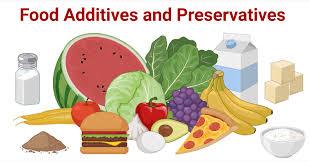
The Food Protection Committee of the Food and Nutrition Board (FNB) defined food additives as substances or mixtures of substances, other than a basic foodstuff, present in food due to any aspect of production, processing, storage, or packaging.
The term excludes dirt or contaminants. Since prehistoric times, chemicals have been added to foods to serve specific functions. Although basic foods contain no additives, processed foods are converted into various products. An increasing number of additives are now generally used.
Technological advancements in food production and processing, particularly in agriculture, have expanded the variety and use of additives. Today, over 2500 different additives are intentionally added to foods to achieve desired effects.
The use of additives is widely accepted but remains controversial. This article explores the major benefits and risks of using additives in agricultural food systems. Subsequent articles will detail each category of additives, along with their benefits and potential risks.
Understanding Food Additives
Food additives are utilized in the preparation and processing of nearly all types of food, particularly those derived from agricultural raw materials, to impart favorable attributes. A food additive is a substance added to enhance flavor, appearance, or other desirable qualities.
The Food Production Committee of the US National Research Council defined a food additive as “a substance or a mixture of substances other than a basic foodstuff that is present in a food as a result of an aspect of production, processing, storage, or packaging.”
According to the US FDA (Food and Drug Administration), a food additive is “any substance, the intended use of which results or may reasonably be expected to result directly or indirectly, in its becoming a component or otherwise affecting the characteristics of any food.”
Although the term “food additives” is frequently used today, its practice dates back to ancient times, likely predating the hunter-gatherer era. While food additives benefit manufacturers, retailers, and consumers in agricultural food chains, their use must be approached cautiously. Additives are either natural or synthetic chemicals.
Present-day consumers increasingly prefer natural ingredients and bio-based additives due to adverse effects caused by some synthetic chemicals.
Plant-derived substances are gaining prominence as preservatives, colorants, flavors, and antibacterial agents in agricultural products.
Read Also: The Health Benefits of Using Accent Seasoning on your Cooking
E Numbers for Food Additives in Agricultural Products
Almost all safe-to-use food additives are assigned ‘E numbers’ by the European Food Safety Authority, indicating they have passed safety checks. Table 3.1 outlines the general categories of food additives and their E numbers. When a food additive serves multiple functions, it is assigned a single E number.
Chemical compounds and other substances are continually added to the list of safe-to-use food additives as they pass safety evaluations. An up-to-date list of food additives and their E numbers can be obtained from the official UK Food Standards Agency website.
| Block of Numbers | Food Additives |
|---|---|
| E100–E199 | Colors |
| E200–E299 | Preservatives |
| E300–E399 | Antioxidants and acidity regulators |
| E400–E499 | Thickeners, stabilizers, and emulsifiers |
| E500–E599 | Anticaking agents |
| E600–E699 | Flavor enhancers |
| E700–E799 | Antibiotics |
| E900–E999 | Glazing agents and sweeteners |
| E1000–E1599 | Additional chemicals |
Categories of Food Additives in Agricultural Applications
Additives can be divided into six major classes: nutritional additives, preservatives, flavoring agents, coloring agents, texturing agents, and miscellaneous additives. In Europe and other regions, the E system, developed by the European Union (EU), provides a list of commonly used additives.
Nutrients are not included in the E system. The Codex Alimentarius Commission Committee on Food Additives and Contaminants has developed an international numbering system (INS) for food additives based on the E system (Codex Alimentarius Commission, 2001).
The INS system is broader than the E system and serves as an identification system for food additives approved for use in one or more countries.
It does not imply toxicological approval by Codex, and the list extends beyond additives currently cleared by the Joint FAO/WHO Expert Committee on Food Additives (Codex Alimentarius Commission ám
Read Also: How to Extract and Package Snail Slime (Snail filtrate) for Commercial Use
Nutritional Additives in Agricultural Food Products
Nutritional additives have increased in use in recent years as consumers have become more aware of nutritional benefits. They are not included as a functional class within the INS or E numbering system, although several additives are listed under other functional classes and serve multiple purposes in these products.
Vitamins, sometimes used as preservatives, are commonly added to cereals and cereal products to restore nutrients lost during processing or to enhance overall nutritive value. Adding vitamin D to milk and B vitamins to bread has been associated with preventing major nutritional deficiencies.
Minerals like iron and iodine, critical for preventing deficiencies, are primarily used in cereal products derived from agricultural grains. Amino acids and proteinaceous materials, such as lysine added to cereals to enhance protein quality, are less common.
Proteins like soya protein are sometimes used as nutritional additives but are more often used as texturing agents. Fiber additives, increasingly popular due to consumer interest in dietary fiber, include cellulose, pectin, and starch derivatives.
Naturally derived fibers from apples, other fruits, and sugar beets are also used as fiber additives. While fiber additives have little direct nutritional value, they offer indirect benefits and may improve texture, being categorized in the INS and E systems as bulking agents, thickeners, or stabilizers.
Preservatives for Agricultural Food Preservation
Three types of preservatives are used in foods: antimicrobials, antioxidants, and anti-browning agents, all grouped under preservatives in the INS system. Antimicrobials (E and INS 200–290) prevent microorganism growth, extending the shelf life of snacks and convenience foods, especially as microbial safety concerns rise.
Antioxidants (INS and E 300–326) prevent lipid and vitamin oxidation, reducing rancidity and off-flavors. They include natural substances like vitamins C and E and synthetic chemicals like butylated hydroxyanisole (BHA) and butylated hydroxytoluene (BHT), vital for preserving dry and frozen foods.
Anti-browning agents, such as vitamin C (E300), citric acid (E330), and sodium sulfite (E221), prevent enzymatic and non-enzymatic browning in dried fruits and vegetables.
These are classified as antioxidants or preservatives in the INS system, retaining the same numbers as in the E system without the E.
Coloring Agents in Agricultural Food Products
Most coloring agents enhance the visual appeal of foods. Natural and synthetic additives, including sodium nitrite (used as an antimicrobial and to fix meat color), are employed. Colors are listed as E100–E180 and INS 100–182. While synthetic colorants remain common, natural colorants, often derived from agricultural sources, are gaining interest.
Flavoring Agents for Agricultural Foods
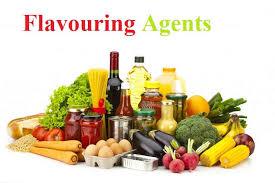
Flavoring agents, the most numerous additives, include sweeteners, natural and synthetic flavors, and flavor enhancers. Common sweeteners like sucrose, glucose, fructose, and lactose, derived from agricultural sources, are typically classified as foods rather than additives.
Low-calorie or non-caloric sweeteners like saccharin and aspartame significantly impact new food development. Acidulants, which add sour taste, often serve preservation roles. Flavor enhancers (INS and E 620–642) modify food flavor without contributing their own.
Texturing Agents in Agricultural Food Processing
Texturing agents, used in the greatest quantity, modify the texture or mouthfeel of food products. Emulsifiers and stabilizers, primarily derived from agricultural sources like soy or corn, are the main additives in this category.
Miscellaneous Additives in Agricultural Foods
Numerous other chemicals serve specific, limited purposes in food products, including processing aids like chelating agents, enzymes, anti-foaming agents, surface finishing agents, catalysts, solvents, lubricants, and propellants, many of which support the processing of agricultural raw materials.
Benefits of Additives in Agricultural Food Production
Additives offer numerous benefits, including safer and more nutritious food supplies, greater food variety, and lower costs. Preservatives and nutritional additives enhance safety and value, with antimicrobials preventing bacterial and mold-related food poisoning.
Antioxidants prevent off-flavors and toxic autoxidation products while maintaining nutritional value. Nutritional additives like vitamins prevent deficiencies.
Additives enable out-of-season foods, convenience foods, low-calorie, health-promoting, exotic foods, and substitutes, expanding consumer choices.
By extending shelf life, additives reduce the need for rapid product movement or refrigeration, lowering production, storage, and transportation costs, making food more affordable.
Risks of Additives in Agricultural Food Systems
Despite benefits, concerns persist about short- and long-term risks of consuming additives. Indirect risks include the increased availability of low-nutrient “junk foods,” which may replace more nutritious options.
Direct toxicological effects, particularly hypersensitivity reactions to additives like sulfites, pose significant risks for sensitive individuals, even at legal levels. Proper labeling helps sensitive individuals avoid allergens.
Due to challenges in precisely defining risks and benefits, legal decisions often determine additive safety, balancing risks against benefits essential for modern food systems.
Ongoing concerns about long-term consumption and interactive toxicological effects may lead to bans on some additives, while improved evaluation methods could foster safer additives or techniques to reduce risks.
Do you have any questions, suggestions, or contributions? If so, please feel free to use the comment box below to share your thoughts. We also encourage you to kindly share this information with others who might benefit from it. Since we can’t reach everyone at once, we truly appreciate your help in spreading the word. Thank you so much for your support and for sharing!