


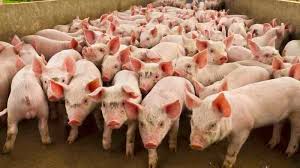
Pig farming is a vital agricultural practice requiring meticulous management of feeding, health, and infrastructure to ensure profitability. This article delves into the essentials of successful pig production, focusing on nutrition, health care, and farm setup to maximize productivity and efficiency.
Effective pig farming hinges on providing high-quality feed, maintaining hygiene, and adhering to vaccination schedules. By optimizing these factors, farmers can achieve better growth rates, reproductive success, and safe pork production for consumers.
Feeding Strategies for Optimal Pig Growth
Proper nutrition is critical for successful pig production, as feed constitutes 70-75% of total costs. A balanced diet ensures healthy growth, reproduction, and high-quality carcasses, directly impacting farm profitability.
The quality and quantity of feed determine the productivity of a pig farm. A balanced ration includes carbohydrates, proteins, fats, minerals, and vitamins, supplemented with clean water to support digestion and overall health.
A. Common Feed Ingredients
Feed ingredients are selected based on availability and cost-effectiveness. Key components include:
1. Grains: Maize, wheat bran, rice polish, and broken rice provide energy-rich carbohydrates.
2. Protein Sources: Groundnut cake and fishmeal supply essential proteins for growth.
3. Supplements: Mineral mixtures, salt, and vitamins enhance overall nutrition.
B. Cost-Effective Feeding Options
To reduce production costs, unconventional feed sources can be incorporated:
1. Processed Colocasia: Up to 30% can be used as a feed substitute.
2. Cabbage and Water Hyacinth: Limited to 10% and 30%, respectively, to maintain diet balance.
3. Kitchen and Vegetable Waste: Sourced from hotels or local markets as a supplement.
C. Types of Rations
Pigs require specific rations based on their growth stage:
1. Creep Ration: Introduced at 7-10 days until 21 days.
2. Starter Ration: Fed from 22 days to 60 days.
3. Grower Ration: Used from 2 to 5 months.
4. Finisher Ration: Given from 5 to 8 months.
D. Feed and Water Requirements
Feed and water needs vary by age and type of pig:
1. Feed Quantities:
- 1-2 months (12 kg): 0.50 kg/day.
- 2-3 months (18 kg): 1.00 kg/day.
- 3-4 months (26 kg): 1.25 kg/day.
- 4-5 months (36 kg): 1.50 kg/day.
- 5-6 months (48 kg): 2.00 kg/day.
2. Water Requirements:
- 8-12 weeks: 3.5 liters/day.
- 13-18 weeks: 6.0 liters/day.
- 19-24 weeks: 7.5 liters/day.
- 25 weeks and above: 8.0 liters/day.
- Pregnant gilts: 16-20 liters/day.
- Lactating sows and boars: 20-25 liters/day.
Read Also: Poultry Management during Winter Cold
Specialized Feeding for Different Pig Categories
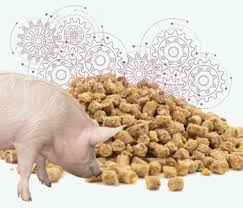
Feeding strategies must be tailored to the specific needs of pregnant sows, lactating sows, and breeding boars to ensure health and productivity. Proper nutrition during these stages supports reproduction and farm sustainability.
A. Feeding Pregnant Sows
Restricted feeding during pregnancy prevents excessive fat deposition, which can hinder reproduction.
1. Restricted Feeding: Provide 2-3 kg of feed daily to achieve a 250-300 g daily weight gain.
2. Pre-Farrowing Adjustment: Add wheat bran 3-4 days before farrowing for a laxative effect.
3. Nutritional Needs: Calcium, phosphorus, and vitamin A deficiencies can impair fetal development.
B. Feeding Lactating Sows
Lactating sows have higher nutritional demands to support milk production.
1. Maintenance Ration: Provide 2-3 kg daily, plus 200-500 g per suckling piglet.
2. Feeding Duration: Continue until piglets are weaned.
3. Impact on Piglets: Adequate nutrition ensures healthy piglet growth.
C. Feeding Breeding Boars
Boars require specific feeding to maintain breeding efficiency.
1. Protein Levels: Rations should contain about 16% protein.
2. Avoid Overfeeding: Excessive fat weakens legs and breeding ability.
3. Exercise: Regular exercise keeps boars healthy and active.
D. Flushing for Reproductive Success
Flushing enhances ovulation rates in sows and gilts.
1. Post-Weaning Nutrition: Provide 0.5-0.7 kg of extra grain daily.
2. Weight Gain: Aim for 0.5-0.7 kg daily weight gain before mating.
3. Ovulation Benefits: Increased energy levels improve litter size.
Health and Hygiene Management
Maintaining hygiene and health is crucial for pig growth and farm profitability. Clean environments and proactive health measures reduce disease risks and ensure safe pork production.
Good hygiene practices prevent diseases and improve animal comfort. Regular cleaning, proper infrastructure, and vaccinations are essential for a thriving pig farm.
A. Maintaining Farm Hygiene
A clean environment minimizes disease transmission.
1. Clean Pig Sty: Wash floors twice daily with potassium permanganate or disinfectants.
2. Foot Bath: Use a 2% potassium permanganate solution at farm entry.
3. Mosquito Protection: Install mosquito-proof netting for nighttime use.
B. Preventing Injuries
Proper infrastructure maintenance reduces injury risks.
1. Floor Repairs: Replace damaged floors, pipes, or grills to prevent injuries.
2. Piglet Care: Treat knee injuries in suckling piglets with betadine and antiseptic ointments.
3. Wound Management: Use turpentine plugs for maggoted wounds, followed by antiseptics.
C. Managing Piglet Diarrhea
Diarrhea in piglets can be infectious or dietary.
1. Probiotics and Zinc: Use dispersible probiotics and zinc preparations for prevention and treatment.
2. Hygiene Practices: Regular cleaning reduces infection risks.
3. Monitoring: Observe piglets closely for early intervention.
D. Controlling Parasitic Diseases
Parasites can significantly affect pig health.
1. External Parasites: Apply tobacco extract or insecticides under veterinary guidance.
2. Internal Parasites: Test fecal samples quarterly and treat with anthelmintics.
3. Pre-Farrowing Treatment: Deworm pregnant sows 10-14 days before farrowing.
E. Preventing Microbial Diseases
Viral and bacterial diseases require proactive management.
1. Common Diseases: Swine fever, FMD, bacterial diarrhea, and infectious pneumonia are prevalent.
2. Isolation and Treatment: Isolate sick pigs and consult a veterinarian for treatment.
3. Vaccination Schedule:
i. Swine Fever: Vaccinate at 25-30 days, booster after 30 days, then every 6 months.
ii. FMD: Vaccinate at 42 days, booster after 30 days, then every 6 months.
iii. Haemorrhagic Septicaemia: Vaccinate at 2 months, then annually.
Read Also: Animal Segregation Analysis: Complex Segregation Analysis
Small-Scale Piglet Production Model
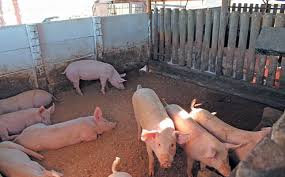
A small-scale pig farm with a 1+2 model (1 male, 2 females) offers a viable business opportunity. This section outlines the infrastructure, costs, and expected returns for such a setup.
The model uses Hampshire Cross or T&D breeds, with specific requirements for infrastructure, feed, and management to ensure profitability.
A. Farm Setup and Infrastructure
Proper infrastructure supports efficient pig farming.
1. Space Requirements: 64 sq ft covered and 80 sq ft uncovered per pig.
2. Facilities: Include a tubewell and well for water supply.
3. Land Area: Below 2.50 bighas is sufficient.
B. Breeding and Production Timeline
Breeding timelines are critical for planning.
1. Age at Service: 7.5-8.5 months.
2. Pregnancy Period: 114 days.
3. Age at Farrowing: 11-12 months.
4. Litter Size: 8-10 piglets per sow.
C. Financial Breakdown
Initial and operational costs must be managed carefully.
1. Capital Costs:
i. Pig sty construction: Rs. 30,000.
ii. Breeding piglets (1 male + 3 females): Rs. 9,000.
iii. Transportation: Rs. 1,000.
iv. Equipment and insurance: Rs. 2,000.
i. Total: Rs. 42,000.
2. Working Capital:
i. Concentrate feed for piglets: Rs. 11,000.
-ii. Locally available feed: Rs. 5,500.
iii. Feed for 16 piglets (75 days): Rs. 6,000.
i. Medicines and vaccines: Rs. 1,500.
ii. Total: Rs. 24,000.
3. Expected Receipts:
-i. Sale of 16 piglets at 3 months: Rs. 48,000.
i. Sale of male pig (130 kg): Rs. 13,000.
ii. Total: Rs. 61,000.
D. Long-Term Profitability
From the second year, profits increase significantly.
1. Reduced Capital Costs: Only operational costs apply after the first year.
2. Periodic Replacement: Replace male breeding pigs periodically.
3. Scalability: Larger farms with more breeding stock yield higher profits.
Frequently Asked Questions
1. What is the most important factor in pig farming profitability?
Feed quality and quantity are critical, as feed accounts for 70-75% of production costs. A balanced diet ensures healthy growth and reproduction.
2. How can I reduce feed costs without compromising pig health?
Incorporate unconventional feeds like processed Colocasia (up to 30%) or kitchen waste as supplements to reduce reliance on expensive concentrates.
3. What are the key health practices for pig farms?
Maintain hygiene with regular cleaning, use disinfectants, provide a foot bath, and follow a vaccination schedule to prevent diseases like swine fever and FMD.
4. How much feed should a pregnant sow receive?
Pregnant sows should receive 2-3 kg of feed daily to achieve a 250-300 g daily weight gain, with added wheat bran before farrowing.
5. What is flushing, and why is it important?
Flushing involves feeding sows extra grain (0.5-0.7 kg/day) post-weaning to boost ovulation rates, increasing litter size in the next farrowing.
6. How often should pigs be vaccinated?
Vaccinate for swine fever and FMD at 25-42 days with boosters after 30 days, then every 6 months. Haemorrhagic septicaemia requires annual vaccination.
7. What infrastructure is needed for a small pig farm?
A small farm requires 64 sq ft covered and 80 sq ft uncovered per pig, a tubewell, and a well, all within 2.50 bighas of land.
Do you have any questions, suggestions, or contributions? If so, please feel free to use the comment box below to share your thoughts. We also encourage you to kindly share this information with others who might benefit from it. Since we can’t reach everyone at once, we truly appreciate your help in spreading the word. Thank you very much for your support and for sharing!