


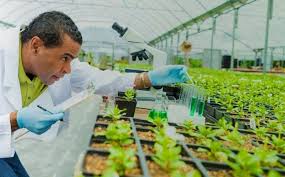
Technology has gained enormous access in various sectors, including agriculture. Biotic resources are flexible enough to allow genetic manipulation to meet human needs.
Plants have been improved through technological innovations because all biological processes in trees contain targets for biotechnological alteration and improvement. The processes of utilisation also offer potential targets for biotechnology.
Biotechnology is often associated with genetically modified organisms (GMOs) or transformations involving the introduction of selected foreign genes into the plant genome.
DNA transfer can be from another crop species or even from bacteria or viruses. This technology identifies specific genes and modifies them to affect biochemical pathways, resulting in phenotypes with superior traits. This article exposes the concept of biotechnology and its attributes, focusing on plants.
Read Also: How to Grow, Use and Care for Whiteedge Flatsedge Grass (Cyperus flavicomus)
Definition and Application of Plant Biotechnology in Agriculture
🌿 Go Organic on Your Farm: Instead of harmful chemical pesticides and fertilisers, try our organic farming products — including neem oil spray, bio-pesticides, natural plant treatments, organic seeds and seedlings, suckers, and many more organic products that are safe for your health, your family, your soil and your harvest. Shop Now →
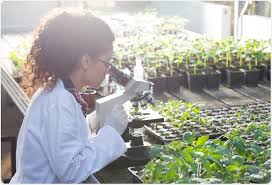
Plant biotechnology is a scientific transformation that involves introducing selected foreign genes into the plant genome, affecting biochemical pathways and producing desired phenotypes with superior features.
This technology has been applied in transforming trees and crops. Various wild plant species with less desirable attributes have been altered to adapt to new or stressful conditions through this standardised and dependable process.
Natural ecosystems face increasing pressures, with negative effects visible in some regions worldwide. Between 1999 and 2000, 9.4 million hectares of forests were lost globally.
🔧 Free Farm Tool Available: Use our free Agric4Profits Farm Tools to calculate your farm profits, formulate feeds, identify pests and diseases on both your crops and animal farms, plan your planting and harvesting season, including many more farm tasks to get free expert advice and recommendations — completely free, no registration required. Access Free Tools →
Tropical deforestation accounts for 20 percent of global greenhouse gas emissions, causing the loss of essential terrestrial and freshwater resources critical to humanity and habitats for endangered species.
Biotechnological innovations have been employed to restore natural abundance and convert low-quality species into highly desirable ones with documented success.
Historical and Modern Perspectives on Plant Biotechnology
Modern plant biotechnology results from advanced technology that allows breeders to make precise genetic changes, imparting beneficial traits to plants. This practice has existed for centuries.
Early farmers used less advanced methods to improve plants through traditional breeding, selecting and sowing seeds from the strongest, most desirable plants to produce the next generation.
💬 Have a Farming Question? Join thousands of farmers across Africa on the Agric4Profits Community — ask questions, share experiences and connect with agricultural experts. It is completely free. Ask Your Question Now →
Traits such as higher yield, pest resistance, and hardiness were selected, dramatically changing the genetic makeup of plants long before the science of genetics was understood. Today’s plants bear little resemblance to their wild ancestors.
Modern biotechnology tools enable plant breeders to select beneficial genes and transfer them from one organism to another with precision. This process is more selective than traditional crossbreeding, which transfers tens of thousands of genes.
It provides developers with detailed knowledge of genetic changes and the ability to introduce material from other plants and organisms, expanding possibilities to improve food production.
Plant biotechnology uses scientific techniques to develop molecular- and cellular-based technologies that:
1. Improve plant productivity, quality, and health;
2. Enhance the quality of plant products;
3. Prevent, reduce, or eliminate constraints caused by diseases, pests, and environmental stresses.
This technology transforms genetic components of plant species to produce observable improvements.
Read Also: How To Grow, Use and Care For Threeawn Grass (Aristida Spp.)
📖 Want to Go Deeper on This Topic?
Our expert agricultural ebooks cover poultry, fish farming, different crops production, snail farming, organic farming, mushrooms, sheep, cattle, flowers, pig farming, goat farming, agribusiness, etc. in practical step-by-step detail — written by agricultural professionals for African farmers.
Browse All Farming Ebooks →Types of Plant Biotechnology and Modern Plant Breeding Techniques
Modern plant breeding includes basic types such as:
1. Mutation breeding: Seeds are treated with radiation or mutagenic chemicals to induce random gene mutations, often resulting in gene loss of function.
2. Green Revolution: Incorporation of dwarfing genes discovered by Norman Borlaug, alongside widespread agrochemical use, led to greatly increased crop yields.
3. Plant tissue culture breeding: This involves selective mating of plants in aseptic culture, resulting in embryo rescue, somaclonal variation selection, somatic hybrid (fusion protoplast), and generation of haploid plants (anther/microspore culture).
These basic types group into two major areas of plant biotechnology:
i. Plant Tissue Culture (plant cloning)
ii. Recombinant DNA technology (gene cloning)
Important Traits in Plant Biotechnology for Agricultural Improvement
Gene alteration allows unique gene combinations not achievable by traditional breeding. This technology produces attributes impossible through natural processes. Important traits include:
i. Silvicultural Traits: growth rate, nutrient uptake, crown/stem development, flowering control.
ii. Adaptability Traits: drought tolerance, cold tolerance, fungal resistance, insect resistance.
iii. Wood Quality Traits: wood density, lignin reduction, lignin extraction, juvenile fiber, branching.
Impact of Plant Biotechnology on Agriculture and Society
1. Economic Impact: Full adoption of biotechnology is estimated to increase global gross national product (GNP) by US$210 billion annually between 2006 and 2015.
2. Environmental Impact: Biotechnology supports in vitro conservation and reduces pesticide use.
3. Health Impact: Biotechnology contributes to producing more food, better food quality, and healthier products.
4. Social Impact: Biotechnology helps reduce famine, calorie under-nutrition, and food crises.
Innovations, including the generation of non-genetically engineered crops, address food, water, and fiber shortages linked to population growth and climate change.
Agricultural biotechnology enhances commercialisation by capturing desired features in crops, ultimately supporting global human populations.
Do you have any questions, suggestions, or contributions? If so, please feel free to use the comment box below to share your thoughts. We also encourage you to kindly share this information with others who might benefit from it. Since we can’t reach everyone at once, we truly appreciate your help in spreading the word. Thank you so much for your support and for sharing!
Frequently Asked Questions
We will update this section soon.
🌱 Take Your Farming Further With Agric4Profits
Based on what you just read, here are free resources and products from Agric4Profits that can help your farm right now:
- 🛒 Visit Our Marketplace — Organic neem oil, bio-pesticides, seeds and farming products
- 📚 Read Premium Content — Advanced guides for serious and profitable farming
- 🎓 Join Our Free Academy — Structured free training for farmers across Africa
- 🔧 Use Our Free Farm Tools — Profit calculators, feed formulation, pest identifier and more
- 💬 Join Our Farming Community — Connect with farmers across all 54 African countries
- ❓ Ask a Farming Question — Get answers from experienced farmers and agricultural experts
Please cite this content in academic work, research, or publications.