


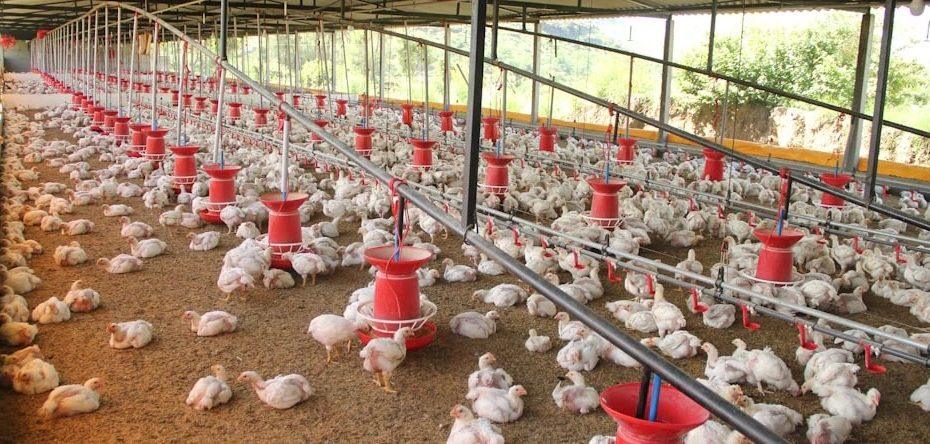
Housing is one of the first and most important investments you make in poultry farming. Get it right and your birds stay healthy, productive, and protected. Get it wrong and you spend the rest of the production cycle managing problems that a better building could have prevented.
Many farmers think about housing only in terms of cost. How cheap can I build this? That thinking leads to structures that fail too quickly, trap too much heat, or let in predators. The better question is: what does this house need to do, and how do I build it well enough to last?
Poultry housing serves several clear purposes. It protects birds from bad weather, rain, wind, extreme heat, and cold. It keeps thieves and predators out. It gives you control over your flock so you can manage feeding, health checks, and production efficiently. And it allows you to group birds by age, which matters for disease control and management.
In tropical environments, housing design carries additional challenges. Heat and humidity are the main threats to bird comfort and production. A house that works well in a temperate climate will fail birds in the tropics if the same design is copied without adjustment. Ventilation is not just important in tropical conditions. It is the most critical design factor.
The productivity of your birds depends directly on how comfortable they are. Birds that are too hot eat less, drink more, grow slower, and lay fewer eggs. They are also more susceptible to disease. A well-designed house keeps birds in their comfort zone even during the hottest parts of the day. This is not a luxury. It is basic production management.
Beyond climate control, location matters. Where you build your poultry house affects drainage, air flow, road access, and biosecurity. A house built in a low-lying area floods during heavy rain. A house surrounded by tall trees or other buildings gets poor air circulation. A house without road access makes feed delivery and product evacuation difficult.
Cost and durability go together when planning housing. A cheap structure that needs replacing every few years costs more than a solid one built to last. The guiding principle is simple: build it strong enough to protect your investment in birds and equipment across multiple production cycles.
This guide covers the main reasons for providing proper poultry housing, the general principles that apply in tropical conditions, and the specific construction and design guidelines that help you build a structure that works. Whether you’re starting from scratch or evaluating an existing house, these principles apply.
1. Major Reasons for Providing Suitable Housing for Poultry
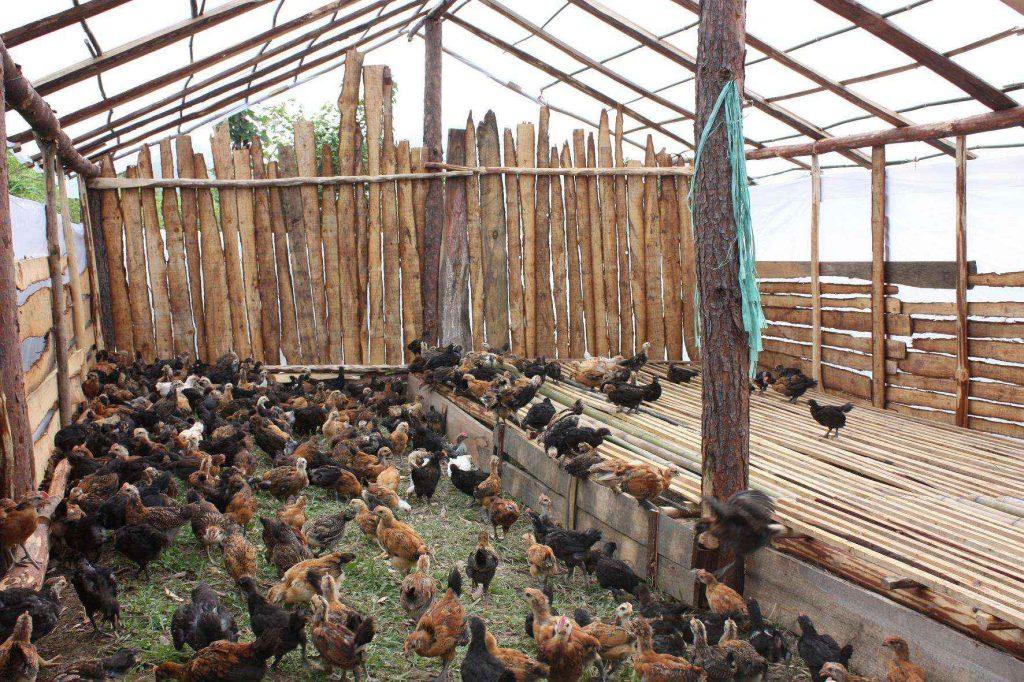
Every commercial poultry operation needs dedicated housing. These are not optional extras. They are the basic justifications for the housing investment.
i. Protection from bad weather: Rain, wind, extreme heat, and cold all stress birds. Stressed birds don’t produce well and are more vulnerable to disease. A proper house shields birds from weather extremes and maintains a more stable internal environment.
ii. Protection from thieves and predators: Open or poorly secured pens lose birds to theft and predators regularly. Dogs, snakes, rats, hawks, and other animals can devastate a flock in a single night. Secure housing prevents these losses.
iii. Control over the birds: Housed birds are easier to observe, treat, feed, and manage. You can monitor individual bird condition, identify problems early, and respond quickly. Birds in enclosed houses are also easier to catch for vaccination, treatment, or culling.
iv. Age group separation: Keeping birds in age groups prevents older birds from transmitting disease to younger, more vulnerable ones. It also allows you to tailor feed, lighting, and management to each group’s specific needs. Age separation is a basic biosecurity practice that housed systems make possible.
Read Also: Battery Cage Poultry Production System
2. General Principles of Poultry Housing in the Tropics
Tropical conditions require a different approach to housing design than what works in cooler climates. The climate is the starting point for every design decision.
In a tropical environment, the design and construction of poultry houses must account for the local climatic and weather conditions. Heat and humidity are constant pressures. Rain can be heavy and sudden. Ventilation is the solution to most of these challenges, and every design decision should support it.
The core goal is to keep poultry productive throughout their productive life. Optimum conditions of temperature, humidity, ventilation, and light keep birds comfortable and performing well. When any of these fall outside the comfortable range, production suffers.
Cost and durability are equally important principles. A poultry house should be structurally strong, long-lasting, and reasonably priced. This balance is achievable with local materials and good construction practices.
A. General Guidelines for Tropical Poultry Housing
These guidelines apply to naturally ventilated houses under tropical conditions. Each one addresses a specific challenge common to hot, humid environments.
i. Low external walls with wire mesh: External walls should be low, about 0.6m to 1m high. Above this, chicken wire mesh (1 to 2cm mesh size) should extend up to about 2m, leaving some margin under the roof for unobstructed air flow. This open-sided design is the most effective way to maximize natural ventilation. The low solid wall provides some protection from ground-level wind and rain splash while keeping the upper section open for air movement.
ii. Corrugated or thatched roofing: The roof should be made of corrugated material or thatch. Both options work in tropical conditions. Corrugated metal is durable and widely available. Thatch provides better insulation and keeps the house cooler but requires more maintenance. Whatever material you choose, ensure the roof is properly fixed to handle strong winds.
iii. Adequate roof overhang: There should be enough roof overhang to prevent rain from entering the pens. In heavy tropical rainfall, a short overhang allows rain to blow in at an angle and soak the litter. Wet litter is one of the biggest management problems in floor systems. A generous overhang, typically 0.6m to 1m beyond the wall, protects the interior effectively.
iv. Wire mesh internal partitions: When internal partitions are necessary, make them from wire mesh rather than solid materials. Wire mesh partitions allow unrestricted air circulation across the full width and length of the house. Solid partitions create dead air zones that trap heat and ammonia.
v. Clear of obstructions: The poultry house should be clear of other buildings or structures that may block free air flow. Trees, fences, walls, and other structures within the prevailing wind path reduce the amount of fresh air that reaches the house. Site your building where it gets the full benefit of natural breezes.
vi. Maximum width of 9 meters: The house should not be wider than 9 meters. Buildings wider than this struggle to get adequate air movement to the center sections using natural ventilation alone. In hot climates, birds in the middle of an overly wide house experience heat stress while birds near the sides stay comfortable. Keeping within 9 meters ensures adequate cross-ventilation throughout the house.
vii. East-west orientation: Build the house in an east-west direction to protect birds from the direct rays of the sun. A house oriented east to west has its long sides facing north and south. The sun travels from east to west and hits the gable ends rather than the long open sides. This significantly reduces heat load during the hottest parts of the day.
viii. Shaded water reservoirs: Water reservoirs should be located under shade to prevent excessive heating of water during hot days. Hot water reduces birds’ water intake. Birds drink less when water is warm, and reduced water intake directly reduces feed intake and production. Keep water storage out of direct sunlight and insulate pipes where possible.
ix. Reduced stocking density: Stocking density for tropical areas should be 10 to 20% lighter than what is recommended for temperate environments. Each bird generates body heat. More birds in the same space means more heat. Temperate recommendations assume the house can manage that heat load because outside temperatures are lower. In tropical climates, that assumption doesn’t hold. Reducing stocking density reduces the heat load and keeps birds more comfortable.
x. Well-drained ground: Poultry houses should be located on well-drained ground to prevent flooding. Flooding damages the house structure, ruins litter, contaminates water and feed, and creates disease conditions. Site selection should assess drainage carefully. Build slightly elevated if natural drainage is insufficient.
xi. Road accessibility: The poultry house should be accessible by road to facilitate the evacuation of produce and delivery of feed and other supplies. A farm not accessible by road during rainy season faces feed delivery problems at exactly the time when roads are worsat their t. Plan road access as part of site selection, not as an afterthought.
3. Feed and Water Management in Poultry Housing
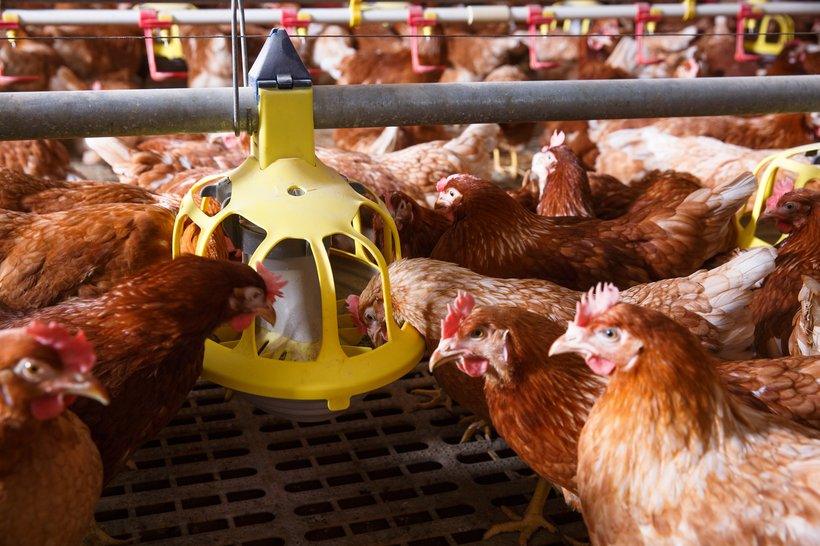
Good housing only works when feeding and watering equipment is managed properly inside it. Feed troughs should not be overfilled. Tube feeders should not be opened too widely. Both practices waste feed.
The construction of the food trough matters. Some trough designs reduce spillage and therefore reduce food wastage by up to 20%. Feed wastage is a silent profit killer. A farm losing 10-20% of its feed to waste is running on a much thinner margin than it realizes.
Poultry production gives farmers flexibility in choosing a production system based on capital, skills, and needs. But regardless of which system you choose, the housing principles remain the same. Birds need protection, comfort, and consistent management. Good housing makes all of this possible.
Read Also: Fold Poultry Production System
Summary on Reasons and Guidelines for Providing Suitable Housing for Poultry

| Aspect | Key Points |
|---|---|
| Weather Protection | Shields birds from rain, wind, extreme heat, and cold |
| Predator Protection | Secure housing prevents losses from dogs, snakes, rats, and birds of prey |
| Flock Control | Easier health monitoring, vaccination, treatment, and management |
| Age Separation | Prevents disease transmission between age groups; tailored management |
| Tropical Design Focus | Ventilation is the most critical design factor in hot, humid climates |
| Wall Design | Low solid wall (0.6-1m) topped with wire mesh (1-2cm) up to 2m |
| Roofing Material | Corrugated metal or thatch; both work in tropical conditions |
| Roof Overhang | Adequate overhang (0.6-1m) to prevent rain entry and protect litter |
| Internal Partitions | Wire mesh preferred over solid materials to allow air circulation |
| Obstruction Clearance | Keep house clear of buildings and trees that block air flow |
| Maximum Width | No wider than 9 meters for adequate natural cross-ventilation |
| Orientation | East-west direction protects birds from direct sun on long sides |
| Water Shading | Keep reservoirs shaded to prevent water heating |
| Stocking Density | 10-20% lower than temperate recommendations in tropical areas |
| Site Drainage | Well-drained ground prevents flooding and disease conditions |
| Road Access | Essential for feed delivery and product evacuation year-round |
| Feed Wastage | Good trough design reduces spillage by up to 20%; controls costs |
Frequently Asked Questions About Poultry Housing Guidelines
1. Why is ventilation so critical in tropical poultry housing?
Heat stress is the biggest productivity threat in tropical climates. Birds in heat stress eat less, drink more, grow more slowly, and lay fewer eggs. They’re also more vulnerable to disease. Natural ventilation through open-sided design removes heat, moisture, and ammonia from the house continuously. Without adequate airflow, temperature and humidity rise inside the house even when it feels comfortable outside. Every design decision in tropical housing should prioritize ventilation because everything else depends on it.
2. Why should the house be no wider than 9 meters?
Natural ventilation works by allowing air to enter one side of a building and exit the other. In a narrow building, air travels easily from wall to wall and moves fresh air through the center. Once a building exceeds about 9 meters in width, the center sections don’t get adequate fresh air from natural cross-ventilation alone. Birds in those central areas experience higher temperatures, more ammonia, and poorer air quality than birds near the walls. You’d need mechanical ventilation to compensate, which adds cost and complexity.
3. Why should I orient the house east to west?
The sun travels from east to west, so its path runs parallel to a house oriented east to west. The long open sides of your house face north and south. In tropical regions where the sun is high in the sky, this orientation means the sun’s rays hit primarily the gable ends of the building rather than the long sides. This dramatically reduces the heat that enters the house during the hottest midday and afternoon hours. A north-south orientation exposes the long sides to direct sunlight for much of the day, significantly increasing heat load inside.
4. How much should I reduce stocking density in tropical conditions?
Reduce stocking density by 10 to 20% compared to temperate recommendations. For example, if a breed company recommends 30kg of live weight per square meter in a temperate environment, aim for 24 to 27kg per square meter in a tropical climate. Each bird generates heat through metabolism and body temperature. More birds in the same space create more heat that ventilation must remove. In tropical climates where outside temperatures are already high, this extra heat load pushes birds into heat stress faster. Lighter stocking reduces this problem.
5. What’s the best roofing material for tropical poultry houses?
Both corrugated metal and thatch work, but they have different trade-offs. Corrugated metal is durable, widely available, and easy to maintain, but it conducts heat and can make the house very hot during midday sun. Thatch provides better insulation and keeps the house cooler naturally, but it requires more maintenance and can harbor mites if not managed. If using metal roofing, a gap at the ridge for hot air to escape improves performance significantly. Painting metal roofs white or light colors also reduces heat absorption.
6. Why do water reservoirs need to be in the shade?
Water temperature directly affects how much birds drink. Birds reduce water intake when the water is warm. In tropical climates, unshaded water tanks can reach temperatures that make the water uncomfortable to drink, especially in the afternoon. When birds drink less, feed intake also drops, because water and feed intake are closely linked. Lower feed intake means slower growth and reduced egg production. Keeping water cool through shading is one of the simplest and cheapest ways to protect production during hot periods.
7. What type of flooring works best for tropical poultry houses?
Concrete floors are the best choice for most tropical operations. They’re easy to clean, don’t harbor pathogens as badly as earth floors, and don’t erode during flooding. Earth floors are cheaper but absorb moisture, are harder to disinfect, and can harbor coccidiosis oocysts and other pathogens between flocks. Concrete floors with a slight slope toward drainage points make cleaning between flocks much easier. For litter-based systems, a smooth concrete surface under the litter works better than rough surfaces that trap organic matter.
8. How important is road access when choosing a farm site?
Very important, and often underestimated. Feed is heavy and needs regular delivery. In a 1000-bird operation, you’re taking in several tonnes of feed each month. A road that becomes impassable in the rainy season means you can’t get feed in or eggs out. This creates crises at exactly the time when the weather is already creating other challenges. Good road access should be a non-negotiable requirement in site selection. If a site has everything else but poor road access, factor the cost of road improvement into your investment calculation.
9. How do I protect birds from predators in a wire mesh-sided house?
The mesh size matters most. Chicken wire with a 1 to 2cm mesh size prevents entry by most predators. Small-mesh wire stops rats, snakes, and small carnivores. Ensure the mesh is properly secured at the bottom where it meets the solid wall and at the top where it meets the roof overhang. Rats and snakes can squeeze through gaps that look too small. Check the mesh regularly for damage and repair holes quickly. Adding an overhang or outward-facing angle at the top of the wire can deter climbing predators like mongooses.
10. Can I build a poultry house with local materials?
Yes, and in many cases it makes economic sense. Locally available materials like timber, bamboo, and thatch have been used in successful poultry houses for generations. The key is ensuring the structure meets the functional requirements regardless of the materials used. The walls need to be the right height with wire mesh for ventilation. The roof needs an adequate overhang. The structure needs to be stable in strong winds. Local materials can achieve all of this at a lower cost, especially for smaller operations. As scale increases, more durable commercial materials often provide better long-term value.
Do you have any questions, suggestions, or contributions? If so, please feel free to use the comment box below to share your thoughts. We also encourage you to kindly share this information with others who might benefit from it. Since we can’t reach everyone at once, we truly appreciate your help in spreading the word. Thank you very much for your support and for sharing!
Read Also: Who Is Responsible for Explaining Proper Waste Disposal Procedures to Passengers On a Boat?