


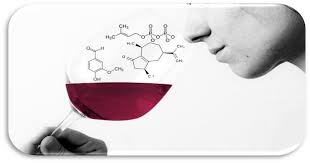
The attributes of a wine rely on the sensory acuity of the winemaker or the winemaker’s team. Depending on the winery operations or the style of wine made, the winemaker can be viewed as an expert creating an artisan wine or producing a commercial alcoholic beverage designed to appeal to many consumers.
The globalization of the wine market now enables more consumers to taste wines produced in foreign regions. Winemakers producing popular wines have been challenged by evolving consumer needs, values, and motivations for drinking wines, consumption habits, and greater product competition.
Sensory evaluation provides tools to assist winery operations by characterizing wine sensory properties, thus providing a better understanding of consumer preferences and designing better wine styles.
Read Also: The Nutritional Requirements and Deficiency Symptoms for Poultry Chickens
What is Sensory Analysis in Winemaking?
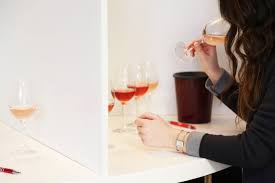
Sensory analysis, or sensory evaluation, is a scientific discipline that applies principles of experimental design and statistical analysis to the use of human senses (sight, smell, taste, touch, and hearing) for the purpose of evaluating consumer products.
The discipline requires panels of human assessors, on whom the products are tested, and recording the responses made by them. By applying statistical techniques to the results, it is possible to make inferences and gain insights about the products under test. Most large consumer companies have departments dedicated to sensory analysis.
Sensory analysis can mainly be broken down into 3 sub-sections:
- Effective testing (dealing with objective facts about products)
- Affective testing (dealing with subjective facts such as preferences)
- Perception (the biochemical and psychological aspects of sensation)
Effective Testing: Objective Analysis of Wine
This type of testing is concerned with obtaining objective facts about products. This could range from basic discrimination testing (e.g., do 2 or more products differ from each other?) to descriptive profiling (e.g., what are the characteristics of 2 or more products?). The type of panel required for this type of testing would normally be a trained panel.
Read Also: Layers or Broilers which One is More Profitable in Poultry Farming? Find Out!
Affective Testing: Understanding Consumer Preferences
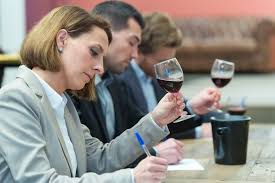
Also known as consumer testing, affective testing is a type of testing concerned with obtaining subjective data, or how well products are likely to be accepted. Usually, large panels (50 or more) of untrained personnel are recruited for this type of testing, although smaller focus groups can be utilized to gain insights into products. The range of testing can vary from simple comparative testing (e.g., which do you prefer, A or B?) to structured questioning regarding the magnitude of acceptance of individual characteristics (e.g., please rate the “fruity aroma”: dislike | neither | like).
Perception: The Science Behind Sensory Experience
Perception involves the biochemical and psychological theories relating to human (and animal) sensations. By understanding the mechanisms involved, it may be possible to explain why certain characteristics are preferred over others.
Frequently Asked Questions About Sensory Evaluation of Wine
1. What is sensory evaluation in the context of winemaking?
Sensory evaluation in winemaking is a scientific process that uses human senses (sight, smell, taste, touch, and hearing) to assess wine characteristics, helping winemakers understand consumer preferences and refine wine styles.
2. How does sensory analysis benefit winery operations?
Sensory analysis provides tools to characterize wine sensory properties, offering insights into consumer preferences and enabling the design of wine styles that align with market demands.
3. What are the main types of sensory analysis used in wine evaluation?
The main types are effective testing (objective analysis), affective testing (subjective consumer preferences), and perception (biochemical and psychological aspects of sensation).
4. What is the difference between effective and affective testing?
Effective testing focuses on objective facts about wine, such as differences or characteristics, using trained panels. Affective testing gathers subjective data on consumer acceptance, typically using untrained panels.
5. Who conducts sensory evaluations in wineries?
Sensory evaluations are conducted by trained panels for objective analysis or untrained consumer panels for subjective feedback, depending on the type of testing.
6. Why is perception important in sensory evaluation?
Perception studies the biochemical and psychological aspects of sensation, helping explain why certain wine characteristics are preferred, which informs winemaking decisions.
7. How has globalization impacted sensory evaluation in winemaking?
Globalization has expanded consumer access to wines from different regions, increasing competition and the need for sensory evaluation to meet evolving consumer preferences and values.
8. Can sensory evaluation be applied to other products besides wine?
Yes, sensory evaluation is a scientific discipline used across consumer products, with dedicated departments in large companies to assess products using human senses.
Do you have any questions, suggestions, or contributions? If so, please feel free to use the comment box below to share your thoughts. We also encourage you to kindly share this information with others who might benefit from it. Since we can’t reach everyone at once, we truly appreciate your help in spreading the word. Thank you so much for your support and for sharing!