


Field Scabious, scientifically known as Knautia arvensis, is a captivating wildflower that graces fields, meadows, and woodlands with its delicate yet striking presence. This exquisite perennial plant is a member of the Dipsacaceae family and is native to Europe and western Asia.
Field Scabious, also known by several charming common names such as "Blue Buttons" and "Gypsy Rose," is a herbaceous perennial plant renowned for its stunning blooms. The scientific name, Knautia arvensis, pays homage to the 18th-century German botanist, Dr. Christian Knaut, who made significant contributions to the field of botany. Field Scabious is a hardy plant, thriving in a wide range of habitats, from dry meadows to damp woodlands. Its enchanting appearance makes it a favorite subject of nature enthusiasts and a valuable addition to wildflower gardens.
Field Scabious possesses a unique charm that captures the imagination of all who encounter it. The plant typically grows to a height of 30 to 80 centimeters (12 to 31 inches) and produces branched stems adorned with composite flower heads.
Each flower head is a delightful masterpiece, consisting of numerous small, tubular, and star-shaped florets, ranging in color from pale lavender to deep purple. These intricate flowers are rich in nectar and attract a wide range of pollinators, including bees, butterflies, and hoverflies.
The leaves of Field Scabious are lance-shaped, deeply lobed, and covered in fine hairs, adding to the plant's overall texture and beauty. It's the combination of these charming features that makes Field Scabious an enchanting addition to natural landscapes and a sought-after subject for wildlife photographers and botanical artists.
Field Scabious plays a vital role in supporting local ecosystems and biodiversity. As a nectar-rich wildflower, it acts as a crucial food source for pollinators, especially bees and butterflies. Bees, in particular, are frequent visitors to the Field Scabious, and their foraging activities contribute to the pollination of this and other nearby plants. This, in turn, aids in the production of seeds and the overall health of the plant community.
🌿 Go Organic on Your Farm: Instead of harmful chemical pesticides and fertilisers, try our organic farming products — including neem oil spray, bio-pesticides, natural plant treatments, organic seeds and seedlings, suckers, and many more organic products that are safe for your health, your family, your soil and your harvest. Shop Now →
The plant's ecological significance extends beyond pollinators. Field Scabious is also a host plant for certain species of butterflies. For instance, the Small Copper (Lycaena phlaeas) butterfly lays its eggs on Field Scabious, and the caterpillars feed on its leaves. This unique relationship highlights the interconnectedness of species within an ecosystem and underscores the importance of preserving Field Scabious and its habitat.
Historical Uses and Folklore
Throughout history, Field Scabious has had various uses in traditional medicine and folklore. Its common name, "Scabious," suggests its historical application in treating skin conditions, particularly scabies.
The plant's roots were believed to have medicinal properties and were used in herbal remedies. However, it's important to note that modern medicine has far surpassed these historical uses, and Field Scabious is no longer employed for such purposes.
In folklore, Field Scabious has been associated with various beliefs and practices. In some cultures, it was thought to protect against evil spirits or ward off witches when hung above doorways. These associations reflect the deep-rooted connection between wildflowers like Field Scabious and the human imagination.
🔧 Free Farm Tool Available: Use our free Agric4Profits Farm Tools to calculate your farm profits, formulate feeds, identify pests and diseases on both your crops and animal farms, plan your planting and harvesting season, including many more farm tasks to get free expert advice and recommendations — completely free, no registration required. Access Free Tools →
Cultivation and Preservation
For those interested in cultivating Field Scabious, it's essential to consider its natural habitat. This plant thrives in well-drained soils in sunny or partially shaded locations. It's relatively low-maintenance once established, making it an excellent choice for wildflower gardens or natural landscaping projects. To encourage its growth and support local wildlife, consider planting it alongside other native wildflowers.
Preserving the natural habitats of Field Scabious is equally important. Human activities, including habitat destruction and climate change, pose significant threats to the plant's survival. Conservation efforts and the protection of meadows, woodlands, and other ecosystems where Field Scabious thrives are critical to ensure the continued presence of this captivating wildflower.
Field Scabious (Knautia arvensis) is a remarkable wildflower that enchants us with its striking beauty and ecological significance. Its intricate flower heads, role in supporting pollinators, historical uses, and cultivation potential make it a captivating subject of study and admiration. By appreciating and preserving the natural habitats where Field Scabious flourishes, we can ensure that future generations will have the opportunity to experience the enigmatic beauty of this charming wildflower in the wild.
The Botanical Description of Field Scabious
Field scabious, scientifically known as Knautia arvensis, is a perennial herbaceous plant belonging to the honeysuckle family, Caprifoliaceae. This wildflower is renowned for its delicate beauty and is a common sight in meadows, grasslands, and open woodlands. Here's a detailed overview of its botanical characteristics:
1. Plant Structure: Field scabious typically grows between 30 to 80 centimeters in height. It boasts slender, hairy stems that bear multiple flower heads. The plant's leaves are lance-shaped, deeply lobed, and have a rough texture, which gives rise to its name 'scabious.'
💬 Have a Farming Question? Join thousands of farmers across Africa on the Agric4Profits Community — ask questions, share experiences and connect with agricultural experts. It is completely free. Ask Your Question Now →
2. Flowers: The flowers of field scabious are striking and attract various pollinators. Each flower head consists of numerous tiny individual flowers, creating a dense, rounded cluster. The petals are usually a shade of lilac or purple, occasionally pink or white, and have a distinct tubular shape. The flowers bloom from early summer to autumn, adding vibrant hues to the natural landscape.
3. Roots and Rhizomes: Field scabious has a fibrous root system and often forms dense clumps due to its spreading rhizomes. These rhizomes allow the plant to propagate and establish colonies in suitable habitats.
4. Ecological Significance: This plant plays a crucial role in supporting biodiversity by providing nectar for butterflies, bees, and other pollinators. Its presence in natural habitats indicates a healthy ecosystem, making it a valuable component of wildflower meadows and gardens designed to attract wildlife.
The Geographic Distribution of Field Scabious
Field scabious is native to Europe and Western Asia, where it thrives in a variety of habitats. Its distribution is widespread, and it can be found in the following regions:
1. Europe: Field scabious is prevalent throughout Europe, including countries such as the United Kingdom, France, Germany, Spain, Italy, and Scandinavia. It is a common wildflower in meadows, grasslands, and woodland edges across the continent.
2. Asia: In Asia, field scabious can be found in regions of Western Asia, including parts of Turkey, the Caucasus, and Iran. It often grows in open forests and grassy clearings.
3. Naturalized Regions: Due to its ornamental value and ability to attract pollinators, field scabious has been introduced to other parts of the world and naturalized in regions like North America. In these areas, it often grows in gardens, parks, and roadside verges, enhancing the local biodiversity.
The Chemical Composition of Field Scabious
Field scabious possesses a diverse array of chemical compounds that contribute to its ecological interactions and potential medicinal properties. While comprehensive studies on its chemical composition are ongoing, some key constituents have been identified:
1. Flavonoids: Field scabious contains flavonoids, a group of polyphenolic compounds with antioxidant properties. These flavonoids play a role in protecting the plant from oxidative stress and are also beneficial to pollinators seeking nectar.
📖 Want to Go Deeper on This Topic?
Our expert agricultural ebooks cover poultry, fish farming, different crops production, snail farming, organic farming, mushrooms, sheep, cattle, flowers, pig farming, goat farming, agribusiness, etc. in practical step-by-step detail — written by agricultural professionals for African farmers.
Browse All Farming Ebooks →2. Triterpenoids: Triterpenoids are natural compounds found in field scabious. These compounds are known for their various biological activities, including anti-inflammatory and antimicrobial properties. Triterpenoids contribute to the plant's defense mechanisms against pathogens.
3. Alkaloids: While not as common as in some other plant species, field scabious may contain alkaloids, nitrogen-containing organic compounds. Alkaloids often serve as natural defense mechanisms, deterring herbivores from consuming the plant.
4.Essential Oils: Field scabious may produce essential oils, which can have aromatic and therapeutic properties. These oils are often responsible for the plant's distinctive scent and may have ecological roles in attracting specific pollinators.
The chemical composition of field scabious provides valuable insights into its ecological interactions, potential medicinal uses, and overall significance in natural ecosystems. Researchers continue to explore its compounds for various applications, further enhancing our understanding of this remarkable plant.
Read Also: Cocoyam Spathe: Economic Importance, Uses, and By-Products
The Medicinal Health Benefits Of Field Scabious (Knautia arvensis)
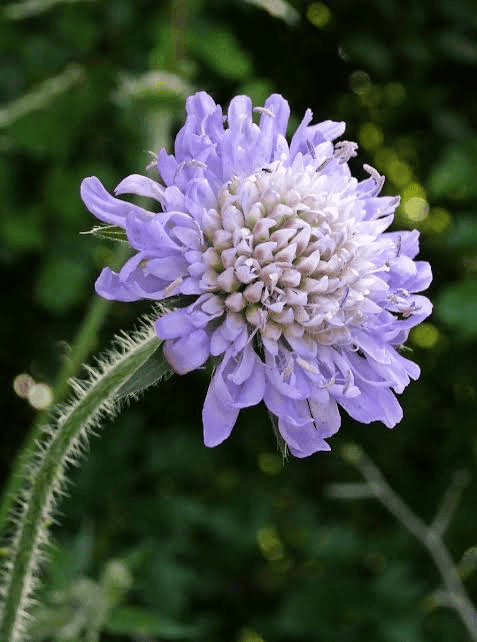
Field scabious, known scientifically as Knautia arvensis, is a remarkable plant with several medicinal health benefits. Here, we list and explain its significant contributions to human well-being:
1. Anti-Inflammatory Properties: Field scabious has been traditionally used to alleviate inflammation and soothe conditions like arthritis and joint pain. Its anti-inflammatory compounds can reduce discomfort and promote joint health.
2. Digestive Aid: Infusions made from field scabious have been known to aid digestion. The plant can help relieve common digestive issues, such as indigestion and bloating, by promoting a healthy digestive system.
3. Wound Healing: Field scabious has a history of use in wound care. Its leaves and roots can be applied topically to wounds and cuts to accelerate the healing process and prevent infections. This natural remedy can be particularly useful in the wilderness.
4. Skin Health: The plant's extracts have been used to address various skin conditions, including acne and eczema. Field scabious contains compounds that may help improve skin health and alleviate skin irritations.
5. Antioxidant Effects: Field scabious contains antioxidants that can protect cells from oxidative stress. Regular consumption of field scabious preparations may contribute to overall well-being by reducing the risk of chronic diseases associated with oxidative damage.
The Methods of Usage to Achieve the Provided Health Benefits Of Field Scabious (Knautia arvensis)
To harness the medicinal health benefits of field scabious effectively, it's essential to know the methods of usage. Here, we list and explain how to achieve the provided health benefits of this plant:
1. Infusions: Prepare a field scabious infusion by steeping the dried leaves or root in hot water. This herbal tea can be consumed to address digestive issues, promote anti-inflammatory effects, and enjoy its antioxidants. Drink it in moderation for optimal results.
2. Topical Applications: To utilize field scabious for wound healing and skin health, create a poultice. Crush the plant's leaves and apply them directly to the affected area. This can help with wound disinfection and accelerate the healing process.
3. Herbal Preparations: Field scabious is also available in the form of tinctures, ointments, and capsules. These products are convenient for those seeking its health benefits without the need for direct plant preparation. Follow the recommended dosage guidelines provided with the product.
4. Culinary Uses: Some cultures incorporate field scabious into their cuisine, particularly in salads and garnishes. While the medicinal effects may be milder when consumed this way, it's a pleasant and nutritious addition to meals.
The Side Effects Of Using Field Scabious Medicinal Plant
While field scabious offers numerous health benefits, it's essential to be aware of potential side effects and precautions:
1. Allergic Reactions: Some individuals may be sensitive or allergic to field scabious. It's advisable to perform a patch test before topical applications to ensure there are no adverse skin reactions.
2. Dosage Control: Excessive consumption of field scabious or its products may lead to digestive discomfort. Always follow recommended dosages and guidelines for use.
3.Consult a Healthcare Professional: If you are pregnant, nursing, taking medications, or have underlying health conditions, it's crucial to consult a healthcare professional before using field scabious for medicinal purposes.
4. Wild Harvesting: When harvesting field scabious in the wild, be sure to do so responsibly and ethically. Avoid over-harvesting to protect natural ecosystems.
Field scabious is a versatile and valuable medicinal plant with a rich history of use. When used mindfully and with an understanding of its benefits and potential side effects, it can be a valuable addition to your wellness routine.
Read Also: 5 Medicinal Health Benefits of Symphyotrichum Frondosum (Piedmont Aster)
The Scientific Research and Studies of Field Scabious (Knautia arvensis)
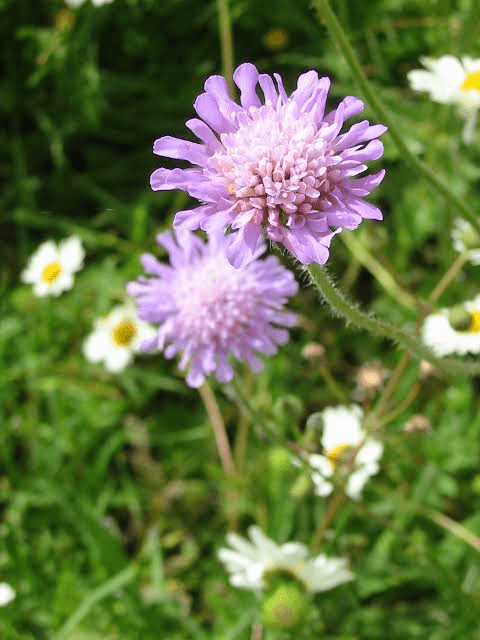
Scientific research and studies on field scabious, or Knautia arvensis, have revealed several interesting findings. Here, we list and explain some of the key outcomes:
1. Anti-Inflammatory Properties: Multiple studies have explored the anti-inflammatory effects of field scabious. Researchers have identified compounds within the plant that exhibit potential for reducing inflammation and related conditions.
2. Antioxidant Activity: Field scabious has been a subject of research due to its antioxidant properties. These antioxidants help protect cells from oxidative stress and may have applications in preventing chronic diseases.
3. Wound Healing: Studies have investigated the wound-healing properties of field scabious. The plant's ability to accelerate the healing process and its effectiveness in preventing infections have been of particular interest.
4. Gastrointestinal Health: Research has looked into field scabious' role in promoting gastrointestinal health. This includes its digestive aid properties and potential benefits for individuals with indigestion and related issues.
The Safety Precautions and Recommendations In Using Field Scabious (Knautia arvensis) Medicinal Plant
To use field scabious safely and effectively, it's crucial to follow certain precautions and recommendations. Here, we list and explain these safety measures:
1. Allergic Reactions: Some individuals may be allergic to field scabious. Perform a patch test before using it topically, especially for wound healing or skin applications, to ensure there are no adverse reactions.
2. Dosage Control: Exercise caution with dosages. Overconsumption of field scabious products may lead to digestive discomfort. Always follow recommended dosages and guidelines.
3. Consult a Healthcare Professional: If you are pregnant, nursing, taking medications, or have underlying health conditions, consult a healthcare professional before using field scabious for medicinal purposes. They can provide personalized guidance on its safety for your specific situation.
4. Responsible Harvesting: If harvesting field scabious in the wild, do so ethically and responsibly. Avoid over-harvesting to protect the natural ecosystem and ensure the sustainability of the plant.
FAQs About Field Scabious (Knautia arvensis) Medicinal Plant
Here are some frequently asked questions about the field scabious plant, along with detailed explanations:
1. Can I Consume Field Scabious as a Tea?
Yes, you can prepare an infusion with dried field scabious leaves or roots. It's a popular method to enjoy its digestive and anti-inflammatory benefits. However, ensure that you follow recommended dosages to avoid overconsumption.
2. Are There Any Known Drug Interactions with Field Scabious?
While field scabious is generally safe, it's advisable to consult a healthcare professional if you are taking medications. They can provide insights into potential interactions with specific drugs.
3. How Does Field Scabious Promote Wound Healing?
Field scabious contains compounds that can disinfect wounds and accelerate the healing process. Its anti-inflammatory and antimicrobial properties contribute to this effect.
4.Can Field Scabious Be Used for Skin Conditions?
Field scabious has been traditionally used to address skin conditions like acne and eczema. Its application as a poultice can help alleviate skin irritations and promote overall skin health.
5. Is Field Scabious Safe for Children?
While field scabious is generally safe for adults, it's essential to exercise caution when using it for children. Consult a healthcare professional for guidance on its safety and appropriate dosages for younger individuals.
Do you have any questions, suggestions, or contributions? If so, please feel free to use the comment box below to share your thoughts. We also encourage you to kindly share this information with others who might benefit from it. Since we can’t reach everyone at once, we truly appreciate your help in spreading the word. Thank you very much for your support and for sharing!
Disclaimer: This article is for educational and informational purposes only. The health benefits described are based on scientific research and traditional knowledge. They are not a substitute for professional medical advice, diagnosis, or treatment. Always consult a healthcare professional before using any herb or natural remedy for medical purposes.
Read Also: How to Develop an Effective Waste Management Strategy
🌱 Take Your Farming Further With Agric4Profits
Based on what you just read, here are free resources and products from Agric4Profits that can help your farm right now:
- 🛒 Visit Our Marketplace — Organic neem oil, bio-pesticides, seeds and farming products
- 📚 Read Premium Content — Advanced guides for serious and profitable farming
- 🎓 Join Our Free Academy — Structured free training for farmers across Africa
- 🔧 Use Our Free Farm Tools — Profit calculators, feed formulation, pest identifier and more
- 💬 Join Our Farming Community — Connect with farmers across all 54 African countries
- ❓ Ask a Farming Question — Get answers from experienced farmers and agricultural experts
Please cite this content in academic work, research, or publications.