


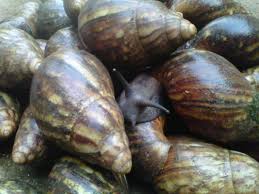
Sourcing, selection, and stocking of snails in the realm of heliciculture, or snail farming, involve a thoughtful and strategic process to ensure the success of the enterprise.
If you are looking for a business that you can start with very little capital and would have you raking in millions within a short time, then you should really start looking into snail farming .
In the past, the only way to get snails was to go into the bush and gardens to hunt them after a rainfall or at night. This was because most people did not know that snails could be reared domestically just like poultry and animals like chickens and goat.
Snail farming is a very interesting business not just because it’s a highly profitable business, but because it is easy and fun.
Sourcing, Selection and Stocking of Snails

Let’s now look into the key aspects of these stages for a clearer understanding;
1. Sourcing
Sourcing snails is the initial and crucial step in establishing a thriving snail farm. There are two primary methods for obtaining snails: wild collection and captive breeding.
Wild collection involves gathering snails from their natural habitat, while captive breeding entails obtaining snails from established snail farms or breeding centers. It’s essential to source healthy and disease-free snails to form the foundation of a robust snail population on the farm.
2. Selection
Once sourced, the selection process involves identifying and choosing snails with desirable characteristics for breeding. Key factors include size, shell quality, reproductive health, and resistance to diseases.
Typically, snails that are active, have well-formed shells, and are free from deformities are preferred for breeding purposes. This careful selection ensures the propagation of a robust and productive snail population on the farm.
3. Stocking
Stocking refers to the introduction of selected snails into the designated snailery or farming environment. Snaileries are constructed to mimic the natural habitat of snails, providing suitable conditions for their growth and reproduction.
Adequate spacing and environmental conditions, such as temperature and humidity, are crucial during the stocking phase. It’s important to monitor and manage stocking density to prevent overcrowding, as this can impact the health and growth of the snails.
Throughout these stages, attention to detail is paramount. Regular health checks, proper quarantine measures for newly sourced snails, and adherence to recommended breeding practices contribute to the overall success of the snail farming venture.
Additionally, providing a balanced and nutritious diet is essential for the well-being and optimal growth of the snail population.
Below are the recommended different sources of sourcing for the foundations of your snail stock, the selection processes and the recommended stocking density of snails for optimum performance.
Sources of the foundation of your snail stock
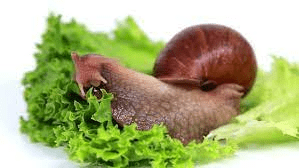
- Snail farmers
- Research Institutes.
- M a r k e t s
- Hawkers
- Direct from the bush
Advantages
- The age of the snail could be determined.
- The performance of the snails are known.
- The snails are already used to the system of rearing (Intensive system)
- The snail are well adapted to the environment.
Disadvantages
- The price may be higher than that of snails purchased from
- hawkers or obtained directly from the bush.
Read Also: The Most Suitable Species of Snails
Research Institutes
- Snails like the Giant African land snail to be used as foundation stock could also be purchased from Research Institutes like –
- Institute of Agric. Research and Training, Moor Plantation. (I.A.R.&.T.), Ibadan.
- The experts will also give necessary advice.
Markets
- Snails like giant snail could also be purchased from the markets. The buyer must be very careful when purchasing from the market because of the adaptability and future performance of the snailery. The market women do not take care of the snails in the market.
- The hawkers along the highway used to create hole in the shell and allow the rope to pass through the hole, this process has adverse effect on the future performance of the snail if bought from the hawkers.
- Direct from the bush: The price of other snails if bought from the person that collected them from bush directly is cheaper because no expenses is incurred by the gatherers.
Selection of Foundation Stock of Snail
- The snails like the giant African snail for instance must be healthy and active.
- The fleshy part should completely fill the shell.
- Snails of the same specie must be selected.
- The snails must be relatively of the same size.
- Snail with no shell damage is recommended.
- Consult experts or those that have been rearing snails in your locality especially for the choice of breed and necessary advice.
Recommended Stocking Density of Snail /M2
- 40 to 50 hatchlings
- 35 growing snails
- 10-15 adult snails
Protein Rich Feeds
Protein are obtained from animal or plant source. It is required for growth, maintenance of body parts and egg production, etc.
Frequently Asked Questions about Sourcing, Selection, and Stocking of Snails
1. What is the first step in establishing a snail farm?
The first step in establishing a snail farm is sourcing healthy and disease-free snails. This can be done through wild collection from their natural habitat or by obtaining snails from established snail farms or breeding centers to ensure a robust foundation for your snail population.
2. What are the key factors to consider when selecting snails for breeding?
When selecting snails for breeding, focus on size, shell quality, reproductive health, and disease resistance. Choose active snails with well-formed shells, free from deformities, to ensure a productive and healthy snail population.
3. What are the recommended sources for obtaining foundation snail stock?
Foundation snail stock can be sourced from snail farmers, research institutes like the Institute of Agricultural Research and Training (I.A.R.&T.) in Ibadan, markets, hawkers, or directly from the bush. Each source has its advantages and disadvantages, such as cost and adaptability.
4. Why is it important to avoid snails from hawkers?
Hawkers often create holes in snail shells to string them, which can negatively affect the snails’ future performance and health. This makes them less suitable for breeding compared to snails from reputable farms or research institutes.
5. What is the recommended stocking density for snails?
The recommended stocking density per square meter is 40 to 50 hatchlings, 35 growing snails, or 10 to 15 adult snails. Proper stocking density prevents overcrowding, which can impact snail health and growth.
6. What environmental conditions are crucial during the stocking phase?
During the stocking phase, maintain adequate spacing, temperature, and humidity in the snailery to mimic the snails’ natural habitat. These conditions are essential for their growth and reproduction.
7. Why is a balanced diet important for snails?
A balanced and nutritious diet is essential for the well-being and optimal growth of snails. It supports their health, reproduction, and overall productivity on the farm.
8. What precautions should be taken when sourcing snails?
Regular health checks and proper quarantine measures for newly sourced snails are critical to prevent disease introduction. Adhering to recommended breeding practices also ensures the success of the snail farming venture.
Related: Factors that affect African Land Snails Survival
Wow… Thank u for this piece.. God bless you
Smiles… Thank you so much Sir
I’m glad i could help