


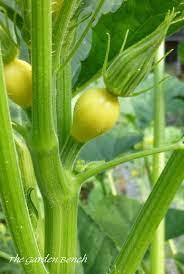
Squash stem, also known as the "squash vine," is a crucial part of the squash plant, which is a member of the gourd family. The stem serves several important functions for the plant's growth, development, and overall health. The stem provides structural support for the plant, allowing it to grow upright and bear the weight of leaves, flowers, and fruits. It also serves as a conduit for transporting water, nutrients, and sugars between different parts of the plant.
While leaves are the primary site for photosynthesis, stems also contain chlorophyll and can conduct a limited amount of photosynthesis. This process involves converting light, water, and carbon dioxide into energy and sugars that fuel the plant's growth. The stem can store nutrients, carbohydrates, and water, serving as a reservoir that helps sustain the plant during periods of stress or drought. This stored energy is crucial for the plant's survival and growth.
The squash stem is essential for the reproduction of the plant. It supports the growth of flowers and subsequent development of fruit, which contains the seeds necessary for the next generation of plants. Some squash varieties can sprout new shoots or roots from the stem, enabling the plant to regenerate if parts of it are damaged or if it experiences stress.
It is worth noting that the squash stem is vulnerable to certain diseases, pests, and environmental factors that can affect the overall health and productivity of the plant. Proper care and maintenance, including regular monitoring for signs of issues, are essential to ensure a healthy squash plant and a successful harvest.
The Economic Importance and Uses of Squash Stem
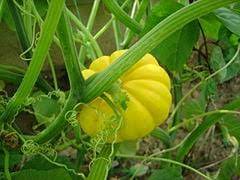
Squash stems have several economic importance and uses, particularly in the agricultural, culinary, and industrial sectors. Here are some of the key uses and economic importance of squash stems:
1. Propagation: Squash stems are used for propagating new squash plants through a process called stem cutting. This technique helps in the efficient and cost-effective multiplication of desirable squash varieties.
🌿 Go Organic on Your Farm: Instead of harmful chemical pesticides and fertilisers, try our organic farming products — including neem oil spray, bio-pesticides, natural plant treatments, organic seeds and seedlings, suckers, and many more organic products that are safe for your health, your family, your soil and your harvest. Shop Now →
2. Composting: Squash stems are rich in organic matter and nutrients, making them valuable for composting. They contribute to improving soil structure and fertility, enhancing overall agricultural productivity.
3. Livestock Feed: Squash stems can be utilized as supplementary feed for livestock, including cattle and goats. The stems provide fiber and some nutrients to the animals, reducing the demand for other feed sources.
4. Food Preparation: The tender parts of squash stems, especially the tips and young shoots, are edible and can be used in various culinary dishes. They are commonly used in stir-fries, soups, stews, and salads, adding a unique flavor and texture to the dishes.
5. Fiber Production: Squash stems can be processed to extract fibers that can be used in the manufacturing of paper, textiles, and other fiber-based products. The fibers obtained from squash stems can be blended with other natural or synthetic fibers to create durable and versatile materials.
🔧 Free Farm Tool Available: Use our free Agric4Profits Farm Tools to calculate your farm profits, formulate feeds, identify pests and diseases on both your crops and animal farms, plan your planting and harvesting season, including many more farm tasks to get free expert advice and recommendations — completely free, no registration required. Access Free Tools →
Read Also: Squash Fruit: Economic Importance, Uses, and By-Products
6. Biofuel Production: Squash stems, along with other organic plant materials, can be utilized in the production of biofuels such as ethanol. This contributes to the renewable energy sector and helps reduce dependency on non-renewable energy sources.
7. Herbal Remedies: In traditional medicine, certain parts of the squash stem are used for their medicinal properties. They may be used to treat various ailments, including digestive issues, skin conditions, and inflammation, owing to their potential anti-inflammatory and antioxidant properties.
8. Garden Structures: Squash stems can be used to create natural trellises or supports for growing other plants like cucumbers, beans, or even additional squash plants. This utilization aids in maximizing garden space and enhancing plant growth.
9. Mulching: Squash stems can be chopped and used as mulch around plants. Mulching helps in conserving soil moisture, suppressing weeds, and improving overall soil health and fertility.
💬 Have a Farming Question? Join thousands of farmers across Africa on the Agric4Profits Community — ask questions, share experiences and connect with agricultural experts. It is completely free. Ask Your Question Now →
The Products and By-products That Can Be Derived From Squash Stem
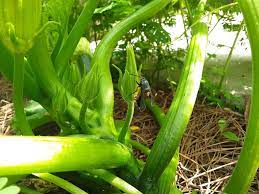
Squash stems, like those from various types of squash such as pumpkin, zucchini, and butternut squash, have potential uses and can yield various products and by-products.
Here's a list and explanation of some of them:
1. Fiber for Textiles and Crafts: Squash stems can be processed to extract natural fibers. These fibers can be used in the production of textiles or for crafting purposes, such as making ropes or baskets.
2. Biofuel Production: Squash stems can be used as a biomass feedstock for biofuel production. The stems can be converted into biofuels like ethanol through processes like fermentation or chemical conversion.
3. Animal Feed: Squash stems, after appropriate processing and preparation, can be used as part of animal feed. They can provide nutritional value to livestock, particularly ruminants like cattle.
4. Compost and Organic Fertilizer: Squash stems can be composted along with other organic matter to create nutrient-rich compost. This compost can be used to improve soil fertility and structure in gardens and agricultural fields.
5. Soil Erosion Control: Ground-up or shredded squash stems can be used to create a mulch that helps prevent soil erosion. This is particularly useful in agricultural settings and landscaping.
6. Biodegradable Packaging Material: Squash stems can be processed into biodegradable packaging material. The fibrous structure of the stems can be used to create packaging products that are eco-friendly and decompose naturally.
Read Also: Dates Stamen: Economic Importance, Uses and By-Products
📖 Want to Go Deeper on This Topic?
Our expert agricultural ebooks cover poultry, fish farming, different crops production, snail farming, organic farming, mushrooms, sheep, cattle, flowers, pig farming, goat farming, agribusiness, etc. in practical step-by-step detail — written by agricultural professionals for African farmers.
Browse All Farming Ebooks →7. Natural Dyes: Extracts from squash stems can be used to produce natural dyes for textiles and crafts. The colors obtained can vary depending on the squash variety and processing methods.
8. Phytochemical Extraction: Squash stems can be a source of phytochemicals, which are compounds with potential health benefits. Extracts from squash stems may be used for medicinal or cosmetic purposes due to their antioxidant or anti-inflammatory properties.
9. Garden Mulch: Chopped or ground squash stems can be used as garden mulch. Mulching with squash stems can help retain soil moisture, suppress weeds, and improve overall soil health.
10. Biodegradable Plant Pots: Squash stems can be fashioned into biodegradable pots for starting seedlings. These pots can be planted directly into the ground, reducing transplant shock and minimizing waste.
11. Educational and Artistic Materials: Squash stems can be used in educational settings or arts and crafts projects as unique and natural materials for various activities and creations.
12. Potpourri and Aromatics: Dried squash stems can be incorporated into potpourri or used to infuse a natural and pleasant aroma into rooms or products.
In conclusion, squash stems have economic importance and various uses ranging from agricultural propagation and composting to culinary applications, industrial uses, traditional medicine, and gardening. Their versatility and potential contribute to sustainability and resource utilization in multiple sectors.
Read Also: Computer Recycling Complete Beginners Guide
🌱 Take Your Farming Further With Agric4Profits
Based on what you just read, here are free resources and products from Agric4Profits that can help your farm right now:
- 🛒 Visit Our Marketplace — Organic neem oil, bio-pesticides, seeds and farming products
- 📚 Read Premium Content — Advanced guides for serious and profitable farming
- 🎓 Join Our Free Academy — Structured free training for farmers across Africa
- 🔧 Use Our Free Farm Tools — Profit calculators, feed formulation, pest identifier and more
- 💬 Join Our Farming Community — Connect with farmers across all 54 African countries
- ❓ Ask a Farming Question — Get answers from experienced farmers and agricultural experts
Please cite this content in academic work, research, or publications.