


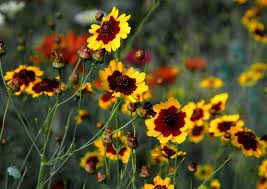
Plains Coreopsis, scientifically known as Plains Coreopsis tinctoria, is a vibrant and charming wildflower that not only graces the plains with its beauty but also offers a range of medicinal benefits.
Plains Coreopsis, often referred to as Golden Tickseed or Calliopsis, is a native wildflower that thrives in the vast expanse of North America's prairies. Its botanical name, Coreopsis tinctoria, is derived from the Greek words koris (meaning bedbug) and opsis (meaning resembling). This name may allude to the flower's seed, which is thought to resemble a bedbug or tick.
Historically, Plains Coreopsis has been appreciated for its aesthetic qualities. Native American tribes used the plant to make natural dyes for textiles, thanks to its vibrant, golden-yellow flowers. The plant played a significant role in the cultural and economic aspects of various indigenous communities.
Today, Plains Coreopsis is not only valued for its ornamental appeal but also for its potential health benefits. Let's begin our exploration by understanding the botanical description of this remarkable wildflower.
The Botanical Description of Plains Coreopsis
Plains Coreopsis boasts a distinctive appearance that makes it easily recognizable. Here, we'll delve into the plant's key botanical characteristics:
1. Growth Habitat: Plains Coreopsis is an annual wildflower that thrives in a variety of habitats, particularly open prairies, meadows, and roadsides. It has adapted to different soil types and can be found in regions with well-drained soil.
🌿 Go Organic on Your Farm: Instead of harmful chemical pesticides and fertilisers, try our organic farming products — including neem oil spray, bio-pesticides, natural plant treatments, organic seeds and seedlings, suckers, and many more organic products that are safe for your health, your family, your soil and your harvest. Shop Now →
2. Height and Stem: This wildflower typically reaches a height of 1 to 3 feet. Its stem is slender, erect, and covered with fine hairs, giving it a slightly rough texture.
3. Majani: The leaves of Plains Coreopsis are pinnately divided and have a feathery appearance. They are alternately arranged along the stem and are deeply lobed. The leaves are bright green in color.
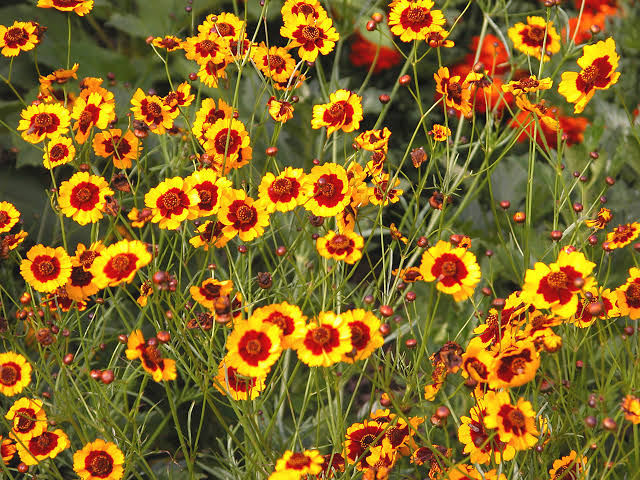
4. Maua: Plains Coreopsis is best known for its striking, daisy-like flowers. Each flower has a vibrant golden-yellow center surrounded by bright red or maroon-colored petals. The petals may have red stripes or markings, adding to their visual appeal. The flowers have a diameter of about 1 to 2 inches.
5. Inflorescence: The flowers of Plains Coreopsis are borne in loose clusters, creating a beautiful and eye-catching display of colors. These clusters can contain multiple flower heads.
🔧 Free Farm Tool Available: Use our free Agric4Profits Farm Tools to calculate your farm profits, formulate feeds, identify pests and diseases on both your crops and animal farms, plan your planting and harvesting season, including many more farm tasks to get free expert advice and recommendations — completely free, no registration required. Access Free Tools →
6. Fruit and Seeds: After pollination, the plant produces small, slender, cylindrical achenes (dry, one-seeded fruits). These seeds are typically dark brown and are dispersed as the plant dries and the seeds are released.
7. Blooming Period: Plains Coreopsis blooms from late spring to early summer, and sometimes into the fall. It attracts pollinators such as bees and butterflies with its nectar-rich flowers.
8. Medicinal Properties: While primarily valued for its ornamental and dye-producing qualities, Plains Coreopsis also has potential medicinal properties. It contains compounds that are being explored for their health benefits.
The Geographic Distribution of Plains Coreopsis
Plains Coreopsis, scientifically known as Coreopsis tinctoria, is a wildflower with a wide geographic distribution. It is primarily native to North America, where it can be found in various regions. Here, we will explore the plant's geographic range and the diverse areas it inhabits.
Plains Coreopsis is known for its adaptability and can thrive in a range of environmental conditions. Its geographic distribution includes the following areas:
💬 Have a Farming Question? Join thousands of farmers across Africa on the Agric4Profits Community — ask questions, share experiences and connect with agricultural experts. It is completely free. Ask Your Question Now →
1. Amerika Kaskazini: Plains Coreopsis is native to North America and is commonly found in the United States and Canada. In the United States, it is distributed across a broad swath of the country, from the central plains to the eastern and western coasts. It is particularly abundant in states like Texas, Oklahoma, and Kansas.
2. Open Prairies: This wildflower is often associated with open prairies and meadows. It prefers habitats with well-drained soil and plenty of sunlight. It is well-suited to the expansive grasslands and prairies of North America.
3.Roadsides: Plains Coreopsis is known for its ability to thrive along roadsides, where it adds a pop of color to the landscape. Its adaptability to disturbed areas contributes to its presence along highways and rural roads.
4. Gardens and Landscaping: Due to its striking and vibrant flowers, Plains Coreopsis has found its way into gardens and landscaping. It is cultivated as an ornamental plant in various regions, not only for its visual appeal but also for its role in supporting pollinators.
5. Other Countries: While native to North America, Plains Coreopsis has also been introduced to other countries, where it is cultivated as an ornamental plant. Its bright and attractive flowers have made it a popular choice for gardeners and landscapers in Europe and other parts of the world.
The geographic distribution of Plains Coreopsis reflects its adaptability and capacity to flourish in diverse environments. Its presence in open prairies, roadsides, and gardens underscores its versatility and its significance as a charming and ecologically valuable wildflower.
The Chemical Composition of Plains Coreopsis
Understanding the chemical composition of Plains Coreopsis provides valuable insights into its potential medicinal properties and other uses. While it is primarily known for its ornamental and dye-producing qualities, certain chemical compounds in the plant are of interest for their potential health benefits. Here, we will explore the key components of Plains Coreopsis:
1. Flavonoids: Plains Coreopsis contains various flavonoids, which are natural compounds known for their antioxidant properties. Flavonoids can help protect the body's cells from oxidative damage and inflammation.
2. Alkaloids: Alkaloids are a group of nitrogen-containing compounds found in Plains Coreopsis. These compounds are known for their diverse biological activities and have been studied for their potential pharmacological effects.
📖 Want to Go Deeper on This Topic?
Our expert agricultural ebooks cover poultry, fish farming, different crops production, snail farming, organic farming, mushrooms, sheep, cattle, flowers, pig farming, goat farming, agribusiness, etc. in practical step-by-step detail — written by agricultural professionals for African farmers.
Browse All Farming Ebooks →3. Terpenoids: Terpenoids are organic compounds found in many plants, and Plains Coreopsis is no exception. Terpenoids play a role in the plant's defense mechanisms and may have therapeutic properties.
4. Mafuta muhimu: Plains Coreopsis is known to contain essential oils, which can have aromatic and potentially medicinal properties. These oils contribute to the plant's fragrance and are sometimes used in traditional remedies.
5. Tannins: Tannins are a class of compounds that can have astringent properties. They are often found in plants and may have applications in traditional medicine.
It's important to note that while Plains Coreopsis contains these chemical compounds, further research is needed to fully understand their potential health benefits and applications. The plant is primarily valued for its ornamental and dye-producing qualities, but its chemical composition holds promise for future exploration.
The Harvesting and Processing of Plains Coreopsis
Plains Coreopsis, with its vibrant flowers and potential medicinal properties, can be harvested and processed for various purposes. Here, we will delve into the harvesting and processing techniques associated with this remarkable wildflower:
1. Harvesting Flowers: The most visually striking part of Plains Coreopsis is its flowers. These can be harvested when they are in full bloom. It's important to choose flowers that are free from damage or disease.
2. Drying Flowers: Once harvested, the flowers can be dried. Drying helps preserve the vibrant colors and allows the flowers to be stored for future use. Flowers can be dried by hanging them upside down in a well-ventilated area.
3. Ukusanyaji wa Mbegu: Plains Coreopsis produces small seeds within its dried flower heads. These seeds can be collected for propagation or for other purposes.
4. Extraction of Essential Oils: Plains Coreopsis contains essential oils in its plant parts. These oils can be extracted for their aromatic properties and potential use in perfumes, aromatherapy, or traditional remedies.
5.Dye Production: Historically, Plains Coreopsis was valued for its ability to produce natural dyes. The flowers can be used to create dyes with vibrant yellow and red hues. To produce a dye, the flowers are typically boiled, and the resulting liquid is used to color textiles or other materials.
The harvesting and processing of Plains Coreopsis can vary depending on the intended use. Whether it's for ornamental purposes, traditional remedies, or dye production, the plant offers a range of possibilities. As we continue our exploration, we will uncover the medicinal health benefits of Plains Coreopsis, shedding light on its potential applications in natural health and wellness.
Soma Pia: Matunda ya Boga: Umuhimu wa Kiuchumi, Matumizi, na Bidhaa-Baadaye
The Medicinal Health Benefits of Plains Coreopsis (Coreopsis tinctoria)
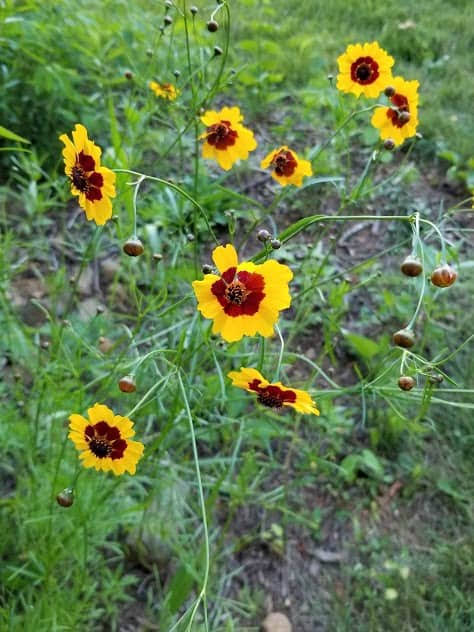
Plains Coreopsis, scientifically known as Coreopsis tinctoria, is not only a visually captivating wildflower but also a plant with potential medicinal health benefits. Its historical uses and traditional remedies have shed light on its therapeutic properties. Let's delve into the various medicinal health benefits offered by Plains Coreopsis:
1. Sifa za Kuzuia Uvimbe: Plains Coreopsis has been traditionally used for its anti-inflammatory properties. Compounds found in the plant may help reduce inflammation and provide relief from conditions such as joint pain and arthritis.
2. Msaada wa usagaji chakula: The plant has been used to alleviate digestive issues. It may help with indigestion, bloating, and other gastrointestinal discomforts. Preparations made from Plains Coreopsis are believed to have a soothing effect on the digestive system.
3. Antibacterial and Antifungal Effects: Some studies suggest that Plains Coreopsis may have antibacterial and antifungal properties. This makes it valuable for addressing certain skin conditions and infections when used topically.
4. Usaidizi wa Mfumo wa Kinga: Plains Coreopsis contains compounds that could support the immune system. Regular consumption or use of the plant may help enhance the body's natural defense mechanisms.
5. Pain Relief: The plant's analgesic properties have been employed to alleviate pain, whether it's related to headaches, muscle aches, or other discomforts. It is used in traditional remedies as a natural pain reliever.
6. Menstrual Pain Relief: Plains Coreopsis has been used by some cultures to alleviate menstrual cramps and discomfort. It may help relax uterine muscles and reduce pain during menstruation.
7. Afya ya Ngozi: Preparations made from Plains Coreopsis have been applied to the skin to address skin irritations, rashes, and other dermatological issues. Its potential antibacterial properties may contribute to skin health.
8. Afya ya Kupumua: In traditional medicine, Plains Coreopsis has been used to address respiratory conditions such as coughs and bronchitis. It may help soothe the throat and relieve respiratory discomfort.
9. Sedative Properties: The plant is known for its mild sedative effects, which can promote relaxation and reduce anxiety. It has been used to help manage stress and induce a calm state of mind.
10. Antioxidant Benefits: Plains Coreopsis contains antioxidants that can help protect the body's cells from oxidative damage. This is valuable for overall health and well-being.
It's essential to note that while Plains Coreopsis has a history of traditional use for these health benefits, further scientific research is needed to validate and understand the full extent of its medicinal properties. As with any herbal remedy, it's advisable to consult with a healthcare professional before using Plains Coreopsis for therapeutic purposes.
The Methods of Usage to Achieve the Provided Health Benefits of Plains Coreopsis
To harness the medicinal health benefits of Plains Coreopsis, various methods of usage have been employed over the years. Here, we will explore the different approaches to make the most of this versatile plant:
1. Uingizaji wa mitishamba: One common way to utilize Plains Coreopsis is by making an herbal infusion.Dried flowers and leaves can be steeped in hot water to create a soothing tea. This method is often used for its anti-inflammatory and digestive benefits.
2. Poultices: Plains Coreopsis inaweza kutumika topically kwa kujenga poultices. The crushed or ground plant material is applied to the skin to address skin irritations, wounds, or infections. Its potential antibacterial properties are particularly valuable in this application.
3. Tinctures: Tinctures are alcohol-based extracts of Plains Coreopsis. They are prepared by macerating the plant material in alcohol. Tinctures are used for their concentrated medicinal properties and can be taken in small doses.
4. Mafuta muhimu: Plains Coreopsis contains essential oils with aromatic and potentially therapeutic properties. These oils can be extracted and used in aromatherapy, massages, or added to bath water for relaxation.
5. Vidonge na Virutubisho: In some cases, Plains Coreopsis is available in capsule or supplement form. These provide a convenient way to access its health benefits, especially for those who prefer a standardized dosage.
6. Matumizi ya upishi: While primarily used for medicinal purposes, Plains Coreopsis has been incorporated into culinary creations. Its vibrant petals are sometimes used to garnish salads or desserts.
7. Smoking Blends: In certain traditional practices, Plains Coreopsis has been included in smoking blends for its mild sedative effects.
8. Inhalation: The aromatic qualities of Plains Coreopsis make it suitable for inhalation through methods like aromatherapy. Kuvuta pumzi ya harufu yake kunaweza kusaidia kuleta utulivu.
It's important to use Plains Coreopsis with care and to consult with a healthcare professional, especially if you have underlying health conditions or are pregnant or nursing. The methods of usage should be chosen based on the specific health benefit you seek to achieve.
The Side Effects of Using Plains Coreopsis Medicinal Plant
While Plains Coreopsis offers a range of potential health benefits, it's essential to be aware of possible side effects or contraindications associated with its use. Here, we will discuss the side effects that may occur when using Plains Coreopsis as a medicinal plant:
1. Athari za Mzio: Some individuals may be sensitive or allergic to Plains Coreopsis. Allergic reactions may manifest as skin rashes, itching, or respiratory symptoms. Ikiwa utapata majibu yoyote ya mzio, acha kutumia mara moja.
2. Photosensitivity: Plains Coreopsis ina misombo ambayo inaweza kufanya ngozi kuwa nyeti zaidi kwa mwanga wa jua. If applied topically, it's advisable to avoid sun exposure to prevent skin irritation or sunburn.
3. Ugonjwa wa Utumbo: In some cases, the plant's digestive benefits may not be well-tolerated by all individuals. It could lead to gastrointestinal discomfort, such as stomach upset or diarrhea.
4. Mwingiliano na Dawa: Plains Coreopsis may interact with certain medications, particularly those with anti-inflammatory or sedative effects. It's important to consult with a healthcare professional if you are taking other medications concurrently.
5. Mimba na Uuguzi: Wanawake wajawazito na wanaonyonyesha wanapaswa kutumia Plains Coreopsis kwa tahadhari. Madhara yake juu ya misuli ya uterasi inaweza kuwa wasiwasi wakati wa ujauzito.
6. Sedation: Plains Coreopsis is known for its mild sedative properties. Excessive use may lead to drowsiness or reduced alertness. Avoid activities that require focus and attention when using it in high doses.
7. Dosage: Like any herbal remedy, the dosage of Plains Coreopsis should be carefully monitored. Matumizi ya kupita kiasi yanaweza kusababisha athari zisizohitajika.
It's crucial to exercise caution and moderation when using Plains Coreopsis for its health benefits. If you experience any adverse reactions, seek medical attention promptly. Additionally, consult with a healthcare professional before incorporating Plains Coreopsis into your health and wellness routine, especially if you have underlying health conditions or are taking medications.
Soma Pia: General Purpose of Plant Analysis as a Diagnostic Tool
Scientific Research and Studies of Plains Coreopsis
Scientific research and studies on Plains Coreopsis, or Coreopsis tinctoria, have shed light on the plant's potential medicinal properties and its impact on human health. These investigations have provided valuable insights into the plant's chemical composition, health benefits, and safety. Here, we will explore some of the key scientific findings related to Plains Coreopsis:
1. Muundo wa Kemikali: Studies have identified various compounds in Plains Coreopsis, including flavonoids, alkaloids, and essential oils. These chemical constituents are believed to contribute to the plant's therapeutic properties.
2. Shughuli ya Kuzuia Uvimbe: Utafiti has suggested that Plains Coreopsis exhibits anti-inflammatory properties. This could make it valuable for conditions characterized by inflammation, such as arthritis or inflammatory skin disorders.
3. Athari za Antioxidant: The presence of antioxidants in Plains Coreopsis has been documented. Antioxidants help protect the body's cells from oxidative damage, which is linked to various chronic diseases.
4. Uthibitishaji wa Maarifa ya Jadi: Scientific studies have aimed to validate the traditional uses of Plains Coreopsis. This research provides a scientific basis for the plant's historical role in addressing health issues.
5. Urekebishaji wa Mfumo wa Kinga: Some studies have explored Plains Coreopsis's potential in modulating the immune system. This research may have implications for immune-related conditions and overall health.
6. Analgesic Properties: Investigations have examined the analgesic properties of Plains Coreopsis. This property may be responsible for the plant's use as a natural pain reliever.
7. Safety Profile: Scientific studies have assessed the safety of Plains Coreopsis when used for medicinal purposes. Understanding its safety profile is crucial for responsible usage.
8. Madhara ya Utumbo: Utafiti has delved into Plains Coreopsis's effects on the gastrointestinal system. This is particularly relevant for its traditional use in addressing digestive issues.
9. Afya ya Ngozi: Masomo have explored Plains Coreopsis's potential in promoting skin health and addressing skin conditions. The plant's antibacterial properties may contribute to these effects.
It's important to note that while scientific research provides valuable insights, further studies are needed to fully understand Plains Coreopsis's medicinal potential and its specific mechanisms of action. As with any herbal remedy, it's advisable to consult with a healthcare professional before using Plains Coreopsis for therapeutic purposes, especially if you have underlying health conditions.
Safety Precautions and Recommendations in Using Plains Coreopsis Medicinal Plant
While Plains Coreopsis has the potential to offer various health benefits, it's essential to use it with care and take specific safety precautions. Here are some recommendations for the safe use of Plains Coreopsis as a medicinal plant:
1. Mzio: Before using Plains Coreopsis, perform a patch test to check for any allergic reactions. Apply a small amount to a small area of skin and monitor for any adverse effects.
2. Kipimo: Tumia Plains Coreopsis kwa kiasi. Excessive use may lead to unwanted side effects, including gastrointestinal discomfort and sedation.
3. Sun Exposure: If using Plains Coreopsis topically, be aware of its potential photosensitizing effects. Avoid direct sun exposure after applying preparations containing Plains Coreopsis to the skin.
4. Mwingiliano wa Dawa: If you are taking medications, especially anti-inflammatory or sedative drugs, consult with a healthcare professional before using Plains Coreopsis. There may be potential interactions.
5.Mimba na Uuguzi: Wanawake wajawazito na wanaonyonyesha wanapaswa kutumia Plains Coreopsis kwa tahadhari kutokana na athari zake kwenye misuli ya uterasi. Wasiliana na mtoa huduma ya afya kabla ya kutumia.
6. Watoto na Wanyama Kipenzi: Weka Plains Coreopsis na maandalizi yake mbali na watoto na wanyama vipenzi ili kuzuia kumeza au kuguswa kwa bahati mbaya.
7. Ubora wa Nyenzo za Kupanda: Hakikisha kwamba Plains Coreopsis inayotumiwa ni ya ubora wa juu na haina uchafu. Nunua kutoka kwa vyanzo vinavyoaminika.
8. Wasiliana na Mtaalamu wa Afya: Kabla ya kutumia Plains Coreopsis kwa masuala mahususi ya kiafya, wasiliana na mtaalamu wa afya ili kuhakikisha kuwa ni suluhisho linalofaa kwa mahitaji yako binafsi.
9. Fuatilia Madhara: Zingatia sana madhara yoyote unapotumia Plains Coreopsis. Ikiwa utapata athari mbaya, acha kutumia na utafute ushauri wa matibabu.
Kumbuka kwamba usalama wa Plains Coreopsis unaweza kutofautiana kutoka kwa mtu hadi mtu, na matumizi ya kuwajibika ni muhimu ili kuzuia athari zisizohitajika. Kushauriana na mtaalamu wa afya kunapendekezwa sana, haswa ikiwa una hali za kiafya au unatumia dawa.
Maswali Yanayoulizwa Mara kwa Mara Kuhusu Kiwanda cha Dawa cha Plains Coreopsis
Q1. Majina ya kawaida ya Plains Coreopsis ni nini?
Plains Coreopsis inajulikana kwa majina mbalimbali, ikiwa ni pamoja na Calliopsis, Golden Tickseed, na Plains Tickseed.
Q2. Je, Plains Coreopsis hutumiwaje kwa madhumuni ya matibabu?
Plains Coreopsis hutumiwa katika aina mbalimbali, kama vile infusions za mitishamba, poultices, tinctures, na mafuta muhimu. Inaweza kuliwa kama chai au kutumika kwa mada ili kushughulikia maswala mahususi ya kiafya.
Q3. Je, kuna vikwazo vyovyote vinavyojulikana kwa matumizi ya Plains Coreopsis?
Plains Coreopsis inaweza kuwa haifai kwa watu walio na mizio ya mmea. Inapaswa kutumiwa kwa tahadhari wakati wa ujauzito na uuguzi kutokana na athari zake zinazowezekana kwenye misuli ya uterasi. Ushauri wa mtaalamu wa afya unapendekezwa kabla ya matumizi.
Q4. Je! Plains Coreopsis inaweza kutumika kushughulikia hali ya ngozi?
Plains Coreopsis inaaminika kuwa na mali ya antibacterial na imekuwa ikitumika jadi kushughulikia muwasho wa ngozi na maambukizo. Hata hivyo, majibu ya mtu binafsi yanaweza kutofautiana, na inapaswa kutumika kwa tahadhari.
Q5. Je! Plains Coreopsis ni salama kwa watoto na kipenzi?
Plains Coreopsis na maandalizi yake yanapaswa kuwekwa mbali na watoto na wanyama wa kipenzi ili kuzuia kumeza au kugusa kwa bahati mbaya.
Q6. Ninaweza kupata wapi Plains Coreopsis kwa matumizi ya dawa?
Plains Coreopsis inapatikana kutoka kwa wauzaji wa mitishamba na maduka ya mtandaoni. Ni muhimu kuipata kutoka kwa watoa huduma wanaojulikana ili kuhakikisha ubora na usafi wake.
Q7. Ni kipimo gani kinachopendekezwa kwa Plains Coreopsis?
Kipimo cha Plains Coreopsis kinaweza kutofautiana kulingana na aina ya matumizi na wasiwasi mahususi wa kiafya. Inashauriwa kuanza na dozi ndogo na kuongeza polepole inapohitajika, chini ya mwongozo wa mtaalamu wa afya.
Q8. Je, Plains Coreopsis inaweza kutumika pamoja na mimea au dawa nyingine?
Plains Coreopsis inaweza kuingiliana na dawa fulani, haswa zile zilizo na athari za kuzuia uchochezi au kutuliza. Wasiliana na mtaalamu wa afya kabla ya kuitumia pamoja na vitu vingine.
Q9. Je, Plains Coreopsis inapaswa kutumika kwa muda gani kwa madhumuni ya matibabu?
Muda wa matumizi unaweza kutofautiana kulingana na hali ya afya. Inashauriwa kutumia Plains Coreopsis kwa muda mahususi unaopendekezwa na mtaalamu wa afya au hadi manufaa ya afya unayotaka yapatikane.
Q10. Je, kuna tafiti zozote zinazoendelea zinazohusiana na Plains Coreopsis na sifa zake za kimatibabu?
Utafiti kuhusu Plains Coreopsis unaendelea, ukilenga kuelewa zaidi muundo wake wa kemikali, manufaa ya kiafya na usalama. Uchunguzi wa kisayansi unaendelea kuchunguza uwezekano wa matumizi ya matibabu ya mmea huu wa dawa.
Je, una maswali yoyote, mapendekezo, au michango? Ikiwa ndivyo, tafadhali jisikie huru kutumia kisanduku cha maoni hapa chini kushiriki mawazo yako.Pia tunakutia moyo kushiriki habari hii kwa fadhili na wengine ambao wanaweza kufaidika nayo. Kwa kuwa hatuwezi kufikia kila mtu kwa wakati mmoja, tunathamini sana usaidizi wako katika kueneza habari. Asante sana kwa msaada wako na kwa kushiriki!
Kanusho: Makala haya ni kwa madhumuni ya elimu na habari pekee. Faida za kiafya zilizoelezewa zinatokana na utafiti wa kisayansi na maarifa ya jadi. Sio mbadala wa ushauri wa kitaalamu wa matibabu, utambuzi, au matibabu. Daima wasiliana na mtaalamu wa afya kabla ya kutumia mimea au dawa yoyote ya asili kwa madhumuni ya matibabu.
Soma Pia: Government Waste Management Programs: Keeping Our World Clean and Healthy
🌱 Take Your Farming Further With Agric4Profits
Based on what you just read, here are free resources and products from Agric4Profits that can help your farm right now:
- 🛒 Visit Our Marketplace — Organic neem oil, bio-pesticides, seeds and farming products
- 📚 Read Premium Content — Advanced guides for serious and profitable farming
- 🎓 Join Our Free Academy — Structured free training for farmers across Africa
- 🔧 Use Our Free Farm Tools — Profit calculators, feed formulation, pest identifier and more
- 💬 Join Our Farming Community — Connect with farmers across all 54 African countries
- ❓ Ask a Farming Question — Get answers from experienced farmers and agricultural experts
Please cite this content in academic work, research, or publications.