


Tangerine and Mandarin Sepals are typically small, green, and slightly elongated. They surround the base of the flower and help protect the petals and reproductive structures as the flower bud develops. The sepals might have a slightly pointed or rounded tip, and they usually have a texture similar to that of other citrus fruits.
Mandarin sepals are quite similar to tangerine sepals since mandarins are a type of tangerine. They are also green and protective in nature, covering and supporting the flower bud. The sepals of mandarins might have slight variations in size and shape, depending on the specific mandarin variety.
It is important to note that the terms "tangerine" and "mandarin" are often used interchangeably in common language, and there is some confusion around their precise botanical definitions. Tangerines are a subgroup of mandarins and are known for being a specific type of mandarin with loose, easily peelable skin and a sweet flavor. The exact characteristics of these sepals can vary slightly based on the variety of the fruit, but they generally serve the same purpose in both types of citrus fruits.
Sepals are the outermost part of a flower's reproductive structure, collectively known as the calyx. They protect the developing flower bud and are usually green and leaf-like in appearance.
The Economic Importance and Uses of Tangerine and Mandarin Sepals
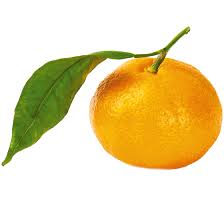
Tangerines and mandarins are both citrus fruits that belong to the same Citrus genus. While the economic importance of the fruit itself is well-known, the sepals (the leaf-like structures at the base of the petals) also have some potential uses and economic significance, although they are not typically as widely utilized as the fruit.
Here are the economic importance and uses of tangerine and mandarin sepals:
🌿 Go Organic on Your Farm: Instead of harmful chemical pesticides and fertilisers, try our organic farming products — including neem oil spray, bio-pesticides, natural plant treatments, organic seeds and seedlings, suckers, and many more organic products that are safe for your health, your family, your soil and your harvest. Shop Now →
1. Culinary Uses: Tangerine and mandarin sepals are not commonly consumed as a primary food source, unlike the fruit. However, they can be used in culinary applications to add flavor and aroma to dishes. Sepals contain essential oils that contribute to the overall citrus fragrance. They might be used sparingly in recipes that require a subtle citrus note, similar to using citrus zest.
2. Aromatics and Essential Oils: The sepals of tangerines and mandarins contain essential oils, which are valuable in the fragrance and flavor industries. These oils can be extracted and used in perfumes, colognes, and other scented products. The aromatic compounds in the sepals contribute to the characteristic citrus scent of these fruits.
3. Traditional Medicine: In some traditional medicine systems, citrus fruits and their various parts, including sepals, are believed to have medicinal properties. Sepals might be used in herbal preparations or as an ingredient in traditional remedies. However, scientific evidence supporting these claims might be limited.
4. Decorative and Ornamental Use: Tangerine and mandarin sepals can be visually appealing due to their bright colors and unique shapes. They might be used for decorative purposes, such as in floral arrangements or as garnishes for food and beverages, enhancing the overall presentation.
🔧 Free Farm Tool Available: Use our free Agric4Profits Farm Tools to calculate your farm profits, formulate feeds, identify pests and diseases on both your crops and animal farms, plan your planting and harvesting season, including many more farm tasks to get free expert advice and recommendations — completely free, no registration required. Access Free Tools →
Read Also: Tangerine and Mandarin Pith: Economic Importance, Uses and By-Products
5. Research and Exploration: While not a direct economic use, studying the chemical composition of citrus sepals and their potential applications could lead to new discoveries in areas such as natural fragrances, food additives, and traditional medicine. Researchers might explore the chemical compounds present in the sepals and determine if they have any practical applications beyond their aesthetic and aromatic qualities.
6. Experimental Applications: Innovative culinary and beverage industries might experiment with tangerine and mandarin sepals to create unique flavors and products. Chefs and mixologists could explore using sepals in experimental recipes, infusions, or beverages to offer a distinct twist to their creations.
7. Potential Nutritional Value: While sepals are not commonly consumed, they might contain some nutritional value, including vitamins, minerals, and antioxidants. Research into their nutritional content could uncover potential health benefits, although this area is not extensively studied.
8. Environmental Uses: Sepals, like many organic materials, can contribute to composting and soil enrichment. They can be added to compost piles to decompose and release nutrients back into the soil, promoting healthier plant growth. This could indirectly impact agricultural practices.
💬 Have a Farming Question? Join thousands of farmers across Africa on the Agric4Profits Community — ask questions, share experiences and connect with agricultural experts. It is completely free. Ask Your Question Now →
9. Cultural and Traditional Uses: In cultures where tangerines and mandarins hold symbolic or traditional significance, sepals might be used in rituals, ceremonies, or festivals. Their vibrant colors and association with citrus fruits could make them valuable in cultural practices.
10. Limited Commercial Applications: While not widely exploited, there might be niche markets for tangerine and mandarin sepals. For example, boutique fragrance companies or artisanal food producers might incorporate sepals into their products to emphasize natural and unique qualities.
The Products and By-products That Can Be Derived From Tangerine and Mandarin Sepals
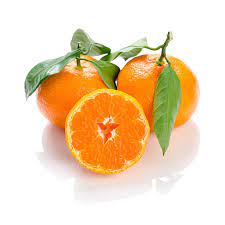
Tangerines and mandarins are citrus fruits known for their sweet and tangy flavor. While the fruit itself is the primary product, various parts of these fruits, including the sepals, can be utilized to produce different products and by-products. Sepals are the leaf-like structures that protect the developing fruit in the bud.
1. Flavorings: The essential oils extracted from tangerine and mandarin sepals can be used as natural flavorings in various food and beverage products. They can enhance the taste and aroma of candies, baked goods, beverages, and even savory dishes.
2. Aromatherapy: The essential oils derived from the sepals can be used in aromatherapy practices. They are believed to have mood-enhancing and relaxation-inducing properties. They are often used in diffusers, massage oils, and bath products.
3. Cosmetics and Toiletries: Tangerine and mandarin essential oils can be incorporated into cosmetics and toiletries such as soaps, shampoos, lotions, and creams. Their refreshing scent and potential skin benefits make them popular ingredients in skincare and personal care products.
4. Natural Cleaners: The antimicrobial and antiseptic properties of tangerine and mandarin essential oils make them suitable for use in natural cleaning products. They can be added to surface cleaners, air fresheners, and laundry detergents.
Read Also: Tangerine and Mandarin Flowers: Economic Importance, Uses and By-Products
5. Medicinal Uses: While not a direct by-product of tangerine and mandarin sepals, certain compounds found in their essential oils might have potential health benefits. These include antioxidant, anti-inflammatory, and anti-stress properties. However, it's important to note that the therapeutic use of these oils should be approached with caution and under the guidance of a qualified healthcare professional.
📖 Want to Go Deeper on This Topic?
Our expert agricultural ebooks cover poultry, fish farming, different crops production, snail farming, organic farming, mushrooms, sheep, cattle, flowers, pig farming, goat farming, agribusiness, etc. in practical step-by-step detail — written by agricultural professionals for African farmers.
Browse All Farming Ebooks →6. Potpourri and Sachets: Dried tangerine and mandarin sepals can be used in potpourri blends or placed in sachets to add fragrance to closets, drawers, and rooms. They can also serve as natural air fresheners.
7. Decorative Crafts: Dried sepals can be used in various craft projects. They can be incorporated into wreaths, table centerpieces, and other decorative items due to their vibrant color and unique shape.
8. Herbal Teas: In some cultures, tangerine and mandarin sepals are used to make herbal teas. These teas might offer a mild citrus flavor and could potentially contain some of the aromatic compounds found in the essential oils.
9. Compost and Mulch: After the extraction of essential oils, the residual sepals can be composted or used as organic mulch for gardening. This contributes to soil enrichment and moisture retention.
10. Essential Oils: Tangerine and mandarin sepals contain essential oils that are rich in aromatic compounds. These essential oils can be extracted through processes like steam distillation. They are commonly used in perfumery, aromatherapy, and flavoring due to their pleasant citrus aroma and potential health benefits.
In conclusion, while the economic importance of tangerine and mandarin sepals is modest compared to the fruits themselves, there are various potential uses that range from culinary and aromatic applications to potential health benefits. However, these uses are often explored on a smaller scale or remain largely untapped due to the prominence of the fruits in the citrus industry. As interest in natural products, traditional remedies, and unique culinary experiences grows, the utilization of citrus sepals might evolve and expand.
Read Also: A Comprehensive Guide To Circular Economy Consulting
🌱 Take Your Farming Further With Agric4Profits
Based on what you just read, here are free resources and products from Agric4Profits that can help your farm right now:
- 🛒 Visit Our Marketplace — Organic neem oil, bio-pesticides, seeds and farming products
- 📚 Read Premium Content — Advanced guides for serious and profitable farming
- 🎓 Join Our Free Academy — Structured free training for farmers across Africa
- 🔧 Use Our Free Farm Tools — Profit calculators, feed formulation, pest identifier and more
- 💬 Join Our Farming Community — Connect with farmers across all 54 African countries
- ❓ Ask a Farming Question — Get answers from experienced farmers and agricultural experts
Please cite this content in academic work, research, or publications.