


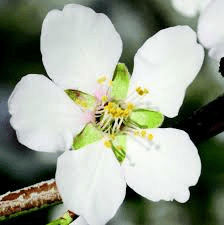
Almond petals are the delicate and beautiful flowers of the almond tree. These flowers are small in size, approximately 2.5 cm in diameter, and bloom in early spring before the leaves appear on the tree. The almond tree belongs to the Rosaceae family, which includes other popular fruit trees such as peaches, plums, and cherries.
The petals of the almond flower have a pale pink or white hue and are arranged in clusters on the branches of the tree. Each individual petal is tear-shaped with a pointed tip and a slightly wavy edge. The flowers have five petals and are hermaphrodite, meaning they contain both male and female reproductive organs. The petals have a slight fragrance and are pollinated by bees and other insects.
The almond tree is native to the Mediterranean region and has been cultivated for thousands of years. The flowers play a crucial role in the production of almonds, as they are the first stage of the pollination process. After the flowers are pollinated, they produce small green fruits that mature into the hard-shelled almond nut that we know and love.
In addition to their important role in almond production, almond petals have been used for various medicinal purposes throughout history. Some traditional medicine practitioners have used almond petals to treat respiratory ailments, such as coughs and colds, due to their anti-inflammatory properties.
They have also been used to treat skin conditions, such as eczema and psoriasis, due to their moisturizing and soothing properties.
Furthermore, research has shown that almond petals contain antioxidants, such as flavonoids and phenolic acids, which have been linked to various health benefits. These antioxidants help to protect the body against oxidative stress, which is associated with numerous chronic diseases, such as cancer and heart disease.
🌿 Go Organic on Your Farm: Instead of harmful chemical pesticides and fertilisers, try our organic farming products — including neem oil spray, bio-pesticides, natural plant treatments, organic seeds and seedlings, suckers, and many more organic products that are safe for your health, your family, your soil and your harvest. Shop Now →
Almond petals are also used in the cosmetic industry for their moisturizing properties. Almond oil, which is extracted from the nuts of the almond tree, is a popular ingredient in many skincare products due to its ability to nourish and hydrate the skin. The petals themselves are sometimes used in face masks and other cosmetic treatments for their soothing and rejuvenating effects.
Almond petals are the delicate and beautiful flowers of the almond tree. They play a crucial role in the production of almonds, but also have a rich history of medicinal use and are a source of antioxidants and other beneficial compounds. Whether you are admiring their beauty or reaping their health benefits, almond petals are certainly worth appreciating.
The Economic Importance and Uses of Almond Petals
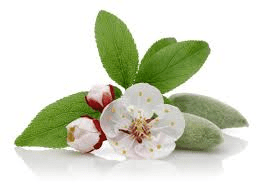
Almond petals are the delicate, fragrant petals of the almond blossom. They are commonly used for culinary, medicinal, and cosmetic purposes. Here are 18 economic importance and uses of almond petals:
1. Culinary: Almond petals are used in cooking for their delicate flavor and aroma. They are often used to make almond syrup, almond cakes, and other desserts.
🔧 Free Farm Tool Available: Use our free Agric4Profits Farm Tools to calculate your farm profits, formulate feeds, identify pests and diseases on both your crops and animal farms, plan your planting and harvesting season, including many more farm tasks to get free expert advice and recommendations — completely free, no registration required. Access Free Tools →
2. Medicinal: Almond petals have been used for centuries in traditional medicine to treat various ailments. They are known to have anti-inflammatory, anti-bacterial, and anti-viral properties.
3. Perfumery: Almond petals are used in perfumes and fragrances for their sweet, floral scent. They are often blended with other floral scents such as jasmine and rose.
4. Cosmetics: Almond petals are used in cosmetics for their moisturizing and nourishing properties. They are often used in lotions, creams, and soaps.
5. Tea: Almond petals are used to make almond blossom tea, which has a mild, sweet flavor and is known for its calming properties.
6. Decoration: Almond petals are often used as a decoration for cakes, cupcakes, and other desserts. They add a beautiful, delicate touch to any dish.
💬 Have a Farming Question? Join thousands of farmers across Africa on the Agric4Profits Community — ask questions, share experiences and connect with agricultural experts. It is completely free. Ask Your Question Now →
7. Wedding traditions: In some cultures, almond petals are used in wedding traditions. For example, in Greece, the bride and groom are showered with almond petals as they exit the church.
8. Essential oils: Almond petals are used to make almond essential oil, which is known for its calming and relaxing properties. It is often used in aromatherapy and massage therapy.
9. Medicine: Almond petals are used in traditional medicine to treat various ailments such as coughs, colds, and respiratory infections.
10. Skincare: Almond petals are used in skincare products for their moisturizing and anti-aging properties. They are often used in facial masks, toners, and serums.
11. Haircare: Almond petals are used in haircare products for their nourishing and strengthening properties. They are often used in shampoos, conditioners, and hair masks.
12. Natural dye: Almond petals can be used as a natural dye for fabric and paper. They produce a beautiful, pale pink color.
13. Almond milk: Almond petals are used to make almond milk, which is a nutritious alternative to dairy milk. It is often used in vegan and vegetarian cooking.
14. Aromatherapy: Almond petals are used in aromatherapy for their calming and relaxing properties. They are often used in diffusers and candles.
15. Soapmaking: Almond petals are used in soapmaking for their moisturizing and exfoliating properties. They add a beautiful, natural touch to handmade soaps.
📖 Want to Go Deeper on This Topic?
Our expert agricultural ebooks cover poultry, fish farming, different crops production, snail farming, organic farming, mushrooms, sheep, cattle, flowers, pig farming, goat farming, agribusiness, etc. in practical step-by-step detail — written by agricultural professionals for African farmers.
Browse All Farming Ebooks →16. Almond flour: Almond petals can be used to make almond flour, which is a popular gluten-free alternative to wheat flour.
17. Almond oil: Almond petals are used to make almond oil, which is known for its moisturizing and nourishing properties. It is often used in massage oils and bath products.
18. Almond extract: Almond petals are used to make almond extract, which is a popular flavoring for baked goods and desserts.
Read Also: 18 Medicinal Health Benefits Of Ground Elder (Aegopodium podagraria)
The Products and By-products That Can Be Derived From Almond Petals
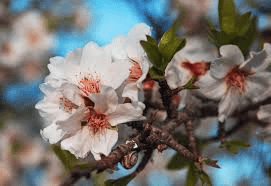
Almond petals can be used to produce a variety of products and by-products. Here are 17 examples and processes of the products and by-products that can be derived from almond petals:
1. Almond syrup: Almond petals are used to make almond syrup, which is a sweet, flavorful syrup that can be used to flavor drinks and desserts.
2. Almond paste: Almond petals can be ground into a fine powder and mixed with sugar and water to make almond paste, which is a popular ingredient in baking.
3. Almond butter: Almond petals can be ground into a fine powder and mixed with oil to make almond butter, which is a nutritious alternative to peanut butter.
4. Almond milk: Almond petals are used to make almond milk, which is a nutritious, dairy-free alternative to milk.
5. Almond flour: Almond petals can be ground into a fine powder to make almond flour, which is a popular gluten-free alternative to wheat flour.
6. Almond oil: Almond petals are used to make almond oil, which is a popular ingredient in cosmetics and skincare products.
7. Almond essential oil: Almond petals are used to make almond essential oil, which is a popular ingredient in aromatherapy and massage therapy.
8. Almond extract: Almond petals are used to make almond extract, which is a popular flavoring for baked goods and desserts.
9. Almond soap: Almond petals are used to make almond soap, which is a natural, moisturizing soap that is gentle on the skin.
10. Almond tea: Almond petals are used to make almond tea, which is a mild, sweet tea that is known for its calming properties.
11. Almond blossom honey: Almond petals are used to produce almond blossom honey, which is a sweet, floral honey that is popular in cooking and baking.
12. Almond blossom water: Almond petals are used to make almond blossom water, which is a fragrant, floral water that is used in cooking and cosmetic products.
13. Almond blossom vinegar: Almond petals are used to make almond blossom vinegar, which is a sweet, tangy vinegar that is popular in cooking and salad dressings.
14. Almond blossom liqueur: Almond petals are used to make almond blossom liqueur, which is a sweet, fragrant liqueur that is popular in cocktails and desserts.
15. Almond blossom oil: Almond petals are used to make almond blossom oil, which is a fragrant oil that is used in perfumes and cosmetic products.
16. Almond blossom tea candles: Almond petals are used to make almond blossom tea candles, which are beautiful, fragrant candles that are popular for aromatherapy and relaxation.
17. Almond blossom potpourri: Almond petals are used to make almond blossom potpourri, which is a fragrant mixture of dried flowers and spices that is used to scent homes and spaces.
Read Also: Buy your Grafted Hybrid Wambugu Apple Seedlings
Frequently Asked Questions (FAQ’s) About Almond Petals
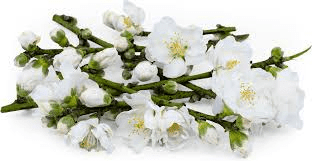
Here are 10 frequently asked questions (FAQ’s) about almond petals:
1. What are almond petals? Almond petals are the delicate, fragrant petals of the almond blossom.
2. What are the uses of almond petals? Almond petals are used for culinary, medicinal, and cosmetic purposes. They are often used to make almond syrup, almond cakes, and other desserts. They are also used in traditional medicine to treat various ailments and in cosmetics for their moisturizing and nourishing properties.
3. Are almond petals safe to eat? Yes, almond petals are safe to eat and are often used in cooking and baking.
4. Are almond petals toxic to pets? Yes, almond petals can be toxic to pets if ingested in large quantities. It is important to keep them out of reach of pets.
5. Where can I buy almond petals? Almond petals can be purchased online or at specialty food stores.
6. How do I store almond petals? Almond petals should be stored in an airtight container in a cool, dry place.
7. Can almond petals be used in tea? Yes, almond petals can be used to make almond blossom tea, which has a mild, sweet flavor and is known for its calming properties.
8. Are almond petals gluten-free? Yes, almond petals are gluten-free and can be used to make almond flour, which is a popular gluten-free alternative to wheat flour.
9. What is almond blossom honey? Almond blossom honey is a sweet, floral honey that is produced from the nectar of almond blossoms.
10. How are almond petals harvested? Almond petals are harvested by hand in the early spring when the almond trees are in bloom. The petals are carefully plucked from the blossoms and then dried for use in various products.
Read Also: The Impact Of Hazardous Waste Disposal in Los Angeles
🌱 Take Your Farming Further With Agric4Profits
Based on what you just read, here are free resources and products from Agric4Profits that can help your farm right now:
- 🛒 Visit Our Marketplace — Organic neem oil, bio-pesticides, seeds and farming products
- 📚 Read Premium Content — Advanced guides for serious and profitable farming
- 🎓 Join Our Free Academy — Structured free training for farmers across Africa
- 🔧 Use Our Free Farm Tools — Profit calculators, feed formulation, pest identifier and more
- 💬 Join Our Farming Community — Connect with farmers across all 54 African countries
- ❓ Ask a Farming Question — Get answers from experienced farmers and agricultural experts
Please cite this content in academic work, research, or publications.