


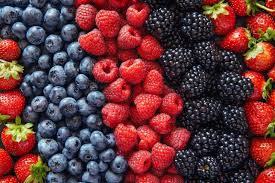
Anthocyanins (also known as anthocyans) are a type of flavonoid, a class of compounds with antioxidant effects. Found naturally in a number of foods, anthocyanins are the pigments that give red, purple, and blue plants their rich coloring. In addition to acting as antioxidants and fighting free radicals, anthocyanins may offer anti-inflammatory, anti-viral, and anti-cancer benefits.
They can also be referred to as water-soluble vacuolar pigments that, depending on their pH, may appear red, purple, blue, or black. Food plants rich in anthocyanins include the blueberry, raspberry, black rice, and black soybean, among many others that are red, blue, purple, or black.
All brightly coloured fruit and vegetables contain antioxidants – compounds which play a key role in protecting our bodies – but many naturally purple-coloured foods contain a certain antioxidant called anthocyanin. These are beneficial plant pigments which give fruit and veg their deep red, purple or blue hues.
They are naturally occurring pigments belonging to the group of flavonoids, a subclass of the polyphenol family. They are common components of the human diet, as they are present in many foods, fruits and vegetables, especially in berries and red wine.
There were more studies conducted on effect of processing and storage on changes and stability of colors of anthocyanins in foods such as fruits and also for their use as natural colorants.
Aside from apples, anthocyanins can also be found in foods and fruits like: berries, red onions, kidney beans, pomegranates, grapes (including wine), tomatoes, acai, bilberry, chokeberry, elderberry, and tart cherries. They act as antioxidants both in the foodstuffs in which they are found and in the organism that take in foods rich in anthocyanins.
In herbal medicine, anthocyanin-rich substances have long been used to treat a number of conditions involving blood vessel health, including chronic venous insufficiency, high blood pressure, and diabetic retinopathy.
They have also been used to treat a number of other conditions, including colds and urinary tract infections. Recent research also suggests that anthocyanins may help fend off major health problems, including heart disease and cancer.
Read Also: Amazing Health Benefits of Pineapple Peels
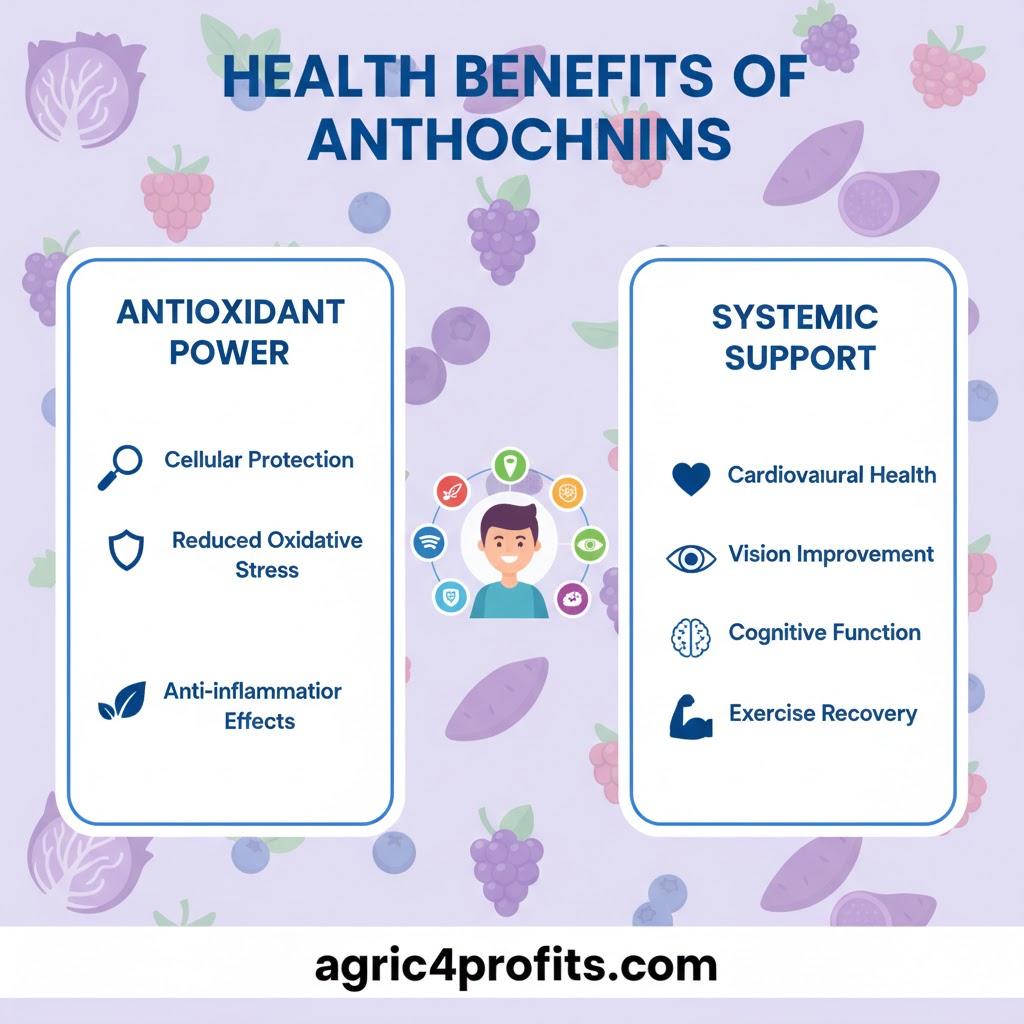
Health Benefits of Anthocyanins
Many dietitians are well aware of the benefits fruits and vegetables provide, but few may know the actual names and types of the disease-fighting compounds they contain that are so important for good health.
Anthocyanins, a particular group of compounds, are one of the more than 6,000 members of the flavonoid family of polyphenol phytochemicals found in various plant foods. In addition to anthocyanins, the flavonoid group includes flavanols, flavones, flavanones, flavan-3-ols, and isoflavones.
The pigments have been used in folk medicine for generations, but only recently the specific pharmacological properties of these compounds have been isolated and studied.
There are many aspects to anthocyanins’ role in the body that remain a mystery, such as bioactivity, uptake, absorption, bioavailability, and distribution in the tissues. But laboratory research as well as studies in animals and humans have suggested that anthocyanins may play important roles in helping reduce the risk of cardiovascular disease (CVD), cognitive decline, and cancer.
The role of anthocyanins in the prevention of these diseases has been linked to their antioxidant properties, but research now suggests that anthocyanins’ health benefits likely result from unidentified chemical properties beyond their antioxidant capacity.
Here’s a look at several key findings on anthocyanins and their health effects below:
(1) Heart Disease
It may enhance heart health, according to a 2010 report published in Nutrition Reviews. The report’s authors note that it appear to improve cholesterol levels and blood sugar metabolism, as well as fight oxidative stress (a process known to play a role in heart disease).
(2) High Blood Pressure
Dietary intake of anthocyanins may also help prevent high blood pressure (a major risk factor for heart disease), according to a 2011 study from the American Journal of Clinical Nutrition.
(3) Cancer
It may aid in the prevention of breast cancer, according to a laboratory study published in Phytotherapy Research in 2010. In test-tube experiments, scientists showed that it’s extracts from blueberries helped inhibit the growth of breast cancer cells. However, a study published in 2017 said that more research is needed to find any affect on cancer.
(4) Cognitive Function
With regard to cognitive function, research suggests that flavonoids, including anthocyanins, have the ability to enhance memory and help prevent age-related declines in mental functioning.
Read Also: How to Cultivate Grafted Wambugu Apples
Foods that contain Anthocyanins

Now let us discuss about the different foods that contain anthocyanins in details below. According to research, anthocyanins are found in high concentrations in blackcurrants, blackberries and blueberries, as well as in aubergine (in the skin), red cabbage, cranberries and cherries.
(1) Blueberries
Blueberries are a useful source of vitamin C, which helps protect cells and aids the absorption of iron, and contain soluble fibre, which is beneficial to the digestive system. Read more about the health benefits of blueberries.
A study in the European Journal of Nutrition found that a supplement containing dried blueberry powder improved brain power in children aged 7 to 10. Research from Tufts University suggests that consuming a blueberry supplement may be effective in improving or delaying short-term memory loss in rats.
However, the NHS points out that the existing studies into how blueberries might prevent cancer or improve memory have so far relied on small sample groups or animals, and it is not yet clear whether these findings will translate to larger groups of the human population.
(2) Pomegranate

Somewhere between red and purple, the jewel-like colour of pomegranate is a consequence of its anthocyanin content. Pomegranate is a good source of fibre, and also provides vitamins A, C and E, iron, and other antioxidants such as tannins.
One study found that pomegranate helped to strengthen bones and prevent osteoporosis in mice through decreased inflammation and oxidative stress.
Another study found that consuming 50ml of pomegranate juice per day reduced damage to arteries and cut cholesterol build-up in people with narrowed arteries.
A further study found that a daily glass of pomegranate juice improved blood flow to the heart, resulting in a lower risk of heart attack. However, the NHS points out that as it was a very limited trial these positive results could have been down to chance.
(3) Purple sweet potato

Purple sweet potatoes have recently been in the media spotlight. They are commonly eaten on the Japanese island of Okinawa, which is home to an exceptionally healthy elderly population – with a large number over the age of 100, and rates of dementia reported to be up to 50% lower than in the West.
Some scientists think that the large quantities of purple sweet potato in their diet plays a key role in keeping their bodies and brains healthy well into old age. However, to date, there are not many studies into the health benefits of the purple sweet potato, and it’s impossible to say that the Okinawan’s longevity is down to this one food alone.
(4) Beetroot

Beetroot’s deep purple colour comes from plant chemicals called betalains. Like anthocyanins, betalains have antioxidant and anti-inflammatory properties. You can also find betalains in the stems of chard and rhubarb but it’s the flesh and skin of beetroots which are especially rich in them.
Beetroot is also a good source of vitamins and minerals, including folate, iron, manganese and potassium. They’re also nitrate-rich, which contributes to many of beetroot’s perceived health benefits. For example, a study from 2013 found that consuming beetroot juice was linked with lower blood pressure. Beetroot juice has also been found to moderately improve athletic performance.
Another study has suggested that a diet that includes beetroot juice may increase blood flow to the brain, which some have interpreted to mean it may help prevent or improve dementia.
However, as the NHS points out, these findings are limited by the fact that it was based on a very small sample size of 16 elderly people over an extremely short interval. This means that much more evidence is needed before we can conclusively say that beetroot juice aids cognitive function.
Read Also: Recommended Equipment and Tools Needed in Snail Farming Business
Scientific Evidence and Case Studies on Anthocyanins
1. Cardiovascular Disease: Increased consumption of anthocyanins is linked to lower risk of cardiovascular disease through improved endothelial function, reduced oxidative stress, and better cholesterol levels.
2. Heart Health and Blood Pressure: Dietary anthocyanins help prevent high blood pressure and enhance heart health by improving blood sugar metabolism and fighting oxidative stress.
3. Cancer Prevention: Anthocyanins show potential in inhibiting cancer cell growth, particularly in breast and gastrointestinal cancers, based on in vitro and animal studies.
4. Cognitive Function: Anthocyanins enhance memory, improve general cognition, and help prevent age-related cognitive decline, with benefits observed in clinical trials and meta-analyses.
5. Anti-Inflammatory and Gut Health: Anthocyanins reduce inflammation, improve gut microbiota balance, and increase short-chain fatty acids, supporting overall health against age-related diseases.
Summary of Anthocyanins
| Aspect | Description |
|---|---|
| What are Anthocyanins | Water-soluble pigments in the flavonoid family, responsible for red, purple, and blue colors in plants; powerful antioxidants with anti-inflammatory, anti-viral, and potential anti-cancer properties. |
| Main Sources | Berries (blueberries, blackberries, cranberries), pomegranate, purple sweet potato, beetroot, red cabbage, grapes, cherries, black rice, and other red/purple fruits and vegetables. |
| Key Health Benefits | Support heart health by improving cholesterol, blood pressure, and reducing CVD risk; aid cognitive function and memory; show potential in cancer prevention; provide anti-inflammatory and antioxidant effects. |
| Traditional Uses | Used in herbal medicine for blood vessel health, chronic venous insufficiency, high blood pressure, diabetic retinopathy, colds, and urinary tract infections. |
| Scientific Insights | Benefits extend beyond antioxidants to other mechanisms; supported by lab, animal, and human studies, though some require more large-scale confirmation. |
Frequently Asked Questions
1. What are anthocyanins?
Anthocyanins are a type of flavonoid and natural pigments that give many fruits and vegetables their red, purple, and blue colors, acting as strong antioxidants in the body.
2. What foods are richest in anthocyanins?
Foods richest in anthocyanins include blueberries, blackberries, cranberries, pomegranate, purple sweet potatoes, beetroot, red cabbage, cherries, grapes, and black rice.
3. Do anthocyanins help with heart health?
Yes, anthocyanins support heart health by improving cholesterol levels, blood sugar metabolism, reducing oxidative stress, and helping prevent high blood pressure.
4. Can anthocyanins prevent cancer?
Anthocyanins show potential in preventing certain cancers, such as breast and gastrointestinal types, by inhibiting cancer cell growth in lab and animal studies, though more human research is needed.
5. How do anthocyanins benefit brain function?
Anthocyanins enhance memory, improve cognitive performance, and help prevent age-related mental decline, with evidence from studies on berry consumption and supplements.
6. Are there anti-inflammatory effects from anthocyanins?
Yes, anthocyanins have anti-inflammatory properties that reduce inflammation, support gut health, and help combat conditions linked to oxidative stress.
7. Can anthocyanins improve blood pressure?
Dietary intake of anthocyanins has been associated with helping prevent and manage high blood pressure, a key risk factor for heart disease.
8. Are anthocyanins safe to consume daily?
Anthocyanins from food sources are generally safe and beneficial as part of a balanced diet, with no major side effects reported in typical amounts from fruits and vegetables.
9. Do processing and storage affect anthocyanins in food?
Yes, processing and storage can impact the stability and color of anthocyanins in foods, which is why fresh or minimally processed sources are often recommended.
Do you have any questions, suggestions, or contributions? If so, please feel free to use the comment box below to share your thoughts. We also encourage you to kindly share this information with others who might benefit from it. Since we can’t reach everyone at once, we truly appreciate your help in spreading the word. Thank you very much for your support and for sharing!
Disclaimer: This article is for educational and informational purposes only. The health benefits described are based on scientific research and traditional knowledge. They ayre not a substitute for professional medical advice, diagnosis, or treatment. Always consult a healthcare professional before using any herb or natural remedy for medical purposes.
Read Also: 7 Amazing Health Benefits of Cherries