


Beet fruits, also known as beet seeds, develop from the flowers of the beet plant after successful pollination. These fruits typically contain one to several seeds each, depending on factors such as plant variety and growing conditions. Beet fruits are small, round or oval-shaped structures that vary in color from green to brown, depending on the maturity of the seeds.
Beet seeds are of economic importance primarily in the context of agriculture, as they serve as the means of propagating new beet plants. Farmers and gardeners collect beet seeds for use in planting the next crop cycle.
Selecting high-quality seeds is essential for ensuring a healthy and productive beet crop, as seed quality directly influences factors such as germination rate, seedling vigor, and overall crop performance.
In addition to their role in agriculture, beet seeds also have potential applications in the food industry and home gardening. Some enthusiasts may harvest beet seeds for culinary purposes, using them as a flavorful addition to dishes or for sprouting and growing microgreens.
Furthermore, beet seeds are sometimes used in herbal medicine and traditional remedies, although their medicinal properties are not as well-studied as those of other parts of the beet plant, such as the roots and leaves.
Overall, while beet fruits may not be as well-known or widely consumed as other parts of the beet plant, they are nonetheless important for the reproduction and propagation of this versatile crop. Understanding the characteristics and cultivation of beet seeds is essential for sustainable agriculture and the continued availability of this nutritious and economically significant plant.
🌿 Go Organic on Your Farm: Instead of harmful chemical pesticides and fertilisers, try our organic farming products — including neem oil spray, bio-pesticides, natural plant treatments, organic seeds and seedlings, suckers, and many more organic products that are safe for your health, your family, your soil and your harvest. Shop Now →
The Economic Importance and Uses of Beet Fruits
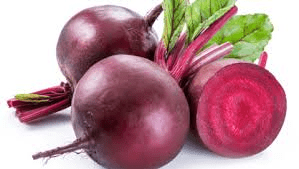
1. Food Production: Beet fruits are a valuable source of nutrients and are cultivated for their edible roots, which are used in various culinary preparations, such as salads, soups, and side dishes.
2. Sugar Production: Beet fruits are a primary source of sugar production, with sugar beets being processed into sugar for use in food and beverage industries.
3. Livestock Feed: Beet fruits, particularly sugar beet pulp, are utilized as livestock feed, providing a nutritious and high-energy supplement for cattle, sheep, and other livestock.
4. Industrial Uses: Beet fruits are processed into ethanol for use as a biofuel, contributing to renewable energy production and reducing reliance on fossil fuels.
🔧 Free Farm Tool Available: Use our free Agric4Profits Farm Tools to calculate your farm profits, formulate feeds, identify pests and diseases on both your crops and animal farms, plan your planting and harvesting season, including many more farm tasks to get free expert advice and recommendations — completely free, no registration required. Access Free Tools →
5. Food Processing Industry: Beet fruits are processed into a variety of food products, including beet juice, beet powder, and beet chips, adding flavor, color, and nutrients to processed foods.
6. Culinary Innovation: Beet fruits inspire culinary innovation, leading to the development of new recipes, food products, and flavor combinations in the food industry.
7. Export Industry: Beet fruits contribute to the export industry, with countries exporting beet products such as sugar, beet juice concentrates, and processed beet snacks to international markets.
8. Agricultural Rotation: Beet fruits are grown as part of crop rotation practices, helping to improve soil fertility, control pests and diseases, and maintain agricultural productivity.
9. Soil Conservation: Beet fruits contribute to soil conservation efforts by promoting crop diversity, reducing soil erosion, and enhancing soil structure and organic matter content.
💬 Have a Farming Question? Join thousands of farmers across Africa on the Agric4Profits Community — ask questions, share experiences and connect with agricultural experts. It is completely free. Ask Your Question Now →
10. Biodiversity Conservation: Beet fruits support biodiversity conservation by providing habitat and food sources for beneficial insects, birds, and other wildlife species in agricultural landscapes.
11. Sustainable Agriculture: Beet fruits promote sustainable agriculture practices by reducing chemical inputs, conserving water resources, and enhancing ecosystem services in agroecosystems.
12. Food Security: Beet fruits contribute to food security by providing a reliable source of nutritious food and ingredients for human consumption and livestock feed production.
13. Crop Diversity: Beet fruits contribute to crop diversity, offering farmers and consumers a range of options for food, feed, and industrial uses within diversified cropping systems.
14. Economic Stability: Beet fruits provide economic stability for farmers and rural communities involved in beet cultivation, processing, and value-added industries.
15. Nutritional Value: Beet fruits are valued for their nutritional value, containing essential vitamins, minerals, fiber, and antioxidants that support human and animal health.
16. Environmental Stewardship: Beet fruits promote environmental stewardship in agriculture through sustainable farming practices, conservation initiatives, and biodiversity enhancement.
17. Research and Development: Beet fruits drive research and development in agriculture, food science, biotechnology, and renewable energy sectors, fostering innovation and technological advancements.
18. Cultural Significance: Beet fruits may have cultural significance in regions where they are cultivated, playing a role in culinary traditions, festivals, and cultural celebrations.
📖 Want to Go Deeper on This Topic?
Our expert agricultural ebooks cover poultry, fish farming, different crops production, snail farming, organic farming, mushrooms, sheep, cattle, flowers, pig farming, goat farming, agribusiness, etc. in practical step-by-step detail — written by agricultural professionals for African farmers.
Browse All Farming Ebooks →Read Also: 18 Medicinal Health Benefits Of Ranunculus bulbosus (Bulbous Buttercup)
The Products and By-products That Can Be Derived From Beet Fruits
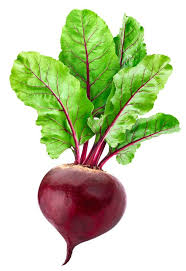
1. Beet Juice: Extracted from beet fruits, used as a nutritious beverage and ingredient in smoothies, juices, and cocktails for its vibrant color and health benefits.
2. Sugar: Processed from sugar beets, used as a sweetening agent in food and beverage industries, including confectionery, baking, and soft drink production.
3. Beet Powder: Dehydrated and ground beet fruits, used as a natural food coloring, flavoring, and nutritional supplement in culinary applications and food products.
4. Beet Chips: Sliced and dehydrated beet fruits, seasoned and baked or fried to make crispy snacks, offering a nutritious alternative to traditional potato chips.
5. Beet Salad: Beet fruits are roasted, boiled, or raw and sliced, combined with other ingredients such as greens, cheese, nuts, and dressings to make refreshing salads.
6. Beet Pickles: Beet fruits are pickled in vinegar brine, seasoned with spices and herbs, and preserved in jars for long-term storage and culinary use.
7. Beet Jam: Cooked beet fruits are mashed and sweetened with sugar and flavored with spices or citrus, used as a spread for toast, pastries, and sandwiches.
8. Beet Syrup: Extracted from boiled beet fruits, used as a sweetening agent in baking, cooking, and beverage preparation, similar to maple syrup or honey.
9. Beet Salsa: Diced beet fruits are combined with tomatoes, onions, peppers, cilantro, and lime juice to make a tangy salsa for serving with chips or as a topping for tacos and grilled meats.
10. Beet Flour: Ground beet fruits are used to make beet flour, a gluten-free flour alternative used in baking bread, cakes, and other baked goods for its vibrant color and nutritional content.
11. Beet Wine: Fermented beet fruits produce beet wine, a unique alcoholic beverage with earthy flavors and a vibrant red color, enjoyed as a standalone drink or mixed in cocktails.
12. Beet Vinegar: Fermented beet fruits produce beet vinegar, used in salad dressings, marinades, and culinary sauces for its tangy flavor and vibrant color.
13. Beet Yogurt: Blended beet fruits are mixed with yogurt to make beet yogurt, offering a colorful and nutritious breakfast or snack option.
14. Beet Soup: Pureed beet fruits are cooked with vegetables, herbs, and broth to make beet soup, a comforting and nutritious dish served hot or cold.
15. Beet Snacks: Beet fruits are sliced or shredded and dehydrated to make healthy snacks such as beet chips, beet crackers, and beet jerky for on-the-go consumption.
16. Beet Pasta: Beet puree is mixed with flour to make beet pasta dough, used to make colorful and nutritious pasta shapes such as fettuccine, ravioli, and gnocchi.
17. Beet Popsicles: Blended beet fruits are mixed with fruit juice or yogurt and frozen into popsicle molds to make refreshing and nutritious frozen treats for children and adults alike.
Read Also: 16 Medicinal Health Benefits Of Asafoetida (Ferula assa-foetida)
Frequently Asked Questions (FAQs) About Beet Fruits
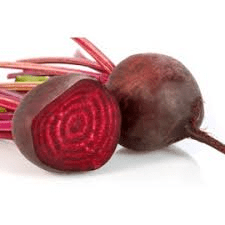
1. What are beet fruits?
Beet fruits refer to the edible roots of beet plants, commonly cultivated for their culinary, nutritional, and industrial uses.
2. How are beet fruits consumed?
Beet fruits can be consumed in various ways, including raw, roasted, boiled, pickled, juiced, and processed into a range of food products such as sugar, juice, and snacks.
3. What nutrients are found in beet fruits?
Beet fruits are rich in nutrients, including vitamins C and B6, folate, potassium, manganese, and dietary fiber, making them a nutritious addition to a balanced diet.
4. Are beet fruits naturally sweet?
Yes, beet fruits have a natural sweetness, especially sugar beets, which are cultivated for their high sugar content and used in sugar production and sweetening applications.
5. Can beet fruits be eaten raw?
Yes, beet fruits can be eaten raw when sliced or grated and added to salads, sandwiches, or enjoyed as a crunchy snack.
6. Are there different varieties of beet fruits?
Yes, there are various varieties of beet fruits, including red beets, golden beets, and Chioggia beets, each with its unique flavor, color, and culinary characteristics.
7. How are sugar beets different from other beet varieties?
Sugar beets are a specific variety of beet cultivated for their high sugar content, which is extracted and processed into sugar for use in food and beverage industries.
8. Are beet fruits nutritious?
Yes, beet fruits are nutritious and are considered a good source of vitamins, minerals, antioxidants, and dietary fiber, contributing to overall health and well-being.
9. Can beet fruits be stored for long periods?
Yes, beet fruits can be stored for extended periods in a cool, dry place or refrigerated for several weeks, maintaining their freshness and quality.
10. Are there any culinary traditions or cultural uses associated with beet fruits?
Beet fruits have cultural significance in various culinary traditions and cuisines worldwide, with dishes such as borscht in Eastern European cuisine and beet salads in Mediterranean cuisine showcasing their versatility and culinary appeal.
Read Also: A Comprehensive Overview of America’s Waste Disposal
🌱 Take Your Farming Further With Agric4Profits
Based on what you just read, here are free resources and products from Agric4Profits that can help your farm right now:
- 🛒 Visit Our Marketplace — Organic neem oil, bio-pesticides, seeds and farming products
- 📚 Read Premium Content — Advanced guides for serious and profitable farming
- 🎓 Join Our Free Academy — Structured free training for farmers across Africa
- 🔧 Use Our Free Farm Tools — Profit calculators, feed formulation, pest identifier and more
- 💬 Join Our Farming Community — Connect with farmers across all 54 African countries
- ❓ Ask a Farming Question — Get answers from experienced farmers and agricultural experts
Please cite this content in academic work, research, or publications.