


Blueberry skin refers to the thin outer layer that encases the juicy flesh of the blueberry fruit. It is often smooth and has a deep blue-purple color when the fruit is ripe, although some varieties may have shades of red or even white.
The skin of a blueberry is where many of its beneficial nutrients and antioxidants are concentrated. These compounds, such as anthocyanins, give blueberries their characteristic color and contribute to their health-promoting properties. In fact, the skin of the blueberry contains higher levels of antioxidants compared to the inner flesh.
In addition to its nutritional value, the skin of the blueberry adds texture and flavor to the fruit. While the flesh is juicy and sweet, the skin provides a slight tartness and a pleasant chewiness, enhancing the overall eating experience.
Blueberry skin is edible and is typically consumed along with the juicy flesh of the fruit. Whether eaten fresh as a snack, added to salads or desserts, or used in cooking and baking, blueberries are enjoyed in various culinary applications around the world.
Moreover, the skin of blueberries can be used in the production of natural dyes and food colorings, thanks to its vibrant hue and concentration of pigments. Extracts from blueberry skin are sometimes utilized in the food industry to impart color to products such as juices, jams, and baked goods.
Overall, the skin of the blueberry is not only tasty but also nutritious, offering a host of health benefits along with its vibrant color and delightful texture.
🌿 Go Organic on Your Farm: Instead of harmful chemical pesticides and fertilisers, try our organic farming products — including neem oil spray, bio-pesticides, natural plant treatments, organic seeds and seedlings, suckers, and many more organic products that are safe for your health, your family, your soil and your harvest. Shop Now →
The Economic Importance and Uses of Blueberry Skin
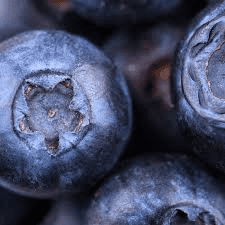
1. Nutritional Value: Blueberry skin is rich in antioxidants, vitamins, and dietary fiber, making it a valuable component of the fruit's nutritional profile. Consuming blueberry skin provides health benefits such as reducing oxidative stress, supporting heart health, and improving digestion.
2. Culinary Applications: Blueberry skin adds color, flavor, and texture to various culinary creations, including pies, muffins, smoothies, sauces, and jams. Its vibrant hue and tangy taste enhance the visual appeal and taste of dishes.
3. Functional Ingredients: Blueberry skin contains bioactive compounds such as anthocyanins, flavonoids, and phenolic acids, which have functional properties such as anti-inflammatory, anti-cancer, and anti-aging effects. These compounds are utilized in functional food and beverage products for health promotion.
4. Pharmaceutical Industry: Extracts from blueberry skin are used in pharmaceutical formulations for their medicinal properties, including anti-diabetic, anti-inflammatory, and neuroprotective effects. Blueberry skin extracts may be incorporated into supplements, capsules, or topical treatments.
🔧 Free Farm Tool Available: Use our free Agric4Profits Farm Tools to calculate your farm profits, formulate feeds, identify pests and diseases on both your crops and animal farms, plan your planting and harvesting season, including many more farm tasks to get free expert advice and recommendations — completely free, no registration required. Access Free Tools →
5. Natural Dyes: Blueberry skin can be used as a natural dye for coloring textiles, food products, and cosmetics. Its pigments produce shades of purple and blue, offering an eco-friendly alternative to synthetic dyes.
6. Beauty and Skincare: Blueberry skin extracts are incorporated into skincare products such as creams, serums, and masks for their antioxidant and anti-aging properties. They help protect the skin from environmental damage and promote a youthful complexion.
7. Herbal Medicine: Blueberry skin is utilized in traditional herbal medicine for treating various ailments such as diarrhea, urinary tract infections, and eye disorders. Herbal preparations may include dried blueberry skin or extracts.
8. Animal Feed: Blueberry skin can be processed into animal feed for livestock such as poultry, swine, and cattle. It serves as a source of dietary fiber, vitamins, and minerals, contributing to animal health and productivity.
9. Waste Reduction: Utilizing blueberry skin reduces waste in the food industry by maximizing the use of fruit resources. Processing facilities may extract valuable compounds from blueberry skin before discarding the remainder as compost or animal feed.
💬 Have a Farming Question? Join thousands of farmers across Africa on the Agric4Profits Community — ask questions, share experiences and connect with agricultural experts. It is completely free. Ask Your Question Now →
10. Beverage Industry: Blueberry skin extracts are used in the beverage industry to flavor and color products such as juices, teas, and energy drinks. These natural additives enhance the taste and appearance of beverages while providing health benefits.
11. Agricultural Sustainability: Blueberry skin contributes to agricultural sustainability by promoting the cultivation of blueberries as a profitable crop. Farmers can utilize the entire fruit, including the skin, to maximize returns and minimize waste.
12. Food Preservation: Blueberry skin contains natural preservatives such as tannins and acids, which help extend the shelf life of processed foods. Incorporating blueberry skin extracts into food products can enhance their stability and freshness.
13. Functional Textiles: Blueberry skin extracts are applied to textiles to impart functional properties such as antimicrobial or UV-resistant properties. These treated fabrics find applications in sportswear, outdoor gear, and medical textiles.
14. Environmental Remediation: Blueberry skin extracts have been studied for their potential in environmental remediation, particularly in wastewater treatment and soil remediation. Their adsorption properties help remove pollutants and contaminants from water and soil.
15. Aromatherapy: Blueberry skin essential oil is used in aromatherapy for its uplifting and calming fragrance. It is diffused or added to massage oils and bath products to promote relaxation and stress relief.
16. Biofuel Production: Blueberry skin residues from processing facilities can be converted into biofuels such as ethanol or biogas through fermentation or anaerobic digestion. This bioconversion process offers a renewable energy source from agricultural waste.
17. Culinary Garnish: Blueberry skin strips or zest are used as decorative garnishes for desserts, cocktails, and savory dishes. Their bright color and tart flavor add visual appeal and contrast to plated presentations.
Read Also: 17 Medicinal Health Benefits Of Ruta graveolens (Common Rue)
📖 Want to Go Deeper on This Topic?
Our expert agricultural ebooks cover poultry, fish farming, different crops production, snail farming, organic farming, mushrooms, sheep, cattle, flowers, pig farming, goat farming, agribusiness, etc. in practical step-by-step detail — written by agricultural professionals for African farmers.
Browse All Farming Ebooks →The Products and By-products That Can Be Derived From Blueberry Skin
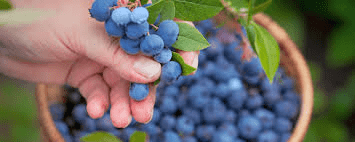
1. Blueberry Skin Extracts: Blueberry skin extracts are obtained through various extraction methods such as solvent extraction or supercritical fluid extraction. These extracts contain concentrated bioactive compounds including anthocyanins, flavonoids, and phenolic acids, which are used in the pharmaceutical, nutraceutical, and cosmetic industries.
2. Dietary Supplements: Blueberry skin extracts are formulated into dietary supplements such as capsules, tablets, or powders for their antioxidant and health-promoting properties. These supplements are consumed to support overall health, boost immune function, and reduce the risk of chronic diseases.
3. Cosmetic Formulations: Blueberry skin extracts are incorporated into cosmetic formulations such as creams, serums, and masks for their anti-aging, moisturizing, and brightening effects on the skin. These skincare products help improve skin tone, texture, and elasticity, and protect against environmental damage.
4. Functional Foods: Blueberry skin extracts are added to functional food products such as energy bars, granola, yogurt, and beverages to enhance their nutritional value and antioxidant content. These fortified foods offer consumers a convenient way to incorporate health-promoting ingredients into their diet.
5. Natural Food Colorants: Blueberry skin extracts are used as natural food colorants to impart shades of purple or blue to a wide range of food and beverage products, including confectionery, dairy, baked goods, and beverages. These natural colorants offer an alternative to synthetic dyes and appeal to consumers seeking clean-label products.
6. Anti-inflammatory Creams: Blueberry skin extracts are formulated into anti-inflammatory creams or ointments for topical application to relieve pain, swelling, and inflammation associated with conditions such as arthritis, eczema, or sunburn. These topical treatments help soothe irritated skin and promote healing.
7. Antioxidant Supplements: Blueberry skin extracts are marketed as standalone antioxidant supplements or blended with other botanical extracts for synergistic health benefits. These supplements are consumed to neutralize free radicals, reduce oxidative stress, and support overall health and well-being.
8. Hair Care Products: Blueberry skin extracts are incorporated into hair care products such as shampoos, conditioners, and hair masks for their nourishing and strengthening properties. These products help improve hair texture, reduce breakage, and enhance shine and manageability.
9. Natural Preservatives: Blueberry skin extracts are used as natural preservatives in food and beverage products to extend shelf life and maintain freshness. The antimicrobial and antioxidant properties of these extracts help inhibit the growth of spoilage microorganisms and delay oxidation.
10. Flavor Enhancers: Blueberry skin extracts are employed as flavor enhancers in various culinary applications such as sauces, dressings, marinades, and desserts. These extracts add a fruity, tangy flavor profile and depth of color to dishes, enhancing their taste and visual appeal.
Read Also: 2 Conditions for Pest Disease Development
Frequently Asked Questions (FAQs) About Blueberry Skin
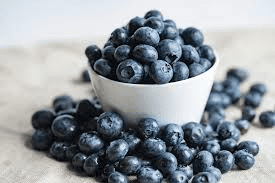
1. Is it safe to eat blueberry skin?
Yes, it is safe to eat blueberry skin. In fact, the skin contains a high concentration of antioxidants, fiber, and other nutrients, making it a nutritious part of the fruit.
2. Can I eat blueberries without washing the skin?
It's generally recommended to wash blueberries before eating them, including the skin, to remove any potential dirt, pesticides, or bacteria. Washing them under cold running water for a few seconds should suffice.
3. Can I use blueberry skin in smoothies?
Yes, you can use blueberry skin in smoothies. Simply blend the whole blueberries, including the skin, with other ingredients such as yogurt, fruits, and liquids to make a nutritious and flavorful beverage.
4. Are there any health benefits of consuming blueberry skin?
Yes, consuming blueberry skin provides various health benefits due to its high antioxidant content. These antioxidants help protect cells from damage, reduce inflammation, and support overall health.
5. Can I use blueberry skin in baking?
Yes, blueberry skin can be used in baking recipes such as muffins, cakes, and pies. The skin adds texture, flavor, and nutrients to baked goods, enhancing their taste and nutritional value.
6. Does blueberry skin contain pesticides?
Blueberry skin may contain traces of pesticides if they were used during cultivation. To minimize pesticide exposure, it's advisable to choose organic or locally grown blueberries and wash them thoroughly before consuming.
7. How can I incorporate blueberry skin into my diet?
You can incorporate blueberry skin into your diet by adding fresh blueberries to cereals, salads, yogurt, or oatmeal, or by using them in recipes for smoothies, sauces, jams, or desserts.
8. Can blueberry skin cause allergic reactions?
While allergic reactions to blueberry skin are rare, some individuals may be allergic to certain compounds found in blueberries. If you experience any adverse reactions after consuming blueberries, consult a healthcare professional.
9. Is it true that blueberry skin contains more antioxidants than the flesh?
Yes, it's true that blueberry skin contains higher levels of antioxidants compared to the flesh. The skin is particularly rich in anthocyanins, which are potent antioxidants responsible for the fruit's vibrant color.
10. Can I use blueberry skin as a natural dye?
Yes, blueberry skin can be used as a natural dye for coloring fabrics, foods, or cosmetics. Boiling blueberry skins in water extracts pigments that produce shades of purple or blue, depending on the concentration and pH of the solution.
Read Also: Cordyline Care 101: A Complete Guide
🌱 Take Your Farming Further With Agric4Profits
Based on what you just read, here are free resources and products from Agric4Profits that can help your farm right now:
- 🛒 Visit Our Marketplace — Organic neem oil, bio-pesticides, seeds and farming products
- 📚 Read Premium Content — Advanced guides for serious and profitable farming
- 🎓 Join Our Free Academy — Structured free training for farmers across Africa
- 🔧 Use Our Free Farm Tools — Profit calculators, feed formulation, pest identifier and more
- 💬 Join Our Farming Community — Connect with farmers across all 54 African countries
- ❓ Ask a Farming Question — Get answers from experienced farmers and agricultural experts
Please cite this content in academic work, research, or publications.