


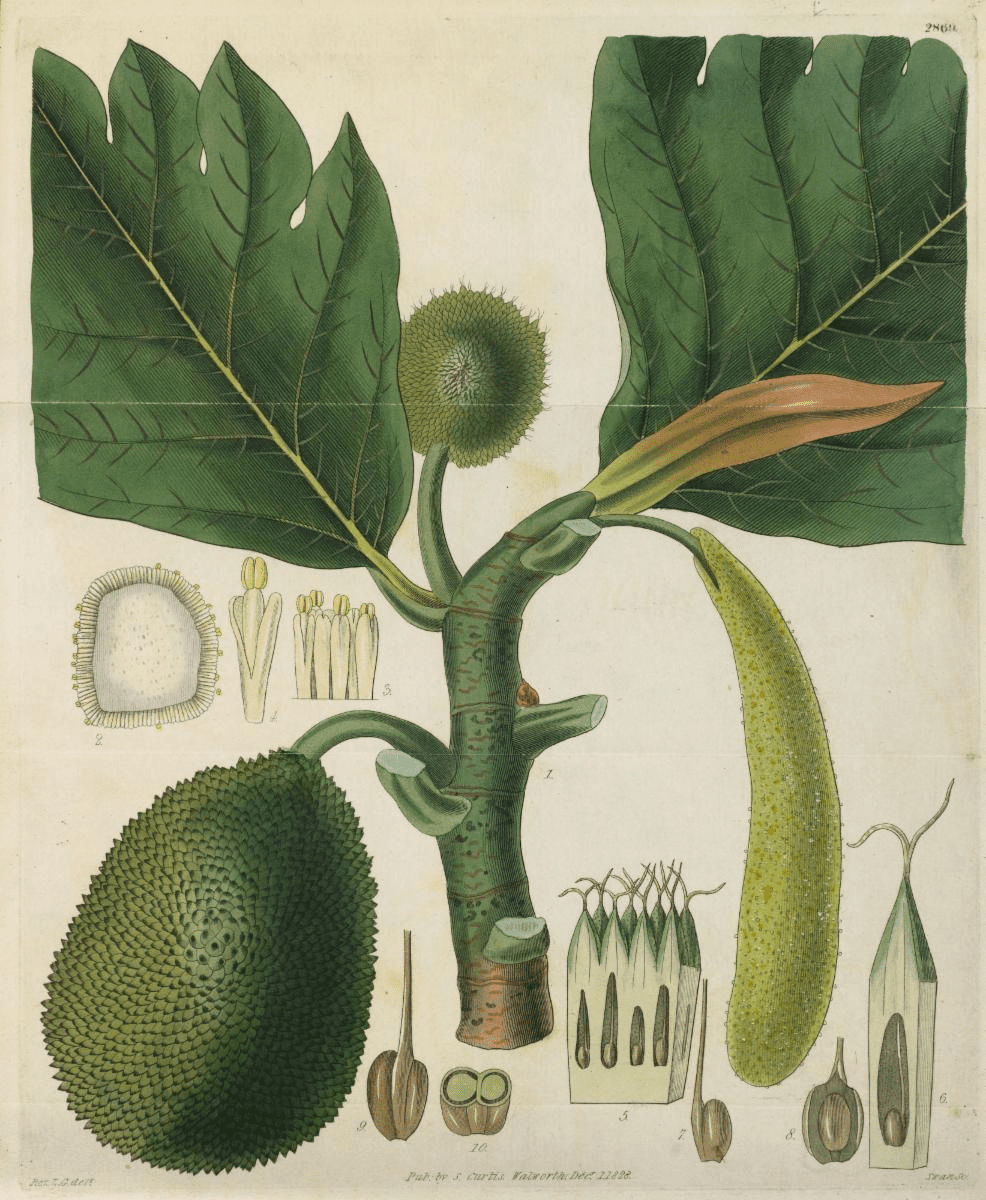
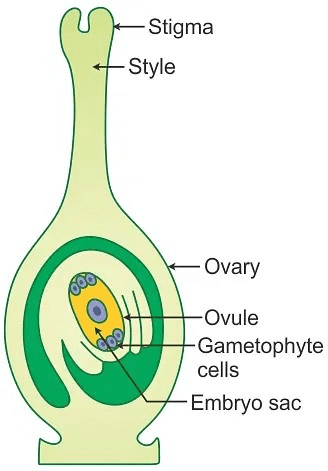
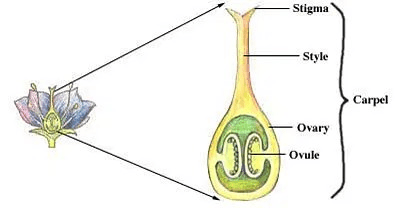
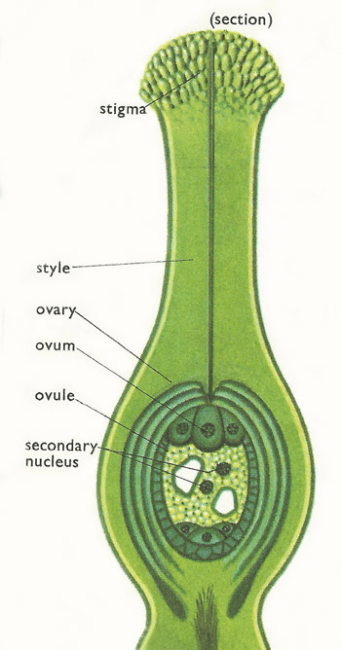
The breadfruit pistil is the female reproductive organ found within the flower. It consists of several key components, including the stigma, style, and ovary, each with specific functions in the process of reproduction.
At the top of the pistil is the stigma, a receptive surface designed to capture pollen grains during pollination. The stigma is often sticky or covered in hairs to facilitate pollen adhesion and germination.
Below the stigma is the style, a slender tube-like structure that connects the stigma to the ovary. The style serves as a pathway for pollen tubes to grow and transport sperm cells from the stigma to the ovules within the ovary.
Finally, at the base of the pistil is the ovary, a swollen structure that contains ovules, which are the female reproductive cells. Each ovule has the potential to develop into a seed upon successful fertilization.
During pollination, pollen grains are transferred to the stigma, where they may germinate and grow pollen tubes through the style to reach the ovules within the ovary. Fertilization occurs when sperm cells from the pollen grains fuse with egg cells within the ovules, resulting in the formation of seeds.
Ultimately, the breadfruit pistil plays a crucial role in the reproductive process, facilitating pollination, fertilization, and the development of seeds within the ovary. Upon successful fertilization, the ovary matures into a fruit, enclosing the seeds and providing the means for dispersal and propagation of the species.
🌿 Go Organic on Your Farm: Instead of harmful chemical pesticides and fertilisers, try our organic farming products — including neem oil spray, bio-pesticides, natural plant treatments, organic seeds and seedlings, suckers, and many more organic products that are safe for your health, your family, your soil and your harvest. Shop Now →
The Economic Importance and Uses of Breadfruit Pistil
1. Fruit Formation: The breadfruit pistil plays a crucial role in the reproduction of the breadfruit tree, where it receives pollen from the stamens and facilitates fertilization, leading to the development of fruits.
2. Agricultural Production: The presence of healthy pistils ensures successful fruit formation, contributing to agricultural production and the supply of breadfruit for local consumption and commercial markets.
3. Food Security: Breadfruit pistils support food security by enabling the production of a nutritious and versatile food source that can be consumed fresh or processed into various culinary dishes, helping to alleviate hunger and malnutrition.
4. Culinary Applications: Breadfruit pistils themselves are not commonly consumed directly, but the fruits produced as a result of successful pollination provide a valuable food source in many tropical regions, where they are cooked, roasted, boiled, or processed into flour, chips, or snacks.
🔧 Free Farm Tool Available: Use our free Agric4Profits Farm Tools to calculate your farm profits, formulate feeds, identify pests and diseases on both your crops and animal farms, plan your planting and harvesting season, including many more farm tasks to get free expert advice and recommendations — completely free, no registration required. Access Free Tools →
5. Genetic Studies: Breadfruit pistils are studied by botanists and geneticists to understand their reproductive biology, genetic diversity, and breeding patterns, facilitating crop improvement efforts and conservation strategies.
6. Horticulture: Knowledge of breadfruit pistil morphology and physiology guides horticultural practices such as pollination management, plant breeding, and cultivation techniques, optimizing fruit production and tree health in orchards and gardens.
7. Sustainable Agriculture: Breadfruit pistils contribute to sustainable agriculture by supporting natural pollination processes, reducing the reliance on chemical inputs, and promoting ecosystem health and biodiversity in agroecosystems.
8. Cultural Significance: In some cultures, breadfruit trees and their reproductive parts, including the pistil, hold cultural or symbolic significance, associated with traditional beliefs, rituals, or folklore, contributing to cultural heritage and identity.
9. Ecotourism: Breadfruit pistils and their role in fruit production may be showcased in ecotourism destinations such as fruit orchards or agricultural farms, where visitors can learn about breadfruit cultivation, flowering cycles, and pollination processes firsthand.
💬 Have a Farming Question? Join thousands of farmers across Africa on the Agric4Profits Community — ask questions, share experiences and connect with agricultural experts. It is completely free. Ask Your Question Now →
10. Food Sovereignty: Breadfruit pistils support food sovereignty by providing communities with the means to cultivate and harvest their own food resources, reducing dependence on imported goods and strengthening local food systems.
11. Botanical Illustrations: Breadfruit pistils are depicted in botanical illustrations, paintings, and scientific diagrams, documenting their structure and function for educational and scientific purposes, aiding in plant identification and classification.
12. Plant Reproduction Studies: Breadfruit pistils are utilized in plant reproduction studies investigating aspects of plant physiology, reproductive ecology, or molecular biology, advancing scientific knowledge and understanding of plant systems.
13. Environmental Conservation: Breadfruit pistils and their role in pollination contribute to ecosystem health and biodiversity conservation by supporting plant reproduction and maintaining plant-pollinator interactions in natural habitats.
14. Landscape Design: Breadfruit pistils contribute to the aesthetic appeal of landscapes when trees are in bloom, attracting pollinators and adding color, texture, and visual interest to outdoor environments such as parks, gardens, or urban spaces.
15. Floriculture: Breadfruit pistils may be utilized in floriculture practices such as flower arrangement, bouquet design, or landscaping, providing unique and exotic floral elements for decorative purposes.
16. Genetic Resources: Breadfruit pistils represent valuable genetic resources for breeding programs aimed at developing new cultivars with improved traits such as disease resistance, yield potential, or fruit quality, contributing to crop improvement efforts.
17. Medicinal Research: Compounds extracted from breadfruit pistils may be studied for their potential pharmaceutical properties, including antioxidant, anti-inflammatory, or antimicrobial effects, contributing to medicinal research and drug discovery efforts.
Read Also: The Thyme Axillary Buds: Economic Importance, Uses, and By-Products
📖 Want to Go Deeper on This Topic?
Our expert agricultural ebooks cover poultry, fish farming, different crops production, snail farming, organic farming, mushrooms, sheep, cattle, flowers, pig farming, goat farming, agribusiness, etc. in practical step-by-step detail — written by agricultural professionals for African farmers.
Browse All Farming Ebooks →The Products and By-products That Can Be Derived From Breadfruit Pistil
1. Fruit Formation: The primary product derived from the breadfruit pistil is the breadfruit itself, which serves as a valuable food source in many tropical regions, providing nutrition and sustenance to millions of people worldwide.
2. Food Products: Breadfruit fruits produced as a result of successful pollination can be processed into various food products such as breadfruit flour, chips, crisps, snacks, or canned goods, offering diverse culinary options and extending the shelf life of the fruit.
3. Culinary Ingredients: Breadfruit fruits can be cooked, roasted, boiled, mashed, or incorporated into a wide range of culinary dishes, including soups, stews, curries, stir-fries, salads, desserts, and beverages, providing flavor, texture, and nutrition to meals.
4. Nutritional Supplements: Breadfruit fruits are rich in carbohydrates, dietary fiber, vitamins, minerals, and phytonutrients, making them a nutritious and wholesome dietary supplement for addressing nutrient deficiencies and promoting overall health and well-being.
5. Animal Feed: Breadfruit fruits not suitable for human consumption or processing can be utilized as animal feed for livestock, poultry, or aquaculture, providing a valuable source of energy, protein, and nutrients in animal diets.
6. Industrial Applications: Breadfruit fruits contain starches, sugars, and fibers that can be extracted and utilized in various industrial applications such as biofuel production, biodegradable packaging, or textile manufacturing, contributing to sustainable and eco-friendly industries.
7. Medicinal Extracts: Compounds extracted from breadfruit fruits may have potential pharmaceutical properties, including antioxidant, anti-inflammatory, or antimicrobial effects, which can be utilized in the development of herbal remedies, dietary supplements, or medicinal drugs.
8. Cosmetic Ingredients: Extracts or distillates obtained from breadfruit fruits may be used as cosmetic ingredients in skincare, haircare, or personal care products, offering moisturizing, nourishing, or rejuvenating properties to enhance the beauty and well-being of consumers.
9. Horticultural Uses: Breadfruit fruits can be used as horticultural resources for planting, propagation, or landscaping purposes, providing shade, shelter, or ornamental value in gardens, parks, or urban green spaces.
10. Environmental Benefits: Breadfruit trees, including their pistils and fruits, provide various environmental benefits such as carbon sequestration, soil conservation, erosion control, and habitat restoration, contributing to ecosystem health and resilience.
Read Also: The Curry Leaves: Economic Importance, Uses, and By-Products
Frequently Asked Questions (FAQ’s) About Breadfruit Pistil
1. How does the breadfruit pistil contribute to fruit production?
The breadfruit pistil receives pollen from the stamens during pollination, leading to fertilization and the development of fruits, essential for agriculture and food production.
2. What role does the breadfruit pistil play in agricultural production?
The presence of healthy pistils ensures successful fruit formation, contributing to agricultural production and the supply of breadfruit for local consumption and commercial markets.
3. Can compounds extracted from the breadfruit pistil be used in medicine?
Compounds extracted from the breadfruit pistil may have potential pharmaceutical properties, including antioxidant, anti-inflammatory, or antimicrobial effects, which can be utilized in medicinal research and drug discovery efforts.
4. How are breadfruit pistils utilized in horticulture?
Knowledge of breadfruit pistil morphology and physiology guides horticultural practices such as pollination management, plant breeding, and cultivation techniques, optimizing fruit production and tree health in orchards and gardens.
5. Are breadfruit pistils important for food security?
Yes, breadfruit pistils support food security by enabling the production of a nutritious and versatile food source that can be consumed fresh or processed into various culinary dishes, helping to alleviate hunger and malnutrition.
6. Can breadfruit pistils attract pollinators?
Yes, breadfruit pistils produce nectar and are visited by pollinators such as bees, butterflies, or birds, which facilitate pollination and fruit production in breadfruit trees.
7. What are the cultural significances associated with breadfruit pistils?
In some cultures, breadfruit trees and their reproductive parts, including the pistil, hold cultural or symbolic significance, associated with traditional beliefs, rituals, or folklore, contributing to cultural heritage and identity.
8. Do breadfruit pistils benefit the environment?
Yes, breadfruit pistils, along with the fruits they produce, provide various environmental benefits such as carbon sequestration, soil conservation, erosion control, and habitat restoration, contributing to ecosystem health and resilience.
9. How can breadfruit pistils support sustainable agriculture?
Breadfruit pistils contribute to sustainable agriculture by supporting natural pollination processes, reducing the reliance on chemical inputs, and promoting ecosystem health and biodiversity in agroecosystems.
10. Are breadfruit pistils utilized in industrial applications?
Compounds extracted from breadfruit pistils may have potential industrial applications in sectors such as food processing, pharmaceuticals, cosmetics, or biotechnology, contributing to sustainable and eco-friendly industries.
Read Also: Complete Composting Guide for Beginners
🌱 Take Your Farming Further With Agric4Profits
Based on what you just read, here are free resources and products from Agric4Profits that can help your farm right now:
- 🛒 Visit Our Marketplace — Organic neem oil, bio-pesticides, seeds and farming products
- 📚 Read Premium Content — Advanced guides for serious and profitable farming
- 🎓 Join Our Free Academy — Structured free training for farmers across Africa
- 🔧 Use Our Free Farm Tools — Profit calculators, feed formulation, pest identifier and more
- 💬 Join Our Farming Community — Connect with farmers across all 54 African countries
- ❓ Ask a Farming Question — Get answers from experienced farmers and agricultural experts
Please cite this content in academic work, research, or publications.