


The breadfruit pulp known scientifically as Artocarpus altilis, is a tropical fruit tree native to the Pacific Islands and is valued for its versatile uses and economic significance. The pulp of the breadfruit holds considerable economic importance due to its various applications across different industries.
Breadfruit pulp is widely used in culinary practices, where it serves as a staple food source in many tropical regions. It can be cooked in numerous ways, including boiling, roasting, frying, or baking, and is often incorporated into both savory and sweet dishes. Rich in carbohydrates, fiber, and essential nutrients, breadfruit pulp provides sustenance and nutritional benefits to communities where it is cultivated.
Beyond its role as a food source, breadfruit pulp has gained recognition for its potential in addressing food security challenges and promoting sustainable agriculture. The tree's ability to thrive in diverse agroecological conditions, coupled with its high-yielding nature, makes it a valuable asset in efforts to enhance food sovereignty and resilience in vulnerable regions.
Moreover, breadfruit pulp serves as a valuable raw material in various industries, including cosmetics, pharmaceuticals, and biofuel production. Extracts from the pulp are utilized in skincare products for their moisturizing and antioxidant properties, while research explores its potential medicinal applications, such as in wound healing and inflammation reduction.
Furthermore, the by-products generated from breadfruit processing offer additional economic opportunities. The peel and seeds can be utilized in animal feed formulations, contributing to livestock nutrition and reducing waste. Additionally, the organic matter from discarded parts can be composted to enrich soil fertility, supporting sustainable agricultural practices and reducing environmental impact.
Breadfruit pulp, derived from the Artocarpus altilis tree, holds significant economic importance due to its diverse uses and applications. From serving as a staple food source to contributing to various industries and offering valuable by-products, breadfruit pulp plays a crucial role in supporting livelihoods, promoting sustainable development, and addressing food security challenges in tropical regions.
🌿 Go Organic on Your Farm: Instead of harmful chemical pesticides and fertilisers, try our organic farming products — including neem oil spray, bio-pesticides, natural plant treatments, organic seeds and seedlings, suckers, and many more organic products that are safe for your health, your family, your soil and your harvest. Shop Now →
The Economic Importance and Uses of Breadfruit Pulp
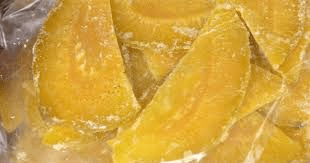
1. Food: Breadfruit pulp is a versatile food source, consumed in various forms such as boiled, roasted, or mashed. It can also be dried and ground into flour for baking bread, cakes, and other food items.
2. Nutritional Supplement: Rich in carbohydrates, fiber, and vitamins, breadfruit pulp serves as a nutritious supplement in diets, particularly in regions where food security is a concern.
3. Animal Feed: The pulp can be used as feed for livestock, providing a sustainable source of nutrition for animals such as pigs, chickens, and cattle.
4. Industrial Applications: Breadfruit pulp can be processed to extract starch, which is used in various industrial applications such as papermaking, textile manufacturing, and biofuel production.
🔧 Free Farm Tool Available: Use our free Agric4Profits Farm Tools to calculate your farm profits, formulate feeds, identify pests and diseases on both your crops and animal farms, plan your planting and harvesting season, including many more farm tasks to get free expert advice and recommendations — completely free, no registration required. Access Free Tools →
5. Culinary Ingredient: It serves as a flavoring agent and thickening agent in soups, stews, and sauces, enhancing the taste and texture of dishes.
6. Traditional Medicine: In some cultures, breadfruit pulp is used medicinally for its purported health benefits, including its potential to treat digestive issues and boost immunity.
7. Export Commodity: Countries with abundant breadfruit resources can export pulp to international markets, contributing to their economy through trade.
8. Cosmetic Ingredient: Extracts from breadfruit pulp are used in cosmetic products such as creams, lotions, and shampoos for their moisturizing and nourishing properties.
9. Bioactive Compounds: Breadfruit pulp contains bioactive compounds with antioxidant properties, which have potential applications in pharmaceuticals and nutraceuticals.
💬 Have a Farming Question? Join thousands of farmers across Africa on the Agric4Profits Community — ask questions, share experiences and connect with agricultural experts. It is completely free. Ask Your Question Now →
10. Sustainable Agriculture: The cultivation of breadfruit trees for pulp production promotes sustainable agriculture practices, including agroforestry and soil conservation.
11. Culinary Innovation: Chefs and food scientists experiment with breadfruit pulp to create innovative dishes and food products, contributing to culinary diversity.
12. Poverty Alleviation: Small-scale farmers can generate income by selling breadfruit pulp and products derived from it, thereby alleviating poverty in rural communities.
13. Culinary Tourism: Breadfruit-based dishes and products attract tourists interested in exploring local cuisines, thereby boosting the tourism industry.
14. Food Security: Incorporating breadfruit pulp into diets diversifies food sources and enhances food security, particularly in regions prone to crop failures or food shortages.
15. Environmental Conservation: Breadfruit trees contribute to environmental conservation efforts by sequestering carbon dioxide, preventing soil erosion, and promoting biodiversity.
16. Cultural Significance: In some cultures, breadfruit holds cultural and traditional significance, with rituals and ceremonies centered around its cultivation and consumption.
17. Community Development: The cultivation and processing of breadfruit pulp can foster community development initiatives, creating employment opportunities and supporting local businesses.
18. Research and Development: Ongoing research into the nutritional composition and potential uses of breadfruit pulp drives innovation and technological advancements in agriculture and food science.
📖 Want to Go Deeper on This Topic?
Our expert agricultural ebooks cover poultry, fish farming, different crops production, snail farming, organic farming, mushrooms, sheep, cattle, flowers, pig farming, goat farming, agribusiness, etc. in practical step-by-step detail — written by agricultural professionals for African farmers.
Browse All Farming Ebooks →Read Also: Bedbugs: Description, Damages Caused, Control and Preventive Measures
The Products and By-products That Can Be Derived From Breadfruit Pulp
1. Breadfruit Flour: The pulp can be dried and ground into flour, which is used as a gluten-free alternative in baking and cooking.
2. Breadfruit Chips: Slices of breadfruit pulp can be fried or baked to make crispy and flavorful chips, popular as snacks.
3. Breadfruit Puree: Blending breadfruit pulp with water or other liquids produces a smooth puree, used as a base for sauces, desserts, and beverages.
4. Breadfruit Jam: Boiling breadfruit pulp with sugar and flavorings results in a sweet and tangy jam, enjoyed spread on toast or pastries.
5. Breadfruit Ice Cream: Incorporating breadfruit puree into ice cream recipes creates a creamy and tropical-flavored dessert.
6. Breadfruit Juice: Extracting juice from breadfruit pulp yields a refreshing beverage, either consumed plain or combined with other fruits for added flavor.
7. Breadfruit Vinegar: Fermenting breadfruit pulp produces vinegar, used in cooking, salad dressings, and marinades.
8. Breadfruit Oil: Pressing breadfruit seeds yields oil, which can be used for cooking, skincare, and haircare due to its moisturizing properties.
9. Breadfruit Soap: Extracts from breadfruit pulp are used in soap production for their cleansing and nourishing effects on the skin.
10. Breadfruit Biofuel: Processing breadfruit pulp into biofuel offers a renewable energy source for cooking and heating, reducing reliance on fossil fuels.
11. Breadfruit Fertilizer: Composting breadfruit pulp creates organic fertilizer, enriching soil fertility and promoting plant growth.
12. Breadfruit Paper: Fibers from breadfruit pulp can be processed into paper, providing a sustainable alternative to traditional wood-based paper products.
13. Breadfruit Cosmetics: Extracts from breadfruit pulp are used in cosmetics such as moisturizers, serums, and masks for their skincare benefits.
14. Breadfruit Wine: Fermenting breadfruit pulp produces wine, with flavors ranging from dry to sweet depending on the fermentation process.
15. Breadfruit Biodegradable Packaging: Utilizing breadfruit pulp in biodegradable packaging materials offers an eco-friendly alternative to plastic packaging.
16. Breadfruit Bio-plastics: Extracting biopolymers from breadfruit pulp can be used in the production of biodegradable plastics, reducing environmental pollution.
17. Breadfruit Animal Feed Supplement: Residual pulp from processing can be dried and used as a nutritious supplement in animal feed formulations, reducing waste and enhancing livestock nutrition.
Read Also: 13 Health Benefits of Garlic Plant (Allium sativum)

Frequently Asked Questions (FAQ’s) About Breadfruit Pulp
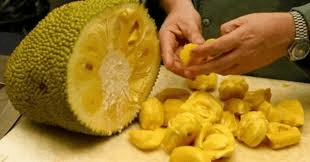
1. What nutrients are found in breadfruit pulp?
Breadfruit pulp is rich in carbohydrates, fiber, vitamins (particularly vitamin C), and minerals such as potassium and calcium.
2. How is breadfruit pulp typically consumed?
Breadfruit pulp can be consumed boiled, roasted, mashed, or dried and ground into flour for various culinary applications.
3. Is breadfruit pulp gluten-free?
Yes, breadfruit pulp is naturally gluten-free, making it suitable for individuals with gluten intolerance or celiac disease.
4. Can breadfruit pulp be used in skincare products?
Yes, extracts from breadfruit pulp are used in skincare products for their moisturizing and nourishing properties.
5. What are the environmental benefits of breadfruit pulp production?
Breadfruit trees contribute to environmental conservation efforts by sequestering carbon dioxide, preventing soil erosion, and promoting biodiversity.
6. How can breadfruit pulp contribute to food security?
Incorporating breadfruit pulp into diets diversifies food sources and enhances food security, particularly in regions prone to crop failures or food shortages.
7. Are there any traditional medicinal uses of breadfruit pulp?
In some cultures, breadfruit pulp is used medicinally for its purported health benefits, including its potential to treat digestive issues and boost immunity.
8. Can breadfruit pulp be used in industrial applications?
Yes, breadfruit pulp can be processed to extract starch, which is used in various industrial applications such as papermaking, textile manufacturing, and biofuel production.
9. How does breadfruit pulp contribute to community development?
The cultivation and processing of breadfruit pulp can foster community development initiatives by creating employment opportunities and supporting local businesses.
10. Are there any innovative uses of breadfruit pulp?
Yes, chefs and food scientists experiment with breadfruit pulp to create innovative dishes, food products, and even packaging materials, contributing to culinary diversity and environmental sustainability.
Read Also: How to Graft an Avocado Tree to Produce Avocado Fruit
🌱 Take Your Farming Further With Agric4Profits
Based on what you just read, here are free resources and products from Agric4Profits that can help your farm right now:
- 🛒 Visit Our Marketplace — Organic neem oil, bio-pesticides, seeds and farming products
- 📚 Read Premium Content — Advanced guides for serious and profitable farming
- 🎓 Join Our Free Academy — Structured free training for farmers across Africa
- 🔧 Use Our Free Farm Tools — Profit calculators, feed formulation, pest identifier and more
- 💬 Join Our Farming Community — Connect with farmers across all 54 African countries
- ❓ Ask a Farming Question — Get answers from experienced farmers and agricultural experts
Please cite this content in academic work, research, or publications.