


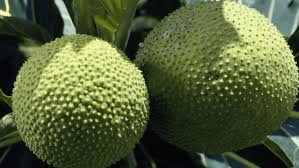
The breadfruit skin refers to the outer layer or peel of the breadfruit fruit (Artocarpus altilis), a tropical tree native to the Pacific Islands. The skin of breadfruit is typically green when unripe and turns yellow or brown as the fruit ripens.
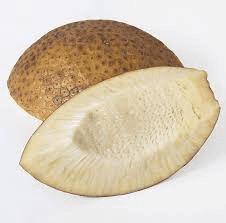
The skin of breadfruit is thin and relatively smooth, with a texture that can vary depending on the variety of breadfruit. It is often covered with small bumps or ridges, giving it a slightly rough appearance. While the skin of breadfruit is edible, it is usually removed before consumption due to its tough and fibrous texture.
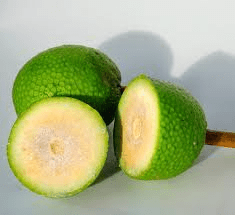
When preparing breadfruit for cooking, the skin is typically peeled away using a knife or vegetable peeler, revealing the soft, starchy flesh underneath. The flesh of breadfruit is the part that is most commonly eaten, either boiled, steamed, roasted, or fried, depending on culinary preferences.
In some traditional cuisines, especially in the Pacific Islands, the skin of breadfruit may be used in cooking preparations or discarded. However, it is not as commonly consumed as the flesh of the fruit.
Overall, while the skin of breadfruit is edible, it is usually removed before consumption, with the focus being on the soft and nutritious flesh of the fruit.
The Economic Importance and Uses of Breadfruit Skin
1. Protective Barrier: The skin of breadfruit acts as a protective barrier, shielding the inner fruit from physical damage, pests, and pathogens during growth and maturation. This helps ensure the quality and integrity of the fruit, making it more marketable and valuable.
🌿 Go Organic on Your Farm: Instead of harmful chemical pesticides and fertilisers, try our organic farming products — including neem oil spray, bio-pesticides, natural plant treatments, organic seeds and seedlings, suckers, and many more organic products that are safe for your health, your family, your soil and your harvest. Shop Now →
2. Nutrient Source: While the skin itself is not typically consumed, it contributes to the overall nutritional value of the fruit by protecting the flesh, which is rich in carbohydrates, fiber, vitamins, and minerals. The presence of intact skin enhances the shelf life and freshness of the fruit, preserving its nutritional content.
3. Traditional Medicine: In some cultures, extracts or infusions made from breadfruit skin are used in traditional medicine for their purported health benefits. These may include anti-inflammatory, antioxidant, and antimicrobial properties believed to support various aspects of health and well-being.
4. Waste Utilization: Breadfruit skin can be repurposed and utilized to minimize waste in food processing and culinary applications. While not typically consumed directly, it can be composted to enrich soil or used as animal feed, contributing to sustainable waste management practices.
5. Natural Dyes: Extracts obtained from breadfruit skin contain pigments that can be used as natural dyes in textile and fabric industries. These dyes may impart various shades of brown, green, or yellow, depending on the extraction method and concentration of pigments.
🔧 Free Farm Tool Available: Use our free Agric4Profits Farm Tools to calculate your farm profits, formulate feeds, identify pests and diseases on both your crops and animal farms, plan your planting and harvesting season, including many more farm tasks to get free expert advice and recommendations — completely free, no registration required. Access Free Tools →
6. Folk Remedies: In traditional folk remedies, poultices or pastes made from breadfruit skin are applied externally to alleviate skin conditions such as rashes, burns, and insect bites. The cooling and soothing properties of the skin may help reduce inflammation and promote healing.
7. Decorative Crafts: Breadfruit skin can be dried, treated, and used in decorative crafts and art projects. It may be incorporated into handmade paper, collages, and mixed-media artwork to add texture, color, and visual interest.
8. Household Cleaning: Extracts or infusions made from breadfruit skin can be used as natural cleaners for household surfaces, such as countertops, floors, and dishes. The antimicrobial properties of the skin may help inhibit the growth of bacteria and fungi, contributing to a cleaner and safer environment.
9. Traditional Cosmetics: Infusions or extracts of breadfruit skin are sometimes used in traditional cosmetics and skincare products for their purported benefits. These may include moisturizing, toning, and rejuvenating properties believed to enhance skin health and appearance.
10. Cultural Symbolism: In some cultures, breadfruit skin holds cultural significance and symbolism, representing themes such as abundance, fertility, and sustenance. It may be featured in rituals, ceremonies, and artistic expressions that celebrate the connections between humans, nature, and food.
💬 Have a Farming Question? Join thousands of farmers across Africa on the Agric4Profits Community — ask questions, share experiences and connect with agricultural experts. It is completely free. Ask Your Question Now →
11. Flavor Extraction: While not as commonly utilized as other parts of the fruit, extracts obtained from breadfruit skin may contain aromatic compounds that contribute to flavor extraction in culinary applications. These extracts may enhance the taste and aroma of food and beverages.
12. Folklore and Mythology: Breadfruit skin may be mentioned in folklore, mythology, and oral traditions as part of cultural narratives and storytelling. It may be associated with legends, beliefs, and rituals that reflect the cultural heritage and values of specific communities.
13. Culinary Garnish: In some culinary traditions, thinly sliced or grated breadfruit skin may be used as a decorative garnish for dishes such as salads, soups, and desserts. Its vibrant color and texture add visual appeal to plated presentations.
14. Environmental Benefits: Utilizing breadfruit skin in various applications contributes to environmental sustainability by reducing waste and promoting resource efficiency. Repurposing food by-products helps minimize the environmental footprint of food production and consumption.
15. Herbal Remedies: Infusions or decoctions made from breadfruit skin are sometimes used in herbal remedies and alternative medicine practices. They may be consumed as teas or incorporated into herbal preparations for their potential health-promoting properties.
16. Aromatherapy: Essential oils extracted from breadfruit skin may be used in aromatherapy for their aromatic and therapeutic effects. Inhalation or topical application of these oils may promote relaxation, stress relief, and emotional well-being.
17. Soil Amendment: Decomposed breadfruit skin can be used as organic matter to improve soil structure and fertility in gardening and agriculture. It helps retain moisture, enhance nutrient availability, and support beneficial microbial activity in the soil.
Read Also: 15 Medicinal Health Benefits Of Scutellaria nana (Dwarf Skullcap)
The Products and By-products That Can Be Derived From Breadfruit Skin
1. Natural Dyes: Pigments extracted from breadfruit skin can be used as natural dyes for textiles, fabrics, and artisanal crafts. These dyes may produce a range of earthy tones, depending on the extraction method and concentration of pigments.
📖 Want to Go Deeper on This Topic?
Our expert agricultural ebooks cover poultry, fish farming, different crops production, snail farming, organic farming, mushrooms, sheep, cattle, flowers, pig farming, goat farming, agribusiness, etc. in practical step-by-step detail — written by agricultural professionals for African farmers.
Browse All Farming Ebooks →2. Herbal Infusions: Dried or fresh breadfruit skin can be steeped in hot water to make herbal infusions or teas. These infusions may be consumed for their potential health benefits, including antioxidant and anti-inflammatory properties.
3. Compost Material: Breadfruit skin can be composted along with other organic matter to create nutrient-rich compost for gardening and agriculture. Its decomposition contributes to soil health and fertility, promoting plant growth and productivity.
4. Animal Feed: While not a primary feed source, breadfruit skin can be fed to livestock such as pigs, chickens, and goats as a supplemental source of nutrients. It provides dietary fiber, vitamins, and minerals that support animal health and well-being.
5. Skin Care Products: Extracts or infusions of breadfruit skin may be incorporated into natural skincare products such as lotions, creams, and serums. These products may offer moisturizing, antioxidant, and anti-aging benefits for the skin.
6. Flavoring Agents: Concentrated extracts obtained from breadfruit skin may be used as flavoring agents in food and beverage applications. They add a subtle hint of aroma and taste, enhancing the overall flavor profile of culinary creations.
7. Aromatic Potpourri: Dried breadfruit skin can be mixed with other aromatic botanicals to create fragrant potpourri blends for home decor and air freshening. Its natural scent adds a tropical and earthy aroma to living spaces.
8. Bioactive Extracts: Breadfruit skin extracts may contain bioactive compounds with potential health benefits, such as phenolic compounds, flavonoids, and tannins. These extracts can be used in pharmaceuticals, nutraceuticals, and functional foods.
9. Soil Amendments: Decomposed breadfruit skin can be used as a soil amendment to improve soil fertility, structure, and moisture retention in landscaping and gardening. It enhances soil health and supports plant growth in residential and commercial landscapes.
10. Medicinal Preparations: Infusions, decoctions, or tinctures made from breadfruit skin may be used in traditional medicine for their purported medicinal properties. They may be consumed orally or applied topically to alleviate various ailments and promote wellness.
Read Also: The Thyme Root Hairs: Economic Importance, Uses, and By-Products
Frequently Asked Questions (FAQs) About Breadfruit Skin
1. Can breadfruit skin be eaten?
No, breadfruit skin is typically not eaten due to its tough and fibrous texture. However, it can be utilized in various other ways, such as composting, natural dye extraction, and herbal remedies.
2. Is breadfruit skin toxic?
Breadfruit skin is not considered toxic, but it is generally not consumed due to its indigestible nature. It is recommended to avoid ingesting large quantities of breadfruit skin.
3. Can breadfruit skin be composted?
Yes, breadfruit skin can be composted along with other organic materials to create nutrient-rich compost for gardening and agriculture. Its decomposition contributes to soil health and fertility.
4. How can breadfruit skin be used in herbal remedies?
Breadfruit skin can be used in herbal remedies by steeping it in hot water to make infusions or decoctions. These herbal preparations may be consumed for their potential health benefits, such as antioxidant and anti-inflammatory properties.
5. Is breadfruit skin used in skincare products?
Yes, extracts or infusions of breadfruit skin may be incorporated into natural skincare products such as lotions, creams, and serums. These products may offer moisturizing, antioxidant, and anti-aging benefits for the skin.
6. Can breadfruit skin be used as animal feed?
While not a primary feed source, breadfruit skin can be fed to livestock such as pigs, chickens, and goats as a supplemental source of nutrients. It provides dietary fiber, vitamins, and minerals that support animal health and well-being.
7. How is breadfruit skin used in natural dyeing?
Breadfruit skin contains pigments that can be extracted and used as natural dyes for textiles and fabrics. The skin is boiled or simmered in water to release the pigments, which are then used to dye fibers into various shades of brown, green, or yellow.
8. Can breadfruit skin be used to improve soil fertility?
Yes, decomposed breadfruit skin can be used as a soil amendment to improve soil fertility, structure, and moisture retention in gardening and agriculture. It enhances soil health and supports plant growth in residential and commercial landscapes.
9. Are there any cultural uses of breadfruit skin?
Breadfruit skin may hold cultural significance in some societies, where it may be used in rituals, ceremonies, and artistic expressions. It may symbolize themes such as abundance, fertility, and sustenance in cultural practices.
10. Are there any precautions to consider when using breadfruit skin?
While breadfruit skin is generally safe to use, it is advisable to wash it thoroughly before utilizing it in any application. Additionally, individuals with known allergies to breadfruit or related plants should exercise caution when handling breadfruit skin.
Read Also: Potato Farming Guide – 7 Tips to Grow Sacks Full of Potatoes
🌱 Take Your Farming Further With Agric4Profits
Based on what you just read, here are free resources and products from Agric4Profits that can help your farm right now:
- 🛒 Visit Our Marketplace — Organic neem oil, bio-pesticides, seeds and farming products
- 📚 Read Premium Content — Advanced guides for serious and profitable farming
- 🎓 Join Our Free Academy — Structured free training for farmers across Africa
- 🔧 Use Our Free Farm Tools — Profit calculators, feed formulation, pest identifier and more
- 💬 Join Our Farming Community — Connect with farmers across all 54 African countries
- ❓ Ask a Farming Question — Get answers from experienced farmers and agricultural experts
Please cite this content in academic work, research, or publications.