


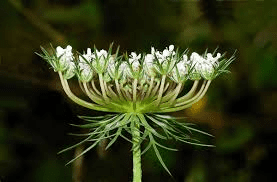
Carrot stamens are integral reproductive structures found within the flowers of the carrot plant (Daucus carota). Scientifically classified as part of the Apiaceae family, carrot stamens play a crucial role in the sexual reproduction of the plant. Each carrot flower typically consists of numerous stamens arranged around a central pistil, collectively forming the reproductive organs of the flower.
At the center of the carrot flower is the pistil, the female reproductive organ, consisting of the stigma, style, and ovary. Surrounding the pistil are the stamens, the male reproductive organs responsible for producing and dispersing pollen. Each stamen comprises two main parts: the filament and the anther.
The filament is a slender, stalk-like structure that supports the anther and positions it above the pistil for efficient pollen transfer. It serves as the conduit through which nutrients and water are transported to the developing pollen grains within the anther.
The anther is a specialized structure located at the tip of the filament, consisting of sac-like chambers called microsporangia. These microsporangia contain pollen mother cells, which undergo meiosis to produce haploid pollen grains. As the pollen grains mature, the walls of the microsporangia rupture, releasing the pollen into the surrounding environment.
The pollen grains produced by the carrot stamens are essential for the process of pollination, whereby they are transferred from the anthers of one flower to the stigma of another flower, either by wind, insects, or other pollinators. Once deposited on the stigma, the pollen grains germinate and grow pollen tubes, which penetrate the style and deliver male gametes to the ovules contained within the ovary.
Successful fertilization of the ovules results in the formation of seeds within the ovary, which eventually develop into the characteristic taproot of the carrot plant. Thus, the stamens of the carrot flower play a critical role in ensuring the continuation of the plant species through the production of viable seeds.
🌿 Go Organic on Your Farm: Instead of harmful chemical pesticides and fertilisers, try our organic farming products — including neem oil spray, bio-pesticides, natural plant treatments, organic seeds and seedlings, suckers, and many more organic products that are safe for your health, your family, your soil and your harvest. Shop Now →
From a botanical perspective, carrot stamens exhibit a high degree of structural complexity and specialization, reflecting their importance in the reproductive process. The development and function of the stamens are regulated by various genetic and environmental factors, including light, temperature, and hormonal signals.
Under optimal conditions, carrot stamens undergo a series of developmental stages, from the initiation of the floral buds to the maturation and release of pollen. Each stage is characterized by specific morphological and physiological changes, orchestrated by intricate genetic networks and signaling pathways.
In addition to their role in reproduction, carrot stamens also contribute to the overall beauty and aesthetic appeal of the carrot flower. The bright yellow coloration of the anthers contrasts with the white or pinkish petals, creating visually striking floral displays that attract pollinators.
In conclusion, carrot stamens are essential reproductive structures that facilitate the pollination and fertilization processes in the carrot plant. Through the production and dispersal of pollen, they ensure the successful reproduction and propagation of the species, while also adding to the ornamental value of the carrot flower.
🔧 Free Farm Tool Available: Use our free Agric4Profits Farm Tools to calculate your farm profits, formulate feeds, identify pests and diseases on both your crops and animal farms, plan your planting and harvesting season, including many more farm tasks to get free expert advice and recommendations — completely free, no registration required. Access Free Tools →
The Economic Importance and Uses of Carrot Stamens

1. Agriculture: Carrot stamens play a crucial role in the reproductive process of carrot plants, contributing to the production of carrot seeds for agricultural purposes.
2. Seed Production: Carrot stamens are essential for the production of carrot seeds, which are used by farmers and gardeners for growing carrots commercially or for personal consumption.
3. Horticulture: Carrot stamens contribute to the cultivation and breeding of new carrot varieties with desirable traits such as improved yield, disease resistance, and flavor profile.
4. Food Industry: Carrot seeds produced by stamens are used for planting carrot crops, which are harvested for various food products such as fresh produce, juices, and processed foods.
5. Genetic Research: Carrot stamens are studied by geneticists and researchers to understand the genetic basis of traits related to flowering, pollination, and seed production in carrots.
💬 Have a Farming Question? Join thousands of farmers across Africa on the Agric4Profits Community — ask questions, share experiences and connect with agricultural experts. It is completely free. Ask Your Question Now →
6. Plant Breeding Programs: Knowledge gained from studying carrot stamens is applied in plant breeding programs to develop new carrot cultivars with enhanced characteristics for commercial cultivation.
7. Pollination Services: In agricultural settings, insect pollinators such as bees and butterflies assist in the pollination of carrot stamens, ensuring the production of high-quality seeds and crops.
8. Biodiversity Conservation: Carrot stamens contribute to the biodiversity of ecosystems by supporting pollinator populations and maintaining genetic diversity within carrot plant populations.
9. Export Industry: Carrot seeds produced from stamens may be exported to other regions or countries, contributing to the global trade of agricultural commodities.
10. Pharmaceutical Research: Compounds extracted from carrot seeds may have potential medicinal properties, leading to research into their use in pharmaceutical formulations.
11. Animal Feed: Carrot seeds produced by stamens can be used as a nutritious component of animal feed for livestock such as poultry and cattle.
12. Soil Conservation: Crop rotation involving carrot cultivation, facilitated by stamens' seed production, helps improve soil health and prevent soil erosion.
13. Landscape Beautification: Carrot plants, including their flowers and stamens, may be used for ornamental purposes in landscaping and garden design.
14. Agroforestry: Carrot plants, including their seeds produced by stamens, may be integrated into agroforestry systems for sustainable land use and biodiversity conservation.
📖 Want to Go Deeper on This Topic?
Our expert agricultural ebooks cover poultry, fish farming, different crops production, snail farming, organic farming, mushrooms, sheep, cattle, flowers, pig farming, goat farming, agribusiness, etc. in practical step-by-step detail — written by agricultural professionals for African farmers.
Browse All Farming Ebooks →15. Education: The study of carrot stamens and their role in plant reproduction is included in agricultural and botanical education programs, contributing to students' understanding of plant biology.
16. Culinary Arts: Carrot seeds produced by stamens can be sprouted and used as microgreens or garnishes in culinary dishes, adding flavor and nutritional value.
17. Beekeeping: Carrot flowers, including their stamens, provide a nectar and pollen source for honeybees and other pollinators, supporting beekeeping activities.
18. Sustainable Agriculture: By supporting the natural pollination process, carrot stamens contribute to sustainable agricultural practices that minimize the use of synthetic pesticides and fertilizers.
Read Also Feeding Materials for Ruminant Animals
The Products and By-products That Can Be Derived From Carrot Stamens
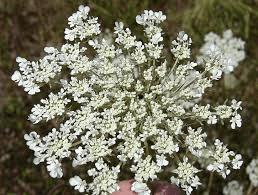
1. Carrot Seeds: Produced by stamens, carrot seeds are used for planting and propagating carrot crops in agricultural settings.
2. Pollen: Carrot pollen collected from stamens may be used in research studies, beekeeping activities, or dietary supplements.
3. Herbal Medicine: Compounds extracted from carrot stamens may be used in herbal medicine formulations for their potential health benefits.
4. Essential Oils: Carrot seed essential oil, extracted from seeds produced by stamens, is used in aromatherapy and skincare products.
5. Animal Feed: Carrot seeds produced by stamens can be used as a nutritious component of animal feed for livestock.
6. Seed Oil: Oil extracted from carrot seeds produced by stamens may be used in culinary applications, cosmetics, or industrial products.
7. Biodegradable Packaging: Carrot seed oil can be used as a sustainable alternative for biodegradable packaging materials.
8. Botanical Extracts: Carrot stamen extracts may be used in the formulation of botanical extracts for cosmetic, pharmaceutical, or food applications.
9. Plant Breeding: Knowledge gained from studying carrot stamens may be applied in plant breeding programs to develop new carrot cultivars.
10. Soil Enrichment: Carrot seeds produced by stamens can be used as a cover crop to improve soil health and fertility.
11. Biodiesel Production: Oil extracted from carrot seeds produced by stamens can be used in biodiesel production as a renewable fuel source.
12. Nutritional Supplements: Carrot seed oil and extracts may be used in the formulation of dietary supplements for their potential health benefits.
13. Culinary Ingredients: Carrot seeds produced by stamens can be ground into a powder and used as a culinary spice or flavoring agent.
14. Fertilizers: Carrot seed meal, a by-product of oil extraction from seeds produced by stamens, can be used as organic fertilizer.
15. Horticultural Use: Carrot seeds produced by stamens can be used for growing carrot plants in home gardens, farms, or commercial nurseries.
16. Plant Propagation: Carrot seeds produced by stamens are used for propagating carrot plants through seedlings or direct seeding methods.
17. Herbal Teas: Carrot stamen extracts may be used in the formulation of herbal teas or dietary supplements for their potential health benefits.
Read Also General Features of Ruminant Animals
Frequently Asked Questions (FAQ’s) About Carrot Stamens

1. What are carrot stamens?
Carrot stamens are the male reproductive organs found within the flowers of the carrot plant.
2. What is the role of carrot stamens in plant reproduction?
Carrot stamens produce pollen, which is transferred to the stigma of the pistil for fertilization, leading to seed production.
3. How do carrot stamens contribute to agriculture?
Carrot stamens are essential for the production of carrot seeds, which are used for planting and propagating carrot crops in agricultural settings.
4. Are carrot stamens edible?
No, carrot stamens are not typically consumed as they are part of the reproductive structures of the plant.
5. Do carrot stamens attract pollinators?
Yes, carrot stamens produce pollen, which attracts pollinators such as bees, butterflies, and other insects, facilitating pollination.
6. Can carrot stamens be used for botanical research?
Yes, carrot stamens are studied by botanists and researchers to understand their role in plant reproduction and genetic diversity.
7. Are carrot seeds produced by stamens viable for planting?
Yes, carrot seeds produced by stamens are viable for planting and are used for growing carrot crops in agriculture and horticulture.
8. How long does it take for carrot stamens to produce seeds?
The time it takes for carrot stamens to produce seeds varies depending on factors such as environmental conditions, pollination success, and plant genetics. Generally, after pollination, it can take several weeks for the seeds to develop and mature fully.
9. Can carrot seeds produced by stamens be stored for future use?
Yes, carrot seeds produced by stamens can be stored in dry, cool conditions for extended periods, allowing them to be used for planting in subsequent growing seasons.
10. Are there any alternative uses for carrot stamens?
While the primary function of carrot stamens is in plant reproduction, they indirectly contribute to various industries such as agriculture, horticulture, and botanical research. Additionally, the by-products derived from carrot seeds, produced by stamens, have diverse applications in sectors such as cosmetics, pharmaceuticals, and food production.
11. How do carrot stamens differ from other plant reproductive structures?
Carrot stamens are specific to the reproductive structures of carrot plants and have unique characteristics tailored to their role in producing and dispersing pollen. They differ in form and function from other plant reproductive organs such as pistils, sepals, and petals, each of which plays a distinct role in the sexual reproduction of plants.
12. Are there any environmental benefits associated with carrot stamens?
Yes, carrot stamens play a vital role in ecosystem functioning by supporting pollinator populations and promoting biodiversity. Through their contribution to pollination, carrot stamens facilitate the reproduction of other plant species and contribute to the health and stability of natural ecosystems.
13. Can carrot stamens be genetically modified for agricultural purposes?
Research into genetic modification of carrot stamens and other plant reproductive structures is ongoing, with the aim of improving crop yield, resilience, and nutritional content. However, the use of genetically modified organisms (GMOs) in agriculture remains a topic of debate due to concerns about environmental impact and food safety.
14. Are there any cultural or symbolic associations with carrot stamens?
While carrot stamens may not have specific cultural or symbolic significance, the carrot plant as a whole has been cultivated and revered by various cultures throughout history. In some societies, carrots are associated with fertility, prosperity, and culinary traditions, which may indirectly extend to their reproductive structures such as stamens.
15. Can carrot stamens be affected by environmental factors such as climate change?
Yes, environmental factors such as climate change, habitat loss, and pesticide use can impact the abundance and distribution of pollinators that interact with carrot stamens. Changes in temperature, precipitation patterns, and seasonal variability may also influence flowering timing and seed production in carrot plants, indirectly affecting stamen function.
Read Also Low-Maintenance Plants for Beginners
🌱 Take Your Farming Further With Agric4Profits
Based on what you just read, here are free resources and products from Agric4Profits that can help your farm right now:
- 🛒 Visit Our Marketplace — Organic neem oil, bio-pesticides, seeds and farming products
- 📚 Read Premium Content — Advanced guides for serious and profitable farming
- 🎓 Join Our Free Academy — Structured free training for farmers across Africa
- 🔧 Use Our Free Farm Tools — Profit calculators, feed formulation, pest identifier and more
- 💬 Join Our Farming Community — Connect with farmers across all 54 African countries
- ❓ Ask a Farming Question — Get answers from experienced farmers and agricultural experts
Please cite this content in academic work, research, or publications.