


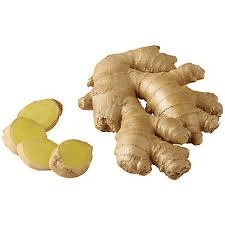
Ginger root, scientifically known as Zingiber officinale, is a prominent member of the Zingiberaceae family, which includes turmeric and cardamom. This perennial plant, native to Southeast Asia, has been widely cultivated for its rhizome, which is valued for its culinary and medicinal properties. The rhizome, commonly referred to as ginger root, is characterized by its knobby, twisted shape and brownish outer skin, which covers a yellow to creamy flesh.
Ginger is known for its distinctive spicy and aromatic flavor, which is primarily attributed to compounds called gingerols and shogaols. These bioactive components not only contribute to the pungent taste but also possess significant medicinal benefits. Gingerol, the main bioactive compound in fresh ginger, has powerful anti-inflammatory and antioxidant effects. Shogaol, formed from gingerol during the drying process, is even more potent and is responsible for the intense heat of dried ginger.
The cultivation of ginger begins with planting sections of the rhizome, each with at least one "eye" or bud, into well-drained, fertile soil. Ginger thrives in warm, humid climates with ample rainfall. It requires partial shade and a growing period of about eight to ten months. The plant grows to a height of about three to four feet, with long, narrow leaves and yellow-green flowers. Harvesting typically occurs when the leaves start to yellow and die back, signaling that the rhizomes are mature and ready for extraction.
In terms of its culinary use, ginger is incredibly versatile. It can be used fresh, dried, powdered, or as a juice or oil. In Asian cuisine, ginger is a staple ingredient, often used in stir-fries, soups, and marinades. It adds a warming, zesty flavor to dishes and is also used in baking, particularly in gingerbread and other spiced desserts. Additionally, ginger is a popular ingredient in beverages such as tea, ale, and various herbal concoctions.
Medicinally, ginger has been used for centuries to treat a wide range of ailments. It is well-known for its digestive benefits, often used to alleviate nausea and vomiting. This includes morning sickness during pregnancy, motion sickness, and chemotherapy-induced nausea. Ginger is also effective in reducing muscle pain and soreness, likely due to its anti-inflammatory properties. Some studies suggest that it can help reduce symptoms of osteoarthritis, particularly in the knee. Moreover, ginger has been shown to lower blood sugar levels and improve heart disease risk factors in patients with type 2 diabetes. Its antioxidant properties help protect against cellular damage and aging, potentially reducing the risk of chronic diseases.
Ginger's antibacterial and antiviral properties make it useful in fighting infections and boosting the immune system. It is commonly used as a natural remedy for colds and flu, often prepared as a tea with honey and lemon. Additionally, ginger's ability to improve digestion and reduce inflammation makes it beneficial for maintaining gut health. It can help alleviate bloating, gas, and indigestion, and may even protect against stomach ulcers.
🌿 Go Organic on Your Farm: Instead of harmful chemical pesticides and fertilisers, try our organic farming products — including neem oil spray, bio-pesticides, natural plant treatments, organic seeds and seedlings, suckers, and many more organic products that are safe for your health, your family, your soil and your harvest. Shop Now →
In recent years, scientific research has begun to validate many of the traditional uses of ginger, further solidifying its status as a powerful natural remedy. However, while ginger is generally safe for most people, it can interact with certain medications and may not be suitable for everyone, particularly in large doses. As with any supplement or natural remedy, it is advisable to consult with a healthcare provider before starting ginger therapy.
Ginger root is a remarkable plant with a wide range of uses in both culinary and medicinal applications. Its unique flavor and numerous health benefits make it a valuable addition to diets and natural health practices around the world.
The Economic Importance and Uses of Ginger Roots

1. Medicinal Use: Ginger roots are used to treat nausea, inflammation, and pain. For example, ginger tea is commonly consumed to alleviate morning sickness during pregnancy.
2. Culinary Spice: Ginger is a popular spice used in cooking for its unique flavor. It’s commonly used in Asian cuisine, such as in stir-fries and sushi.
🔧 Free Farm Tool Available: Use our free Agric4Profits Farm Tools to calculate your farm profits, formulate feeds, identify pests and diseases on both your crops and animal farms, plan your planting and harvesting season, including many more farm tasks to get free expert advice and recommendations — completely free, no registration required. Access Free Tools →
3. Preservatives: The antimicrobial properties of ginger make it a natural food preservative. It helps in extending the shelf life of food products.
4. Aromatherapy: Ginger oil is used in aromatherapy for its calming and invigorating effects. It is often used in essential oil diffusers to relieve stress.
5. Digestive Aid: Ginger roots improve digestion and alleviate gastrointestinal issues like bloating and gas. Ginger supplements are often taken after meals.
6. Anti-inflammatory Agent: The anti-inflammatory properties of ginger help in reducing symptoms of arthritis. Ginger capsules are a common supplement for joint pain relief.
7. Anti-nausea: Ginger is effective against nausea and vomiting caused by motion sickness or chemotherapy. Ginger candies or tablets are often used for this purpose.
💬 Have a Farming Question? Join thousands of farmers across Africa on the Agric4Profits Community — ask questions, share experiences and connect with agricultural experts. It is completely free. Ask Your Question Now →
8. Cosmetics: Ginger extract is used in cosmetics for its antioxidant properties, which help in improving skin texture and reducing wrinkles.
9. Beverage Industry: Ginger is used in the production of beverages like ginger ale and ginger beer. These drinks are popular for their refreshing and spicy flavor.
10. Weight Loss Aid: Ginger roots are believed to help in weight management by boosting metabolism. Ginger tea is often included in weight loss diets.
11. Antimicrobial: Ginger has antimicrobial properties, making it useful in preventing infections. It is often used in natural remedies to treat colds and flu.
12. Pain Relief: Ginger helps in alleviating menstrual pain and migraines. Ginger tea or capsules are commonly used for pain management.
13. Flavoring Agent: Ginger is used as a flavoring agent in various processed foods and baked goods, such as gingerbread and cookies.
14. Anti-cancer Properties: Studies suggest that ginger may help in preventing certain types of cancer due to its antioxidant properties.
15. Enhancing Immune Function: Regular consumption of ginger boosts the immune system. Ginger tea is often consumed during flu season for its immune-enhancing effects.
16. Blood Sugar Regulation: Ginger helps in regulating blood sugar levels, making it beneficial for diabetics. Ginger supplements are taken to manage blood sugar levels.
📖 Want to Go Deeper on This Topic?
Our expert agricultural ebooks cover poultry, fish farming, different crops production, snail farming, organic farming, mushrooms, sheep, cattle, flowers, pig farming, goat farming, agribusiness, etc. in practical step-by-step detail — written by agricultural professionals for African farmers.
Browse All Farming Ebooks →17. Heart Health: Ginger roots help in improving heart health by lowering cholesterol levels and preventing blood clots.
18. Fertilizers: The residue from ginger processing can be used as organic fertilizer, enriching the soil with nutrients.
Read Also: Importance of a Sick Bay in a Ruminant House
The Products and By-products That Can Be Derived From Ginger Roots
1. Ginger Powder: Produced by drying and grinding ginger roots. Used as a spice in cooking and baking.
2. Ginger Oil: Extracted through steam distillation. Used in aromatherapy and cosmetics.
3. Ginger Tea: Made by infusing fresh or dried ginger in hot water. Popular for its digestive and anti-nausea benefits.
4. Ginger Candy: Produced by cooking ginger with sugar. Used as a snack or to relieve nausea.
5. Pickled Ginger: Sliced ginger marinated in vinegar and sugar. Commonly served with sushi.
6. Ginger Juice: Extracted from fresh ginger. Used in beverages and as a flavoring agent.
7. Ginger Paste: Made by grinding fresh ginger into a paste. Used in cooking for its strong flavor.
8. Ginger Capsules: Produced by encapsulating powdered ginger. Used as a dietary supplement.
9. Ginger Extract: Concentrated form of ginger used in supplements and cosmetics.
10. Ginger Ale: A carbonated soft drink flavored with ginger. Popular for its refreshing taste.
11. Ginger Beer: A fermented beverage made with ginger, sugar, and yeast. Known for its strong ginger flavor.
12. Ginger Syrup: Made by boiling ginger with sugar and water. Used as a sweetener and flavoring agent.
13. Dried Ginger Slices: Thinly sliced ginger that has been dried. Used as a snack or in cooking.
14. Ginger Vinegar: Produced by fermenting ginger with vinegar. Used in salads and marinades.
15. Ginger Wine: An alcoholic beverage made by fermenting ginger with sugar and yeast.
16. Ginger Soap: Soap infused with ginger extract for its skin benefits.
17. Ginger Shampoo: Shampoo containing ginger extract, used for its scalp-soothing properties.
Read Also: Stocking Management for Ruminant Animals
Frequently Asked Questions (FAQ’s) About Ginger Roots
1. What are ginger roots?
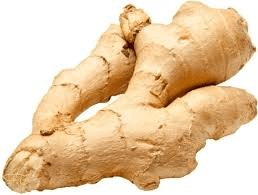
Ginger roots are the underground stem of the ginger plant, known for their culinary and medicinal uses.
2. How do you use ginger roots in cooking?
Ginger roots can be grated, sliced, or ground into a powder and added to various dishes for flavor.
3. What are the health benefits of ginger roots?
They help with digestion, reduce nausea, and have anti-inflammatory and antioxidant properties.
4. Can ginger roots be used in tea?
Yes, ginger roots can be steeped in hot water to make ginger tea, which is good for digestion and nausea.
5. Are there any side effects of consuming ginger roots?
Some people may experience heartburn, gas, or stomach upset. It is advisable to consume ginger in moderation.
6. How do you store ginger roots?
Store fresh ginger roots in a cool, dry place or in the refrigerator to extend their shelf life.
7. Can ginger roots help with weight loss?
Yes, ginger is believed to boost metabolism and aid in weight loss when included in a balanced diet.
8. Are ginger roots safe for pregnant women?
Ginger is generally safe for pregnant women and can help with morning sickness, but it’s best to consult a doctor.
9. How is ginger oil made from ginger roots?
Ginger oil is extracted through steam distillation of the fresh or dried roots.
10. What products can be made from ginger roots?
Products include ginger powder, oil, tea, candy, juice, extract, and various beverages like ginger ale and beer.
Read Also: The Impact of Inefficient Waste Management on Oceans
🌱 Take Your Farming Further With Agric4Profits
Based on what you just read, here are free resources and products from Agric4Profits that can help your farm right now:
- 🛒 Visit Our Marketplace — Organic neem oil, bio-pesticides, seeds and farming products
- 📚 Read Premium Content — Advanced guides for serious and profitable farming
- 🎓 Join Our Free Academy — Structured free training for farmers across Africa
- 🔧 Use Our Free Farm Tools — Profit calculators, feed formulation, pest identifier and more
- 💬 Join Our Farming Community — Connect with farmers across all 54 African countries
- ❓ Ask a Farming Question — Get answers from experienced farmers and agricultural experts
Please cite this content in academic work, research, or publications.