


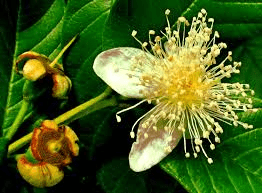
Guava stamens are critical components of the guava flower’s reproductive system. These structures, belonging to the genus Psidium in the Myrtaceae family, are responsible for the production and dissemination of pollen, which is essential for fertilization and the subsequent development of fruit.
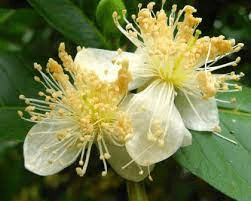
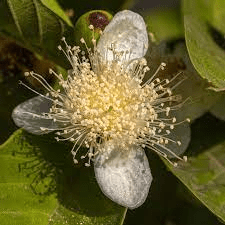
Stamens in guava flowers are typically numerous, often numbering in the hundreds. Each stamen consists of two main parts: the filament and the anther. The filament is a slender, thread-like structure that supports the anther, positioning it where it can effectively release pollen. Filaments can vary in length but are generally long enough to extend the anthers outward, making the pollen accessible to pollinators.
The anther is the pollen-producing part of the stamen. It is usually bilobed, with each lobe containing pollen sacs where pollen grains develop. These sacs are called microsporangia. As the flower matures, the anthers dehisce, or split open, to release the pollen. This pollen can then be transferred to the stigma of the same flower (self-pollination) or another flower (cross-pollination), typically facilitated by wind, insects, or other pollinators.
The structure of the pollen grains is also significant. Guava pollen is generally spherical and has a tough outer wall called the exine, which protects the genetic material during its transfer from one flower to another. The surface of the pollen grain often has unique patterns or structures that help it adhere to pollinators.
The role of guava stamens is essential for the reproductive success of the plant. By producing and dispersing pollen, they enable the fertilization process, which leads to the formation of seeds and fruit. The large number of stamens in guava flowers increases the chances of successful pollination by producing ample pollen and increasing the likelihood that some of it will reach a compatible stigma.
Environmental factors can significantly impact the development and function of guava stamens. Adequate sunlight, water, and nutrients are crucial for the healthy development of flowers and their stamens. Stressors such as drought, poor soil quality, or extreme temperatures can lead to underdeveloped or dysfunctional stamens, thereby reducing the plant’s reproductive success.
Guava stamens are vital reproductive structures that produce and release pollen necessary for fertilization and fruit development. Each stamen consists of a filament and an anther, with the latter producing pollen in sacs called microsporangia. The numerous stamens in guava flowers enhance the plant’s chances of successful pollination, supported by their structure and environmental conditions. Understanding the role and function of guava stamens can provide valuable insights into improving pollination efficiency and fruit yield in guava cultivation.
The Economic Importance and Uses of Guava Stamens
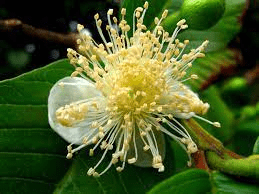
1. Herbal Medicine: Guava stamens are used in traditional medicine for their potential health benefits, such as anti-inflammatory and antioxidant properties.
2. Natural Dyes: Pigments extracted from guava stamens can be used as natural dyes in textiles and crafts.
3. Composting Material: Guava stamens can be composted to create organic fertilizer, enriching the soil.
4. Mulch: Shredded guava stamens are used as mulch to retain soil moisture and suppress weed growth.
5. Potpourri: Dried guava stamens are used in potpourri for their natural fragrance and aesthetic appeal.
6. Skincare Products: Extracts from guava stamens are incorporated into skincare products for their beneficial properties.
7. Animal Feed: Guava stamens can be used as a supplementary feed for livestock.
8. Biofertilizer: Compost made from guava stamens can be used as a biofertilizer to enhance soil health.
9. Natural Pest Repellent: Extracts from guava stamens can be used to create natural pest repellents for crops.
10. Charcoal Production: Guava stamens can be processed into charcoal, which is used as a fuel and in various industrial applications.
11. Craft Materials: The stamens are used in crafting to create decorative items and art.
12. Eco-friendly Packaging: Guava stamens can be processed into biodegradable packaging materials.
13. Soil Erosion Control: Guava stamens can be used in projects to control soil erosion and stabilize land.
14. Biomass Energy: They can be used as biomass for generating renewable energy.
15. Fertilizer Additive: Guava stamens can be added to fertilizers to enhance their nutrient content.
16. Animal Bedding: Dried stamens can be used as bedding material for livestock.
17. Environmental Conservation: Guava stamens contribute to environmental conservation by improving soil health and preventing erosion.
18. Artistic Uses: Guava stamens are used in artistic projects and crafts for their unique appearance.
Read Also: Clean your Kidney now with Garden Egg Leaves
The Products and By-products That Can Be Derived From Guava Stamens
1. Natural Dyes: Pigments from guava stamens are extracted for use as natural dyes.
2. Compost: Guava stamens are composted to produce nutrient-rich compost for soil improvement.
3. Mulch: Shredded stamens are used as mulch to conserve soil moisture and control weeds.
4. Potpourri: Dried stamens are used in potpourri mixes for their fragrance.
5. Skincare Products: Extracts from guava stamens are incorporated into creams and lotions for their skin benefits.
6. Animal Feed: Stamens are used in feed mixtures for livestock.
7. Biofertilizer: Compost made from guava stamens is used as a biofertilizer.
8. Natural Pest Repellents: Extracts are used to make natural pest repellents.
9. Charcoal: Stamens can be carbonized to produce charcoal for fuel.
10. Craft Materials: Guava stamens are used in crafting and decorative projects.
11. Eco-friendly Packaging: Processed stamens are used in biodegradable packaging.
12. Soil Erosion Control: Guava stamens are used to prevent soil erosion and stabilize land.
13. Biomass Energy: Stamens are used as biomass for renewable energy generation.
14. Fertilizer Additive: Guava stamens are added to fertilizers to enhance their nutrient content.
15. Animal Bedding: Dried stamens are used as bedding for livestock.
16. Environmental Projects: Stamens contribute to environmental conservation efforts.
17. Artistic Projects: Guava stamens are used in art and craft projects for their aesthetic qualities.
18. Soil Conditioner: Guava stamens are used as soil conditioners to improve soil structure and fertility.
Read Also: Snow Bengal Cat Breed Description and Care Guide
Frequently Asked Questions (FAQ’s) About Guava Stamens
1. What are the uses of guava stamens in traditional medicine?
Guava stamens are used for their anti-inflammatory and antioxidant properties in traditional medicine.
2. How can guava stamens be used as natural dyes?
Pigments from guava stamens are extracted and used to dye textiles and crafts.
3. Can guava stamens be used in composting?
Yes, guava stamens can be composted to enrich soil with organic matter and nutrients.
4. How are guava stamens used in skincare products?
Extracts from guava stamens are incorporated into skincare products for their beneficial properties.
5. Are guava stamens effective as a natural pest repellent?
Yes, extracts from guava stamens can be used to create natural pest repellents for crops.
6. Can guava stamens be used for energy production?
Yes, they can be used as biomass for generating renewable energy or processed into charcoal.
7. How are guava stamens used in crafting?
Guava stamens are used to create decorative items and art due to their unique appearance.
8. What is the role of guava stamens in soil erosion control?
They are used in projects to stabilize soil and prevent erosion.
9. How can guava stamens be used in eco-friendly packaging?
Processed guava stamens are used to create biodegradable packaging materials.
10. Can guava stamens be used as animal feed?
Yes, guava stamens can be used as supplementary feed for livestock.
Read Also: How To Raise Chickens – The Simple Secrets To A Great Backyard Flock