


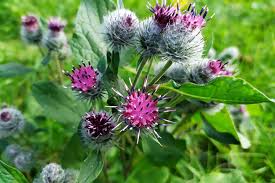
Burdock is a plant, it grows in many places around the world. People use parts of the burdock plant for food and medicine. It has long, strong roots that are brown on the outside and white on the inside. Some people call these plant roots burrs.
Burdock roots are edible. People can eat them in different ways. They can be sliced and cooked in soups or stir-fries. Some people even make burdock root tea by boiling the sliced roots in water. This tea is thought to have health benefits.
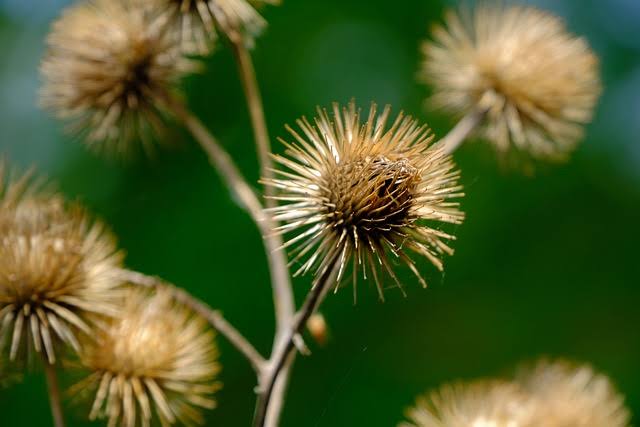
One interesting thing about burdock is its ability to stick to things. The burrs on the plant can attach to clothing and animal fur. This helps the plant spread its seeds to new places. Sometimes, people find these burrs stuck to their clothes after walking through fields where burdock grows.
In traditional medicine, burdock has been used for various purposes. Some people believe it can help with skin conditions like acne. They use burdock root extracts in creams and ointments. Others think it can help with digestion and use it as a natural remedy.
Burdock leaves are also edible, but they are often bitter. People might cook them or use them in salads. However, the roots are more commonly used for food and medicine.
Apart from its uses in food and medicine, burdock has been considered a weed by some people. It can grow in gardens and fields where it’s not wanted. Its deep roots make it hard to remove. But for those who appreciate its benefits, burdock is a valuable plant.
In addition, burdock is a versatile plant. Its roots can be eaten and used in traditional medicine. Its burrs help it spread its seeds, although they can be a nuisance for people. Whether you see it as a weed or a valuable resource depends on your perspective.
Read Also: Plant Breeding For Disease and Pest Resistance and Their Inheritance
14 Health Benefits of Burdock
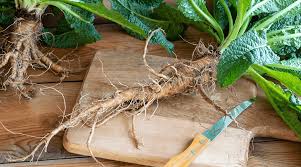
Burdock is a plant that has been used for centuries in traditional medicine. While scientific research on its health benefits is ongoing, here are 14 potential health benefits that have been attributed to burdock:
1. Blood Sugar Regulation: Burdock may help stabilize blood sugar levels, which can be beneficial for individuals with diabetes.
2. Anti-Inflammatory: It is believed to have anti-inflammatory properties, potentially reducing inflammation in the body.
3. Digestive Health: Burdock can support digestive health by promoting healthy gut bacteria and improving digestion.
4. Detoxification: It is thought to help the body eliminate toxins by supporting liver and kidney function.
5. Skin Health: Burdock has been used to treat skin conditions like acne, eczema, and psoriasis due to its potential anti-inflammatory and antioxidant properties.
6. Antioxidant Effects: The plant contains antioxidants that can help protect cells from damage caused by free radicals.
7. Antibacterial: Burdock may have antibacterial properties, which could help combat harmful bacteria in the body.
8. Weight Management: Some people use burdock to aid in weight loss because it may help reduce water retention and support a healthy metabolism.
9. Urinary Health: Burdock is believed to promote urinary health and may help with urinary tract infections.
10. Blood Pressure: It might help lower blood pressure due to its potential diuretic effect.
11. Cancer Prevention: Some studies suggest that burdock may have compounds with anticancer properties, but more research is needed.
12. Immune System Support: It may strengthen the immune system, making it more effective at fighting infections.
13. Arthritis Relief: Some people use burdock for arthritis and joint pain relief due to its anti-inflammatory effects.
14. Heart Health: Burdock could potentially support heart health by lowering cholesterol levels and improving blood circulation.
Scientific Evidence and Case Studies on Burdock Plant
1. Detoxification and Liver Support: Studies show that Arctium lappa (Burdock) supports liver function by enhancing the elimination of toxins and promoting bile production.
2. Antioxidant and Anti-inflammatory Properties: Research indicates that burdock contains phenolic acids, quercetin, and luteolin, which help reduce inflammation and oxidative stress in the body.
3. Blood Purification and Circulation: Scientific evidence reveals that burdock root acts as a natural blood purifier, improving circulation and removing harmful substances from the bloodstream.
4. Skin Health Improvement: Studies demonstrate that burdock’s antibacterial and anti-inflammatory effects make it effective in managing skin conditions such as acne, eczema, and psoriasis.
5. Antidiabetic Effects: Research suggests that burdock helps regulate blood sugar levels and improve insulin sensitivity in individuals with diabetes.
Nutritional Value Of Burdock Plant
1. Rich in Antioxidants: Burdock contains powerful antioxidants like quercetin and phenolic acids that protect cells from free radical damage.
2. High in Inulin (Prebiotic Fiber): This dietary fiber supports healthy gut bacteria and aids digestion.
3. Contains Vitamins and Minerals: Burdock provides vitamin C, vitamin E, potassium, magnesium, and iron that contribute to overall health.
4. Supports Liver and Kidney Function: It promotes detoxification by stimulating bile flow and flushing out waste products.
5. Aids Blood Sugar Regulation: Inulin helps stabilize glucose levels and reduce sugar spikes after meals.
6. Promotes Clear Skin: Its anti-inflammatory and antibacterial properties support clearer and healthier skin.
7. Enhances Immunity: Burdock’s phytonutrients strengthen the immune system and improve resistance to infections.
5 Common Uses of Burdock
Burdock is a versatile plant with various common uses:
1. Culinary Use: Burdock roots are often used in cooking. They can be sliced, chopped, or grated and added to soups, stews, and stir-fries. Some people enjoy them pickled or in tempura dishes. The taste is earthy and somewhat sweet.
2. Medicinal Purposes: Burdock has a history of use in traditional medicine. Its roots and leaves are used to make herbal teas, tinctures, and extracts. It’s believed to have potential health benefits, such as supporting digestion, detoxification, and skin health.
3. Skin Care: Burdock is used in various skincare products, including creams, lotions, and cleansers. Its potential anti-inflammatory and antibacterial properties make it a popular ingredient for addressing skin conditions like acne and eczema.
4. Detoxification: Some herbal detox teas and supplements contain burdock due to its purported ability to aid in the body’s natural detoxification processes, particularly supporting liver and kidney function.
5. Wild Edible: In some regions, burdock leaves are used as a wild edible. They can be blanched or sautéed and used as a green vegetable in salads or as a side dish.
These common uses of burdock highlight its versatility, from culinary applications to potential health benefits and skincare uses. However, it’s important to use burdock safely and in moderation, especially when using it for medicinal purposes, and consult with a healthcare professional or herbalist if needed.
Read Also: Four Questions About Pest Resistance Traits
Burdock Root Tea
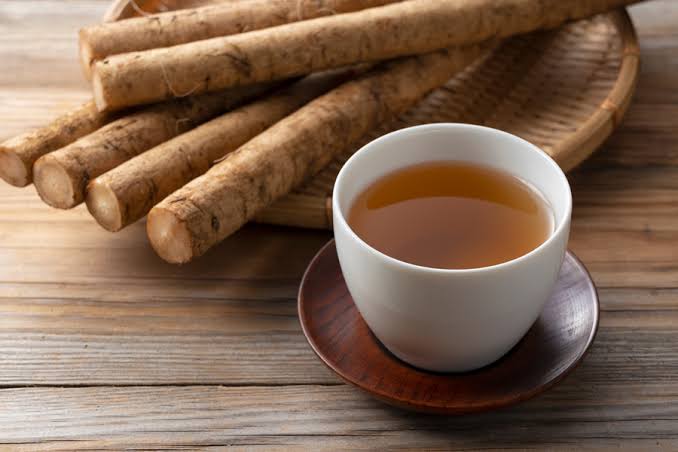
Burdock root tea is a wonderful drink made from the roots of the burdock plant. It is known for its many health benefits and delicious, earthy flavor. People have been enjoying this tea for centuries, and it’s easy to see why. In this article, we will explore the fascinating world of burdock root tea, its history, preparation, and the amazing ways it can benefit your health.
What is Burdock Root Tea? Burdock root tea is a beverage crafted from the root of the burdock plant, scientifically known as Arctium lappa. This plant is native to Europe and Asia but is now cultivated in various parts of the world. The burdock root has been traditionally used in herbal medicine for its potential health-promoting properties.
Burdock root tea has a rich history dating back centuries. It was originally used in traditional Chinese and Ayurvedic medicine for its healing properties. In Europe, burdock root was consumed as a vegetable and was also utilized as a remedy for various ailments.
How to Prepare Burdock Root Tea
Making burdock root tea is a simple process. Here’s how you can prepare it:
1. Ingredients: You’ll need dried burdock root, water, and a pot.
2. Measure: Use about 2-3 teaspoons of dried burdock root for every cup of water.
3. Boil: Bring the water to a boil and add the dried burdock root.
4. Simmer: Reduce the heat to a low simmer and let it steep for 10-15 minutes.
5. Strain: Remove the tea from heat and strain it into a cup.
6. Enjoy: You can drink burdock root tea as is or add a touch of honey or lemon for extra flavor.
Health Benefits of Drinking Burdock Root Tea
Burdock root tea is renowned for its potential health benefits, which include:
1. Detoxification: Burdock root tea may help support your body’s natural detoxification processes by promoting liver and kidney health.
2. Skin Health: Some people believe that burdock root tea can improve skin conditions, like acne and eczema, due to its anti-inflammatory properties.
3. Digestive Aid: It’s thought to aid digestion by stimulating the production of digestive juices and enzymes.
4. Anti-Inflammatory: Burdock root tea contains antioxidants and anti-inflammatory compounds that may help reduce inflammation in the body.
5. Antioxidant Boost: It’s a source of antioxidants that can combat harmful free radicals.
6. Blood Sugar Control: Some studies suggest it may help regulate blood sugar levels.
7. Immune Support: Burdock root tea can support your immune system, helping you stay healthy.
Frequently Asked Questions About Burdock Plant
1. What is the Burdock Plant?
The Burdock Plant (Arctium lappa) is a medicinal herb known for its detoxifying, anti-inflammatory, and skin-healing properties.
2. What are the main benefits of Burdock?
It supports liver health, purifies the blood, promotes clear skin, and regulates blood sugar levels.
3. Can Burdock help cleanse the liver?
Yes, burdock stimulates bile flow and enhances liver detoxification processes.
4. Is Burdock good for the skin?
Yes, it helps reduce acne, eczema, and other skin irritations due to its antibacterial and purifying effects.
5. Can Burdock help with diabetes?
Yes, its inulin content supports healthy blood sugar regulation and insulin function.
6. How is Burdock consumed?
It can be taken as tea, tincture, capsules, or cooked root.
7. Does Burdock have any side effects?
It is generally safe, but excessive use may cause dehydration or lower blood sugar too much.
8. Can pregnant women use Burdock?
It should be avoided during pregnancy unless prescribed by a healthcare provider.
9. How often can I drink Burdock Tea?
It can be consumed 3–4 times per week to support detoxification and wellness.
Do you have any questions, suggestions, or contributions? If so, please feel free to use the comment box below to share your thoughts. We also encourage you to kindly share this information with others who might benefit from it. Since we can’t reach everyone at once, we truly appreciate your help in spreading the word. Thank you very much for your support and for sharing!
Disclaimer: This article is for educational and informational purposes only. The health benefits described are based on scientific research and traditional knowledge. They are not a substitute for professional medical advice, diagnosis, or treatment. Always consult a healthcare professional before using any herb or natural remedy for medical purposes.
Read Also: 5 Critical Business Growth Tips That Can Catapult Your Success