


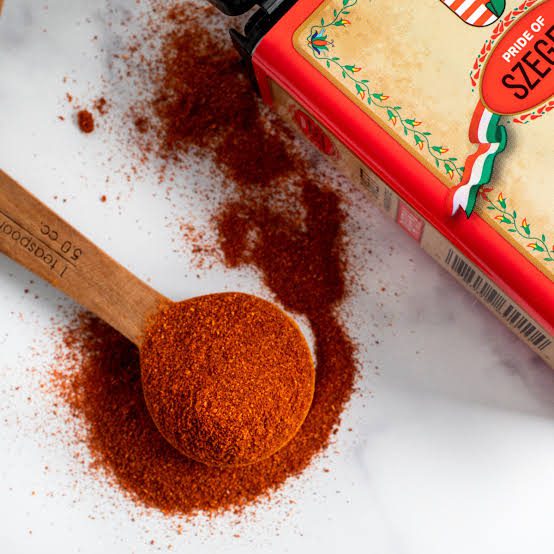
Paprika Seasoning is a special spice that makes our food taste better. It comes from red peppers and adds a nice color and flavor to many dishes. People use it in cooking all around the world.
Paprika Seasoning can be found in many forms, like powder or flakes. It is made by grinding dried red peppers into a fine powder. This powder can be mild, sweet, or hot, depending on the type of peppers used.
One of the great things about Paprika Seasoning is its bright red color. It can make your food look more appealing. It’s like adding a splash of color to your plate.
People often use Paprika Seasoning in soups, stews, and sauces. It gives them a rich and savory taste. You can also sprinkle it on meat, chicken, or fish before cooking. This adds a tasty crust and a lovely color.
Some people like their food spicy, so they use hot Paprika Seasoning. Others prefer a milder taste, so they choose sweet Paprika Seasoning. There are many varieties to choose from, so you can find the one that suits your taste.
Paprika Seasoning isn’t just for flavor; it’s good for you too. It has antioxidants that can help keep you healthy. Antioxidants are like little protectors that keep your body safe from harmful things.
In some countries, like Hungary and Spain, Paprika Seasoning is a big deal. They even have special types of Paprika Seasoning that are unique to their regions. These special Paprikas have a deep and complex flavor that’s famous worldwide.
Paprika Seasoning is easy to use. You just sprinkle it on your food. But remember, a little goes a long way. Too much can make your dish too spicy. So, start with a pinch and add more if you like.
In addition, Paprika Seasoning is a wonderful spice that can make your food taste and look better. It comes from red peppers and comes in many flavors, from sweet to hot. People all over the world use it in their cooking. So, the next time you’re in the kitchen, don’t forget to reach for the Paprika Seasoning to add that special touch to your dishes.
Read Also: Everything You Need To Know About Floratam Sod Grass
15 Health Benefits of Paprika Seasoning
Paprika seasoning not only adds flavor and color to your dishes but also offers several health benefits. Here are 15 health benefits of paprika seasoning:
1. Rich in Antioxidants: Paprika is packed with antioxidants like vitamin C, vitamin E, and beta-carotene, which help combat free radicals and protect your cells from damage.
2. Boosts Immunity: The high vitamin C content in paprika can strengthen your immune system, helping you fight off illnesses.
3. Anti-Inflammatory: Paprika contains compounds that may help reduce inflammation in the body, potentially benefiting conditions like arthritis.
4. Digestive Health: It aids digestion by stimulating the production of gastric juices and promoting better digestion of food.
5. Heart Health: Paprika can support heart health by reducing blood pressure and improving cholesterol levels.
6. Weight Management: Some studies suggest that the capsaicin in paprika can boost metabolism and aid in weight loss.
7. Pain Relief: Topical capsaicin creams, made from paprika extract, are used for pain relief, particularly for conditions like arthritis and muscle pain.
8. Eye Health: The presence of vitamin A in paprika contributes to eye health and can help prevent age-related macular degeneration.
9. Cancer Prevention: The antioxidants in paprika may help reduce the risk of certain cancers by protecting cells from damage.
10. Blood Sugar Control: Paprika can help regulate blood sugar levels, making it beneficial for individuals with diabetes.
11. Skin Health: The vitamins in paprika can contribute to healthy skin by promoting collagen production and reducing skin aging.
12. Respiratory Health: Capsaicin in paprika may help relieve nasal congestion and improve respiratory health.
13. Pain Management: Capsaicin is known for its pain-relieving properties, making it useful for conditions like neuropathic pain.
14. Bone Health: Paprika contains some minerals like calcium and magnesium that support bone health.
15. Improved Mood: Consuming spicy foods like paprika can trigger the release of endorphins, which can improve mood and reduce stress.
Scientific Evidence and Case Studies on Paprika Seasoning
1. Antioxidant Properties: Paprika is rich in carotenoids like beta-carotene and lutein, which studies show neutralize free radicals, protecting cells from oxidative damage linked to aging and chronic diseases.
2. Anti-Inflammatory Effects: Capsaicin and other compounds in paprika have been shown to reduce inflammation markers, potentially alleviating symptoms of arthritis and other inflammatory conditions.
3. Cardiovascular Health Support: Research indicates paprika’s carotenoids may lower LDL cholesterol oxidation and improve blood vessel function, reducing the risk of heart disease.
4. Vision Health Benefits: Studies suggest the high vitamin A and carotenoid content in paprika supports eye health, protecting against age-related macular degeneration and improving night vision.
Nutritional Value Of Paprika Seasoning
1. Vitamin A: Paprika is high in vitamin A from carotenoids, supporting vision, immune function, and skin health by protecting against infections and oxidative damage.
2. Vitamin C: Acts as an antioxidant, boosting immunity, promoting collagen production for skin and tissue repair, and aiding iron absorption to prevent anemia.
3. Capsaicin: Found in varying amounts depending on the paprika type, capsaicin supports metabolism, reduces inflammation, and aids digestion and pain relief.
4. Iron: Provides iron, essential for hemoglobin production, preventing anemia, and supporting oxygen transport for energy and vitality.
5. Vitamin E: Contains vitamin E, an antioxidant that protects cell membranes, supports skin health, and may reduce the risk of cardiovascular issues.
6. Potassium: Offers potassium, which helps regulate blood pressure, supports heart function, and aids muscle and nerve activity.
10 Uses of Paprika Seasoning
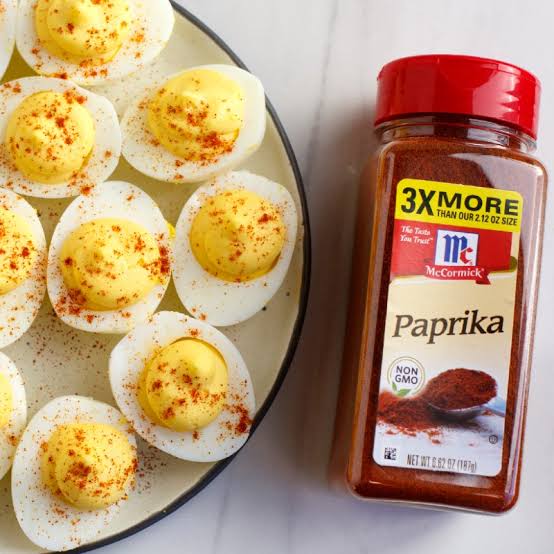
Paprika seasoning is a versatile spice that can be used in a variety of dishes to enhance flavor and add color. Here are 10 uses for paprika seasoning:
1. Seasoning for Meat: Sprinkle paprika on chicken, pork, or beef before grilling, roasting, or pan-frying to add a smoky, mildly spicy flavor.
2. Soups and Stews: Stir paprika into soups and stews, such as goulash or chili, for a rich and savory taste.
3. Rice and Grains: Add paprika to rice dishes, like paella or jambalaya, to infuse them with a warm and earthy flavor.
4. Eggs: Sprinkle paprika on scrambled eggs, omelets, or deviled eggs to give them a pop of color and a subtle smokiness.
5. Potato Dishes: Toss paprika with roasted or mashed potatoes to create a flavorful side dish. Paprika can also be used to make paprika-spiced potato wedges.
6. Seafood: Use paprika as a rub or seasoning for fish and seafood dishes, such as grilled shrimp or baked salmon.
7. Sauces and Marinades: Incorporate paprika into barbecue sauces, marinades, and salad dressings for a hint of smokiness and color.
8. Vegetables: Sprinkle paprika on roasted or grilled vegetables, like bell peppers, zucchini, or corn, to enhance their flavor and appearance.
9. Dips and Spreads: Mix paprika into yogurt-based dips, hummus, or mayonnaise to create flavorful spreads for sandwiches, wraps, or vegetable platters.
10. Popcorn Seasoning: Sprinkle paprika on popcorn, along with a bit of salt, for a unique and savory popcorn seasoning.
These are just a few ideas to get you started, but paprika’s uses are virtually limitless. Experiment with different types of paprika, such as sweet, hot, or smoked, to discover the flavors and heat levels that best complement your dishes.
Read Also: A Guide to Growing and Caring for Plume Grass (Feather Grass)
Paprika Powder
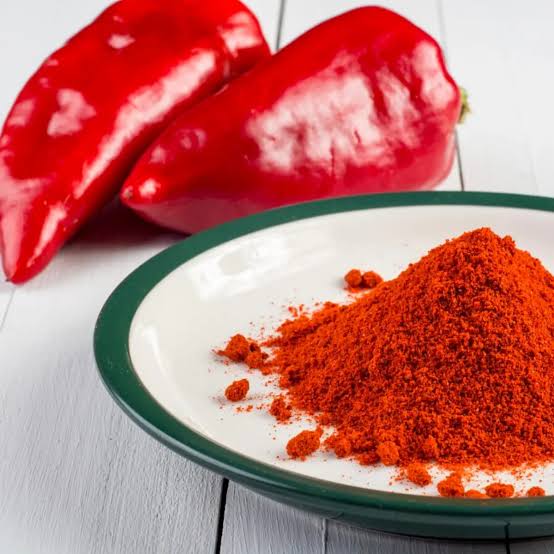
Paprika Powder is a flavorful spice that comes from dried and ground red peppers. It is a very versatile ingredient used in cooking all around the world. This bright red powder can add a burst of color and a mild, sweet, and sometimes slightly smoky flavor to a wide variety of dishes.
Paprika Powder is made by drying and grinding different types of red peppers, primarily Capsicum annuum varieties. These peppers can vary in spiciness, but most paprika powders on the market are relatively mild. The peppers are typically harvested when they reach their ripe red color, as this is when they are at their sweetest.
Types of Paprika Powder
There are several varieties of paprika powder available, and they can vary in flavor and heat. Some common types include:
1. Sweet Paprika: This is the most common variety and has a mild, sweet flavor. It’s often used to add color and flavor to dishes like deviled eggs, roasted vegetables, and soups.
2. Smoked Paprika: This type of paprika is made by smoking the peppers before drying and grinding them. It has a distinctive smoky flavor that can add depth to dishes like chili, barbecue sauces, and paella.
3. Hot Paprika: If you like a bit of heat, hot paprika is the choice for you. It has a spicier kick compared to sweet paprika and can be used to add some heat to dishes like spicy stews, curries, and Mexican cuisine.
4. Hungarian Paprika: Known for its high quality and rich flavor, Hungarian paprika comes in various grades, from sweet to hot. It’s often used in traditional Hungarian dishes like goulash and paprikash.
Uses of Paprika Powder
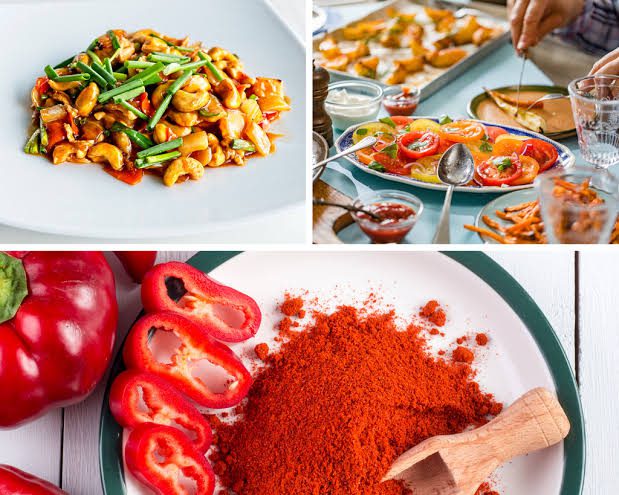
Paprika powder is a kitchen essential in many households due to its wide range of culinary uses:
1. Seasoning: It’s a popular seasoning for meats, poultry, and seafood. You can use it to rub onto chicken before roasting, sprinkle it on grilled fish, or mix it into ground meat for flavorful burgers.
2. Garnish: Paprika’s vibrant red color makes it an excellent garnish. Sprinkle it on top of dishes like mashed potatoes, deviled eggs, or hummus to add visual appeal.
3. Soups and Stews: Many soups and stews benefit from the subtle sweetness and color enhancement that paprika provides. Try it in your next pot of chili or beef stew.
4. Rice and Grains: Paprika can be used to season rice, couscous, and quinoa. It adds a lovely hue and a hint of flavor to these side dishes.
5. Marinades: Create flavorful marinades for meats and vegetables by combining paprika with other herbs and spices. It’s a key ingredient in dishes like chicken paprikash.
Health Benefits of Paprika Powder
Paprika offers more than just flavor; it also contains several health benefits:
1. Rich in Antioxidants: Paprika contains antioxidants like vitamin C and carotenoids, which help protect your cells from damage.
2. Vitamin A: It’s a good source of vitamin A, important for maintaining healthy vision and immune function.
3. Anti-Inflammatory: Some studies suggest that paprika’s compounds may have anti-inflammatory properties.
4. Digestive Aid: Paprika can stimulate the production of gastric juices, aiding digestion.
Paprika powder is a versatile spice that can add flavor, color, and a touch of sweetness to a wide range of dishes. Whether you prefer the mild sweetness of sweet paprika or the smoky kick of smoked paprika, it’s a must-have in your spice cabinet.
Frequently Asked Questions About Paprika Seasoning
1. What is paprika seasoning? Paprika seasoning is a spice made from dried and ground Capsicum annuum peppers, ranging from sweet to hot, used to add flavor and color to dishes.
2. How does paprika differ from chili powder? Paprika is milder, focusing on sweet or smoky flavors, while chili powder often includes hotter peppers and additional spices like cumin or garlic.
3. Can paprika seasoning be used in place of other spices? Yes, it can substitute for mild chili powder or cayenne in smaller amounts, adding color and subtle flavor without intense heat.
4. Does paprika seasoning have health benefits? Yes, it offers antioxidant, anti-inflammatory, and cardiovascular benefits from carotenoids and capsaicin, supporting immunity and heart health in moderation.
5. How should paprika seasoning be stored? Store in an airtight container in a cool, dry, dark place to preserve flavor and color for up to one year.
6. Can paprika seasoning cause side effects? Rare, but excessive use of hot paprika may cause stomach irritation or heartburn; those with spice sensitivities should use mild varieties.
7. Is paprika seasoning safe for everyone? Most can use it safely, but individuals with pepper allergies or digestive issues should consult a doctor before use.
8. How can I use paprika seasoning in cooking? Sprinkle on roasted vegetables, meats, soups, stews, or deviled eggs for flavor and vibrant color; use smoked paprika for a BBQ taste.
9. Does paprika seasoning lose its flavor over time? Yes, it fades if exposed to light or heat; check for vibrant color and aroma, and replace after about a year.
10. Can paprika seasoning be used in sweet dishes? Yes, sweet or mild paprika can enhance desserts like chocolate cakes or fruit compotes, adding a subtle warmth and depth.
Do you have any questions, suggestions, or contributions? If so, please feel free to use the comment box below to share your thoughts. We also encourage you to kindly share this information with others who might benefit from it. Since we can’t reach everyone at once, we truly appreciate your help in spreading the word. Thank you very much for your support and for sharing!
Disclaimer: This article is for educational and informational purposes only. The health benefits described are based on scientific research and traditional knowledge. They are not a substitute for professional medical advice, diagnosis, or treatment. Always consult a healthcare professional before using any herb or natural remedy for medical purposes.
Read Also: 11 Amazing Health Benefits of Ginger