


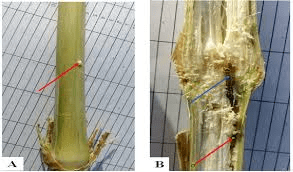
Millet internodes are the segments of the millet plant's stem that lie between two nodes. These segments are crucial for the plant's structure, growth, and overall development. Internodes provide the stem with the necessary length and flexibility to support the plant and its reproductive structures. Millet, which includes varieties such as pearl millet, foxtail millet, proso millet, and finger millet, exhibits distinct internodal characteristics depending on the specific type.
The primary function of millet internodes is to support the plant’s vertical growth. By elongating, internodes help the plant reach towards sunlight, which is essential for photosynthesis.
This process is vital for producing the energy needed for seed development and overall growth. The length and strength of the internodes influence the plant’s height and stability. For instance, longer internodes can contribute to taller plants, which may be advantageous for capturing more light, though they can also make the plant more susceptible to lodging, where the plant falls over due to wind or rain.
Internodes also play a role in the plant's reproductive success. The distance between nodes affects the spacing of leaves and branches, which in turn influences the distribution of flowers and seeds. In millet plants, flowers usually emerge from the upper nodes, and the spacing provided by the internodes helps ensure that these flowers receive adequate light and air circulation. This spacing is important for effective pollination and seed development.
In terms of cultivation, the length and health of internodes can impact crop yield and quality. Shorter internodes may result in a bushier plant with more dense foliage, which can be beneficial for shading out weeds and improving soil moisture retention. Conversely, longer internodes might allow for greater light penetration and air circulation, reducing the risk of fungal diseases. Farmers often monitor internodal growth to optimize plant spacing and ensure healthy development.
The internodal structure of millet also contributes to its adaptability to various environmental conditions. Millet plants are known for their resilience in harsh climates, and the internodes help the plant adjust to changes in water availability and soil conditions. For example, in drought conditions, millet may develop shorter internodes to conserve water and reduce the plant's overall height. This adaptability makes millet a valuable crop in regions with erratic rainfall and poor soil.
🌿 Go Organic on Your Farm: Instead of harmful chemical pesticides and fertilisers, try our organic farming products — including neem oil spray, bio-pesticides, natural plant treatments, organic seeds and seedlings, suckers, and many more organic products that are safe for your health, your family, your soil and your harvest. Shop Now →
Internodes can also be subject to various agricultural challenges. Pests and diseases may target the stem, affecting the internodal segments and impacting the plant’s health. For example, certain insects might feed on the stem, causing weakening or deformities in the internodes. Fungal infections can also target the stem, leading to reduced growth and yield. Integrated pest management and disease control practices are essential for maintaining healthy internodes and ensuring optimal crop performance.
Research into the genetic and physiological aspects of millet internodes can lead to improvements in crop breeding. Understanding how internodal development is regulated can help in developing varieties with desirable traits, such as increased height, resistance to lodging, or enhanced disease resistance. This research can lead to more efficient cultivation practices and better yields.
In summary, millet internodes are the segments of the stem between nodes, playing a vital role in the plant’s growth, support, and reproduction. They contribute to the plant’s height, stability, and light capture, and their characteristics can impact crop yield and quality. The health and structure of internodes are influenced by environmental conditions and agricultural practices, and research into these aspects can lead to improved millet varieties and cultivation techniques.
The Economic Importance and Uses of Millet Internodes
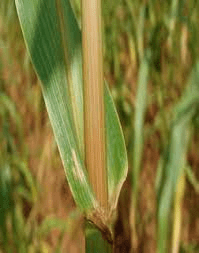
1. Plant Growth: Millet internodes, the segments between nodes, contribute to the vertical growth of the plant. Their length affects the overall height and structure of the millet plant.
🔧 Free Farm Tool Available: Use our free Agric4Profits Farm Tools to calculate your farm profits, formulate feeds, identify pests and diseases on both your crops and animal farms, plan your planting and harvesting season, including many more farm tasks to get free expert advice and recommendations — completely free, no registration required. Access Free Tools →
2. Structural Support: Internodes provide structural support to the millet plant, helping it stay upright and supporting the weight of the grains.
3. Biomass Production: Internodes contribute to the biomass of the millet plant, which can be used as animal feed, mulch, or in biomass energy production.
4. Propagation: Internodes are used in vegetative propagation techniques, where cuttings including internodes can be used to grow new plants.
5. Soil Improvement: When decomposed, internodes add organic matter to the soil, improving soil fertility and structure.
6. Craft Materials: Internodes are sometimes used in crafting, particularly in making natural decorations and functional items like plant supports.
💬 Have a Farming Question? Join thousands of farmers across Africa on the Agric4Profits Community — ask questions, share experiences and connect with agricultural experts. It is completely free. Ask Your Question Now →
7. Livestock Feed: Internodes, along with other parts of the millet plant, are used as feed for livestock, providing roughage and nutrients.
8. Erosion Control: Internodes can be used in erosion control practices to help stabilize soil and prevent erosion.
9. Mulching: Chopped or shredded internodes are used as mulch to help retain soil moisture, suppress weeds, and regulate soil temperature.
10. Biofuel Production: Millet internodes can be processed into biofuel, such as ethanol, contributing to renewable energy sources.
11. Compost: Internodes decompose well in compost piles, contributing to the formation of nutrient-rich compost for gardening and farming.
12. Carbon Sequestration: Internodes contribute to carbon sequestration when incorporated into soil or used as biomass, helping mitigate climate change.
13. Soil Amendment: Decomposed internodes act as a soil amendment, adding valuable nutrients and improving soil health.
14. Animal Bedding: Dried and shredded internodes can be used as bedding material for livestock, providing a comfortable and absorbent surface.
15. Biomass Energy: Internodes can be burned or processed to produce biomass energy, providing a renewable source of heat and electricity.
📖 Want to Go Deeper on This Topic?
Our expert agricultural ebooks cover poultry, fish farming, different crops production, snail farming, organic farming, mushrooms, sheep, cattle, flowers, pig farming, goat farming, agribusiness, etc. in practical step-by-step detail — written by agricultural professionals for African farmers.
Browse All Farming Ebooks →16. Traditional Medicine: In some cultures, millet internodes are used in traditional medicine for various health benefits.
17. Building Material: In rural areas, internodes can be used in construction, such as in making thatched roofs or as part of wall structures.
18. Plant Support: Internodes can be used in gardening to provide support for other plants or crops, helping them grow upright.
Read Also: Winter Aconite Flowers (Eranthis hyemalis) – All you need to know
The Products and By-products That Can Be Derived From Millet Internodes
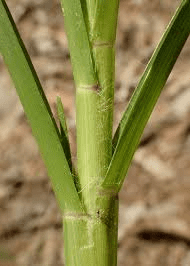
1. Animal Feed: Millet internodes are included in chopped forage or silage, providing roughage and nutrients for livestock.
2. Biofuel: Internodes can be processed into biofuel, particularly ethanol, which can be used as a renewable energy source.
3. Compost: Internodes are added to compost piles, where they decompose and contribute to nutrient-rich compost used in agriculture.
4. Mulch: Chopped or shredded internodes are used as mulch to help retain soil moisture, suppress weeds, and regulate soil temperature.
5. Craft Materials: Internodes are used in crafting and making natural decorations or functional items like plant supports.
6. Soil Amendment: Decomposed internodes are used as a soil amendment, adding organic matter and improving soil structure.
7. Biomass Energy: Internodes are used as a source of biomass energy. They can be burned or gasified to produce heat and electricity.
8. Traditional Medicine: In some cultures, millet internodes are used in traditional medicine for their purported health benefits.
9. Carbon Sequestration: When used in soil or as biomass, internodes help sequester carbon, contributing to climate change mitigation.
10. Erosion Control: Internodes are used in erosion control practices to stabilize soil and prevent erosion.
11. Animal Bedding: Dried and shredded internodes are used as bedding material for livestock, providing a comfortable resting place.
12. Building Material: In some regions, internodes are used in construction, such as in thatched roofs or wall structures.
13. Biogas Production: Internodes can be used in biogas production, where they are anaerobically digested to produce methane.
14. Soil Health: Incorporating millet internodes into soil improves its health by adding organic matter and nutrients.
15. Plant Support: Internodes can be used to support other plants or crops, helping them grow upright.
16. Craft Projects: Internodes are used in various craft projects, providing a natural and rustic element to items.
17. Green Manure: Internodes are used as green manure, adding organic matter and nutrients to the soil when decomposed.
Read Also: 8 Medicinal Health Benefits of Lysimachia nummularia (Creeping Jenny)
Frequently Asked Questions (FAQ’s) About Millet Internodes
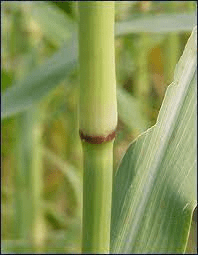
1. What are millet internodes?
Millet internodes are the segments of the stem between the nodes of the millet plant.
2. How do internodes contribute to plant growth?
Internodes contribute to the vertical growth of the plant, affecting its height and structure.
3. Can millet internodes be used for propagation?
Yes, internodes can be used in vegetative propagation to grow new plants from stem cuttings.
4. How do internodes help in soil improvement?
When decomposed, internodes add organic matter and nutrients to the soil, enhancing its fertility and structure.
5. Are millet internodes used in crafting?
Yes, internodes can be used in crafting, particularly for making natural decorations and plant supports.
6. Can millet internodes be used as animal feed?
Yes, internodes are included in forage and silage, providing roughage and nutrients for livestock.
7. How are internodes used in erosion control?
Internodes can be used in erosion control practices to help stabilize soil and prevent erosion.
8. Can internodes be used for biofuel production?
Yes, millet internodes can be processed into biofuel, such as ethanol, contributing to renewable energy sources.
9. What role do internodes play in carbon sequestration?
Internodes contribute to carbon sequestration when used in soil or as biomass, helping mitigate climate change.
10. Are millet internodes used in traditional medicine?
In some cultures, millet internodes are used in traditional medicine for various health benefits.
Read Also: A Comprehensive Guide to Jeff Belzer Fresh Start Financing
🌱 Take Your Farming Further With Agric4Profits
Based on what you just read, here are free resources and products from Agric4Profits that can help your farm right now:
- 🛒 Visit Our Marketplace — Organic neem oil, bio-pesticides, seeds and farming products
- 📚 Read Premium Content — Advanced guides for serious and profitable farming
- 🎓 Join Our Free Academy — Structured free training for farmers across Africa
- 🔧 Use Our Free Farm Tools — Profit calculators, feed formulation, pest identifier and more
- 💬 Join Our Farming Community — Connect with farmers across all 54 African countries
- ❓ Ask a Farming Question — Get answers from experienced farmers and agricultural experts
Please cite this content in academic work, research, or publications.